February Newsletter: On Cultural Contentment and C’mon C’mon


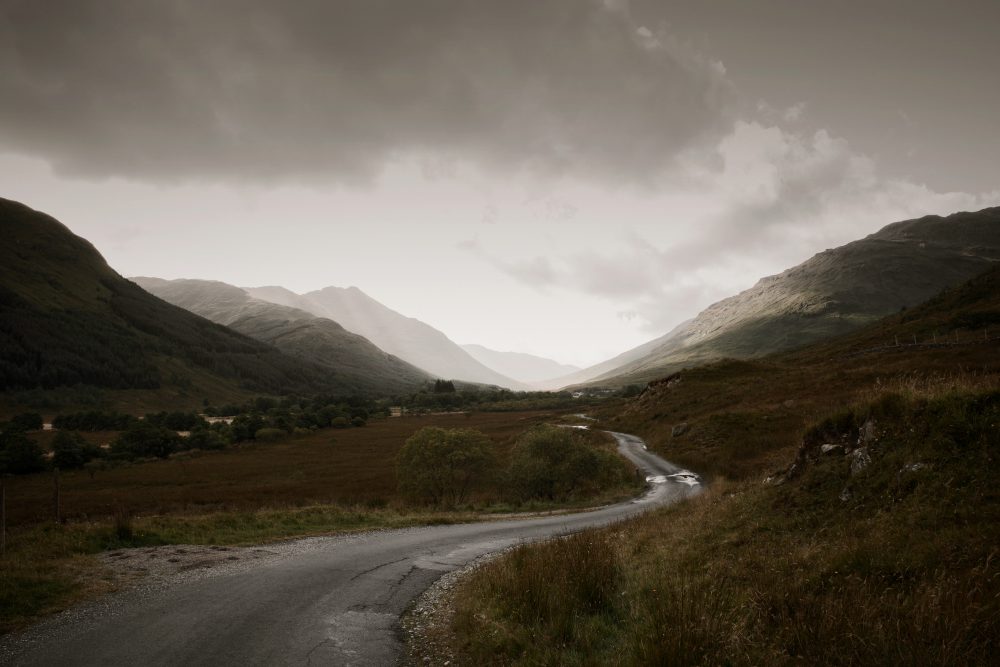
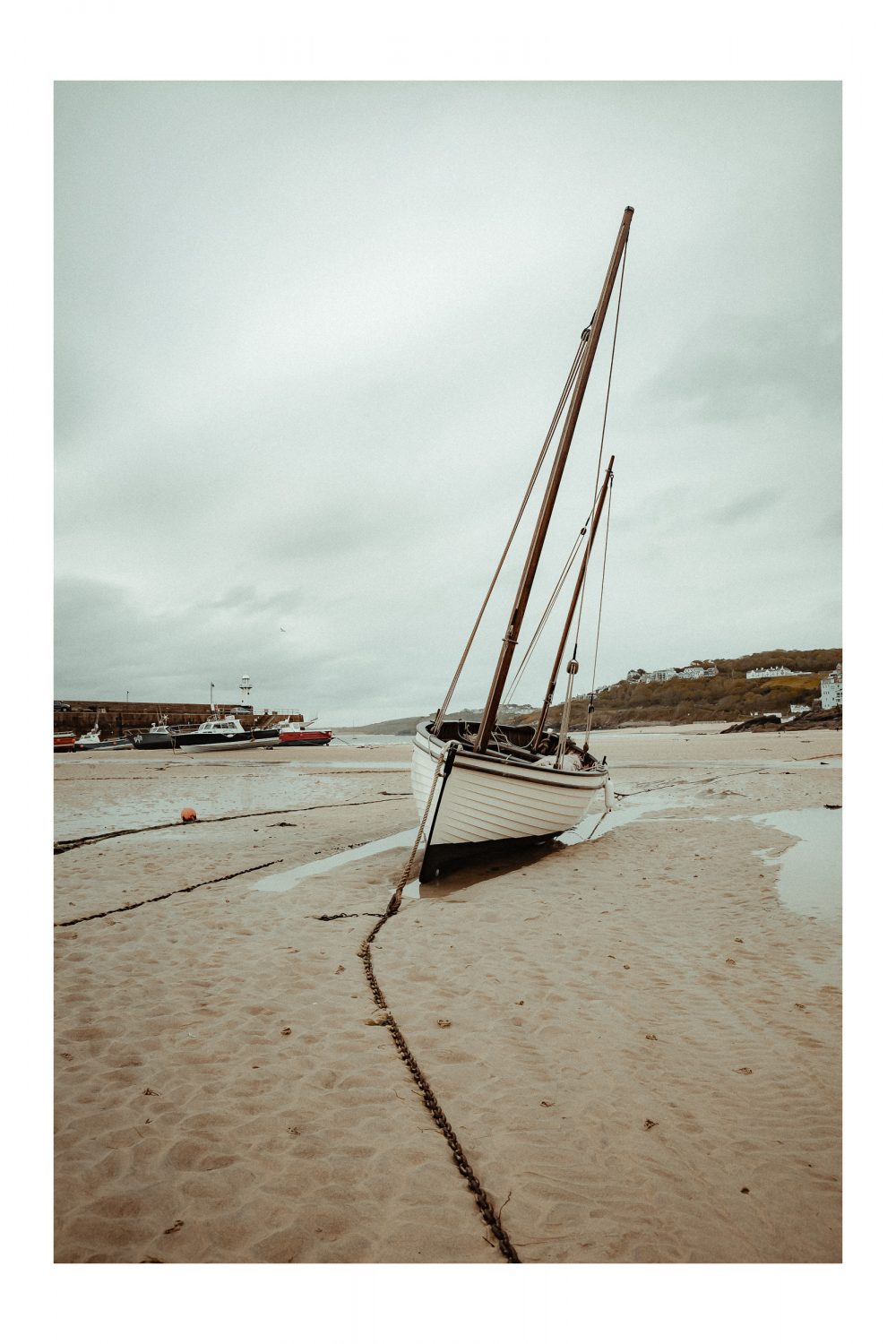
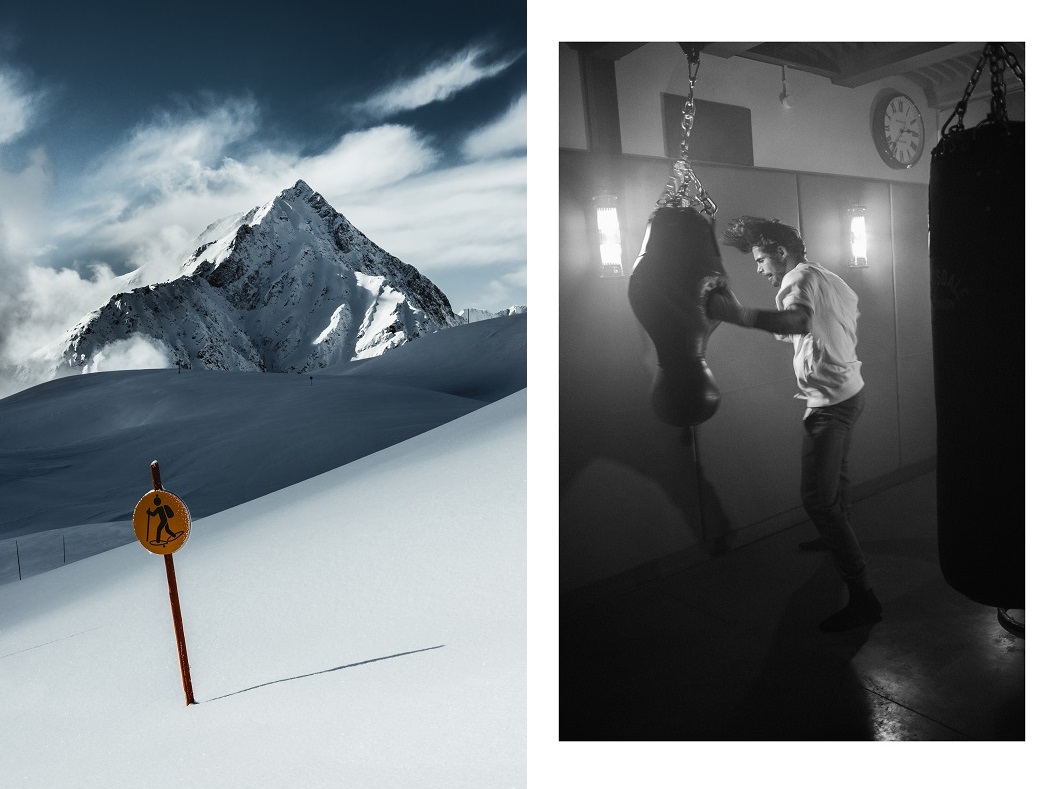
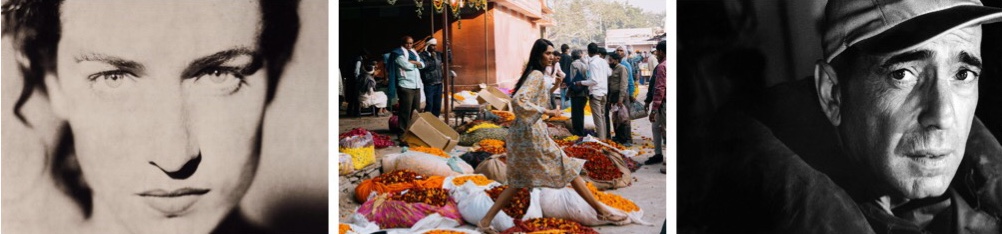
Photos: Classiq Journal
(unless otherwise stated)


I was recently taken aback when a filmmaker presented her conviction that we should reconsider what makes cinema, and that the idea of cinema could simply amount to the intimacy between viewer and film, regardless of the room a movie is watched in.

Her affirmation truly made me sad. It was like a hope I was clinging to was instantly cut off and I had nothing much to rely on anymore. Why has the world had to change so much in such a short time? Haven’t we all succumb too easily to change?

I have laid bare my thoughts about the importance of cinema more than once and I even gathered filmmakers and film festival directors to discuss on the subject at large. And yet, I am aware that there are some people who haven’t set foot in a movie theater for years, others who are more than fine with watching a film at home from now on, and yet others who want to go to the cinema for the popcorn and the special effects. My notion of cultural contentment is different than any of the above.

In her monumental book, The Art of Acting, Stella Adler wrote: “We live in a society where more than one thing is always happening. When you go to a movie you have popcorn in one hand, a coke in the other. You have no concentration. You’re modern by not concentrating, or by concentrating on something electric that’s doing it for you, that’s the problem with mechanization – the machines do the living now, not us. All we can do is watch. There’s nothing left to lift the spirit. So we go to psychologists.” That was decades ago.

A little fewer decades ago, Bertrand Tavernier talked about his experience with American cinemas while he was filming In the Electric Mist in Louisiana: “In the past, American directors watched French films, knew about French cinema. Not any more. They don’t even watch old American films, their own cinema. I don’t have anything in common with such people. You know, when you see a film in the cinema in the United States, the lights are never completely switched off. This is so that people can come and go to buy popcorn. You are continually disturbed by people eating next to you. The last film I saw in a cinema in the U.S., the man next to me was eating a Chinese meal. In France, I prefer to go to the cinema to watch movies. But there… in New Orleans there wasn’t a single foreign film. With the exception of a festival when one can see several different foreign films in a week, there is nothing. In a city where you have several universities, very few people care about seeing foreign films. I wanted to come back to France to finish the cutting because I couldn’t do it there. To see just American films… DVDs saved me in Louisiana. All that merde in the cinemas…”

Americans are lucky they have The Criterion Channel, Hulu, TCM, and even Netflix. They are content with what others pick for them (and damn fortunate that some know what they are doing) and they are used to have things made easy for them. Watching a film must be practical for them. Everything is commodified. And they reduce the whole world to their level. Europeans, and not just filmmakers or film connoisseurs, but average people, look foreign films out, they anxiously wait for films to be released in cinemas, they pack the theaters during festivals. In his book, The Art of Cinema, Jean Cocteau wrote: “Festivals help to shake off the laziness that encourages some people to despise the audience and others to think of cinemas as dark tunnels, to be gone through absent-mindedly. […] In any case, it is important that the festival is there, encouraging the runners to take part in the race. The more often exceptional films gain awards at festivals, the more producers and distributors will lose their fear of a public that they frequently misunderstand, which is only asking them to lead it forward.”

People must continue to see film as a cultural act, not just sheer entertainment. It’s a different way of seeing.

Children have a different way of seeing, too. Children are also great actors, because, as Stella Adler remarked, “they have the instinct to fight boredom”. In Mike Mills’ C’mon C’mon, Johnny (Joaquin Phoenix) is a radio journalist who travels the country interviewing children about their thoughts about the world and their future. He then has to take care of his nephew, nine-year-old Jesse (Woody Norman), when they are unexpectedly thrown together. Shot in black and white, the film is understated and emotional in just the right amount and it just makes you pay attention to this beautiful relationship and friendship forged between a child and an adult. A child truly makes us see the world with different eyes and demands us to be present and constantly reassess our relationship with the world and with everyone around us.


”But, while Charlie Chaplin has made the invisible visible to all,
he had kept a dark corner in himself that nothing can compromise.”

Jean Cocteau
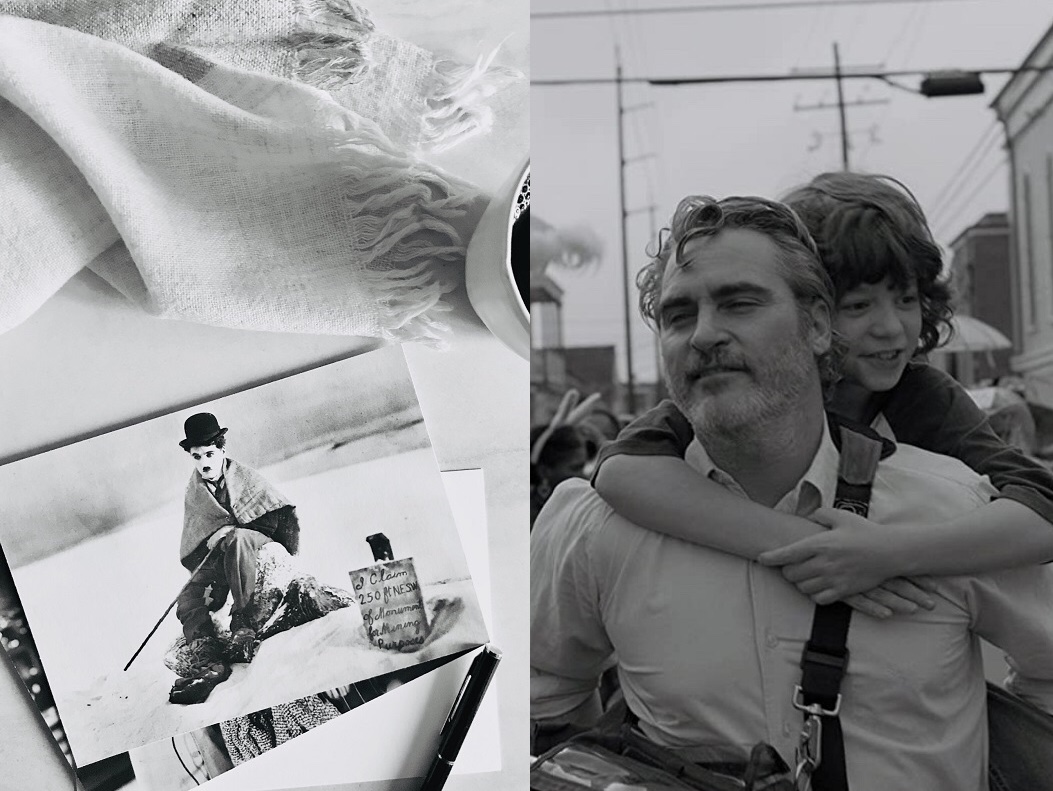


Left: Photographic prints available on shop.classiq.me
Right: “C’mon C’mon”, 2021. A24, Be Funny When You Can


Viewing

A Hero, 2021
Asghar Farhadi

Is there such thing as a selfless good deed? Rahim is in prison for a debt he could not pay. During a two-day leave, when he is handed a dubiously found bag filled with gold that could pay half his debt, he faces a dilemma: does he pay his creditor and avoid returning to prison or does he try to find the person who lost the bag? But things are not as black and white as you may think they are. A cautionary tale that navigates moral dilemmas and societal ethics that can easily and unexpectedly throw you off your train of thoughts of why and if we need heroes.
 
Tandem, 1987
Patrice Leconte

Whenever I watch a Jean Rochefort film, I remember how in just two short scenes he stole the show in Claude Chabrol’s Les innocents aux mains sales (Innocent with Dirty Hands, 1975), one of the finest supporting roles in cinema. In Patrice Leconte’s Tandem, his job is to put on a show. As Michel, a host of a radio broadcast, he has to travel throughout France with his assistant and driver, Rivetot (Gérard Jugnot), trying to gather a crowd that gets increasingly thin for his increasingly outdated show. It’s one of the great road movies, and one of the great road movies that nobody talks about, and on Riccardo Cocciante’s recurring song Il mio rifugio, the film, the story and the road become unforgettable. Michel is a man with a great past, of great presence and grand gestures, but the strength of the film comes from the simplest, most quiet moments. Can he learn to live in the present?

 
Mad City, 1997
Costa Gavras

A person on the edge (John Travolta), threatening to harm others or himself. A newsman (Dustin Hoffman) who may be on the verge of having the story of his career right in front of him. Does he save the person or make the news? Where does one draw the line? When do you stop being the professional and ask yourself why you are doing the story?
 
The Thin Man, 1934
W.S. Van Dyke

I have recently rewatched The Thin Man and After the Thin Man as research for an article about the films’ costumes and, once again, they hit just the right notes. The Thin Man is the kind of film you get lost in. Because it’s a class act. “Its fresh dialogue, witty situations, and tricky turns of fate perfectly captured the martini era.” But it’s not the plot, a fine concoction of screwball comedy and detective story, that gets your upper interest, but the characters, Nick and Nora Charles, played by two actors who weren’t just acting, but were in perfect harmony on screen.
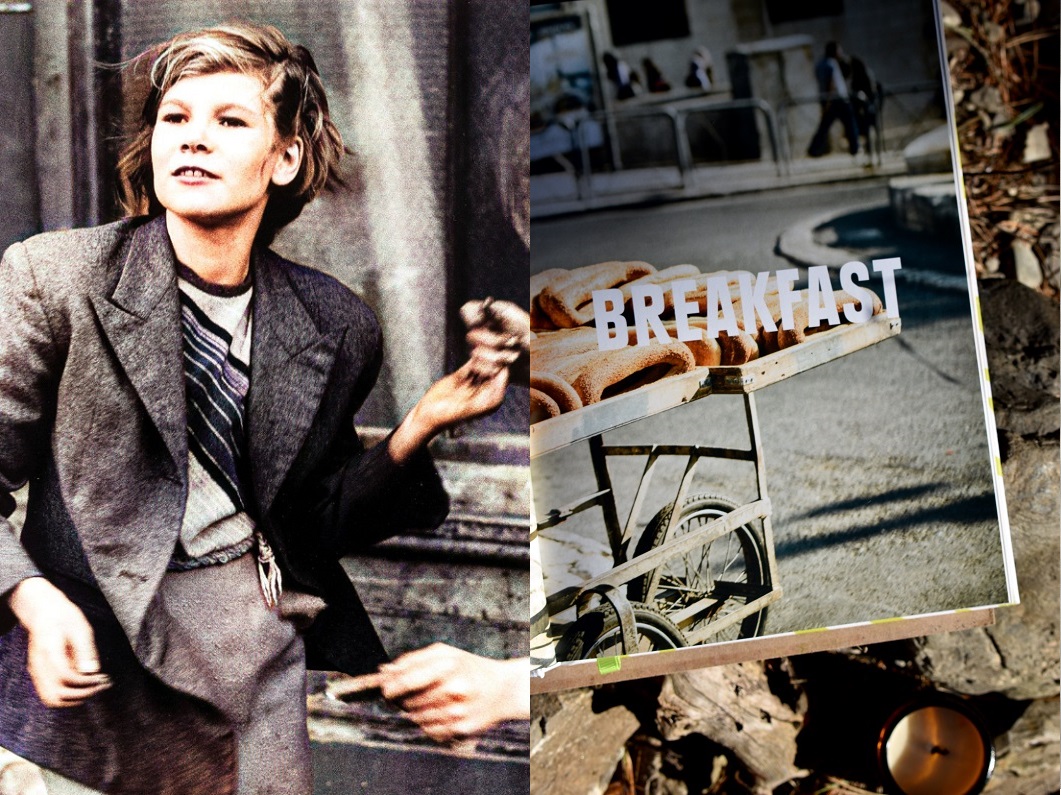
 

Left: Photograph by Roger Mayne, “Girl Jiving”, Southam Street, London, 1957
Right: Photo from the book “Falastin”, by Sami Tamimi and Tara Wigley. Classiq Journal


Reading

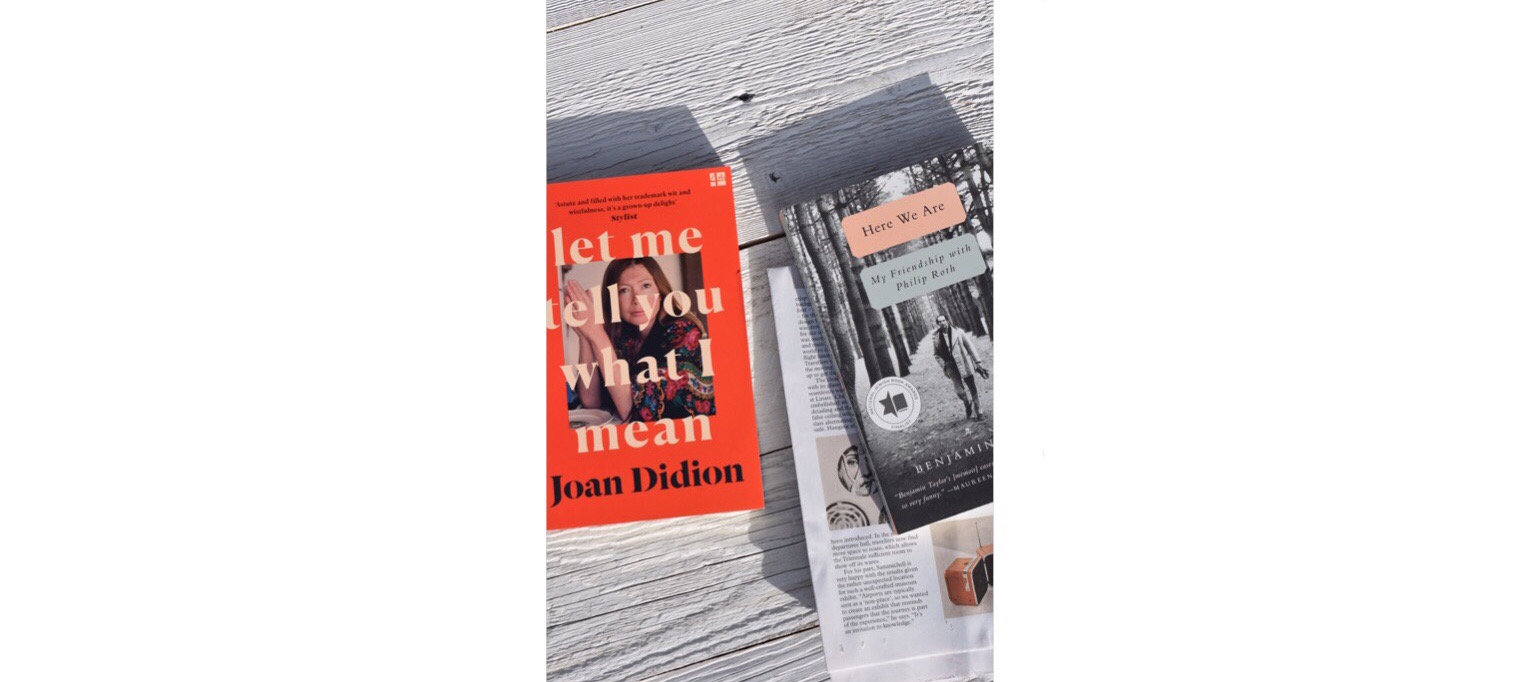
Let Me Tell You what I Mean
Joan Didion

Twelve pieces of non-fiction – a visit to San Simeon, Tony Richardson, Ernest Hemingway, Martha Stewart are among the subject’s of the essays – never before collected, an introduction to Didion’s enigmatic yet incisive, relevant and prescient writing (her analysis of Hemingway’s first paragraph from A Farewell to Arms is simply artful). I love her instinct for details, her slicing ability to capture the times, past and present, and, most of all, that kind of a Joan Didion sharp-eye phrase that articulates so many possibilities.
 
Falastin
Sami Tamimi and Tara Wigley

Cookbooks are not only my comfort read, but they are transportative, more so than a travel book. I never buy a cookbook filled just with recipes. The stories and the photos (not just of the food, but of the places, people and culture surrounding the food) are just as, or even more important. “These are not our stories. They’re not even always our views. They are, however, stories we’ve been moved to tell from people that we’ve met.” Battir, how a small village made a big difference of the map, or The Tent of Nations, one family’s story of peaceful resistance, or Fishing in Gaza, the catch-22 of the sea, or A tale of two restaurateurs, the politics (or not) of food, are just a few of the incredible stories in Falastin: A Cookbook (with photos by Jenny Zarins). But, first and foremost, this is a story of a formidable food nation, with the recipes at hand to prove it.
 

Remembering Monica Vitti, who passed away last week at the age of 90. “Monica Vitti is Claudia, who seems to be the only one who doesn’t exactly fit into her upper-class group of friends, but mingles with them nonetheless, her costumes reflecting exactly her problematical belonging to a certain social class. When Monica Vitti, with her carina-bruta beauty, reserved sensuality, icy cool gaze and mysterious presence, saunters on screen in Antonioni’s L’Avventura, it’s difficult to take your eyes off of her.”
 

He is the greatest tennis champion, and my very favourite, but not just because he has won the most Grand Slam titles. Because every single match he seems to be playing just for improving himself. I have said it and I will say it again. My admiration for Rafael Nadal goes beyond his incredible achievements on the tennis court. I admire his hard-work and determination, his resilience and mental strength, his fair play, his modesty, kindness, courtesy and shyness, his down-to-earthness, the respect he has for his family, for his roots and for his fans. There are many different things that make a champion and there is hardly anyone like Nadal in any sport. Rafael Nadal: The ‘tough love’ that shaped a 21-time Grand Slam champion.
 
 
In celebration of the Winter Olympics: A Sporting Life: In search of its lost elegance.

 
Listening

The Lady in the Balcony: Lockdown Sessions
Eric Clapton

What a superb performance! Just Eric Clapton and three of his musicians covering songs from his solo years from Derek and Dominos onwards. Minimalistic, bluesy, intimate setting, acoustically recorded. Less is definitely more.


Making

Simple Stories. Clothes for a slower pace of life. Simple, beautiful and lasting, that take time, mindfulness and love to create, and require care and love to last.
 

Exploring

While 80% of the world’s population can’t even see the stars of the night sky, New Zealand is about to become the first dark sky nation. “To me, the dark skies are humankind’s last true natural wilderness. Potentially, they won’t be with us in years to come. It worries me – there’s so much to lose in the world’s obsession with space tourism and so many reasons to preserve what’s here,” says astronomy guide Becky Bateman about saving the night sky.

The street photography of Roger Mayne, especially his post-war photographs of London neighbourhoods. “My approach is visual rather than storytelling – I am a documentary rather than a journalistic photographer,” he told The New Yorker in 2012. “I have always had the habit of looking and seeing.” He captured life as it happened. His style was casual, non-intrusive. His prints are not staged or stylised or perfectly framed, but they are perfect for some reason. And he best captured that fleeting moment of children playing, carefree, always in action, always on the move. He was a natural.

 
The regulars: The interviews, newsletters and podcasts I turn to every week and/or every month because they are that good. Craig Mod’s all three newsletters: Roden, Ridgeline, and Huh. Wes Del Val’s book-ish interviews. Soundtracking, with Edith Bowman. Team Deakins, with Roger and James Deakins. Alicia Kennedy’s newsletter. The Adventure Podcast: Terra Incognita. Monocle and Sirene magazines, in print.


Posted by classiq in Books, Culture, Film, Newsletter | | Comments Off on February Newsletter: On Cultural Contentment and C’mon C’mon

Revisiting The Thin Man: The Class, The Wit, the Style

The Thin Man, 1934. MGM

 
The Thin Man is the kind of film you get lost in. Because it’s a class act. “Its fresh dialogue, witty situations, and tricky turns of fate perfectly captured the martini era.” But it’s not the plot, a fine concoction of screwball comedy and detective story, that gets your upper interest, but the characters. Nick and Nora Charles, played by William Powell and Myrna Loy, are a sophisticated couple, pretty much equal, resolutely independent but who feel so much better together. They are married, and they are funny and fun to be around. The Charles showed, for the first time on screen, that life could be like that within marriage. “Humour, patience and the sexiest sparkle of perpetual courtship”, is how it was best described in the documentary Myrna Loy: So Nice to Come Home to. “Of course, a little danger helps, too.”

Based on a novel by Dashiell Hammett, The Thin Man, directed by W.S. Van Dyke, was the first in a series of six films with William Powell and Myrna Loy in the leading roles. They starred in ten more movies together, the most prolific partnership in the history of cinema. “We weren’t acting, we were just two people in perfect harmony,” William Powell described their perfect compatibility on screen, especially in The Thin Man. William Powell had a very attractive screen persona and infused his roles with a sure sense of purpose and innate elegance. Witty, sophisticated and debonair, he knew how to dress and how to carry himself. And we just have to watch him as detective Nick Charles, sharp, charming, and always with a drink, often a dry martini, in his hand, to realise that there is more to attraction than looks. His attraction came from the way he projected that wit, style, and self-confidence. An Oleg Cassini quote comes to mind: “You must have manners of the heart.”
 

The Thin Man, 1934. MGM. Myrna Loy is wearing a black coat with a voluminous
dark fur collar and cuffs, with lace jabot, designed by Dolly Tree.

 
And if Cary Grant was the Last Gentleman, as Richard Torregrossa concluded in our interview, William Powell was most certainly one of his companions back in the day. “Style is as much about the inner as well as the impeccable persona. In business as well as in his personal life, manners were important. So was a high standard of quality in all things and a fairness towards others. I think we’ve lost that today.” No detail was unimportant for William Powell either, not a button nor a tie clasp, yet everything was understated.

The way you dress is one of the first things people notice about you, so why not present yourself to the world in the best possible way? I think we’ve lost that today, too. The sartorial part is one of the great appeals of The Thin Man. And it was the suit, a well crafted suit – with a clean, unobtrusive cut, accentuated only by a casually folded breast-pocket handkerchief and one half of inch of shirt cuffs extended from his jacket sleeves – that best expressed the kind of man that William Powell was. The suit was also, most probably, provided by Powell himself, as for much of the classic Hollywood era, male actors were expected to supply their own costumes. People should keep watching William Powell, not for following those exact dressing rules in the present, but for appreciating good manners, a firm shake of hands and a natural sense of style, and for learning from a man who “dignified his profession by striving for perfection without pretention”, as Michael York brilliantly put it.

And that can apply to both his work and style. In The Thin Man, the humour and the prodigious drinking may seem to prevail over any other kind of action, but just then, when you least expect it, William Powell so effortlessly springs from light-headedness to active sobriety and professional skill in an instant. He’s not into it just for the fun of it. He is always processing what’s happening with great restraint, while balancing the act of having no restraint in drinking. Are you familiar with the anthology of essays and articles from the early golden age of the Gatsby, beautifully titled Bohemians, Bootleggers, Flappers, and Swells, showcasing great writers in search of how to live well in a changing era? Well, William Powell seems like a character in search of how to live well in a changing era.


“I never enjoyed my work more than when I worked with
William Powell. He was a brilliant actor, a delightful companion,
a great friend, and, above all, a true gentleman.”

Myrna Loy


The Thin Man, 1934. MGM

 
It wasn’t just the believable romanticism of Nick and Nora Charles that was novelty to the silver screen in the 1930s, but Myrna Loy herself. This is how Richard Schickel rounds up her portrait in the aforementioned documentary: “She was something new in the movies. She wasn’t a vamp, a vixen or a victim. She wasn’t a screwball, and she wasn’t a siren. She was, of all things to find in the movies in those days, a grown-up woman. Shrewd without being sharp, funny without being silly, decorous without being stuffy, and sexy but in the subtlest, loveliest ways. She represented the distilled essence of her own character.” As Nora Charles, Myrna was radiant, smart, beautiful and wisecracking, fun to be with, and so nice to come home to. It’s easy to believe that she didn’t change her manner at the close of the working day.
 

The Thin Man, 1934. MGM

 
As a Hollywood star, Myrna played a dual role: as the movie star the studios had created and as the character in the movies. Her costumes had to fit both the personality of the actress and the role. Myrna’s wardrobe is downright fabulous in The Thin Man and I am surprised that it has been so overlooked over time, just as the work of the designer responsible for it, Dolly Tree. Born in England, Tree was an illustrator, actress and costume designer, first for the English stage during the ’20s, then as the first woman to design for the Folies Bergère, and, finally, as one of Hollywood’s major screen designers who dressed the likes of Myrna Loy, Jean Harlow, Rosalind Russell and Judy Garland. Before the process of film costume began in the 1920s, actresses wore their own clothes on screen, just as actors still did in the 1930s. But by the late 1920s, every major studio had a designer and a wardrobe department. Dolly Tree worked for Fox Studios at first, then moved to MGM (1931-1942), where she was one of the studio’s top designers, alongside Adrian.

Film costume has a certain goal and culture, but in the Golden Age of Hollywood, the primordial elements were timelessness, vivacity and glamour, without forgoing the synergy of costume, character and individual star. “Hollywood films of the 1930s have that timelessness, perpetually in style whenever glamour is wanted,” as Christian Esquevin notes in Adrian: Silver Screen to Custom Label.

One particular dress in Nora’s wardrobe – a classic 1930s bias cut evening gown in stripped chiffon in cascading ruffles and layers – is a show-stopper and incredibly modern. The underlayer stripes go in the opposite direction creating a checked look and a beautiful visual impact, especially if you watch how it moves in the film. The rest of the wardrobe is glamorous, yet not cluttered with fussy detail, and the most suggestive example for that is the black cire sheath evening dress. Dressed in Dolly Tree’s costumes made Myrna’s image on screen very relatable and her clothes accessible to many. Myrna Loy admitted that Dolly Tree had “a greater affinity to her own taste for simplicity and modernism,” as stated by Gary Chapman in the book Dolly Tree: A Dream of Beauty, and she considered Adrian “a little more flamboyant and theatrical, a style that would not have been perfect.”

But beyond the glamour, there is something else that stands out: it’s the easy elegance, spontaneity and liveliness, an authentic spirit and the worldliness of the wearer.
 

The Thin Man, 1934. MGM
Myrna Loy is wearing the black cire sheath evening dress designed by Dolly Tree.


Nick: “Have you got a nice evening gown?”

Nora: “Yes, I’ve got a lulu.” (referring to the black sheath dress in the image above)

Dressing up was a serious affair, even in the intimacy of your home.


The Thin Man, 1934. MGM


Editorial sources: Dolly Tree, A Dream of Beauty, by Gary Chapman / The documentaries “William Powell: A True Gentleman” and “Myrna Loy: So Nice to Come Home to” / Adrian: Silver Screen to Custom Label, by Christian Esquevin / Bohemians, Bootleggers, Flappers, and Swells: The Best of Early Vanity Fair, edited by Graydon Carter


MORE STORIES

Talking film costume: Faye Dunaway in “Eyes of Laura Mars”

The searing style of Jacques Deray’s “La piscine”

The Mosquito Coast: Interview with costume designer Justine Seymour

Posted by classiq in Film, Film costume | Comments Off on Revisiting The Thin Man: The Class, The Wit, the Style

Read Instead…in Print


A photo of a good book about cinema. No discursive, pretentious analyses, no verbose scrutiny. Because the idea is to invite you to read the book, not read about it here. But instead of using social media, I use my journal. Back to basics. Take it as a wish to break free of over-reliance on social media (even if it’s just for posting a photo of a good book) for presenting my work, cultural finds and interests. These are things to be enjoyed as stand-alone pieces in a more substantial and meaningful way than showing them in the black hole of Instagram thronged with an audience with a short attention span. This is also a look through my voluminous collection of books about film that I use as research in my adamant decision to rely less and less on the online and more on more on print materials.


Read instead…in print #7.

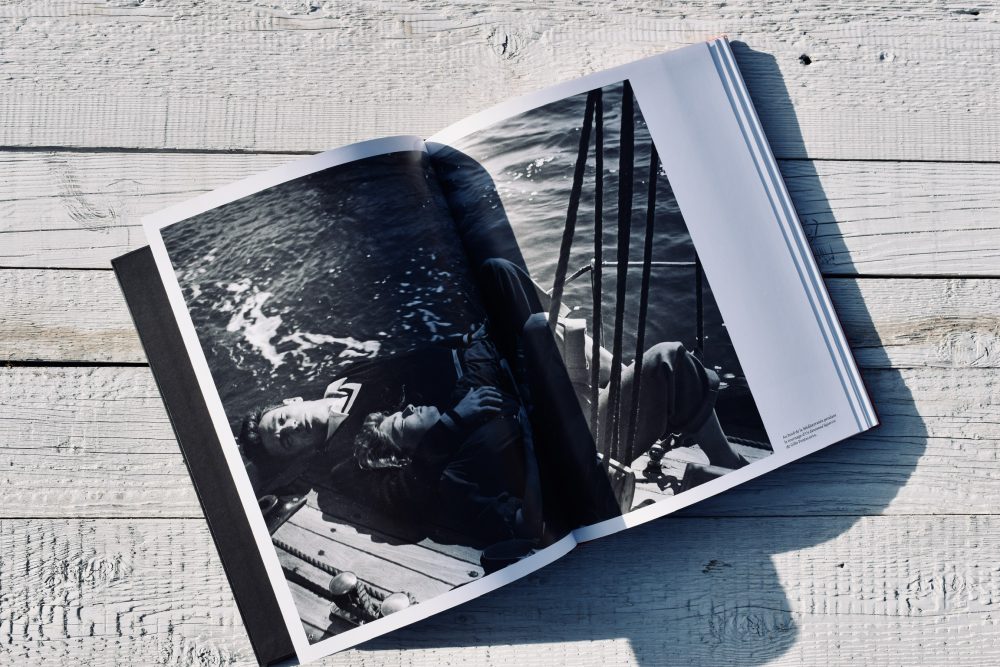
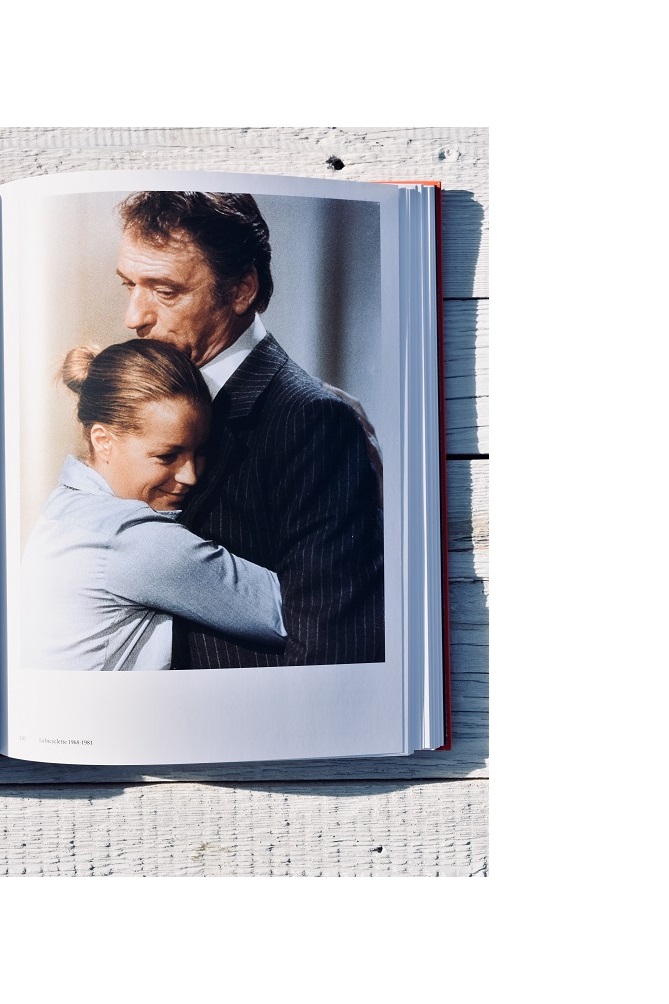
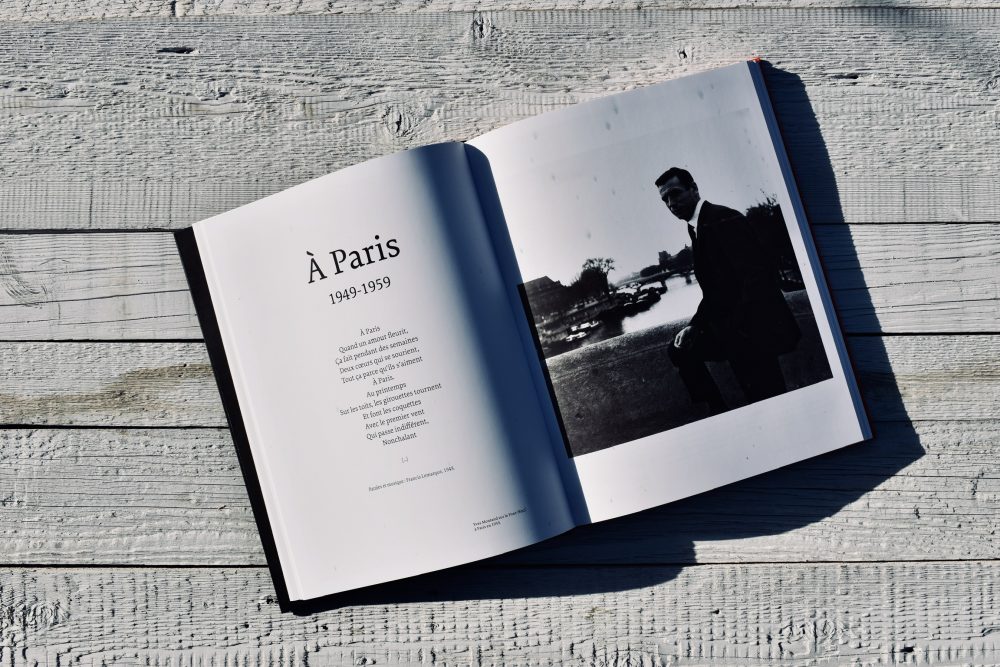
The year 2021 celebrated the centenary of the birth of Yves Montand with the publishing of the book Yves Montand: La force du destin. The story of Ivo Livi, a poor Italian immigrant who arrived in Marseilles in the early 1920s, and became Yves Montand, one of France’s finest actors and artists. An extraordinary destiny for an extraordinary personality. Whenever the French write a book about cinema, I rejoice, because not only do I know that I am for a valid and passionate opinion, but because they also put great thought into the photos they use in it, which reads like a beautiful visual journey through someone’s filmography. Montand’s voice is heard throughout the book and we also get to hear from many of his friends and colleagues, like Costa-Gavras, Jean-Paul Rappeneau, Philippe Labro, Françoise Hardy, Gérard Lanvin, Florence Moncorgé-Gabin, Catherine Deneuve, Alain Corneau. Seeing him through their eyes is sincere without falling into the emotional, resonant without falling into the obtrusive, fascinating without falling into flattery. The feeling you are left with is simply this: “Montand est à nous, à vous,” as film documentarian Yves Jeuland ends his testimonial. “Montand is ours, Montand is yours.” And that’s pretty extraordinary, too.


MORE STORIES

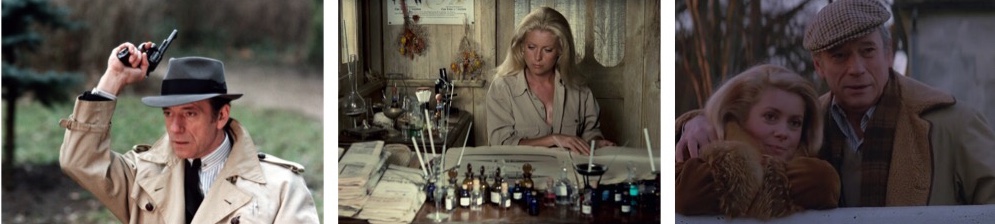
Clothes and characters in Jean-Pierre Melville’s films: Yves Montand in “Le cercle rouge”

Set her free: Catherine Deneuve in “Le sauvage”

Le choix des armes: Yves Montand and the look of the gentleman gangster

Posted by classiq in Books, Read instead...in print | | Comments Off on Read Instead…in Print

“I draw on everything I know and feel”: Interview with Photographer Chris Boulton

Photo: Chris Boulton

 
A skier against the majestic silhouette of the mountain covered in snow. A photograph that is so simple and yet so grand, and so grand in its simplicity. It’s one of those rare visual stories that is a whole story in itself. It’s timeless – you can not place it in any particular moment in time. It’s about a feeling, too. The photographer captured something beautiful there, instantly making one feel the human’s fragility against the power and beauty of nature as well as the conquerer spirit that man posses. But, ultimately, there’s something else. I love it because I love the mountain and this image speaks to me in so many ways and in so many memories and in so many imagined stories that go beyond the image itself. Because photography, for both the photographer and the viewer, is, or should be, a very personal experience.

A good photograph evokes an emotion, good or bad, photographer Chris Boulton believes. That, I believe, is one of the most sincere definitions of the term. Photography is about seeing, understanding and feeling, all at the same time. Whether it’s a happy, or a sad story, whether it’s landscape or portrait. It’s about capturing something that’s real, but also about freeing oneself and being honest about what one feels or imagines, and thus fueling the daydreams of others. Life is not just the reality around, life is imagined, too. And I have found that it’s not just Chris Boulton’s photography that can speak to you in many different ways, but his life story, too.

In our interview, Chris reveals how visual storytelling draws on the mental catalogue of the photographer as well as on all his feelings and emotions, which are the moments when he feels it’s best to put his camera down, and why one just has to keep pursuing one’s true passion, even if it takes decades to finally embrace it.
 

Photo: Chris Boulton

 
What does it take to go there, to want to tell a story through your photographs?

Simple answer – it takes everything. I feel excitement, pressure and a sense of responsibility. The pressure bit is only the pressure I put on myself, I still haven’t managed to quite master that bit yet. When photographing a person and their story, I draw on everything that I know and feel. When you immerse yourself in a person’s story and their environment and get to know their personality, you become inspired and that’s when ideas happen! All those influences – books, films, paintings & people that you have seen or met in the past are all stored up inside you somewhere – waiting for you to tap into…

I always try to research the person I’m going to photograph, but if I am introduced to someone and haven’t had the luxury of being able to research them first then I will wait to be inspired. This might come from their personality, their story, the light, the clothes they are wearing, the environment or a combination of all of these. It’s a gut feeling. What feelings does this person evoke? I then let my imagination run.


”If I feel that a moment or occasion exhibits a lack of humanity,
then I will put my camera down.”


Does there always have to be this connection with the one you photograph, this element of surprise? Do they respond differently when they feel they are involved in the creative process?

I believe so, when photographing portraits, I always take time to get to know my subject and even suggest meeting at the pub the night before the shoot in order to become better acquainted. I endeavour to make the shoot feel inclusive, a collaboration if you will. I also try and steer the conversation to something that’s really personal to them, something that will draw pure happiness, anger or sadness, real emotions.

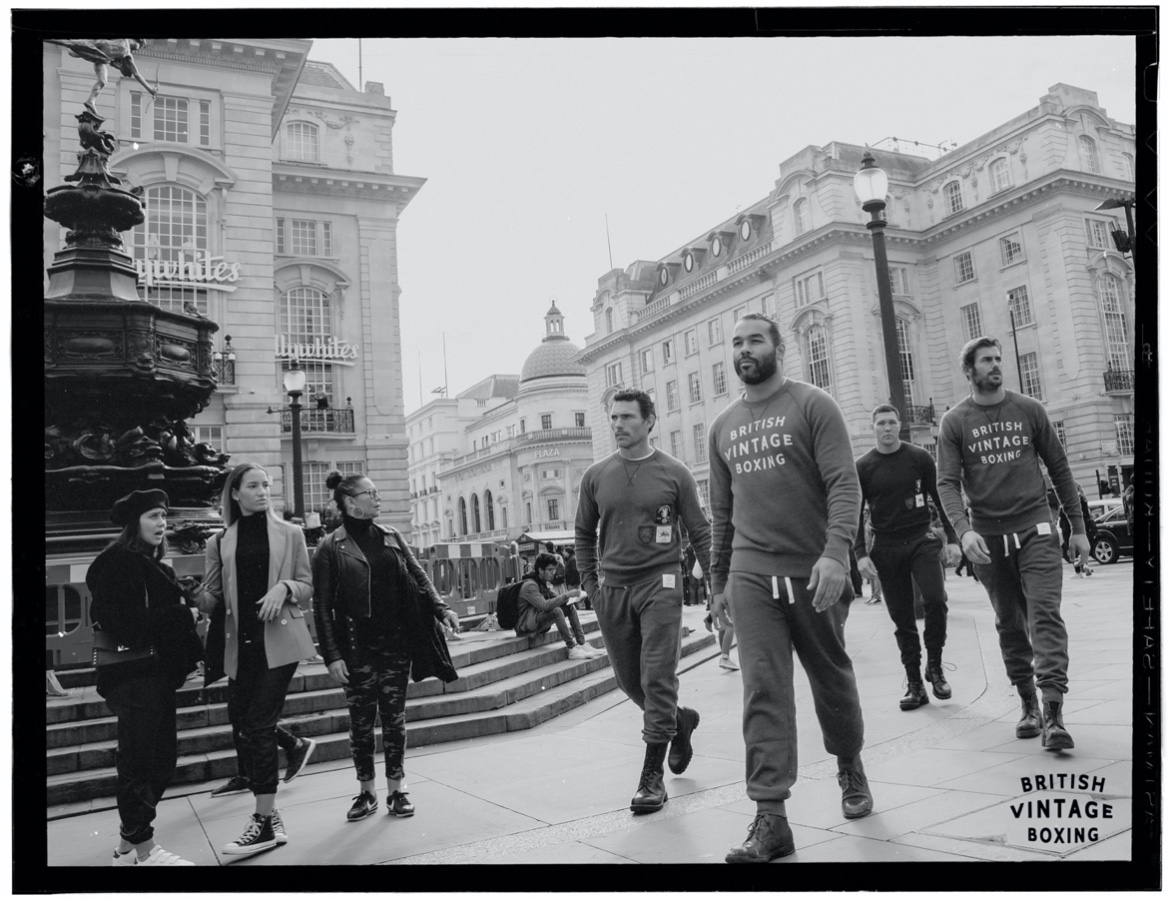
If I am doing a commercial photoshoot, I often get the best results with the element of surprise – by watching the models interact with each other and taking candid shots around this interaction often yields the best results. More recently, I like to place my subjects/models in real-life scenarios and watch the reaction and interaction from the general public around them for example, the photograph below.
 

Photo: Chris Boulton


”I believe a good image allows the viewer to see something of
themselves in it, a kind of personal resonance.”


Do you always carry a camera with you?

Yes, I try to carry a camera most of the time although more recently I do try to take time away from the view finder, to experience life without a camera between me and the scene. I think this is really important.

Do you search for a photograph? Is simply being observant and taking in the world around you enough for taking a good photo?

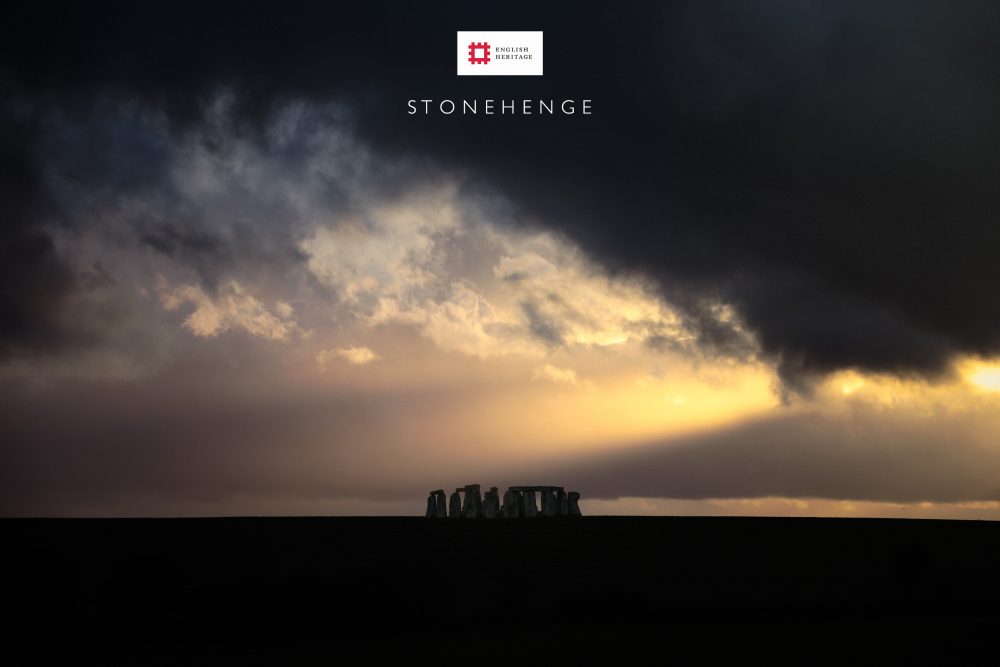
I think as you become a photographer your eye becomes naturally tuned in to the world around you. Rather than saying ‘oh what a beautiful scene that is’, you find yourself saying ‘what a great image that would make’. For commercial purposes, you often have to search for the photo – I once walked around Stonehenge five times looking for the spot that gave me everything that I saw in my ‘mind’s eye’ – a scene that made the most pleasing composition but told the story of the stones in consideration of everything else around them, where the sun was coming up and how the first rays would hit the stones. A good photograph evokes an emotion, good or bad. It transports the viewer to a place or time, I believe a good image allows the viewer to see something of themselves in it, a kind of personal resonance.
 

Photo: Chris Boulton

 
Are there moments when you simply witness a moment without shooting any picture?

I like to think my photography has a sense of humanity about it and that it plays a part in my creative thinking. If I feel that a moment or occasion exhibits a lack of humanity then I will put my camera down. I know we all have to pay the bills, but there are times when you have to ask yourself why you are taking the photo.


”It wasn’t until nearly 30 years later (aged 46) that,
after a lot of soul searching and drifting in the wilderness,
I actually found my way to becoming a professional photographer.”


I think it’s very important to constantly have in mind what you can bring to an audience, whether personal or professional. And I believe the personal side should always be part of a photographer’s communication, part of the storytelling. When did you know you wanted to be a photographer?

I grew up in Hong Kong in the Far East as my father worked for the British government out there and we returned to England when I was 11. Hong Kong is a vibrant and colourful place, it’s like everything has been condensed down into a few square miles. The people, the places, the traditions – it was and is a ‘visual’, wonderful place and stirred the soul of a very young budding photographer. My mum was a keen photographer, and she gave me my first camera when I was about 7 whilst living in Hong Kong. I always ‘middled’ in everything with regards to academia and didn’t particularly like school. I was an in-betweener. The only things I did excel at were English, Biology and sport but, in the background, I always had my camera.

Photography would come in and out of my life as a teenager as I discovered other things, friends, girls, jobs. I then had a bad accident when I was 16 and missed a year of school. As such, I had to stay on an extra year when other students were leaving to start jobs or go to university. I became lost, left school and took any job I could find, I wanted to make just enough money to go out at the weekend and play football on a Saturday. I became depressed and found myself just ‘existing’ for quite a while, drifting through life. But even in my darkest days I knew there was always photography. I remember I was working at an engineering factory and absolutely hating it, but in the back of my mind I had this thing where I imagined one day that I would be a photographer, and everything would be alright. I’m the type of person that has to work in something that I’m passionate about doing. In the past I’ve tried pursuing career choices based purely on financial reward but that just didn’t seem to work for me – I would give it my best, but I would eventually get bored and leave. It wasn’t until nearly 30 years later (aged 46) that, after a lot of soul searching and drifting in the wilderness, I actually found my way to becoming a professional photographer – where I was always meant to be!


Photos: Chris Boulton

 
In this time and age, how does a photographer, especially when it comes to travel photography, does this responsibly?

I’m honestly more conscious of the environment now than ever. I try in my own small way to do what I can, but there are still limits to what I can do. I would love an electric vehicle, for example, but the infrastructure in the UK isn’t completely ready at this moment and the manufacturers aren’t making them in the right quantities whereby they become affordable for everyone. Hopefully, this will change very soon. I try to do small things to offset my carbon footprint. I use apps that make it easy for me to plant trees to facilitate this offsetting. As a photographer and person that runs his own business, I am usually time-poor and so apps are a quick and easy way for me to be able to do this. Ultimately, I don’t want to be that person that left it to everyone else to save the planet.

If you could be anywhere in the world right now, preparing to make a photo, where would you want to be?

Anywhere where there’s an extraordinary story taking place. A story with history, heritage, humanity or an unsung hero… if you add into that the ingredients of an amazing landscape, an interesting subject and a hint of ‘cool’, then that’s just about perfect.


Website: chrisboulton.co.uk | Instagram: @chris.boulton.photo


Photos: Chris Boulton


MORE STORIES

Art will set you free: In conversation with photographer Bill Phelps

Travel is about an inner journey: Interview with photographer Sophie Denux

In conversation with Christopher Willoughby:
“My father’s work broke with the traditional, staid Hollywood portrait”

Posted by classiq in Interviews, Photography | | Comments Off on “I draw on everything I know and feel”: Interview with Photographer Chris Boulton

Talking Film Costume: Faye Dunaway in “Eyes of Laura Mars”

Faye Dunaway in “Eyes of Laura Mars”, 1978. Columbia Pictures

 
In Eyes of Laura Mars, Faye Dunaway is a fashion photographer with a penchant for sensationalism and stylised violence in her imagery. But between the sensatioanalism of the fashion and the precision of her photography, there is something indistinct, unknown and unexpected that takes her to the edge. Director Irvin Kershner plunges viewers into the 1970s fashion scene, with renowned models of the day Lisa Taylor and Darlanne Fluegel making an appearance, Rebecca Blake as a photography consultant and the set photos composed in collaboration with Helmut Newton.

Laura Mars’ image-making is styled on that of Helmut Newton. He was a photographer who straddled the gap between commerce and art (although he did not consider himself a photographer of the consumer society, nor did he claim to produce art), and became celebrated for his controversial, provocative scenarios, containing elements of voyeurism and fantasy. Often shocking, often shot in the street and real interiors rather than in the studio, his work was often charged with sexual themes with fetishistic undertones. His photography conjured up scenes that went beyond the realities of fashion, but always connection to reality, his own reality. “The world that I photograph is very particular: there are always, or almost always, the same kind of characters, there are always women, women that are apparently rich,” Newton concurred. “I photograph the upper class because I’m well acquainted with it. I prefer to stick with what I know. People have said that my photos have nothing at all to do with reality. That’s not true: everything is based on reality.” But one senses some real tension there, in Newton’s photographs, which comes from a desire to provoke, because he liked and looked for reactions, for something “that seems surprising and then is accepted”.

German-born, Helmut Newton was an apprentice to portrait, nude and fashion photographer Yva in Berlin before emigrating to Australia where he served in the army during World War II. After the war, he worked in Sydney as a freelance photographer, with stints in Europe taking photos for British Vogue. He moved to Paris in the 1960s and became a regular contributor to French Elle and the British and Paris Vogue. Newton’s daring work has been a major influence on modern photography and visual art, because he was “only interested in the present,” “only describing what he knows and what he sees,” Karl Lagerfeld said. The fashion designer described the photographer’s work as “his own very particular way of idealising a reality which is not always ideal”.
 

Faye Dunaway in “Eyes of Laura Mars”, 1978. Columbia Pictures

 
In Eyes of Laura Mars, too, voyeurism is a central theme, with Laura’s eyes seeing not only what makes a great fashion shot, but also brutal visions of murders among her friends and colleagues that are yet to take place. Story and screenplay were written by John Carpenter, but additional writers were brought along subsequently and unfortunately the plot doesn’t hold that tight right until the end. But Faye Dunaway makes a beautiful role. She is a fashion photographer with a piercing gaze and unswerving vision for her work. Even if her work is the subject of controversy and its validity is constantly questioned in a hostile and male-dominated society. It’s fascinating because it’s her perception of the world around her (maybe even a reaction to the absurd egocentrism of human nature, or maybe mirroring the decade’s obsession with sex, excess and status) and her place in the world of the times she lives in – also a time that was approaching the twilight of a period in Hollywood when an independent cinema, socially-savvy, thematically-complex, sexually-charged, anti-establishment and prompting, and then accepting, uncertain and discomforting responses, had briefly flourished.

Faye Dunaway had played a New York photographer before, alongside Robert Redford in Three Days of the Condor. Her photographs were very different there, empty streets, barren trees, silenced cities, everything in black and white. And Robert Redford’s Joe Turner is first to realise she may have more in common with his alienation and desolation than she would care to admit or even realise. “It’s winter,” it’s her simple answer to his precise questions about her images. I wonder how Laura Mars started out in photography.


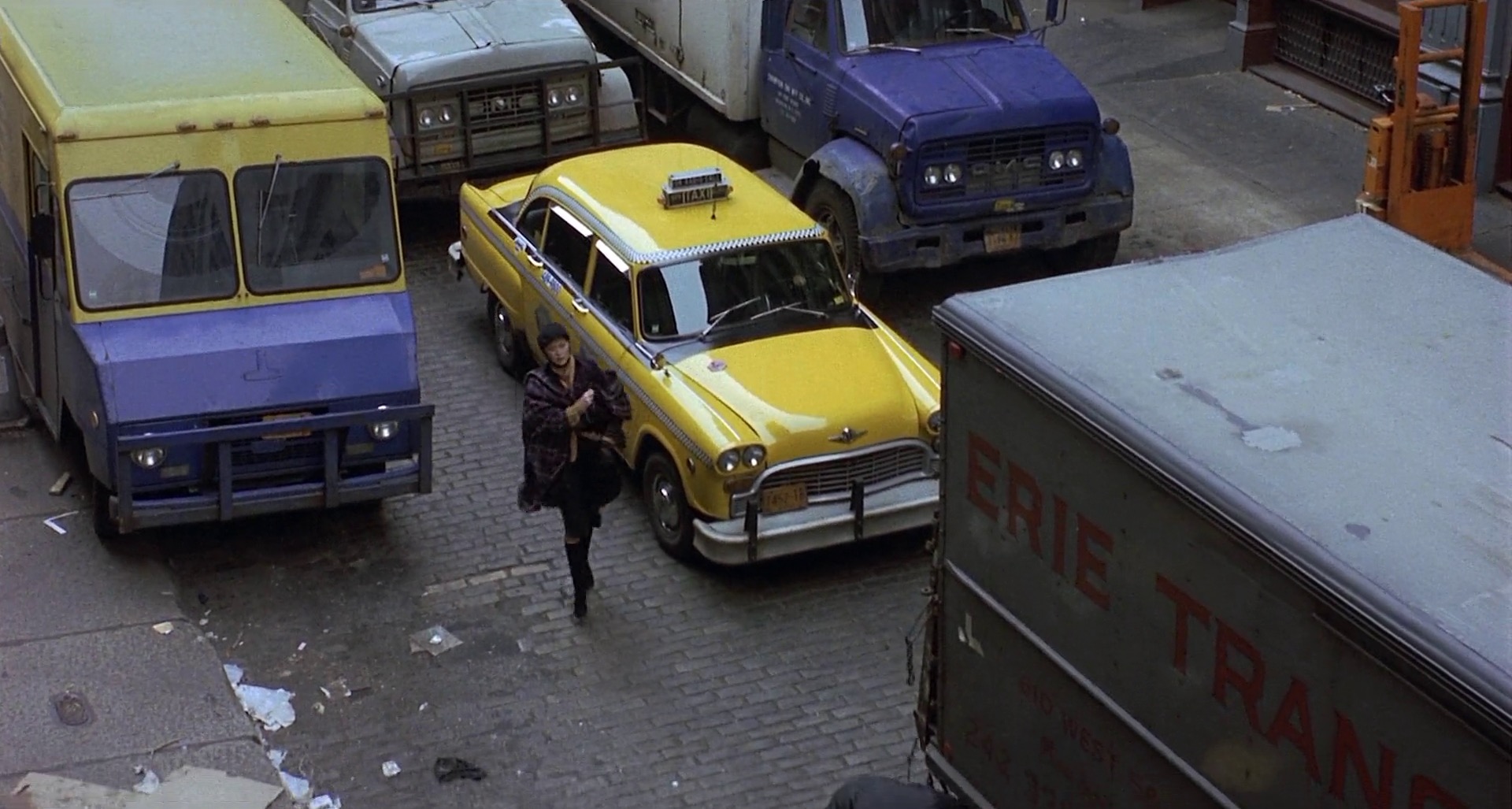
There is this sequence in Laura Mars (image above) when Faye Dunaway crosses a street jammed with cars, one of them a yellow cab. One of Helmut Newton’s photographs of New York is shot from a balcony overlooking a street scattered with cars, one of them a yellow cab. On the balcony, a naked woman lies on the floor, face down, in an odd position, possibly the consequence of a violent act. This image could easily be a vision of Laura Mars. Because her photographs constantly insinuate themselves into her life.
 

Faye Dunaway in “Eyes of Laura Mars”, 1978. Columbia Pictures

 
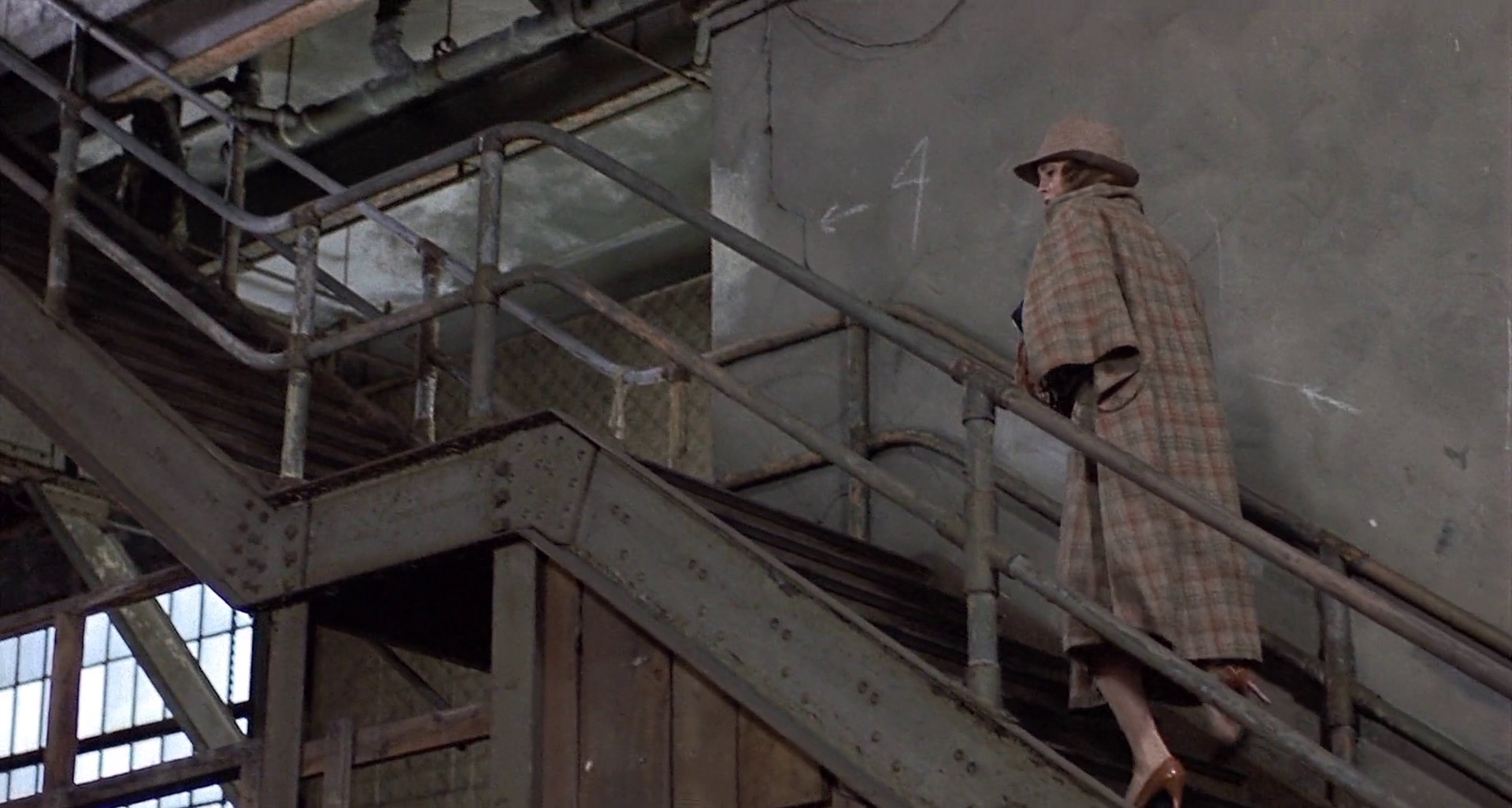
Despite her overtly sexual and violent images (does she see fashion as fake as it really is, highlighting the act of looking?), there’s restraint in Laura Mars. And I think that again speaks about the seriousness of her work. She is a professional. She is serious about her work and in complete control. She is super-cool and always elegantly dressed (the film was costumed by Theoni V Aldredge, with Bernadette C Mann in charge of Faye Dunaway’s wardrobe) and always covered up: crepe-de-chine blouses, turtle-neck sweaters, capes, high boots. Even her double side slit skirts are part of her look for a reason: they afford her freedom of movement when she takes photos. Her clothes are a rendition of 1970s glamour, the discrete, refined part, not the provocative disco decadence. Actually, Laura Mars’ wardrobe recalls to mind that of another die-hard professional played by Dunaway, from a completely different field, the television executive of cunning ambition and lack of feeling who lives for her career Diana Christensen in Sidney Lumet’s Network (where her 70’s working-woman costumes were once more designed by Theoni V. Aldridge). “I chose very carefully how my characters would be remembered,” Faye Dunaway revealed in an interview for Vogue, in 2018. “I still have a strict eye for detail.” Laura Mars is a product of her time, but also of what she makes of it.
 

Faye Dunaway in “Eyes of Laura Mars”, 1978. Columbia Pictures


Editorial sources: Helmut Newton Foundation / Helmut Newton: Photofile, by Thames and Hudson


MORE STORIES

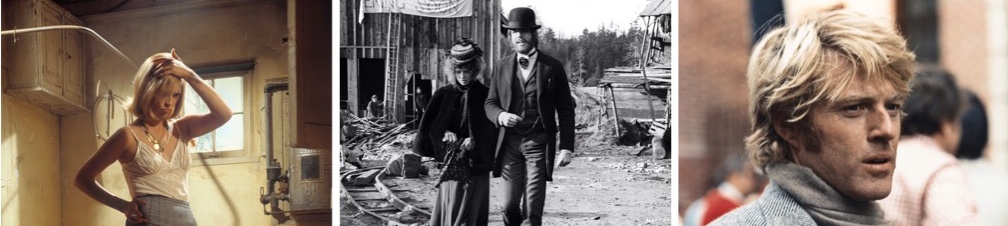
A Southern girl who was dying to get out of the South:
Faye Dunaway in “Bonnie and Clyde”

Revisioning the Western female character: Julie Christie in “McCabe and Mrs. Miller”

Talking film costume: Robert Redford in “Three Days of the Condor”

Posted by classiq in Film, Film costume | | Comments Off on Talking Film Costume: Faye Dunaway in “Eyes of Laura Mars”