Wonderlands

Peter Pan remains the book that challenges my imagination and childhood wonder more than any other.
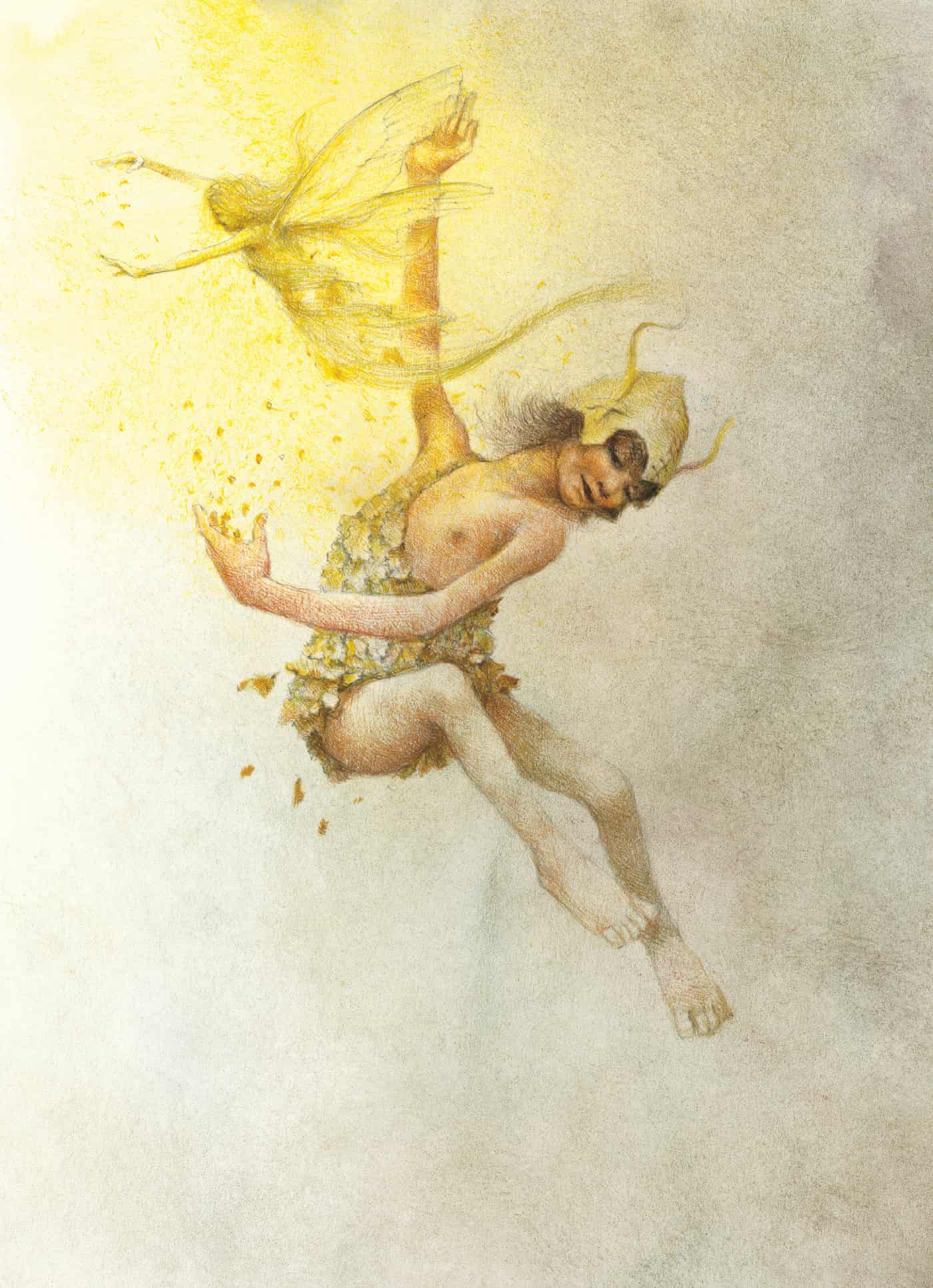
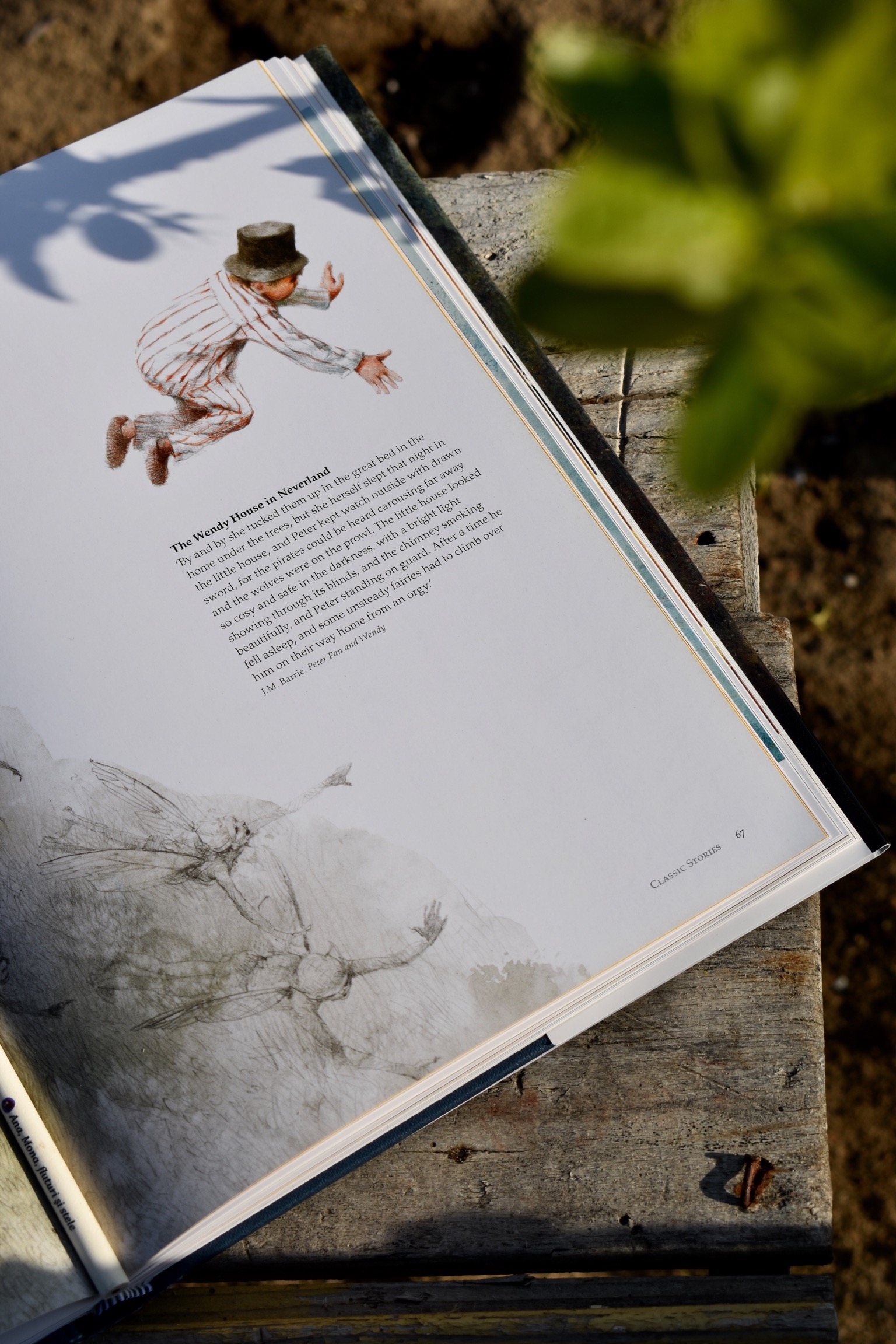
Robert Ingpen illustrated this edition published to commemorate the centenary of the first publication of
J.W. Berrie’s “Peter Pan and Wendy” and launched his series of illustrated children’s classics. NLA Publishing


“All children grow up, but some, the wild ones, the ones with a light in their eye, escape.” – Peter Pan
 

What can be more nurturing for children’s imagination than to lose themselves completely in picture books and reading?

This March, two of the important children’s books events took place. The Hans Christian Andersen Award, founded in 1956 and held every two years, the highest international distinction for children’s books authors and illustrators, and the Astrid Lindgren Memorial Award, at its 20th anniversary this year, which is given annually to a person or organisation for their outstanding contribution to children’s and young adult literature. This year’s Hans Christian Andersen Award winners are Marie-Aude Murail (France) as author and Suzy Lee (Republic of Korea) as illustrator, and the Astrid Lindgren Memorial Award laureate is picture book author Eva Lindström (Sweden).

The month of April also debuts with a celebration of children’s books, the International Children’s Book Day, held on the birth day of Hans Christian Andersen, April 2nd. So I thought the timing was right to properly start exploring the wealth of art and writing for children’s books – a subject I have periodically covered but not as often as I would have liked – on the site, a place where dreaming, creativity and storytelling play center role. I will be hosting interviews with writers and illustrators, as well as feature the work of all-time favourites, and today I will begin with one of them. Robert Ingpen.

For more than half a century, Robert Ingpen’s illustrations have helped bring stories to life and have kept children dreaming. In 1986, Robert Ingpen was awarded the Hans Christian Andersen Medal for his contribution to children’s literature. From Peter Pan’s Neverland to Alice’s Wonderland, from the Treasure Island to Oz, he has taken generations of children in wondrous, thrilling, fascinating journeys, keeping them curious. Whether through his illustrations for some of the most beloved classic children’s tales or his own stories, Robert Ingpen has made children believe. His illustrations are the bridge to the dreamland we forget to visit when we grow up. I am trying to keep that gate open all the time. It is a good thing to not know everything. Children walk that border between reality and fantasy every day and Robert Ingpen’s images helps everyone reading those stories never really leave that realm of the childhood imaginary. And he lets each story lead his drawing, never imposing his ideas but creating an imaginative space in the book for the reader.

In the books written by himself, the landscape and culture of his native Australia often inform the plot – The Voyage of the Poppykettle, about a band of Peruvian fishermen who fled persecution to land on the shores of Ingpen’s native Geelong, Australia, and even inspired is The Poppykettle Festival, a two-day arts event for children that takes place each year in Geelong – and a passion for conservationist and heritage has run through his works since early on. This passion for the environment is also what brought him and writer Colin Thiele close, forging an enduring friendship and collaboration. Robert Ingpen illustrated the second edition of the author’s already classic Storm Boy, a story that, gently threaded with a message about nature and compellingly accompanied by Ingpen’s illustrations, is the right way to get through to children. And that is the power of storytelling.

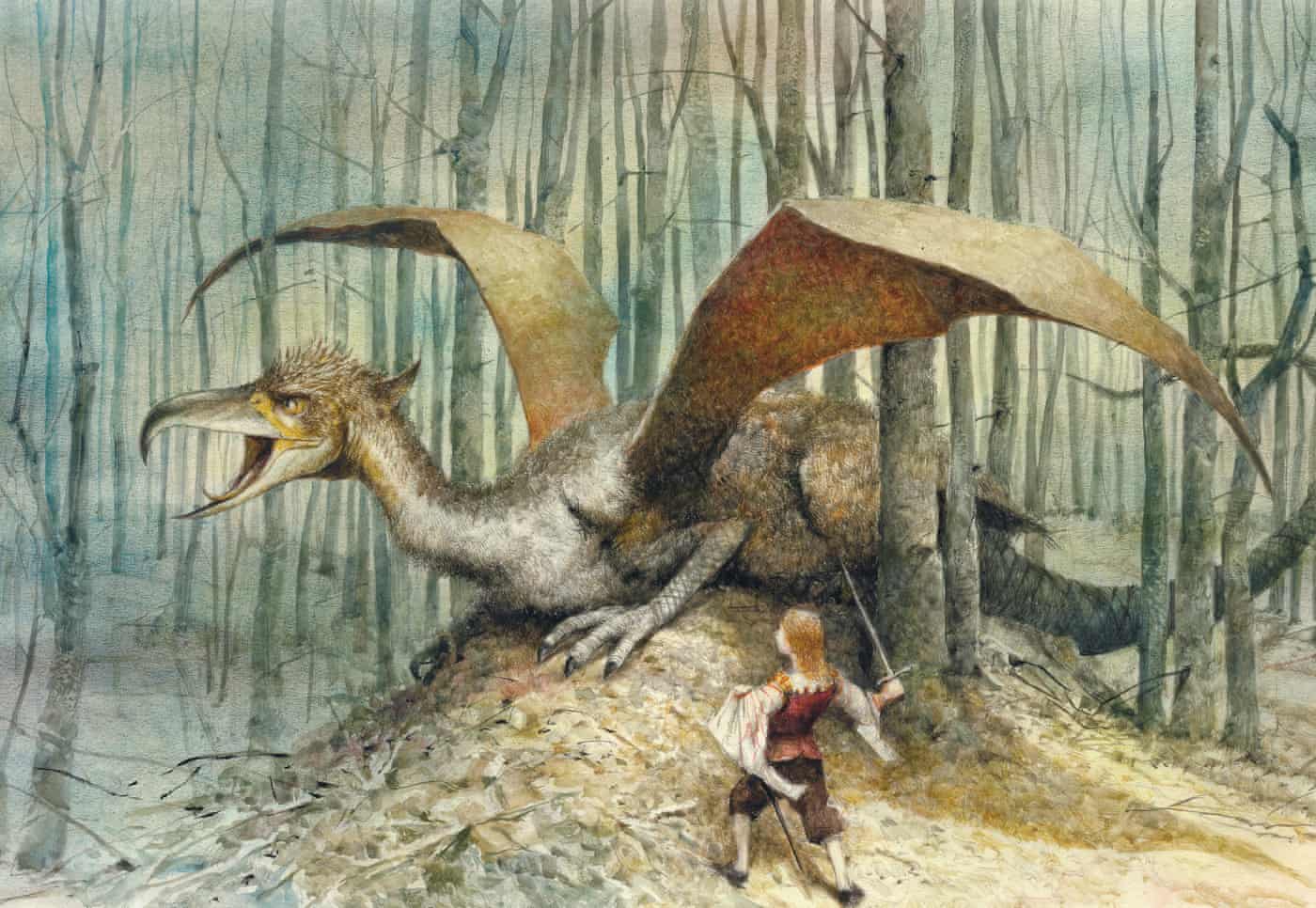
Wonderlands: The Illustration Art of Robert Ingpen is a celebration of Robert Ingpen’s work as an illustrator and storyteller, told through his own notes, original sketches and illustrations both from the series of 14 classic children’s tales he has reinterpreted and also some of his own characters, and revealing the places, stories and people that inspired him along the way. But Robert Ingpen’s drawings truly belong in the books he helps reimagine or creates, forever weaving the texts into children’s sparkling eyes and into their lives, and for those of us who are fortunate enough, who can get away into adulthood without losing our childhood sides for good, into our lives, too.


“I behave like an illustrator who wants to be a craftsman,
rather than a fine artist with a fine ego.”


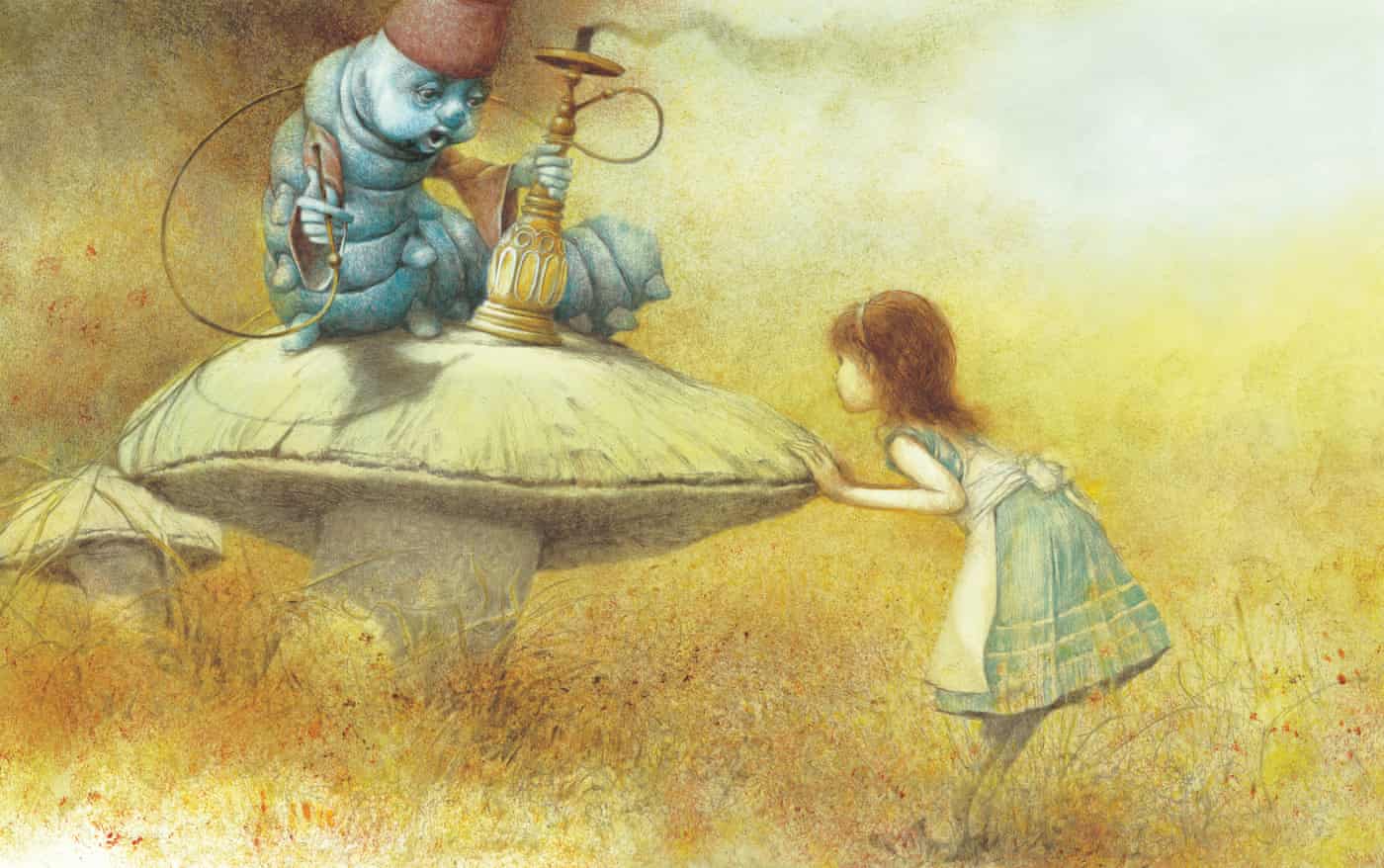
Down the rabbit hole… How better to evoke that dreamlike state of Lewis Carroll’s Alice in Wonderland than
Robert Ingpen does with his hazy backgrounds, inducing a constant state of reverie and bewilderment?
And I have never seen a child’s gestures and body language come alive as in Ingpen’s drawings of Alice. NLA Publishing


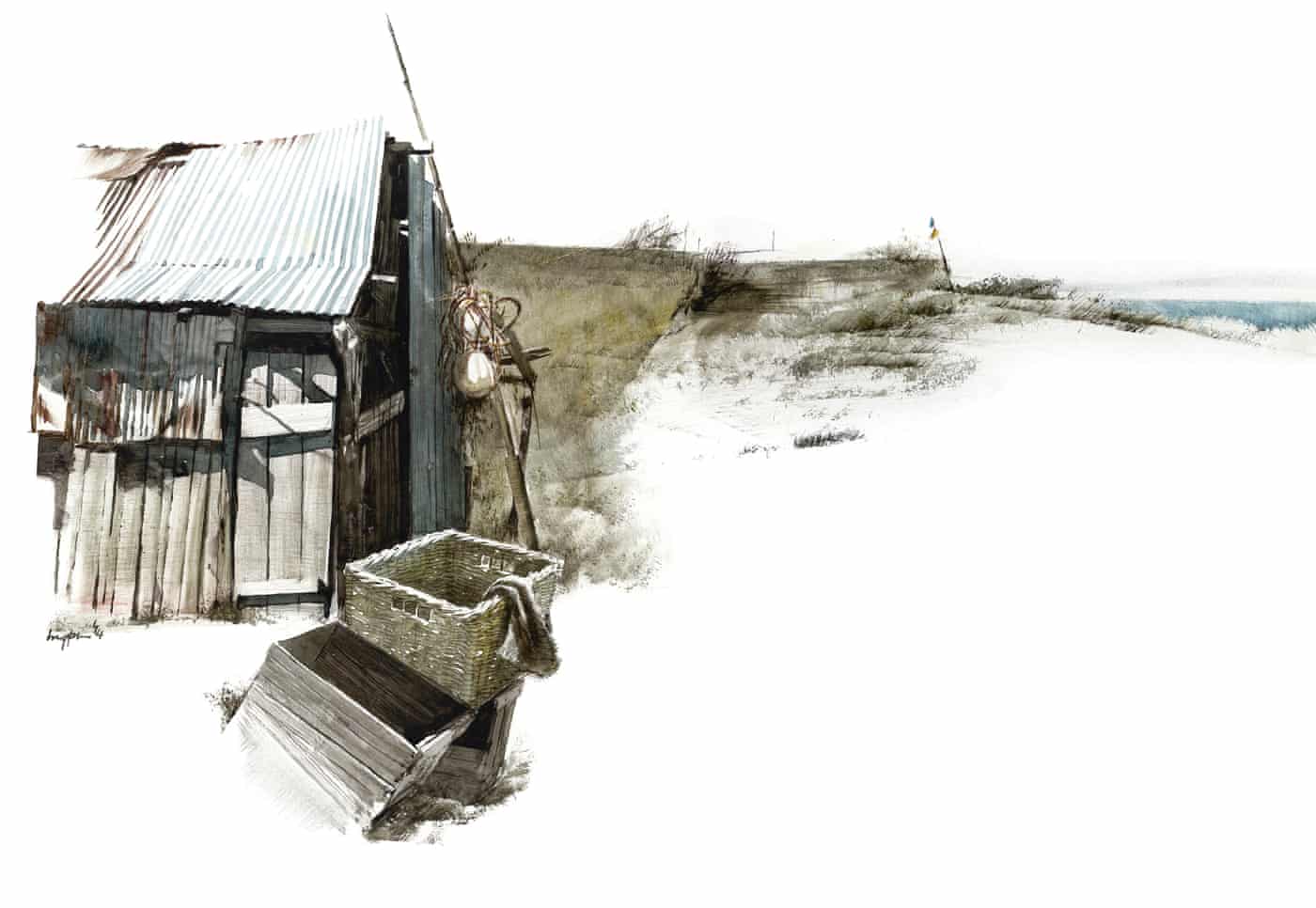
The beach and the lonely shore shape the world of ”Storm Boy”. The book was Ingpen’s start for his collaboration with
writer Colin Thiele and the launch pad for his career as a children’s books illustrator. NLA Publishing


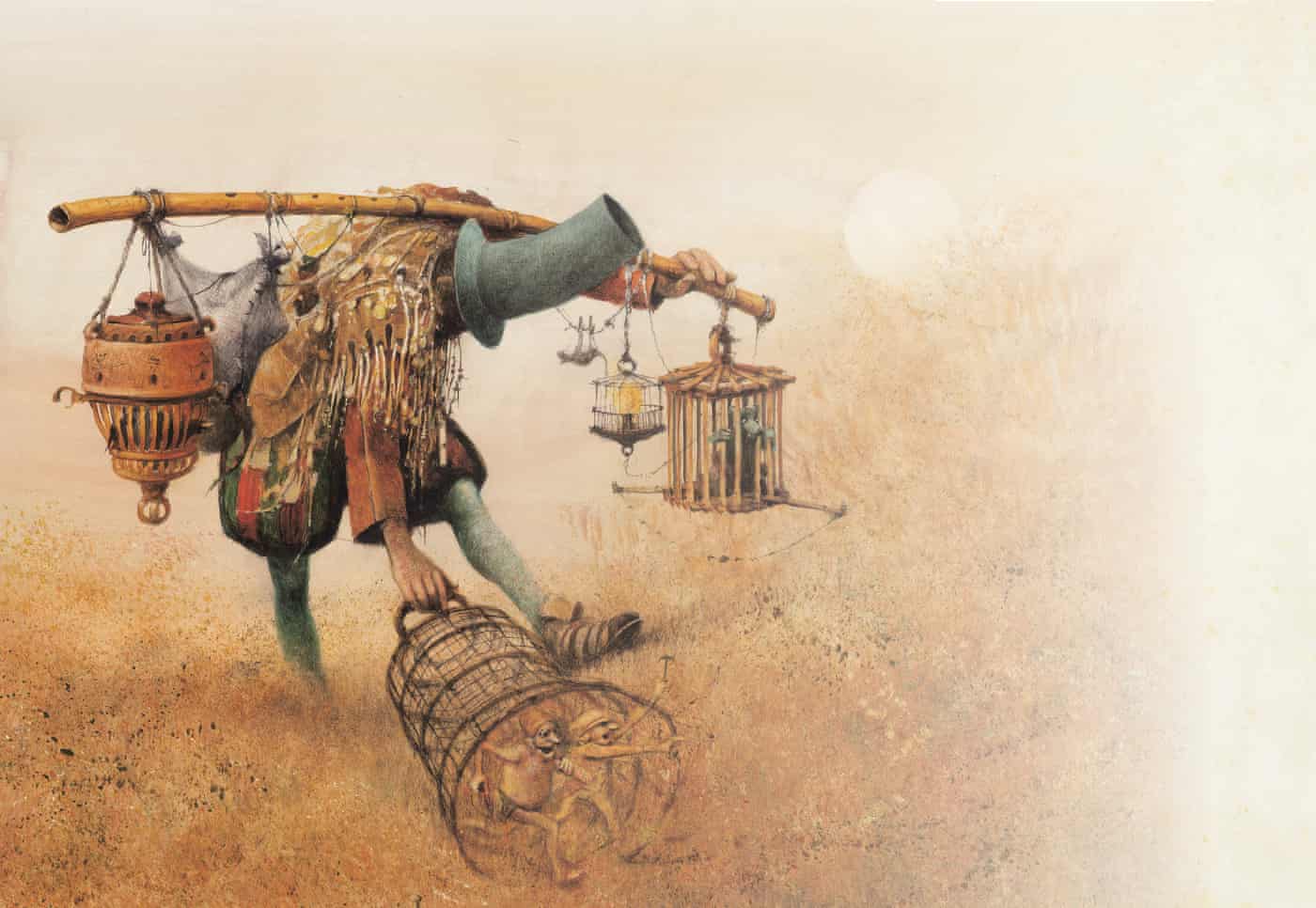
Somewhere in the place between being awake and asleep lives the Dreamkeeper, who uses tricks and traps to lure and capture the creatures of our dreams before they can escape to reality. “The Dreamkeeper” was written and drawn by Robert Ingpen.
The book Wonderlands also includes a beautiful letter written by the artist to his granddaughter with regard to the character
of The Dreamkeeper. NLA Publishing


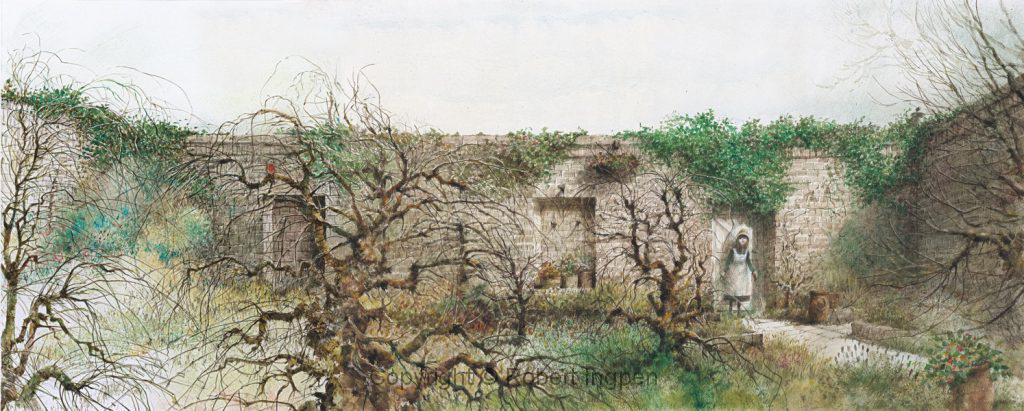
There is a dark undercurrent in Robert Ingpen’s drawings for Frances Hodgson Burnett’s classic, “The Secret Garden”.
Just like the story itself has both beauty and darkness in it, chartering so genuinely
the main character, Mary Lennox, letting her shine in her own time. Robert Ingpen


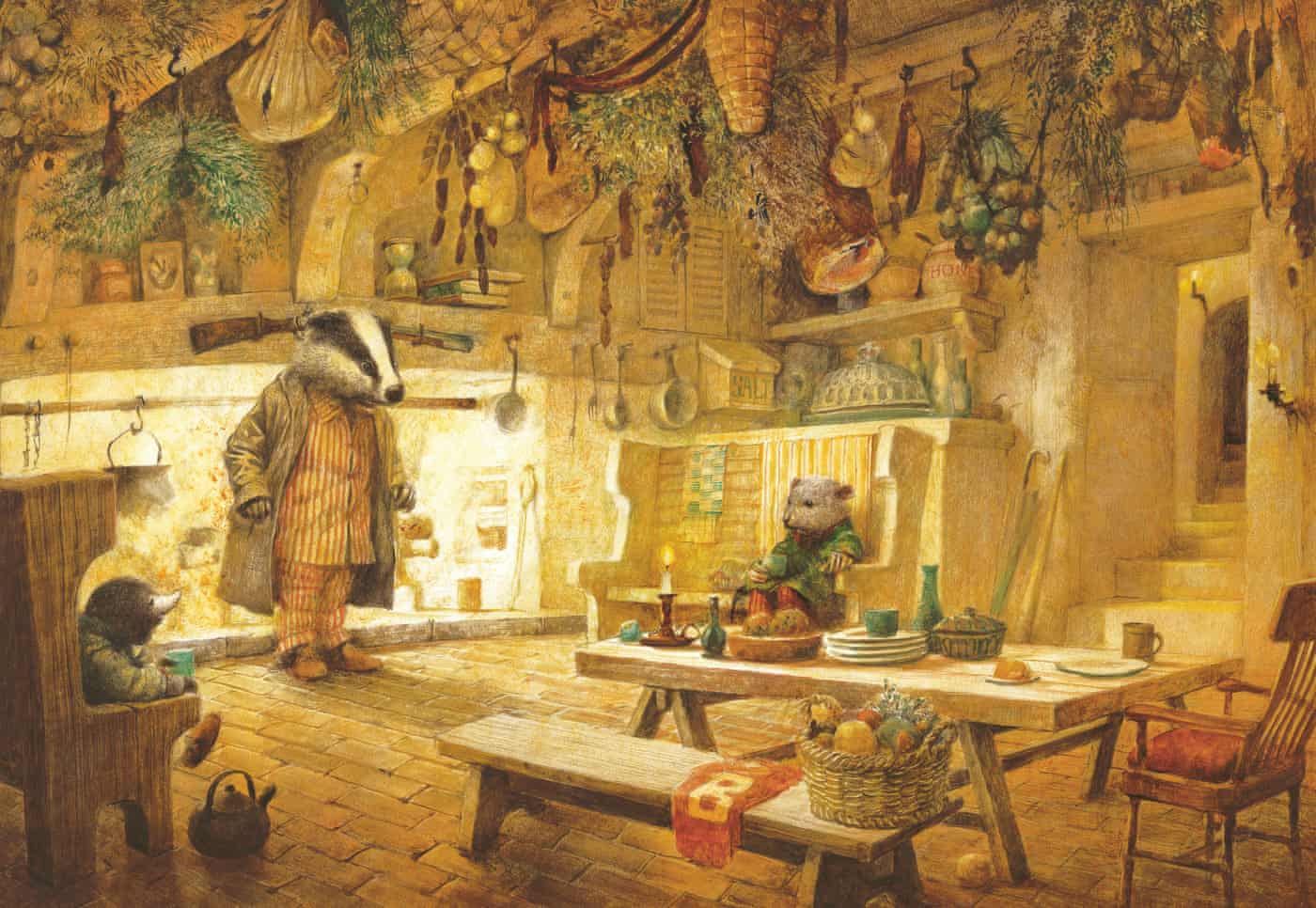
You get lost in the warmth of Badger’s kitchen and every little detail so thoughtful crafted by Robert Ingpen. His drawings simply make you rediscover Kenneth Grahame’s beautifully crafted story, originally illustrated by E.H. Shepard.


The imaginative “Just So Stories” of Rudyard Kipling, vividly brought to life.
“Pau Amma is trying to make Magic, but he is only a silly old King Crab, and so he can’t do anything.
You can see he is all legs and claws and empty hollow shell.” Robert Ingpen, Wonderlands


”Why, sometimes I have believed as many as six impossible things before breakfast”. Children understand why.
Alice through the Looking Glass. NLA Publishing


“I just want to make pictures that help get messages across
and tell stories and, if children are involved, I want to be able to
have them maintain their natural imagination for as long as possible.”


”Wonderlands: The Illustration Art of Robert Ingpen. NLA Publishing


Quotes by Robert Ingpen, NBC Australia

Note: For the books written and/or illustrated by Robert Ingpen, please check with your favourite independent local bookshop. If you don’t have a favourite indie bookstore, here is how to find one you can support.
 

MORE STORIES

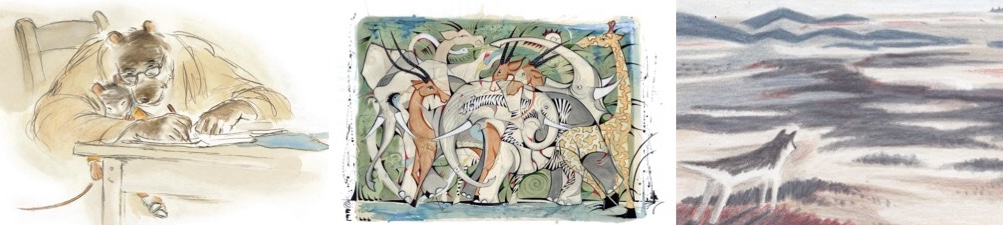
Beyond Ernest et Celéstine: The art of Gabrielle Vincent:
In conversation with Fondation Monique Martin

A new favourite children’s book: The Wolves of Currumpaw

Making art and creating awareness: Interview with Alex Bard

Posted by classiq in Art, Books, Children’s illustration, Culture | | Comments Off on Wonderlands

Emotionally Caged and Extravagantly Clad: The Bitter Tears of Petra von Kant

Margit Carstensen, Hanna Schygulla and Irm Hermann in “Die bitteren Tränen der Petra von Kant”, 1972.
Filmverlag der Autoren. Tango Film


The Bitter Tears of Petra von Kant is at its 50th anniversary this year and it deserves to be celebrated. It’s one of the films that made me aware of the creative process that is filmmaking, one of the films that made me love cinema. It remains my favourite Rainer Werner Fassbinder film. Seductive and beautiful and very stylised, it’s so impeccably done that it becomes a work of art. Timeless. Watching it, you get a sense of witnessing something very unique being made. That’s not to be read as an element of artificiality, but as a very rare thing. The costumes, especially Petra’s, are very stylised, too, but again a very rare thing happens; you relate to the character. Because what happens, as Fassbinder himself confessed, is that people identify with Petra, because “everyone has experienced pain in love and has wished (naturally enough) for a greater love than it was possible to have… most people suffer because they are incapable of really expressing their grief.”

Harry Bär, the assistant director, remarked that this “is a very important film, because the viewer is bound to realise pretty quickly that it’s a camouflage,” referring to how Fassbinder drew from his own life to portray the characters. “The part that Margit plays is, of course, Fassbinder himself, and the part played by Hanna is actually Günther Kaufmann. The silent maid is actually Peer Raben. That’s how you have to see it. And Fassbinder wrapped all this up very cleverly into the whole cultural problem which he had with himself. We laughed a lot during filming because I had heard all the lines in this film before. We had witnessed some of the scenes of jealousy in Fassbinder’s life, and sometimes we recognised sentences that had actually been said.”

A reproduction of Nicolas Poussin’s 17th century oil painting Midas and Bacchus fills a bedroom wall, presiding over every aspect of Petra von Kant’s love and professional life. Petra (Margit Carstensen) is a successful fashion designer, with two marriages behind and an absent daughter brought up in a boarding school. She spends her time secluded at home, in a luxurious apartment, with Marlene (Irm Hermann), her faithful, silent assistant, an ever-present onlooker, a ghost-like figure always dressed in black, who obediently carries out Petra’s daily work tasks and authoritarian orders. Told in four acts, the film is based on the director’s own play, but there is nothing theatrical about Fassbinder’s story of anguish and tormented desire, of attraction and repulsion. The apartment is just a brilliant setting for revealing the claustrophobic angst of human relationships.


Margit Carstensen and Katrin Schaake in “The Bitter Tears of Petra von Kant”, 1972.
Filmverlag der Autoren. Tango Film


We are introduced to Petra von Kant as a woman in complete control of her life. She is conducting her business from her bed, takes care of her mother’s financial needs over the phone, and imparts with superior and cynical demeanor her love experiences. But when she meets Karin (Hanna Schygulla), a 23 year old up-start cover girl, Petra becomes infatuated with her. She makes up her mind to be her patron and help her make something of herself while keeping Karin under her control. Psychological domination and will to power are Petra’s strengths. Her view on love is also from a point of superiority and cold calculation, but her desire for a woman throws her off balance for the first time in her life, as she measures the worth of her existence in Karin’s feelings for her. And there’s not much to be found there. Karin leaves, which almost brings Petra to ruin. But at the first word from Karin, Petra reclaims herself and frees herself from the corrosive attachment and destructive fascination with her protégée.

Margit Carstensen delivers, truly, one of the greatest performances in cinema. Watching her is discovering one of the greats of film. She holds the screen, whether it’s through what she does, the way she moves or the way she talks. The way she says “bitte”, for instance… Die bitteren Tränen der Petra von Kant wouldn’t have had the same effect in English. When you say “please” in English, it doesn’t sound too demanding, nor affectionate, no mater how many inflictions in your voice you may try to find. When Petra says “bitte”, there are so many different emotions that she can speak, from common good manners courtesy, to nasty demand, to insinuating silkiness. Even when she makes a kind request, that double consonant in the word comes out very strong. I wish that every time someone has asked me why I found the German language beautiful, I had referred them to watch this film. I am sure Fassbinder’s films are one of the reasons why I love German.


Margit Carstensen and Irm Hermann in “The Bitter Tears of Petra von Kant”, 1972.
Filmverlag der Autoren. Tango Film


With every act, there is a change of costume and wig, and with it, Petra assumes a new identity, each one dictated by her will to power, or egotism, or possessiveness, or desperate obsession. The elaborate couture worn by Petra, designed by Maja Lemcke, the way she carefully applies her make-up and puts on her wigs evokes a strong sense of self and a fabulously constructed identity. A guarded character that hides so many facets behind.

The changes of costumes echo the ever evolving nature of a human bondage. Except for Marlene, who is eternally clad in black, eternally resigned to her condition, Petra and her guests all wear fur-trimmed collars in the first act. Behind the fur-trimmed lavish loungewear, Petra is a great pretender, in complete control. In the second act, she wears an over-the-top costume, a sharply metallic conical bodice with a chiffon skirt that Marlene helps strap to her legs with leather bands. Petra becomes more and more attached to Karin. In the third act, she wears a ruffled dress, subtly echoing a harlequin costume – the image of Petra, red wigged and with a tear streaming down her face, is unforgettable. The doll-like nature of their relationship is reversed, and Karin, lazily lying on the bed, is in control and pulls the strings like a puppeteer. In the final act, Petra is wearing an off-the-shoulder emerald green dress. The colour stands out even on the background of the wall mural. In the apotheosis of her despair, Petra draws the viewer’s eye even more powerfully towards her. Her pain cuts deep, and the green dress and the red flower tightly tied on a black band around her neck make the viewer perceive that. She displays a feeling that is so crude and so innocent that it’s hard to swallow.
 

Hanna Schygulla in “The Bitter Tears of Petra von Kant”, 1972. Filmverlag der Autoren. Tango Film

 
Every scene is meticulously built, with Petra melding into each composition, resembling still photographs, suggesting Petra’s entrapment in her own emotions, where darkness prevails over lightness and decor operates like prison bars, confining her to her apartment and distancing her from the others. Fassbinder made the design himself, he confessed, every colour and image carefully thought out and prepared. Petra’s life-size mannequins are always present, motionless and lifeless silhouettes repositioned throughout the film, as if freezing whatever emotion our main character projects. But not even their presence do I find theatrical. Nor the dialogue that often becomes a monologue. This perfect mesh of words and images is part of Rainer Werner Fassbinder’s unparalleled style. Have I mentioned the music? Each act is not only punctuated by a different costume, but by a different song, too, which is a great way to use music in film and to walk you through the stages of a character’s evolution. There are four musical themes in total, if we don’t count Marlene’s relentless typewriting repeatedly heard in the background: The Great Pretender, by The Platters, Smoke Gets into Your Eyes, by The Platters, Un di félice from Verdi’s La Traviata, In My Room, by The Walker Brothers.
 

Margit Carstensen in “The Bitter Tears of Petra von Kant”, 1972. Filmverlag der Autoren. Tango Film

 
Fassbinder understood how women feel and he portrayed them well, Irm Hermann (Marlene in the film), who was romantically involved with the director for many years, affirmed. Margit Carstensen further concurred that Fassbinder understood women’s psychology, that he knew all about it, and that he himself had a feminine side, admired women and gave them his full attention. The truth is that there is a sensibility to his female characters that is hardly explored by other filmmakers. Even if they are devoid of sentimentality, there is a truthfulness, and a tenderness and a profoundly wholehearted side to them that only he was able to show us. The Bitter Tears of Petra von Kant is formed of love streams and there is nothing more intense and more real than that. That’s why it’s so relatable, even if the cruelty and suffering are amplified, even if the setting is very artistic. Maybe because he was such a sensitive soul and lived in a constant state of extremes and excess. Most definitely because he was brilliant at what he did… movie-making.

“You have to make films that are seductive, beautiful, about emotion or whatever…”


Margit Carstensen in “The Bitter Tears of Petra von Kant”, 1972. Filmverlag der Autoren. Tango Film


Editorial sources: “Role-Play: Women on Fassbinder”, a 1992 documentary including interviews with Margit Carstensen, Irm Hermann, Hanna Schygulla and Rosel Zech / Interview with Rainer Werner Fassbinder by Tony Rayns, Sight & Sound, 1974


MORE STORIES

Talking film costume: Faye Dunaway in “Eyes of Laura Mars”

The Lost Daughter: In conversation with costume designer Edward K. Gibbon

Breaking the rules of a leading lady: Bette Davis in “The Letter”

Posted by classiq in Film, Film costume | | Comments Off on Emotionally Caged and Extravagantly Clad: The Bitter Tears of Petra von Kant

Read Instead…in Print


A photo of a good book about cinema. No discursive, pretentious analyses, no verbose scrutiny. Because the idea is to invite you to read the book, not read about it here. But instead of using social media, I use my journal. Back to basics. Take it as a wish to break free of over-reliance on social media (even if it’s just for posting a photo of a good book) for presenting my work, cultural finds and interests. These are things to be enjoyed as stand-alone pieces in a more substantial and meaningful way than showing them in the black hole of Instagram thronged with an audience with a short attention span. This is also a look through my voluminous collection of books about film that I use as research in my adamant decision to rely less and less on the online and more on more on print materials.

Read instead…in print #10.


“Remain free in a world where freedom is hounded down,
alone in a world where individuals abandon their individuality to the group,
alert in an inattentive world, fearless in a world driven by fear.”


Jean Cocteau’s collection of writings on film, Du cinématographe (The Art of Cinema), is bold, witty and discerning. He questions some of the most fundamental concepts about cinema and I relate to his opinions entirely. Cinema as ‘escapism’ is one of them. “I am rather surprised whenever I hear people chatter on about ‘escapism’ in cinematography, a fashionable term which implies that the audience is trying to get out of itself, while in fact beauty in all of its forms drives us back into ourselves and obliges us to find in our own souls the deep enrichment that frivolous people are determined to seek elsewhere.” Cinema as ‘art’ is another one. Cocteau was one of the most individualistic of the French directors and promoted the idea of cinema as art – distinct from what is usually known as ‘art cinema’. He disliked the elitism of art cinema. His cinema as art is about motion pictures which are full of a myriad of artistic possibilities, something that is rarely explored in contemporary cinema today. To be honest, I have always been of the opinion that art movies are made for critics. Cocteau disregarded critics and placed his faith in the audience, in the collective experience of movie going, something I can not stress enough in this day and age. “Critics have no hold over it [beauty]. […] Critics can not hear it because the roar of current events clogs the ears of their souls. A mass audience is without preconceptions. It never forms a judgment based on the author or the actors. It believes in them. This is the childhood audience – and the best.”

A brilliant mind and visionary artist, Jean Cocteau thought the heart presided over the intellect. And so it should, shouldn’t it? He often referred to his work – an unequalled variety of artistic expressions, from filmmaking, to theater, sculpting, painting and literature (he even designed sets and ballets) – as poetry, “but not that which relates to verse, but rather a lyrical sensibility rooted in intellectual integrity and hard work”. That kind of poetry, I understand. His films had an ethereal beauty and elegance and he wanted them to appeal through images rather than words because that’s the real style of a film. He was not inspired by facile anti-Americanism and his writings show his eclectic taste in movies. Cocteau believed in his art and in his films and in his feelings and in the artist and in the medium of cinema. There’s a lot to be learned from that.


“People use the word ‘genius’ with too much restraint.
It is not the sole prerogative of the Goethes and Shakespeares of this world.
Genius extends through the whole range of humanity. Stendhal uses the word
in referring to the exquisite ease with which some beings move and act.”


MORE STORIES

The Lost Daughter: In conversation with costume designer Edward K. Gibbon

Read instead…in print #8: Once Upon a Time in the West: Shooting a Masterpiece

The undesigned outfit, the new symbol of American maleness:
Marlon Brando in A Streetcar Named Desire

Posted by classiq in Books, Film, Read instead...in print | | Comments Off on Read Instead…in Print

The Lost Daughter: In Conversation with Costume Designer Edward K. Gibbon

Olivia Colman in “The Lost Daughter”, 2021. Netflix


In one of the best films of last year, The Lost Daughter, Maggie Gyllenhaal, at her directorial debut, explores the complexities of motherhood. The film is an adaptation of Elena Ferrante’s novel by the same name and has as center character a terrific Olivia Colman as Leda, a middle-aged university professor in Cambridge, Boston, specialised in Yeats and Italian literature. While on a work holiday in Greece, Leda meets the big and noisy family of Nina (Dakota Johnson), the young mother of Elena, and she starts ruminating on her own choices as a mother of two daughters. In flashbacks, we get to know the character’s younger self (played by an equally terrific Jessie Buckley), a young mother of two, in a frail marriage, trying to get a start of her career. Bold and sincere, the film impresses with the emotional rawness it unearths and the incredible depth it plunges with into womanhood and motherhood.

From the very first musical sound, the film gets a hold of you. Leda is driving her car upon the arrival on the island, close-up on her face, classic sunglasses on, repeatedly taking her eyes off the road to take in the view through the open window. On the soundtrack of Dickon Hinchliffe, a theme that will carry all the memories acquired in this scene again and again throughout the film, the immediate feeling is that you are meeting this interesting and timeless character for the first time and you want to get to know her better. This is the woman who, a little later on, is asked by Nina’s family to move sun loungers on the beach so that they have more room for a birthday party. Leda bluntly refuses. Just like that. It’s a watershed moment for the viewer and an incredibly honest moment for the character, preparing us for Leda’s confrontation with her unsettling past and eminently human flaws of a mother. And with it, the feeling of wanting to get to know this character who almost never relaxes the tension between her assurance and her self-consciousness only deepens.

And as with all good films and their many moving parts that harmoniously come together, the costumes are part of the gateway to the character, a fundamental yet subtle and gentle piece to put the story on. I am honoured to have costume designer Edward K. Gibbon (whose film work includes London Road, starring Olivia Colman, and The Luminaries mini-series) as my guest today, talking about the film and his work.


“The Lost Daughter”, 2021. Netflix


Edward, first of all congratulations on your work on The Lost Daughter, which is truly such a great film and one of the best of last year. How did you come to work on the film?

I’m so happy that you enjoyed The Lost Daughter, it is such a unique and special film. I had already worked with Maggie in the UK a few years back on another brilliant production for the BBC, called The Honourable Woman. That had been such a rewarding job for me creatively and personally and we had stayed in touch. When I heard that Maggie was writing a screenplay for The Lost Daughter, I was really excited, as it was actually Maggie who had introduced me to the work of Elena Ferrante. So when it seemed like the movie was really going to happen, and, even more excitingly, Maggie was going to direct (at Elena Ferrante’s request!), I wrote to her straight away and just asked if maybe she would consider me. Maggie wrote straight back and we started talking. Then the world shut down with the pandemic, but we carried on talking and then suddenly we were in Greece!

 
And it’s in Greece when are introduced to Leda, the main character, played by Olivia Colman, as she drives her car on the background of the beautiful score by Dickon Hinchliffe and the feeling is that she is this classic character that you can not really place in a particular time and place. We find out she is a college professor and her costumes are of a subtle sophistication, in a limited colour palette, they have a timeless appeal. What was the inspiration behind her wardrobe? Did you follow the script, did you seek for inspiration in Elena Ferrante’s book, too?

It’s interesting because there are some scenes that we shot that didn’t make it to the edit. These took place in the US and we saw Leda going about her everyday life, teaching, etc., where we had a chance to kind of establish Leda more directly and then to see her on vacation. I’m glad you picked up on the timeless nature of Leda’s wardrobe, because that was definitely something we hoped to achieve. Maggie and I talked and traded images back and forth as the world went into lockdown. We were looking at images from all over, from Italian films of the 60s, 70s by Fellini and Antonioni etc., the films of Bergman, and classic holiday styling from iconic fashion shoots. We were keen to keep Leda understated but also to give her an iconic silhouette and texture. To present a woman who is in control and who knows her style, and in a way has limited her choices by restricting her colour palette. Ferrante’s writing is always very visual without being specific and the characters have a very definite tone, which was also very clear in Maggie’s brilliant adaptation.

 
It’s exactly the films of Antonioni, especially L’Avventura, and Bergman, especially Persona, that I thought of when I watched the film and the character of Leda on the island. It’s interesting that the scenes you shot in the US establishing the character more directly didn’t make the cut, but I think that benefits the film and the mystery of the character. Are the directors usually a big part of the costume process or is it more a conversation about characters and their evolution?

It’s always great to work with a director who has a very clear vision of what they are trying to achieve with their movie and for them, then to invite you in to help them create their vision. Maggie is definitely this special kind of director, some directors maybe have less interest in the clothes. Maggie is really generous and appreciative, so the process is really collaborative. And I suppose always when you talk about clothes and how a character looks, you are talking about much more than that. So it is always really interesting to look for references from as far and wide as possible. On my boards, there are always paintings and architecture as well as film stills and fashion shoots.

 
I have to mention Olivia’s sunglasses, too, as they are a part of the character’s iconic look and actually part of the film’s look. Where did you find them?

They’re great, aren’t they? They’re vintage Phoebe Philo era Celine. We found them at a great vintage store in Athens called Bohbo.


Jessie Buckley in “The Lost Daughter”, 2021. Netflix


Then we slowly get to know Leda when she was young, played by Jessie Buckley, and what I particularly liked about the depiction of the character in these two stages of her life is that it’s like there are two completely different characters. Which makes perfect sense in fact. And the clothes reflect this. Because you kind of look for similarities and you hardly find any. Was this something you particularly aimed for?

Yes, it was definitely something we aimed for. It’s almost as though in the flashbacks we get to see very subtly the woman that Leda is going to become. We wanted the clothes to give an indication of young Leda’s life at the time and all the demands it was placing on her. The feeling that she has no time for herself reflects in the mismatched and slightly random wardrobe. But then we get glimpses of the real Leda that is yearning to emerge. When we see them at dinner in the country with the hitchhikers, Leda’s sensuality and deep emotional intelligence is awoken and her exposed back speaks of adventures to come. Then when Leda does begin an affair with Hardy, who responds to and feeds her brain as much as her body, we see her start to become the woman she can be. Her wardrobe takes on a slightly more polished, put-together look, neat shirts and knitwear and a blazer. I wanted this to just be a gentle link with the Leda that we see later on, sophisticated and in control.

 
The blazer and neat shirts look is so beautifully employed to mark that point Leda is in her life, as a young mother anxious to get her professional life going, and you kind of have this feeling of relief when you get to see the woman she can be. Were Olivia Colman and Jessie Buckley already cast when you started working on the costumes? Did you create their looks with Olivia and Jessie in mind?

I think Olivia was definitely on board and then Jessie came very quickly after. I had worked with both of them before (Jessie in War and Peace and Olivia in London Road and Skins) so I was already familiar with their physicality and the way they wore clothes which was really helpful.


Left: Edward K. Gibbon sketches for the character of Leda. Right: Olivia Colman in “The Lost Daughter”, 2021. Netflix


Has it ever happened that an actor felt that he/she fully got into their character only when they tried on their costume?

Costume fittings are a really important part of the process for actors and it’s always a real joy to help them find aspects of their character this way. Often it happens that we are really the first people they meet on a production, after being cast. Sometimes we have even seen more of the script than they have so we know a little more about where their character is heading. And I think always once an actor puts clothes on that are not their own and it works, something clicks and it becomes real – rather than just talking or internalising everything.

 
When Leda happens upon the party on the island, it’s the first time we see her in a bright coloured dress. And it takes us by surprise, but not in the sense that you start looking for its hidden significance, but in a more subconscious way, which is in fact what good film costume does. What was the idea behind the dress?

That dress, which is actually a strong magenta, was kind of a wild card. I spotted it very early on in our marathon shopping adventure in Athens and then went back on our last day in the city and grabbed it. Amongst all the other elements of Leda’s tasteful capsule holiday packing, it felt like a kind of “fuck it, you never know“ last addition to the suitcase. Then, as we were working through Leda’s plots, it suddenly felt perfect for the dance sequence – to me, at least. I kind of expected everyone else to tell me it was too much! But nobody did, and when Olivia wore it so beautifully and effortlessly, walking the dark streets eating souvlaki, it felt very magical and hopeful, and then later on it also managed to almost seem sad.


The magenta dress, “the wild card”. The Lost Daughter, 2021. Netflix


Were you on the set every day? How does it usually work, is it different on every project?

Yes, I was on set every day for this movie, and I try to be as much as possible always. Sometimes it’s harder, as I need to be elsewhere preparing for new characters and scenes, etc. But because we were all on an island, it made it slightly easier. For me, it’s really important to be there as much as possible as often that’s when I have my best ideas! And to see how the clothes work in the settings and light to help me as we move forward.

 
A costume designer’s job is to reinforce the story and help the actor form an identity of his/her character. But what exactly goes into the work of a costume designer today? How much ready-made shopping, how much vintage and how much making did the costumes in The Lost Daughter involve?

I always try to have a good mixture of ready-made, vintage and bespoke making within my costume design. The very aim of costume design – especially in contemporary movies – is to create a wardrobe that looks real and doesn’t look like a costume, but at the same time needs to be a little bit “more”. So by pulling from all over it somehow feels more akin to how real people actually get dressed. For Leda’s wardrobe, we shopped in Athens, where there still are some great individual “boutiques” which have very particular edits plus a great department store with international designers. We also searched out lesser-known designers to help us – in particular Palmer/Harding and Winser London, plus some great Greek labels – Parthenis and Ancient Greek sandals. So there was already a very international/timeless feel to the selection. We then made several of Leda’s beach dresses and blouses and skirts. Young Leda was again a mixture of high street/vintage and a beautifully made crepe tea dress for the London scenes based on an Ossie Clark original (that we found in a Greek costume rental!) built by our wonderful Greek seamstress. With Nina, I wanted her to feel “ extra real“ in a way, so most of her clothes were high street with a few vintage pieces (including a great pale yellow leather skirt by Alexander McQueen) and second hand. We were keen that she didn’t look too “try hard“, so we mixed in pieces from her husband’s closet and well-lived-in streetwear. We also made dresses for the children and beat their clothes up to give them a well-lived look!

So I suppose the work of the Costume Designer is to try to look at things from every angle and not just the obvious one and come up with a solution. It’s to try to make natural what is already a rather unnatural process – the process of buying clothes for an imaginary person and then making judgments! I often find the way I make the best choices is from the corner of my eye, choosing things on the periphery of my vision that weren’t quite what I was expecting to like! But also the job of a Costume Designer is to know when to stop actually designing. To let the beauty of the scripts and the acting tell the story with just a gentle reinforcement from the clothes. This is always the ultimate goal to be a seamless part of a magical collaboration, and hopefully, we achieved that on The Lost Daughter.


Dakota Johnson in “The Lost Daughter”, 2021. Netflix


You absolutely achieved that. And I am not speaking just about the Leda character, but about the others, too, for example, Nina, whose wardrobe is so different than Leda’s and yet, as you said, it doesn’t look too “try hard”. And I find that very rewarding for the viewer, because the clothes, although they easily could if chosen badly, don’t distract your attention from the character. You keep things true and realistic because that’s what the film calls for. Nina admires Leda. Do you think she has Leda’s courage to emerge as a different kind of woman at some point in the future?

Thank you, I’m so glad you believed in the clothes. That’s always my aim. Interesting question! I think she still has a long way to go to disentangle herself from that family, but Leda has definitely awoken something in her and shown her other possible ways of living.

 
You mentioned the children’s dresses. When Leda returns to her children, she brings them white dresses. Is there a particular significance to that?

Maggie referenced the dresses being white in the script and I made it into a recurring, poignant, slightly subliminal theme throughout the film. Most obviously, we see Nina’s daughter Elena wearing a white dress in the toy shop scene – this time stained with ice cream. Originally, I had planned to build an identical dress for Nina in a kind of Beyoncé and Blue Ivy twinning way, but we felt it was too much and too try-hard for Dakota’s character. Then we see Leda in white at the beginning of her vacation and also on the beach at the end. It also echoes Leda’s referencing of Yeats’ poem Leda and the Swan.


“Most obviously we see Nina’s daughter Elena wearing a white dress in the toy shop scene – this time stained with ice cream.”
Edward K. Gibbon’s sketch for the originally identical white dresses for Nina and her daughter.

The white dress, a recurring theme throughout the film. “The Lost Daughter”, 2021. Netflix


How did you approach the male characters? Were there other sources apart from the script that you drew from when developing their looks?

It always starts with the script and, always for me, the feelings that I have from reading the script. The characters in The Lost Daughter are so well written and precise that they immediately formed pictures in my head. And also the casting was so great. Ed Harris’s character Lyle has a whole back story of living on another greek Island, Hydra, in the 1970s (where Leonard Cohen also lived for a while), so immediately there was a whole mine of reference to dig, looking at musicians and artists from that period who had kind of dropped out. With Will, Maggie was keen not to play on the cliche image of the lifeguard on the beach, so we wanted to make Paul Mescal much more understated and lived-in, as though he had come to Greece with just a few t-shirts and a couple of pairs of shorts, so everything was a bit worn and faded in the sun. For Professor Hardy, we looked to French intellectuals like Foucalt and Derrida and the rumpled sexy intelligence of Serge Gainsbourg, giving him a little bit of rock and roll swagger. And for Leda’s husband, we wanted to play up his Englishness in a kind of perpetual student-like way of dressing that is popular with a certain breed of English man. Implying almost an unreadiness to grow up and take on the responsibilities that come with being a parent.
 

And that work that went into writing and creating each character simply shows on the screen, because each of them rings true. Do you think that contemporary costume design may not often be acknowledged as it should be and that the audience can easily overlook the fact that in a good movie, nothing is left to chance, not even a t-shirt or Lyle’s cap?

Yes, I think that that sometimes is definitely true. I suppose in a period costume film, the work of the designer is more obvious and can be critiqued in a slightly more technical way (which I don’t happen to believe is always correct). As I mentioned before, the work is a fine line between being noticed and not too noticed! It’s very easy to go too far and it takes restraint (and again brilliant collaborators) to pull it back and to discard things that weren’t necessary.

I suppose also because everyone gets dressed themselves in the morning they assume that, in contemporary films, it’s just as simple. Whereas in many ways, it’s harder for exactly that reason. Contemporary audiences understand contemporary fashion way more than they do the clothes of bygone eras. And so they have their own immediate responses to what the clothes are saying (whether right or wrong), which they just don’t have with period clothes. Funnily enough, Lyle’s hat (which is a traditional Greek fisherman’s hat, worn all over the islands) nearly didn’t make it. It was the one thing that Maggie and I had different opinions about!


Olivia Colman and Ed Harris, as Lyle, in “The Lost Daughter”, 2021. Netflix


On an end note, could you tell me what you are working at the moment if you are at liberty to say?

The one thing that I can talk about is something totally different, the costumes for a play in London’s West End. It is a version of The Glass Menagerie starring Amy Adams, directed by Jeremy Herrin. When I was asked, I just couldn’t say no! My next on-screen project will be an Apple TV+ series called Liaison starring Eva Green and Vincent Cassell.
 
This sounds very promising, and I look forward to seeing Edward’s work on screen again. My deepest gratitude to Edward for taking the time to talk to me about the film. The Lost Daughter is currently available on Netflix and I hope you watch it if you haven’t yet had the chance.


MORE STORIES

”La enfermedad del domingo”: In conversation with costume designer Clara Bilbao

The birth of the androgynous look: Greta Garbo in “The Single Standard”

”The Nest”: In conversation with costume designer Matthew Price

Posted by classiq in Film, Film costume, Interviews | | Comments Off on The Lost Daughter: In Conversation with Costume Designer Edward K. Gibbon

March Newsletter: Un Monde

Left: Photographic print available on shop.classiq.me


Photos: Classiq Journal


“

During the early stages of the Syrian war more than one million Syrians fled to Lebanon, a country with a population of only around five million people. We visited several families living in tents along the border. Lebanon doesn’t recognise them as refugees and so by law doesn’t have to build camps for them, so many worked on farms in return for space to put up a tent.

These families showed us the belongings they had carried with them from their homes. They were the belongings of people who had not planned to leave Syria. They were the items they picked up in a rush, or as the lights went out, the items that were left in the rubble of their homes or that they had in their cars when they abandoned them at the border. These were people who thought they would be going home very soon.

[…]

I drew the doll of the little Palestinian girl who had fled Syria, called Raina. She watched me and asked if the unfinished drawing had no legs because the doll had lost them in the war. I realised the things that children learn to consider ordinary in war are sometimes the most terrifying to witness.

”

George Butler, Drawing Across Borders: True Stories of Migration


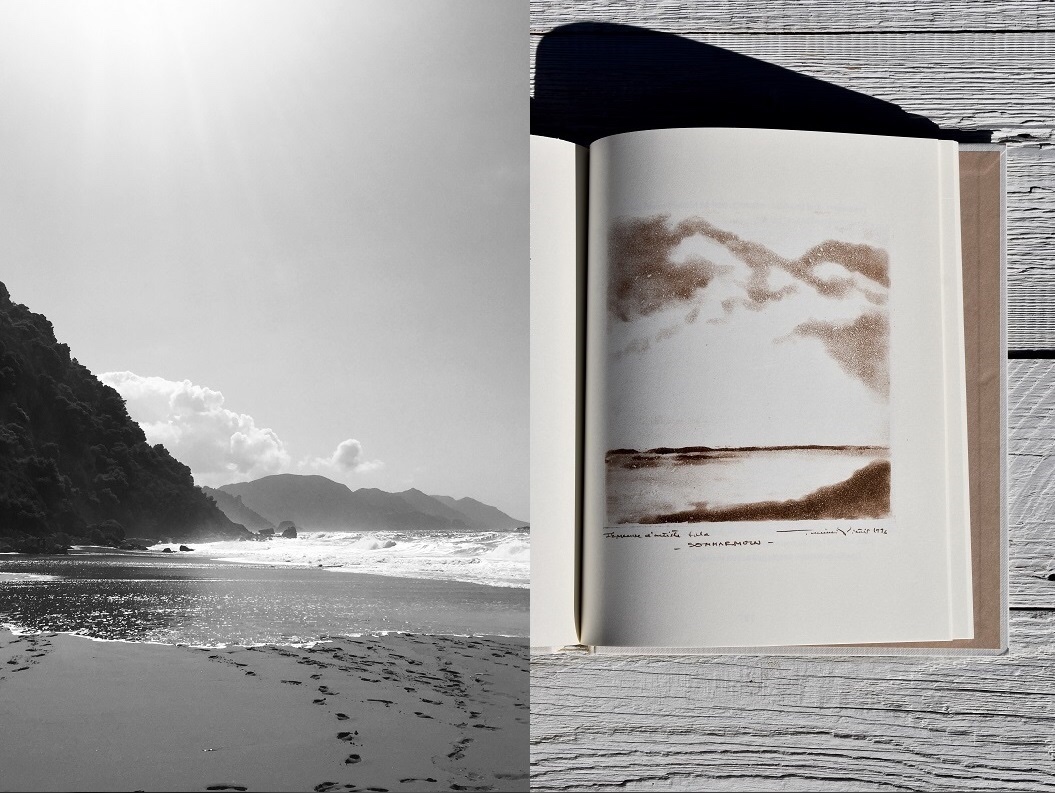
Left: Photographic print available on shop.classiq.me
Right: Drawing by Tuulikki Pietilä, from the book “Notes from an Island”


The Lost Daughter, 2021
Maggie Gyllenhaal

I don’t remember when the music in a film last made such an impression on me. From the moment we are properly introduced to Leda (a college professor on a work holiday in Greece, played by Olivia Colman), while driving her car upon the arrival on the island, the music, composed by Dickon Hinchliffe, is part of the story. I had the feeling the theme was familiar, but then realised it wasn’t, it was just that quality of good film music which is internal to a scene and carries all the memories it acquired during the scene whenever you hear it again, whether later on during the story or just as a song independently from the film. Just like the music, the film has this timeless feel and impresses with the emotional rawness it unearths and the incredible depth it plunges with into womanhood and motherhood. I am thrilled that my latest guest on Classiq Journal and I are going to talk about the film in an interview next week.
 
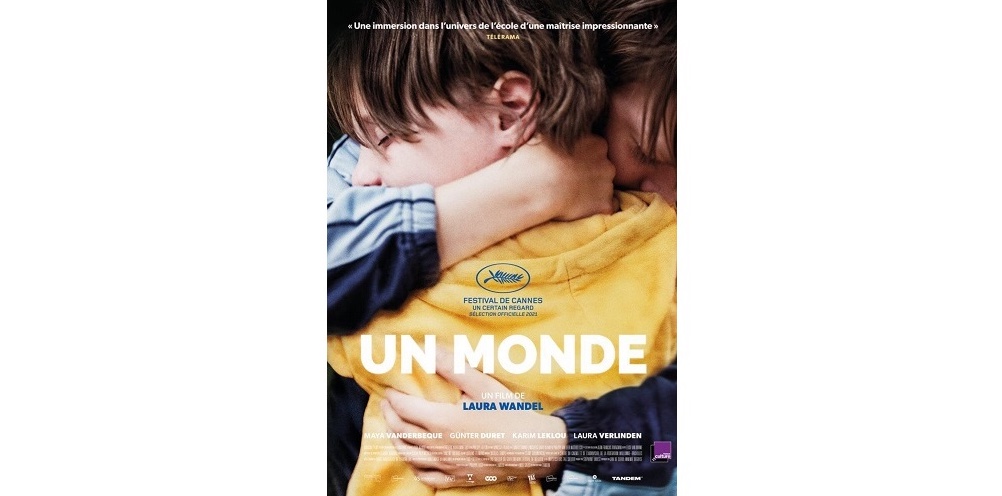
Un Monde (Playground), 2021
Laura Wandel

There is no music in Laura Wandel’s Un monde. Nora (Maya Vanderbeque) is a seven-year-old having a hard time trying to fit in at school. Then she sees her bigger brother being bullied by other kids and is thrown into a rollercoaster of emotional turmoil in her attempt to help him and help herself navigate those critical times that can be the school years. Seen through the eyes of Nora – literally, as the director filmed the entire film with the camera placed at the child’s eyes’ level – Un monde is eye-opening and core-shattering on the realities of a child’s world. It truly speaks to us adults, most of all visually, and makes us pay attention.
 
L’amour d’une femme (A Woman’s Love), 1953
Jean Grémillon

A young woman doctor (Micheline Presle) arrives on a remote Brittany island and she is met with adversity from men and women alike. The film “puzzled even those who liked it,” Ginette Vincendeau wrote in the Arrow Films booklet on the occasion of the film’s new release. “In question was the modernity of a film that constructs a sympathetic heroine in terms of professional identity and place in society, rather than her looks and romance.” It is a beautiful and sensitive film for the way it addresses the issue of a woman choosing a career over family life – this was 70 years ago.
 
A Touch of Zen, 1971
King Hu

Frequently imitated, never surpassed, this is an epic film in the true sense of the world. If you choose to watch a martial arts movie, make it this one. Yang is a fugitive noblewoman who seeks refuge in a remote village. When her true identity is revealed, she must escape into the wilderness with two aids and fight against a massive group of attackers. So many films are praised for their visual style. So few deserve it. This is one of them. “When it comes to the wuxia film, all roads lead back to the great King Hu: supreme fantasist, Ming dynasty scholar and incomparable artist. For years, Hu laboured on his own, creating one exquisitely crafted film after another (with astonishing pre-CGI visual effects), elevating the martial-arts genre to unparalleled heights…” – The New York Film Festival


Reading

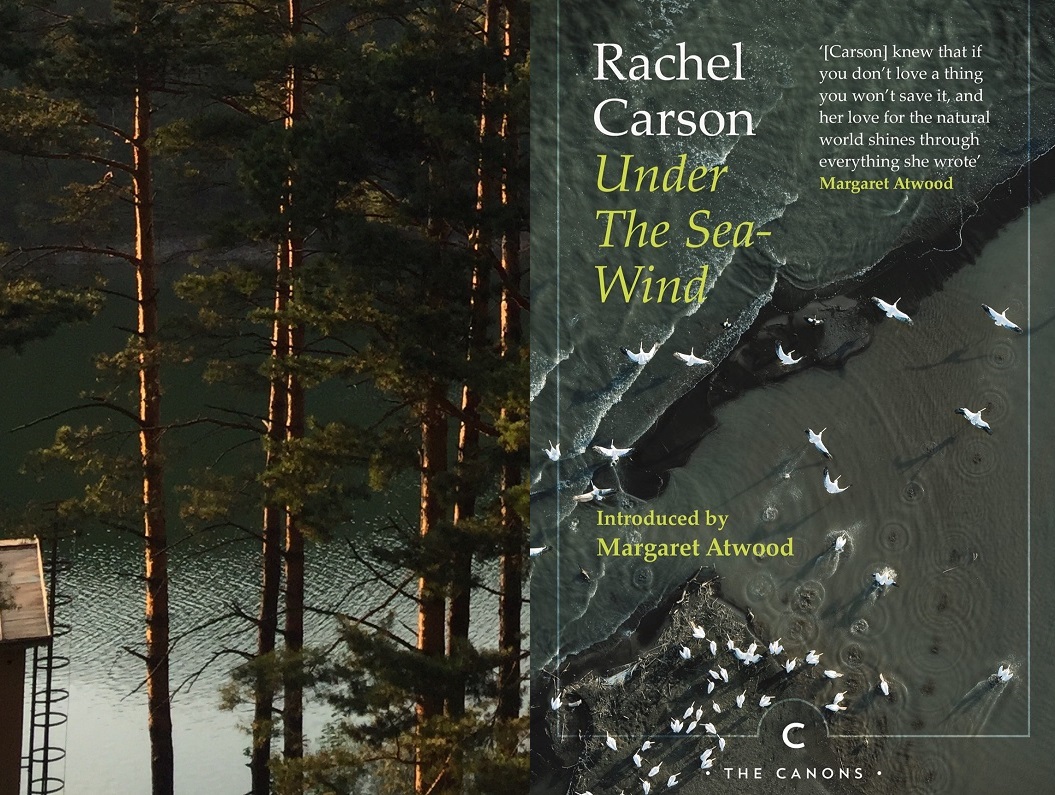
Under the Sea-Wind
Rachel Carson

Rachel Carson was one of the first conservationists and this book, written in 1941, the first in her sea trilogy (all three published before The Silent Spring), was ahead of its time. It’s interesting how the narrative involves no people at all. We only meet them when they impact the natural world in a negative way. It teaches people to look. To really look. To look at the sea, at the world around. To understand. To do something for the benefit of others, too. It’s also made me think of children’s books and why adults should read more children’s books, not just to their children, but for themselves. My six-year-old son has recently told me that he loves the most the stories with no people in them. He is fascinated by the natural world and he understands the role man should and shouldn’t play in it. Is it too late for adults to understand it?
 
 
Notes from an Island
Tove Jansson and Tuulikki Pietilä

“Okay, we make mistakes. What of it?”

In her late-forties, Tove Jansson, the writer of the Moomin stories, with the help of a seaman called Brunström, built a cabin on an almost barren outcrop of rock in the Gulf of Finland. The island was Klovharun, and for twenty-six summers Tove and her life partner, the graphic designer Tuulikki Pietilä, retreated there to live, paint and write, energised by the solitude and shifting seascapes, until old age forced them to retreat to the safer mainland. Written by Tove and illustrated by Tuulikki, with log book entries from Brunström, Notes from an Island is beautiful, spare and subtle in the writing yet evocative and grounding and seamlessly touching so many themes, from island life, the power of the sea and the natural world, to personal love and understanding. I read it on a snowy day (one of just the couple (!!) we’ve had all winter) and I loved the solitude and reflection it induced.
 
 
Drawing Across Borders: True Stories of Migration
George Butler

I have been reading George Butler’s book again these days. Because one must.
 
 
My interview with Fanny Husson-Ollagnier, from Fondation Monique Martin. The books Ernest et Célestine, written by artist Monique Martin under her pseudonym, Gabrielle Vincent, are among the most beautiful children’s stories ever told. The warmth the storyteller has for her characters, the warmth and joy they have for each other, the friendly complicity, humour and tolerance they use to overcomes every situation, the way they draw lessons through mutual listening and understanding from their everyday life adventures and misadventures… these are values that should enter a child’s world early and never leave him as he grows.
 
 
Listening

Tom Waits, Rain Dogs. Wonderfully weird, just like the cover.

Hootie & The Blowfish, Cracked Rear View.

The Lost Daughter soundtrack. Listen to it even if you haven’t watched the film, which you definitely should.

Note: Of course today everything is online, but the thrill of discovering something rare only happens in real life, so instead of linking to Spotify, I am leaving you to make the choice of helping your favourite independent record store. If you don’t have a favourite indie record store, here are a few suggestions: Waxwell Records, Amsterdam, Discos Paradiso, Barcelona, and a few more across the US. You can also support them online.


Exploring

Romy, La Vie et le Cinéma. La Galerie de l’Instant celebrates Romy Schneider and her films with a photography exhibition that runs from March 10 until May 16. The purpose of the exhibition is to go beyond her troubled sadness and the tragedy that enveloped her life and instead celebrate Romy’s freedom and overwhelming radiance with a collection of wonderful photographs of an unforgettable artist, of a frayed but fascinating woman who has never ceased to fascinate us.
 
 
The regulars: The interviews, newsletters and podcasts I turn to every week and/or every month because they are that good. Craig Mod’s all three newsletters: Roden, Ridgeline, and Huh. Wes Del Val’s book-ish interviews. Soundtracking, with Edith Bowman. Team Deakins, with Roger and James Deakins. Alicia Kennedy’s newsletter. The Adventure Podcast: Terra Incognita. The print magazines Monocle, Sirene and Sight & Sound.


”I was seized by a new feeling of detachment that was utterly
unlike isolation, merely a sense of being an outsider, with no worry
or guilt about anything at all. I don’t know how it happened,
but life became very simple and I just let myself be happy.”

Tove Jansson, Notes from an Island


Posted by classiq in Books, Culture, Film, Newsletter | | Comments Off on March Newsletter: Un Monde