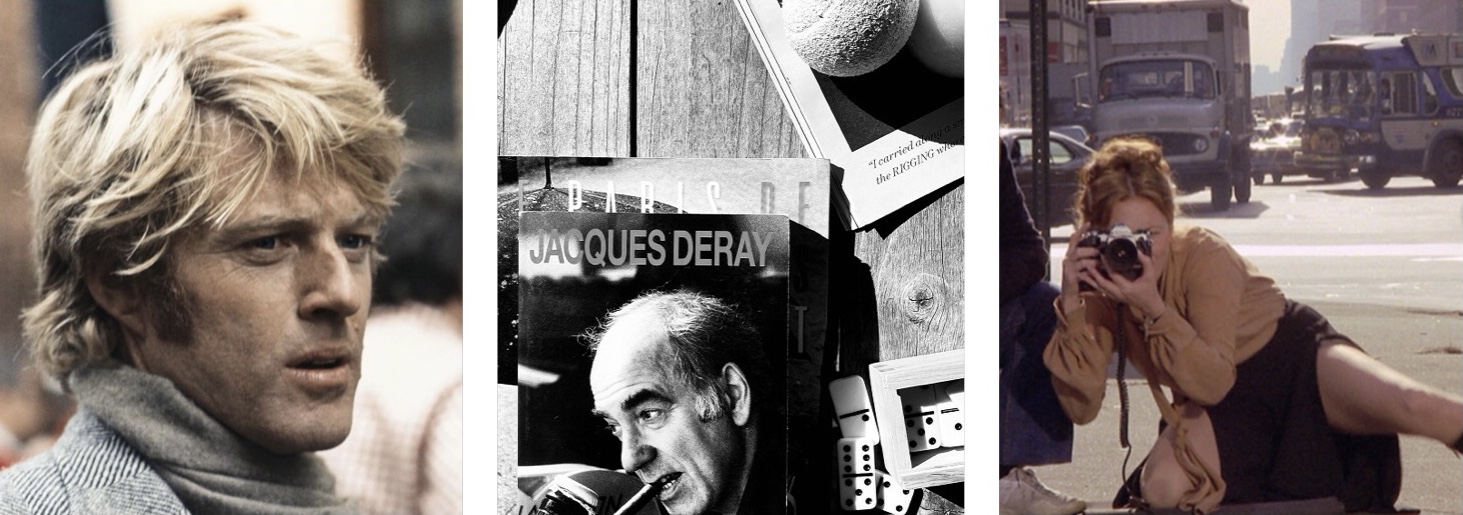
Throughout the years, Three Days of the Condor has become one of my favourite films, a film that works within the thriller genre, but what distances it from tradition is something personal, and the fact that it is deeply rooted in its characters, and Redford, of course. Because Robert Redford in this film, and in all of Sydney Pollack’s films, is the kind of actor I am always drawn to, the kind of actor that doesn’t attract the attention by flashy outbursts or extravagant performances, but by the language, and refinement, of less, by what he doesn’t do, by what he doesn’t say, by how subtle he is, by the mystery he retains in every scene, by how truthful he is in every scene. “Actors often feel they have to do a little acting here and there. The fact is there are very few who have the confidence to trust the audience and just be,” Pollack said of Redford. It’s the kind of performance that gives a film longevity. It was something in Redford that came naturally in every performance, even much more so in Pollack’s films, because he was a director who cared about people and whose films are ingrained in the performances, but which didn’t rely heavily on words – “It’s only because of our own lack of imagination that we rely so strongly on words anyway”.
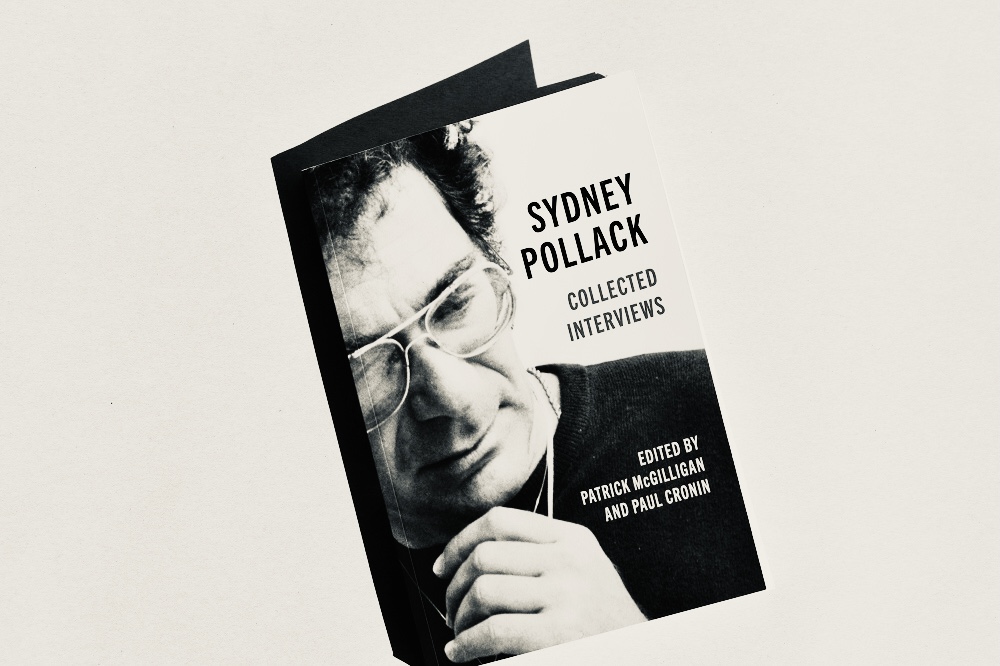
Sydney Pollack was one of cinema’s true visual storytellers, and in every story you feel he was an actor’s director, a humanist, but also that he was a craftsman. He had a vision and stayed with it, and that is a story of becoming, fully and truthfully. The book Sydney Pollack: Collected Interviews, edited by Patrick McGilligan and Paul Cronin, is revelatory in another way as well, as it shows how invested and apt the filmmaker was in every single aspect of his movies, from screenplay to musical score, from lighting to editing. His films make you curious, make you see differently, catch you off guard (as he liked to catch his actors off guard), his characters make you see the complexity of human beings, those shades of grey that raise questions and make you think, they make you step into different worlds. “I am very suspicious of ‘knowing’. It is almost impossible to know anything.” And as he goes through all the steps of making a film in these interviews, he makes you a contributor to his vision. It’s hard to resist it. You become closer to what cinema is about.
Read instead… in print is about a good book about cinema or filmmakers. No discursive, pretentious analyses, no verbose scrutiny. Because the idea is to invite you to read the book, not read about it here. But instead of using social media, I use my journal. Back to basics. Take it as a wish to break free of over-reliance on social media (even if it’s just for posting a photo of a good book) for presenting my work, cultural finds and interests. These are things to be enjoyed as stand-alone pieces in a more substantial and meaningful way than showing them in the black hole of Instagram thronged with an audience with a short attention span. This is also a look through my voluminous collection of books about film that I use as research in my adamant decision to rely less and less on the online and more on more on print materials.
MORE STORIES
A look for the ages and my annual reiteration of “Three Days of the Condor”
Read instead…in print #21: J’ai connu une belle époque
Image-making and voyeurism: Faye Dunaway in “Eyes of Laura Mars”