Photos: Classiq Journal
”I think of myself as someone who is a beginner,
not as someone who has already said a lot.”
Giorgio Armani, Made in Milan
Viewing
Fatto a Milano (Made in Milan), 1990
Martin Scorsese
In 1990, Martin Scorsese made a short documentary about Giorgio Armani, titled Fatto a Milano (Made in Milan), a beautiful piece of work, that not only predated the landscape of fashion films, but also Armani’s own book (I wrote about it here), released in 2015, 25 years after the film. I wrote about the documentary quite a few years back and now, in celebrating the legacy that Giorgio Armani left to the world, I am republishing it in a revised form.
Giorgio Armani and Martin Scorsese’s partnership was deep and lasting, just as the influence of films in the designer’s work. The two first worked together on some Armani commercials and the short documentary, then on Goodfellas (1990) and The Wolf of Wall Street (2013). Armani actively supported and funded Scorsese’s World Cinema Foundation, focused on preserving and restoring neglected film gems. They also collaborated on Scorsese’s 2001 documentary on Italian cinema. In 2015, Armani even teamed up with La Cinémathèque Française in Paris to support an exhibition dedicated to Martin Scorsese. The designer’s passion for cinema is well known, as he named it his first great love.
Scorsese, in return, expressed his admiration and respect for the Italian designer in his letter to his long-time friend, appeared in Vanity Fair , in August 2015, preceding the 40th anniversary of the Italian fashion house: “I look at Giorgio’s clothes, at his sense of balance and proportion, line and shape, color and texture, and I’m always astonished all over again. It doesn’t matter who’s wearing them – he makes us all look good. Part of it is because we feel good wearing his clothes.”
I believe Armani has been chosen so often to contribute to the costume department not because he was Armani – his success as a fashion designer only skyrocketed after the film American Gigolo – but because he could make his clothes work for a character, because he could adapt to the needs of the film, because he is, first and foremost, a craftsman who draws his designs by hand, and because he is a stylist, too, who knows “absolutely everything there is to know – where to put the pins, how to place the jackets in the best possible position, how to shape the waistline,” as photographer Aldo Fallai remarked. Ultimately, it’s the costume designer who decides that his work will fit with what they want to achieve.
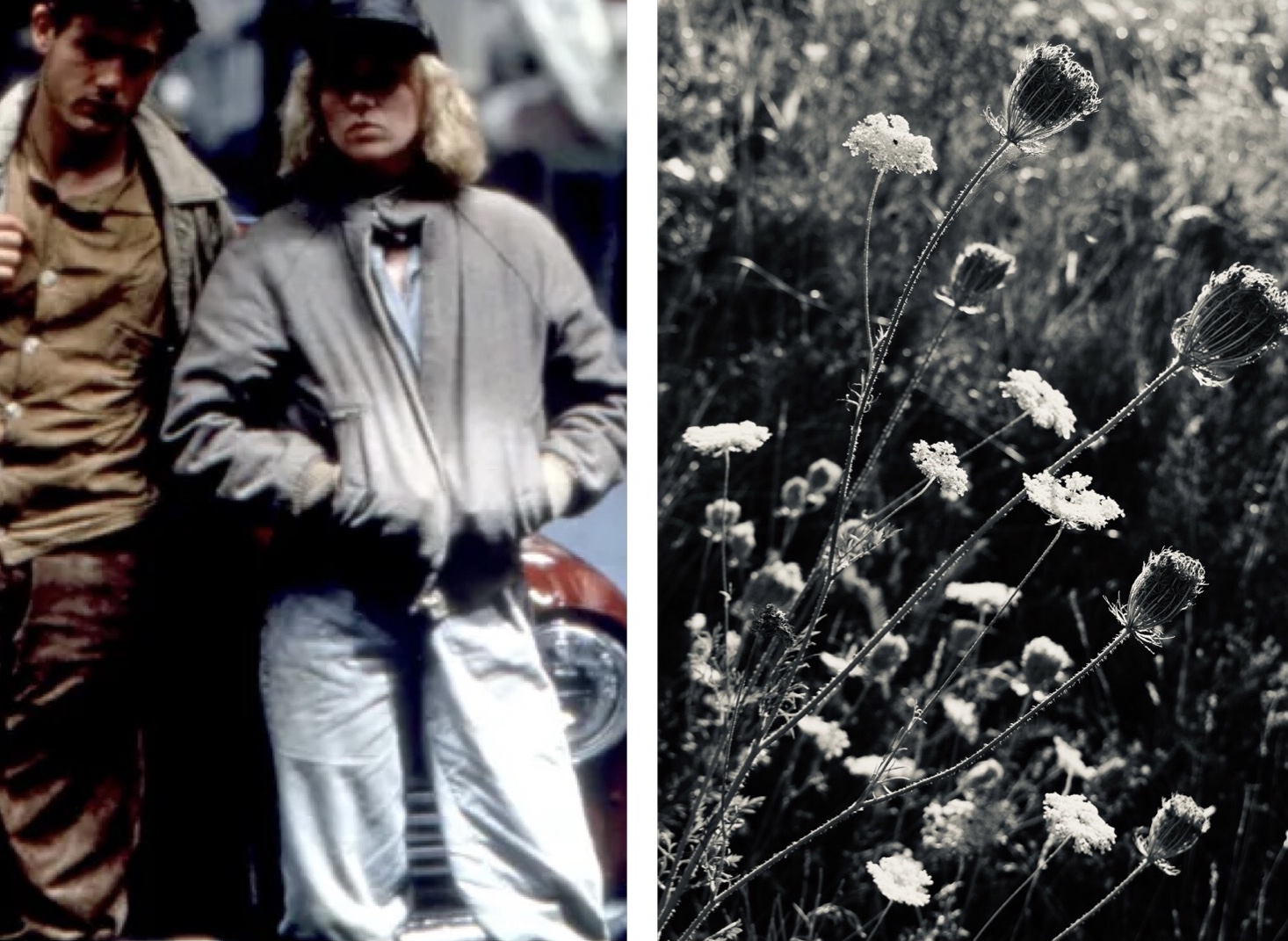
The designer’s contribution to films such as The Untouchables, Voyager, The Comfort of Strangers is very well known, but there is one other film that I find equally, if not even more so, remarkable in the way that Armani married the spirit and narrative power of the film costumes with his brand’s strong aesthetic identity. The costumes for Walter Hill’s Streets of Fire were a collaboration between costume designer Marilyn Vance and Giorgio Armani – approximately 200 costumes were sewn in duplicates and triplicates in Armani’s factory in Milan and the fashion designer also contributed pieces to dress the extras. “I have contributed to movies of all kinds,” said Giorgio Armani in his eponymous book. […] When a filmmaker calls me, I always evaluate the project carefully.” In Streets of Fire, Armani’s costume appropriation once again works beautifully. The costumes are memorable not because they stand out, not because they are the mirror of a specific time or period, but precisely because they are not of a particular time and period. They feel timeless and timely at the same time. They depict characters that only exist in that world, a neon-soaked “Rock & Roll fable”, from another time, another place, each character a walking story unto themselves. In Streets of Fire, the costumes create the world. And it’s Amy Madigan’s ‘80s Hawksian heroine look that will forever feed my imagination. Her McCoy is the most vibrant and original character. Under her uniform of confrontation, run-down leather baseball cap, grey bomber jacket and oversized boyfriend jeans, she is much more than a banal tomboy. It suggests a new attitude, being faithful to herself and nobody else, so her clothes become something aspirational. Although I haven’t found any source to indicate that Amy clothes’ were completely provided by Armani, her look undeniably bears the signature of Armani. And what could have been a more perfect match for a female character that was originally created for a man than the designer who has always championed the down-to-earth essence of a subtle elegance and who freed men and women from rigidity, suggesting new attitudes? She is protesting the status quo, seeking change in a certain sartorial androgyny, and she couldn’t do it better than dressed the way she is.
Returning to Scorsese’s documentary, you can definitely notice Scorsese’s classic cinematic style come through in this Armani film portrait, as the director likes to call it, which was written by a long-time collaborator of Scorsese’s, Jay Cocks (Gangs of New York, Mean Streets) and edited by another valued and long-term collaborator, Thelma Schoonmaker. The film, voiced entirely by Armani, follows the designer through Milan, the city that breathes life into his collections, his “chosen city”, where he lives and works, through his studio and onto the runway. Milan is a city that respects you and lets you express yourself, he says, “if you have something to say”, he adds. Armani is subtle, just like his clothes. He is a perfectionist, too. “I think of myself as someone who is a beginner, not as someone who has already said a lot”.
Armani talks about his personal style, about his dressing uniform, about the colour blue. “Why blue? Because I think blue looks good on me.” He talks about his work, about the jacket, where it all started. “I have always insisted upon rigorous simplicity. I can’t stand exhibitionism. It’s all a process… searching for elegance… knowing where to look… then finding it… hidden away.” He is shown before one of his shows, preparing the models, supervising every single detail, directing them before sending them on the catwalk. He talks about his past, while still remaining reserved. He has always been influenced by his own past and his family’s, and by the past of the cinema, but has tried not to be trapped by it. The cinema, which, more than his own fashion collections, can reward him in the most satisfying of ways: eternity. “Society changes, and my clothes change with it. But I try to filter my own ideas through a daily reality. It’s as if I were on a movie set. Life is the movie and my clothes are the costumes.” We will always have the movies.
Farewell, Mr. Armani!
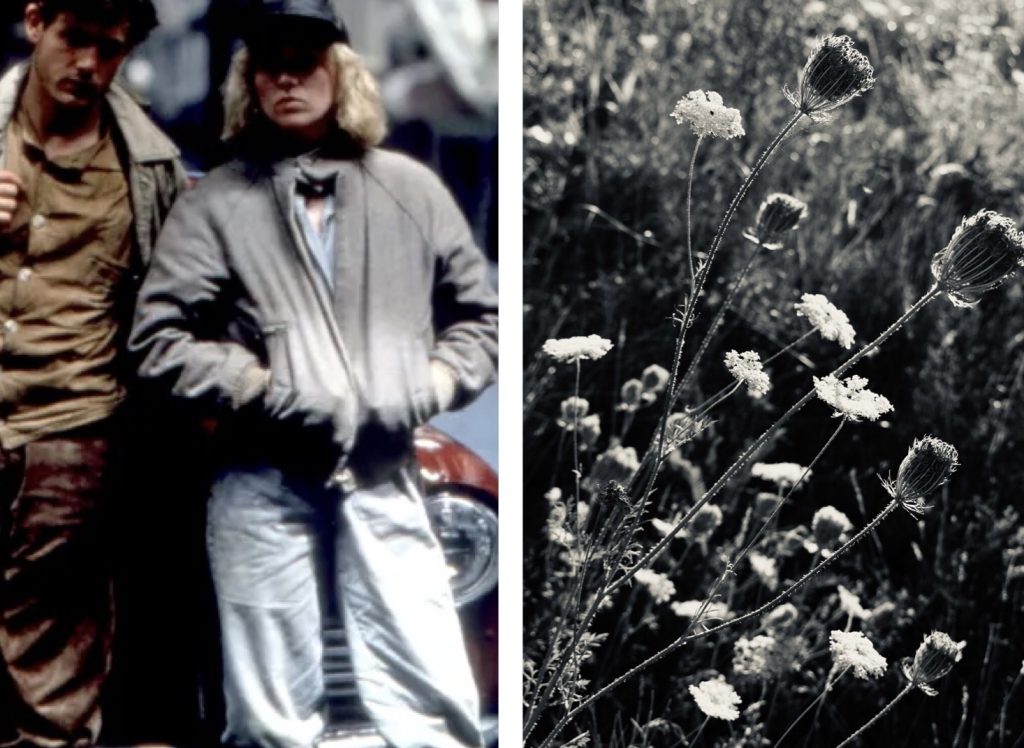
Image to the left: Michael Paré and Amy Madigan in Streets of Fire, 1984, directed by Walter Hill.
Costumes by Marilyn Vance and Giorgio Armani.
Howard Hawks: A Hell of a Good Life, 1978
Hans-Christoph Blumenberg
Ein verdammt gutes Lieben is a little under-the-radar documentary made in German about Howard Hawks. Five days with Howard Hawks at and around his home in Palm Springs, California. In his own words, Hawks takes us throughout his life (the simple life, his love of the outdoors, flying and cars), and career, and those distinctive cinematic phases we often encounter in his movies, from his style of filming, the outright dialogue comedies, and Cary Grant, to his female characters and the landscapes. “I’m a storyteller, I’m not an artist.” So here we are welcome to 19 chapters from the memories of a storyteller.
Twentieth Century, 1934
Howard Hawks
The film where we are treated for the first time to the full array of Carole Lombard’s manic qualities and the film that introduced a new genre, the screwball comedy. Before this, Hawks explained, “they didn’t have leading men and leading women make damn fools of themselves like they did in that picture”. Cinema was still being invented and Howard Hawks was one of those at the forefront of it, with his freewheeling approach and overlapping dialogue.
On a side note, two films coming out Venice that have caught my attention are Duse, directed by Pietro Marcello, and Jim Jarmusch’s Father Mother Sister Brother, which also won the Golden Lion for best film. I am looking forward to watching them in cinemas.
Reading
The True Deceiver, by Tove Jansson
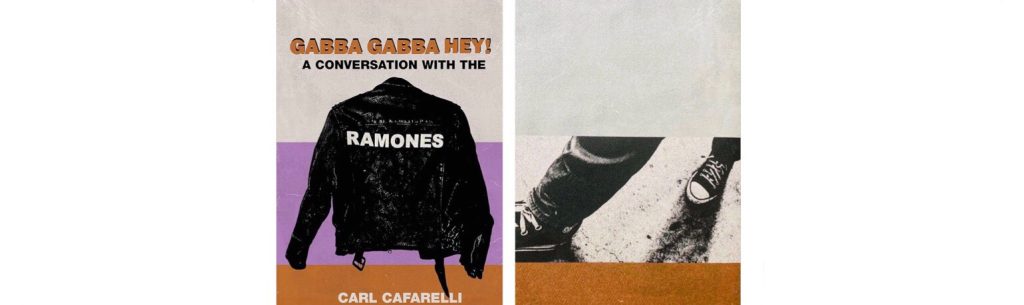
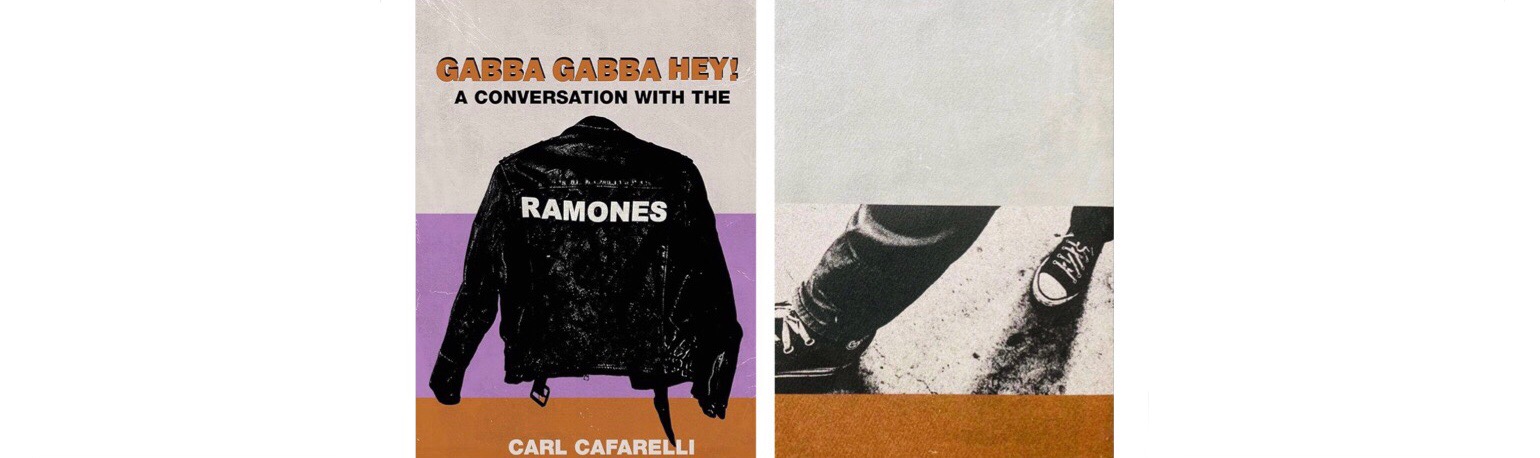
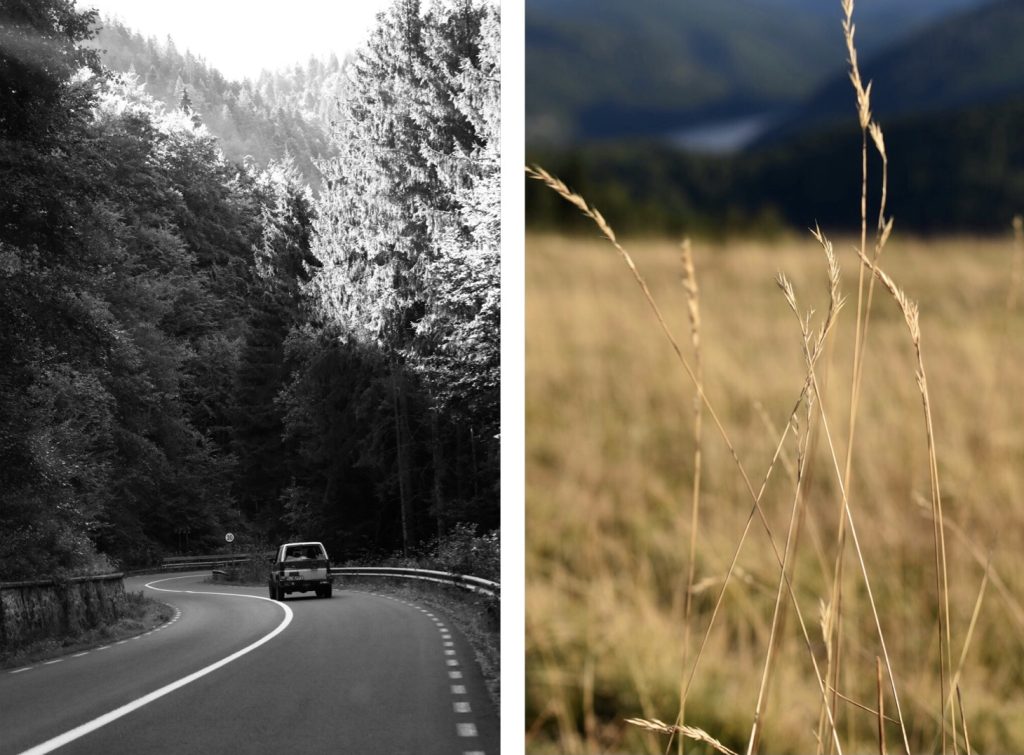
Gabba Gabba Hey: A Conversation with The Ramones is, quite simply put, essential rock ‘n’ roll reading and a beautiful journalistic piece in its own right. I am glad it’s the book I chose to learn more about the band that the author, Carl Cafarelli, calls “The American Beatles”. As Jeff Tamarkin writes, “all of the joy, and bedlam, and fire, and dedication that fueled the Ramones can be found in these pages”. And I do want to bring up the cover of the book – design by Joy Wasserman into discussion (Did the cover matter when I spotted the book in the bookshop? Yes, yes, it did!) – because it’s so perfectly in tune (no pun intended) with The Ramones look: leather jacket, jeans and Converse trainers, a look that is no less part of their legacy and far-reaching influence than the breakneck speed of their short songs.
Listening
The soundtrack: Streets of Fire, 1984
The podcast: Great Lives
The concert: The films in concert at The Royal Albert Hall. There is a great line-up for the following months, and the best part is that you can turn it into a wonderful experience you can enjoy with your entire family: from Back To the Future and How to Train Your Dragon, to Home Alone and The Lord of the Rings.
The album: Bringing It All Back Home, Bob Dylan
Making
It started with travel and adventure. It inspires grace and elegance. It embraces the simple joys. It celebrates nature, naturalness and the every day. Sauths is a linen clothing brand, therefore a hymn to an eternal summer, wherever in the world you may find yourself. “Live in the sunshine, swim the sea, drink the wild air.” – Ralph Waldo Emerson
Exploring
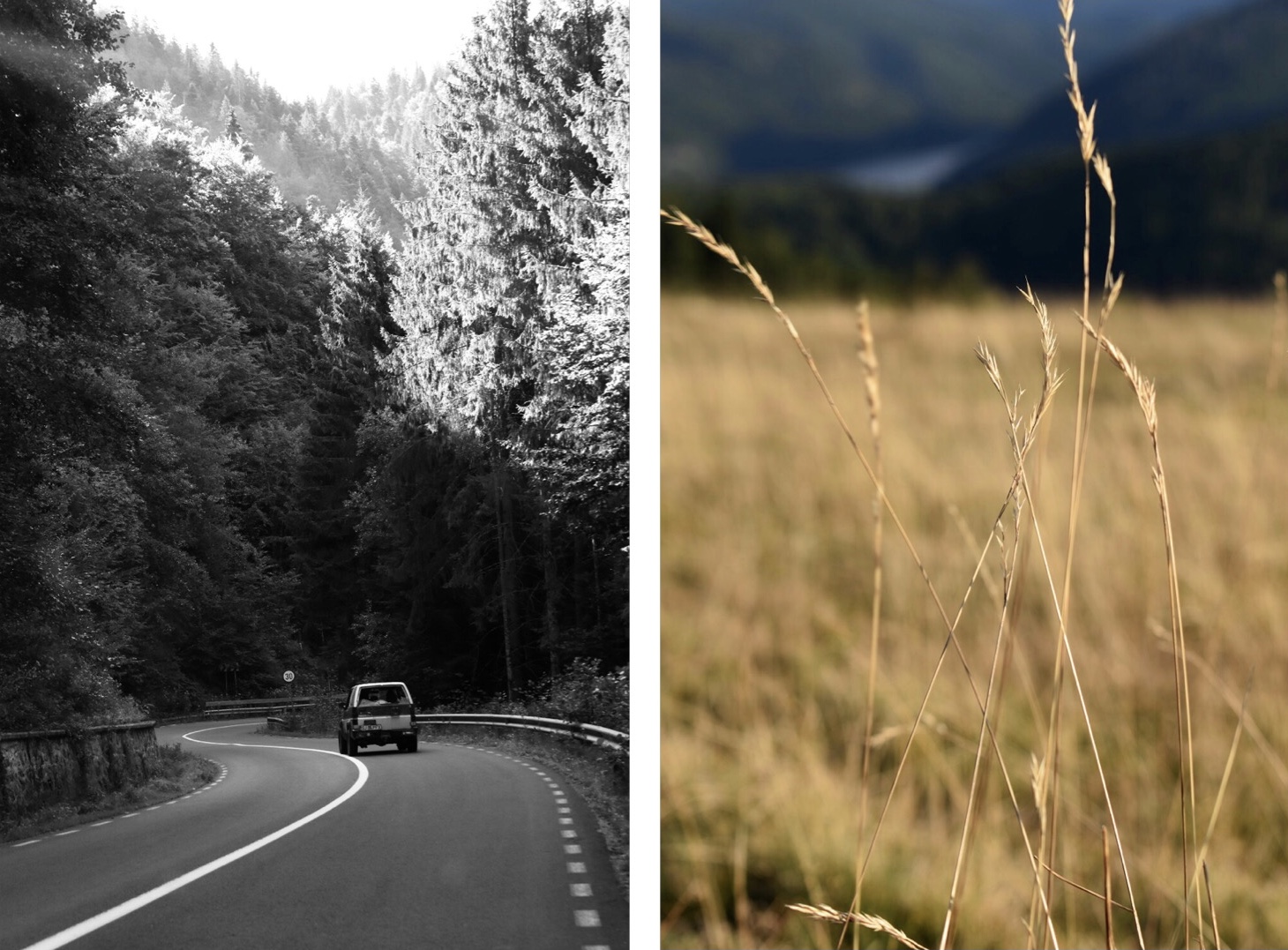
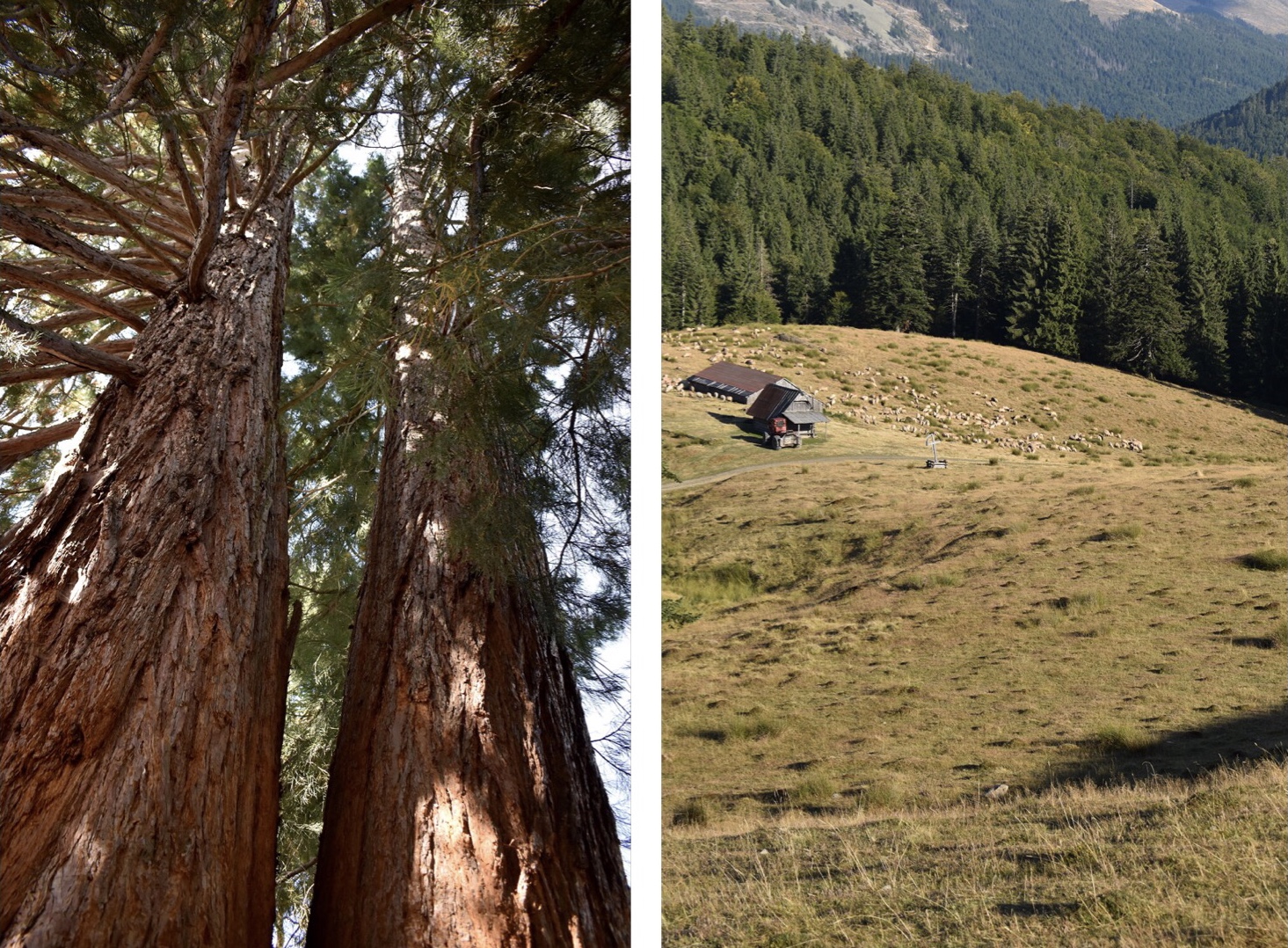
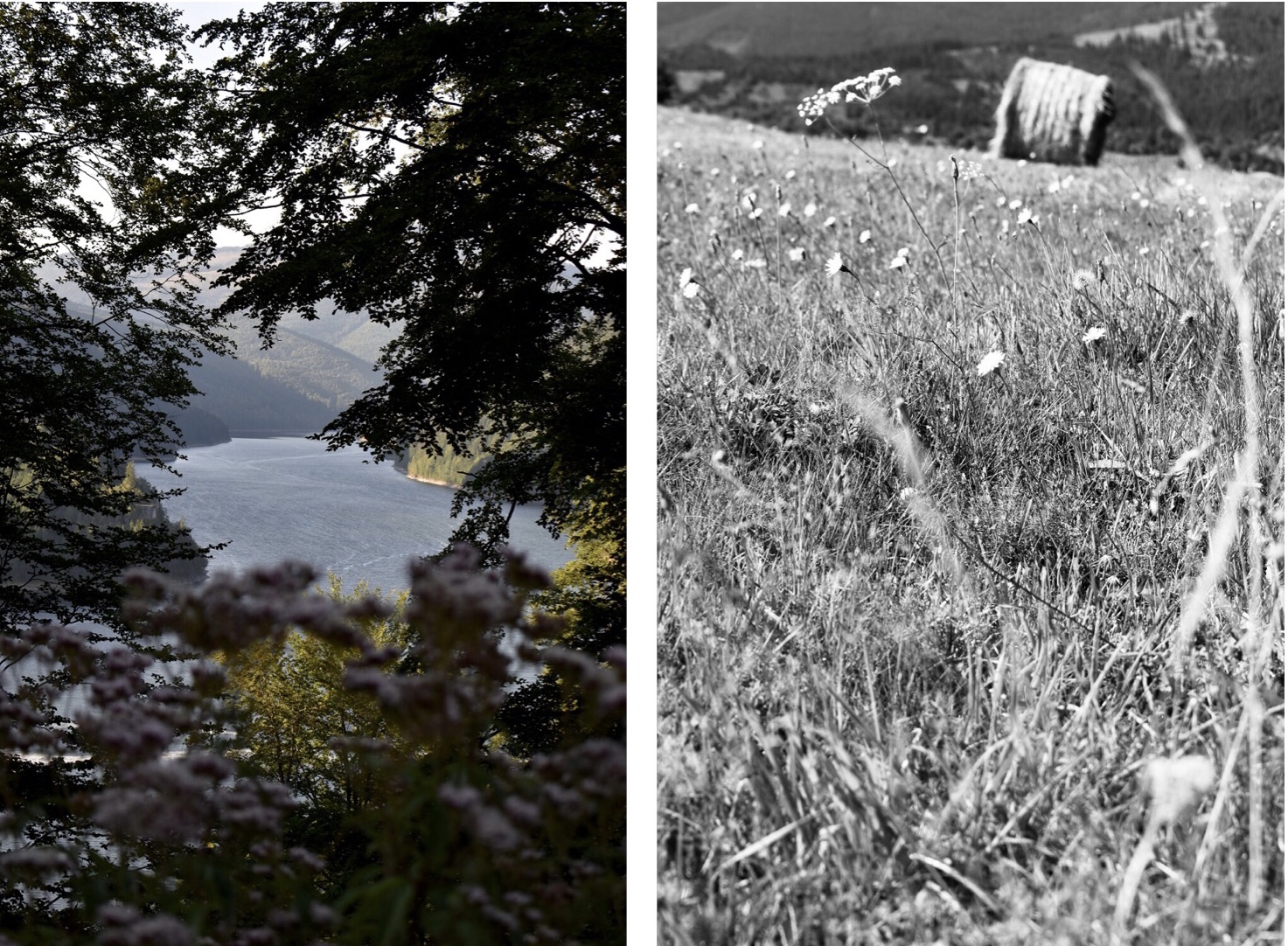
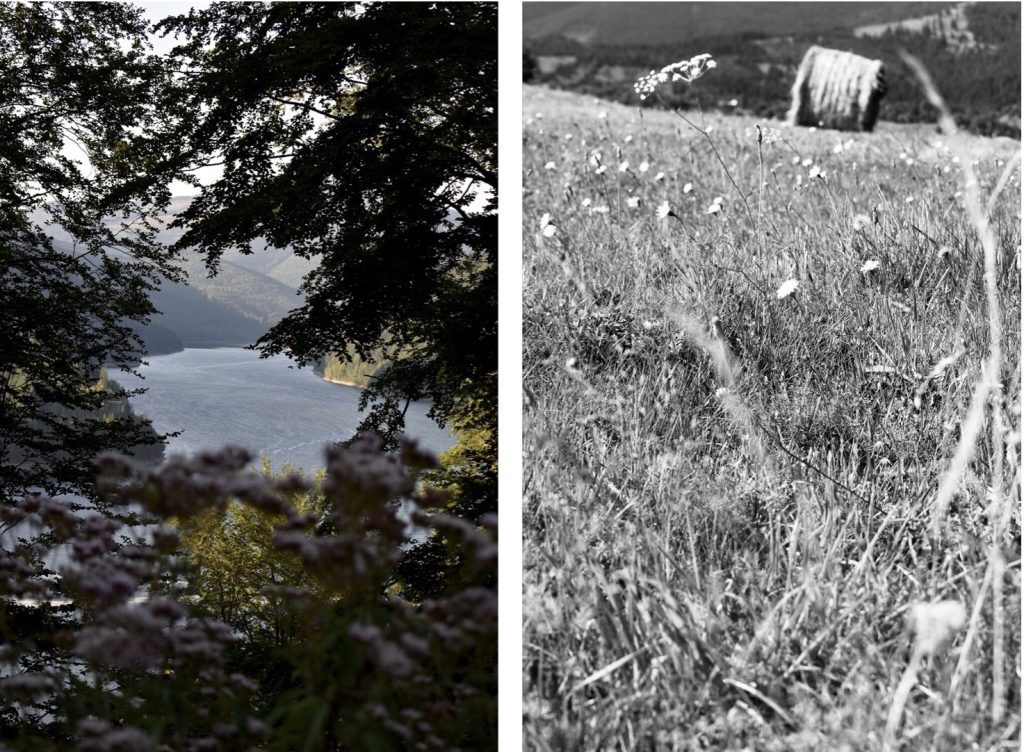
Head for the Hills: Katy Griffith’s life long affair with Romania, as seen in the latest issue of Selvedge Magazine, titled Deco. Be transported on a journey through rural Romania, and find inspiration in an accompanying travel guide, full of museum and market tips to inspire an adventure within the region. You are also welcome to read the interview I did with the founder of Selvedge Magazine, Polly Leonard, who has a visionary mind and an eye, skill and respect for craft and for the beautifully made: Threaded Stories: A Talk with Polly Leonard.
As a personal note, head for Apuseni Mountains, too, and the hiking trails.

On an end note
When it comes to books, I look for inspiration everywhere (except the algorithms of the big online retailers). The Wainwright Prizes champion stories that connect people and planet and celebrate nature writing and conservation storytelling, and they have just announced their 2025 winners.
“The strongest growth often begins out of sight. Trees send roots deep before they stretch towards the sky. Depth takes patience, and growth that lasts doesn’t always happen fast, in life, as in nature.” Here are four more powerful ways the natural world shows us that patience, care, and steady progress are essential lessons that can guide both our personal lives and how we care for the planet.
The regulars: The interviews, newsletters and podcasts I turn to every week and/or every month because they are that good. Soundtracking, with Edith Bowman. Ruthie’s Table 4 with Ruth Rogers. Fashion Neurosis, with Bella Freud. Craig Mod’s newsletters: Roden and Ridgeline. Racquet’s Rennae Stubbs tennis podcast. Gone to Timbuktu with Sophy Roberts. Sirene Journal, Racquet, and Waves & Woods in print.
”Like most writers, I’m always eager to write
without actually getting paid for it.”
Carl Cafarelli, Gabba Gabba Hey! A conversation with The Ramones