Photos: Classiq Journal
“The Fun of It is true to its title, but it’s also
the selected reading course of a writer who helped
to shape a form with her own gifts: reporting,
storytelling, and clarity – the makings of a ‘good little story’.”
David Remnick
Viewing
Wild Horse Nine, 2026
Martin McDonagh
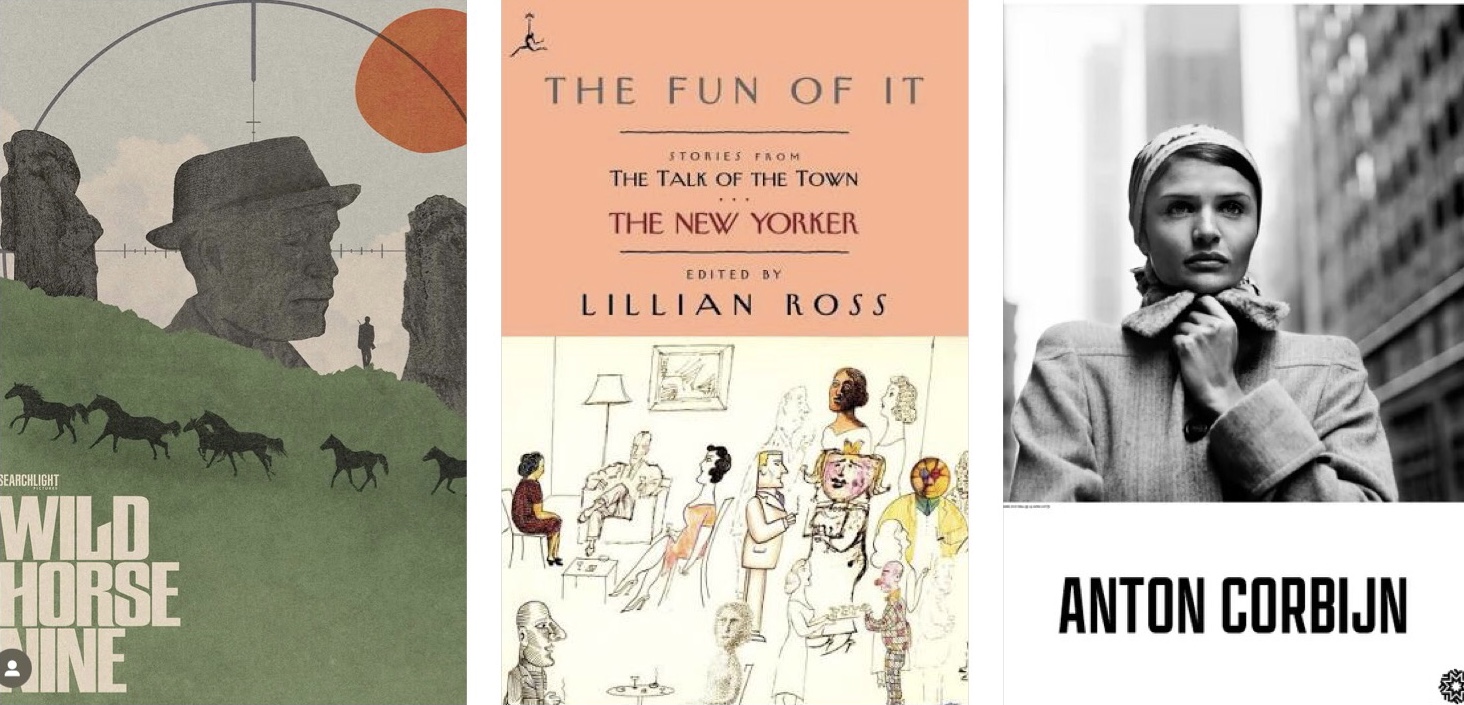
“As every cell in Chile will tell/ The cries of the tortured men/ Remember Allende, and the days before/ Before the army came/ Please remember Victor Jara and the Santiago stadium/ Es verdad, those Washington bullets again.” Washington Bullets, The Clash song from their album Sandinista, was reportedly, an inspiration for the writer/director Martin McDonagh for Wild Horse Nine. That was one thing that sparked my interest in the film. Then, there was Matt Needle’s caption “A head full of secrets”, under his amazing poster for the film. And it was enough. A great song, or a great poster can still do the job. They have this effect on me. And, yes, a good film poster alone (one that can transmit real emotion and visual power) can take me to the cinema. And I am at my happiest when a film reveals itself in a myriad of new ways but still woven that thread so creatively explored in the poster art. Wild Horse Nine tells the story of two CIA operatives stationed in Chile, who are dispatched to Easter Island ahead of the 1973 CIA-assisted coup d’etat that overthrew the democratically elected president of Chile, Salvador Allende. The two main characters are longtime partners and friends Chris (John Malkovich in a powerful performance) and Lee (Sam Rockwell, who makes the perfect role), who find themselves on a crazy, twisted journey, confronting dark pasts, present conspiracies, religion, conscience, guilt, regret and true friendship, with the good and the bad – or maybe “honesty” would be the better word – that comes along with friendship. A fantastic film.
Digger, 2026
Alejandro González Iñárritu
There are just two things I want to say about the much talked about Digger: It is a unique piece of filmmaking, and everyone should go into seeing it (I’m not sure where it’s still running, but if you still can, go and see it in the cinema), without much information about it and without reading or hearing any reviews. Go with fresh eyes and a mind of your own. It’s imaginative, even phantasmal, yet it works so damn well.
Birdman, 2014
Alejandro González Iñárritu
Now, after watching Digger, I wanted to view Birdman again, because I knew how much I loved it when it came out and how wild I thought it was. This time around, I liked it just as much, and pretty much all of what I said at the time about the movie still stands today. A delirious showbiz comedy, sustained by an edgy, jazzy vibe throughout, and carried out by an incredible creative ensemble. It is certainly one of the best movies about theater or film ever made. Michael Keaton is the declining movie star Riggan Thomson, who has abandoned the superhero role of Birdman that made him rich and famous and is now trying for validity as stage actor and director by starring in his own self-financed Broadway play adapted after a Raymond Carver story.
The film has made me realise once again that Iñárritu is the kind of director that constantly gives cinema what belongs to cinema, moving images that would only work in this format. The film is so intelligently constructed (the on- and off-stage are so interlinked that you often get the feeling you can’t tell fiction from reality, if the characters talk as themselves or playing the Carver dialogue) and filmed, by cinematographer Emmanuel Lubezki (giving you the impression that it is a one-take film), that it makes me want to say that it has its own stand-alone place in cinema. Birdman is placed in the theater world, but it cleverly alludes to the vanity of blockbuster Hollywood, to superheroes and remakes and cinema interested solely in box office rankings, to actors addicted to celebrity, trying to adapt themselves in a new world dictated by social media (and this was 2014, what about now?). But it takes a visionary non-American director to render an American subject in such an incisive, original, vibrant, satirical yet emotional way.
Don’t Come Knocking, 2005
Wim Wenders
About the film, Sam Shepard said: “I think we made exactly the kind of film we wanted to make. It’s a bit stranger than I’d imagined since the locations take on a kind of exotic unreality when photographed on the big screen, just as they did as backdrops for John Ford’s westerns. These elements are all part of the unknown realms you enter into on a project like this and the dangerous thrill of discovery. It’s a great privilege to be able to work this way, developing a movie from absolute scratch, and I have Wim to thank for it.”
Wim Wenders and Sam Shepard reunited after 20 years to write a story. Sam Shepard had also co-written Paris, Texas, and insisted at that time for Harry Dean Stanton to play the lead role, and what a role that was, that wonderful actor’s actor first big shot at a leading role of that caliber. This time around, the writer himself wanted to play the main character, Howard Spence, who used to be a Hollywood star. Now, approaching 60, and while on the set of his latest film, he suddenly takes off. He goes to see his mother he hasn’t seen in 30 years (Eva Marie Saint), and finds out he might have a son in Butte, Montana, where thirty years ago he made his first film and had an affair with a waitress, Doreen (Jessica Lange). It’s a character-driven film, as it usually is with Wim Wenders, and a very American character at that. Not because Howard Spence is an actor who has found fame playing the ultimate American hero in westerns, but because he is an estranged man, far from being free despite appearances, who doesn’t know who he is after all these years, unsure of his identity, who is trying to reckon with his past, saddened by lost chances and unsure how to handle the present. That frightening realisation of where he is in life, especially coming from a stubbornly quiet person, makes Howard Spence deeply human and honest and on a long journey to find something he has never had or he didn’t realise he had – a family, relationships, emotions. He may never find it, but you feel, for the duration of the entire film, that you are accompanying him on this path, nothing is rushed, nothing has a definitive answer, but there is something optimistic about it.
Reading
The Fun of It: Stories from The Talk of the Town is a voluminous collection of some of the best short stories that have appeared in The Talk of the Town column of The New Yorker since the 1920s to the present day. There is always an element of fun, satirical wit and vivid insight into present day matters in these short stories. As editor Lillian Ross writes, “Talk stories have today evolved into the sharpest, funniest, and often timeliest short-form writing in the history of the magazine.”
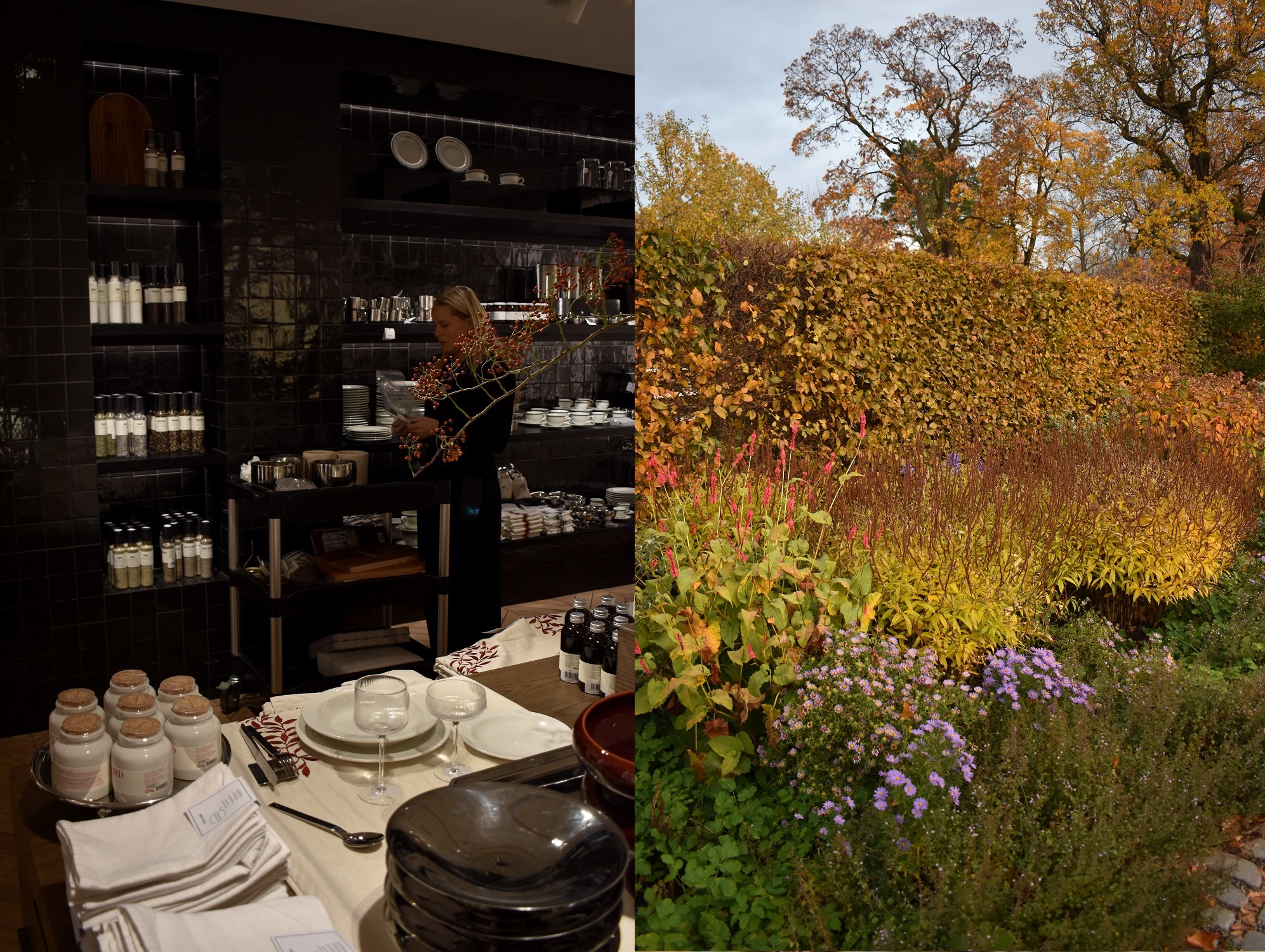
In a special Mojo Kate Bush edition, entirely dedicated to the musician, Mojo magazine unfolds her story through in-depth interviews and deep-dive features, as well as an album-by-album celebration of her releases. I truly rediscovered Kate Bush after watching Stranger Things, but only 3 years after her song Running Up That Hill (A Deal with God), from her 1985 album Hounds of Love, featured in season four, in 2022, and part of a no less than phenomenal soundtrack that has taken over the public’s collective mind, sieving through the present day popular culture, in unprecedented ways, and which subsequently enjoyed an incredible commercial resurgence. From Pink Floyd’s David Gilmour’s writing about the raw genius of Kate Bush when she hadn’t even started out, to the days of Hounds of Love, from an extraordinary interview to German Rolling Stone published here for the first time in English, to The Red Shoes (inspired by Hans Christian Anderson’s fairytale that had also inspired Michael Powell and Emeric Pressburger’s film by the same name), Bush’s album before she vanished from public view for 12 years, this is the story of an original artist.
Listening
The podcast: The Rest Is Entertainment definitive series on the story of James Bond. It’s absolutely fascinating and it couldn’t be more timely, because, yes, the waiting is over: Robert Pattinson is the new James Bond.
The soundtrack: All of the scores of films discussed above, really, but especially Wild Horse Nine
The album: Surface, Echo & Sound, Editors
Making
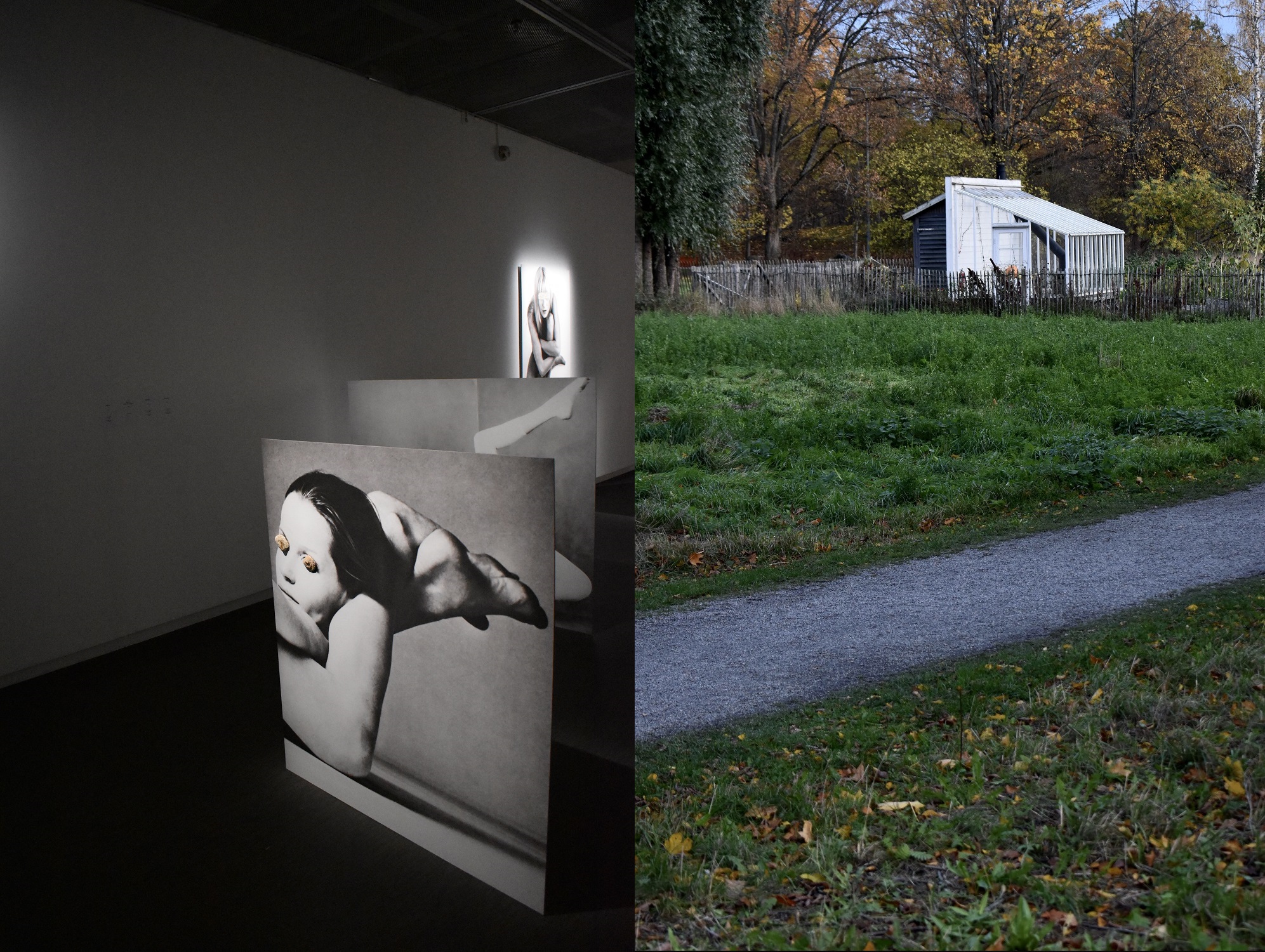
If you happen to be in Stockholm at the end of this month, make a stop at artist Stina Persson’s Christmas pop-up shop. She’s opening the doors to her studio, filled with original drawings, prints, calendars, scarves, t-shirts and plates, for two days: Thursday, November 26, and Saturday, November, 28. You can find all the details for the opening (Blekingegatan 65) here.
Stina Persson, whom I had the pleasure to interview many years ago, studied fine art in Perugia and fashion drawing in Florence and has a degree in illustration from the Pratt Institute in New York. Born in Sweden and currently living in Stockholm, and having lived and/or worked in Italy, New York and Tokyo, it truly feels that this worldly palette is part of what gives so much depth to her impressive creations. Stina employs different mediums, ranging from watercolour paints, inks and acrylic, to Mexican cut paper, photography and handwritten technique, to create original, vibrant, filled with emotion illustrations that strike the right balance between beautiful and edgy – captivating your eye with the craftsmanship promise of a traditional piece of art and the intriguing appeal of a modern one.
Cecilia Carlstedt is another Swedish artist I admire and one of my very early interviewees, and who has recently collaborated on the cover art for a new Criterion Collection release, the Three Films by Leos Carax box set. As someone who treasures our home film library both for the films in themselves, but also for artwork that accompany the Criterion editions (but also Eureka, Curzon Artificial Eye, Carlotta Films, and others), I am thrilled by this collaboration.
Illustrator Cecilia Carlstedt makes one of the most beautiful cases for illustration and for the sustainability and timelessness of a piece of art. Seamlessly combining the traditional pencil and ink with more contemporary mediums, Cecilia’s works are charged with singular beauty, energy and newness. And because much of her work is inherently connected with fashion, I must say that in a time when I think that everything in the industry is just too much, too overexposed or too overrated, illustration has the ability to make fashion relevant again, providing a narrative and a different point of view about clothes…more efficiently than words and photography can.
Exploring
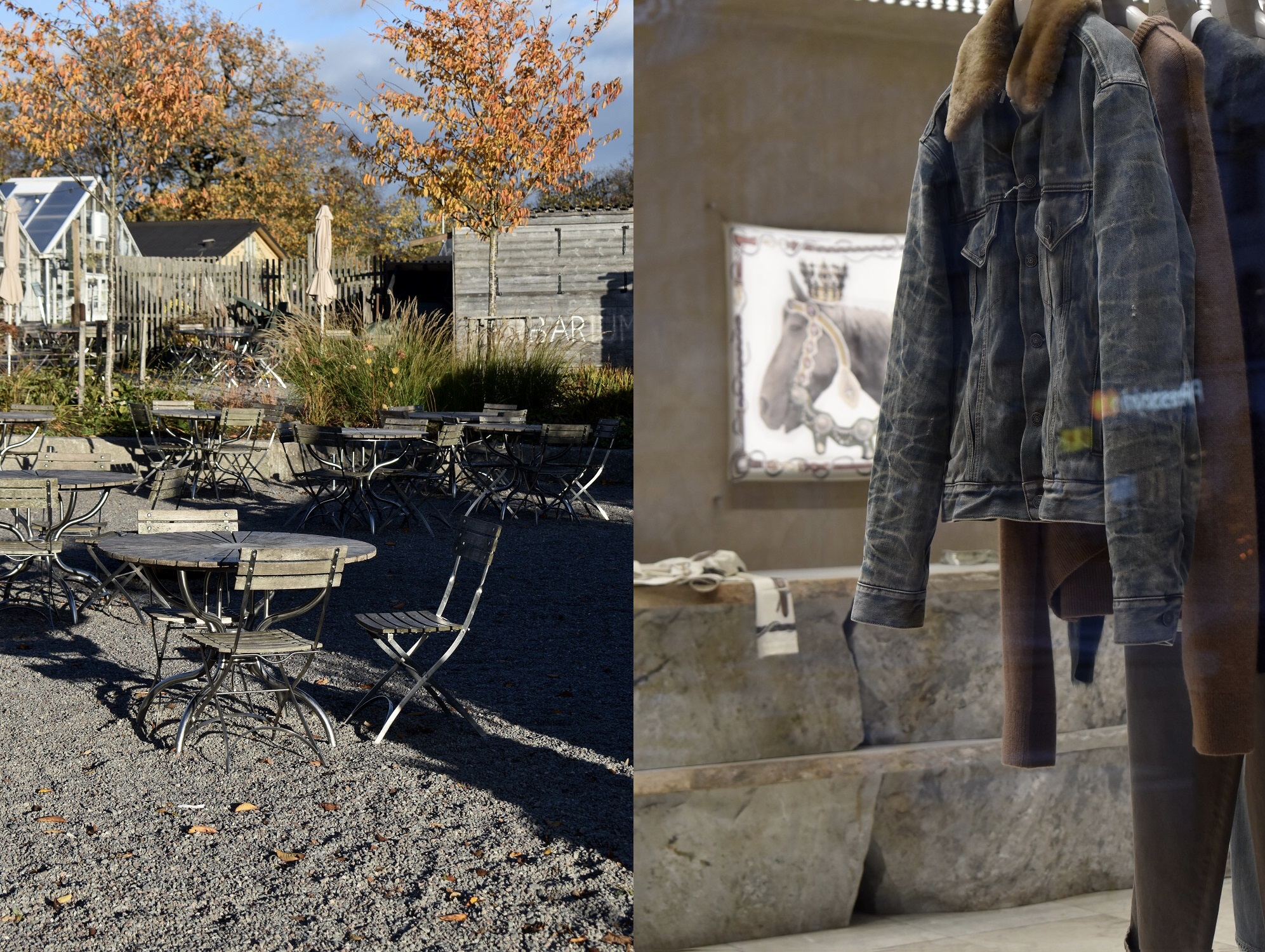
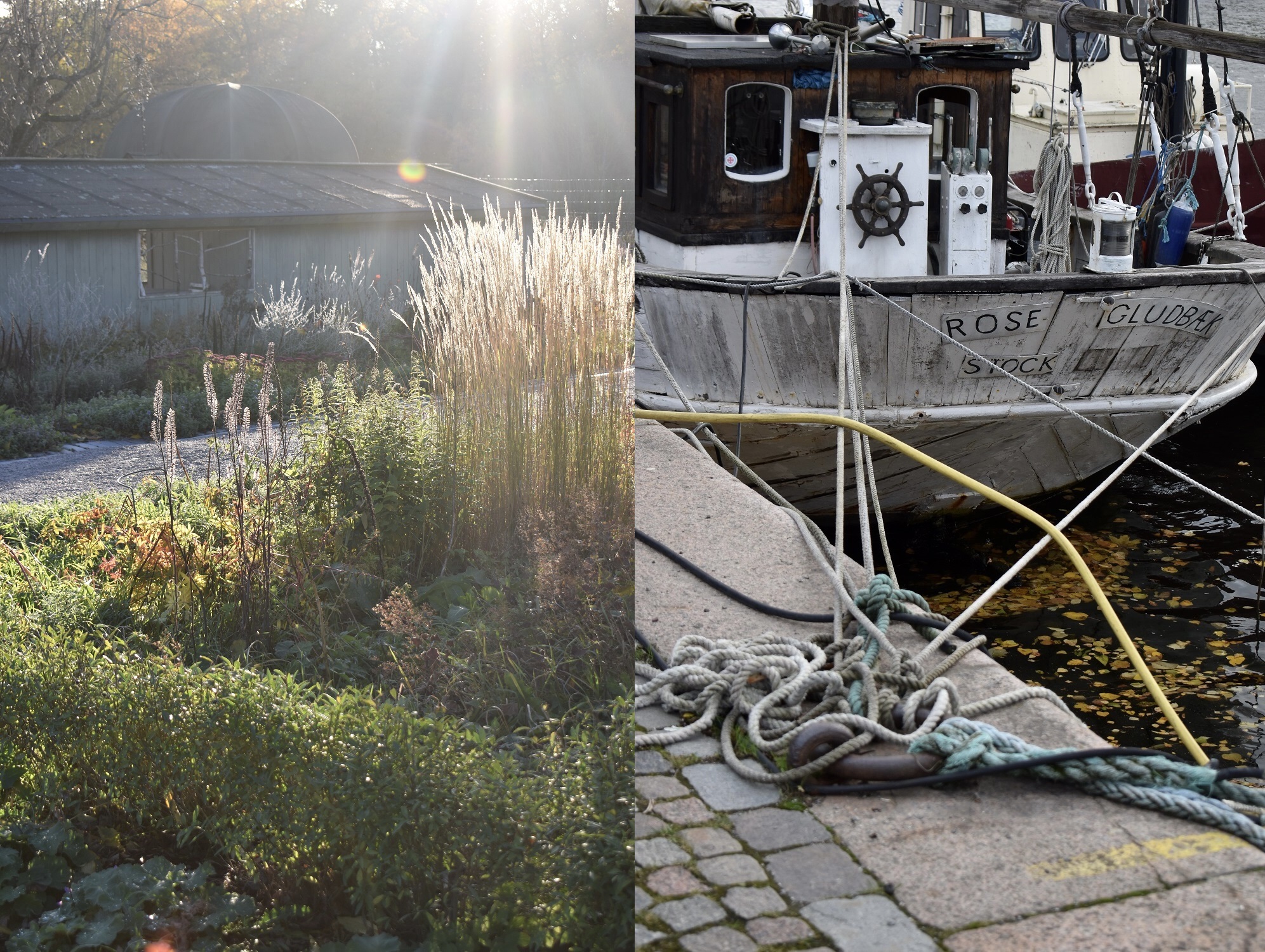
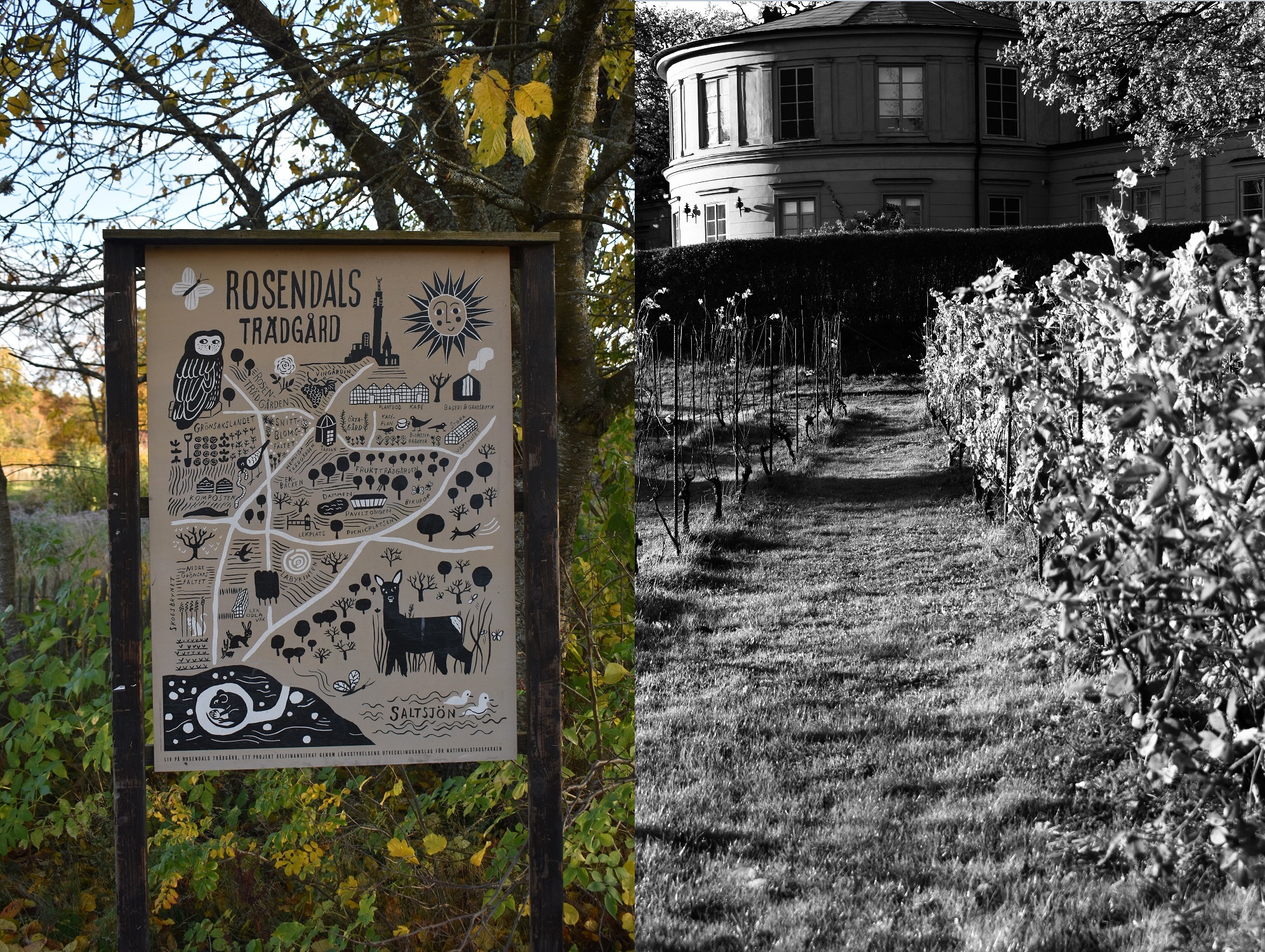
Rosendals Trädbåed, in Stockholm’s Djurgården, is a garden and a greenhouse you can visit and have lunch at their café. It’s a heavenly, pastoral, vast space of greenery: tall grass, flower beds, a vineyard, trees and vegetable plots. Even at the end of October, when we visited, there was a wonderful atmosphere, and because of the foliage, crisp air and golden autumn sun, it felt so cosy, welcoming and calming, both for roaming the alleys and the orchard, but also for lingering over a seasonal lunch inside the greenhouse café.
For more than forty years, Rosendals Trädbåed has cultivated and spread biodynamic farming practices and the farm-to-fork concept. The vegetables, herbs, flowers and fruits they harvest are used in the garden café and wood-fired bakery – the coffee must simply be served with the pastries and cakes that are on offer for the day. There is also a farm shop that sells bread and cakes, vegetables from the garden, homemade preserves and pickles, as well as carefully selected books and crafts. I can’t think of a better way to spend an entire afternoon so close to the city and yet so immersed in nature, especially when it is a city that does the season remarkably well.
On an end note
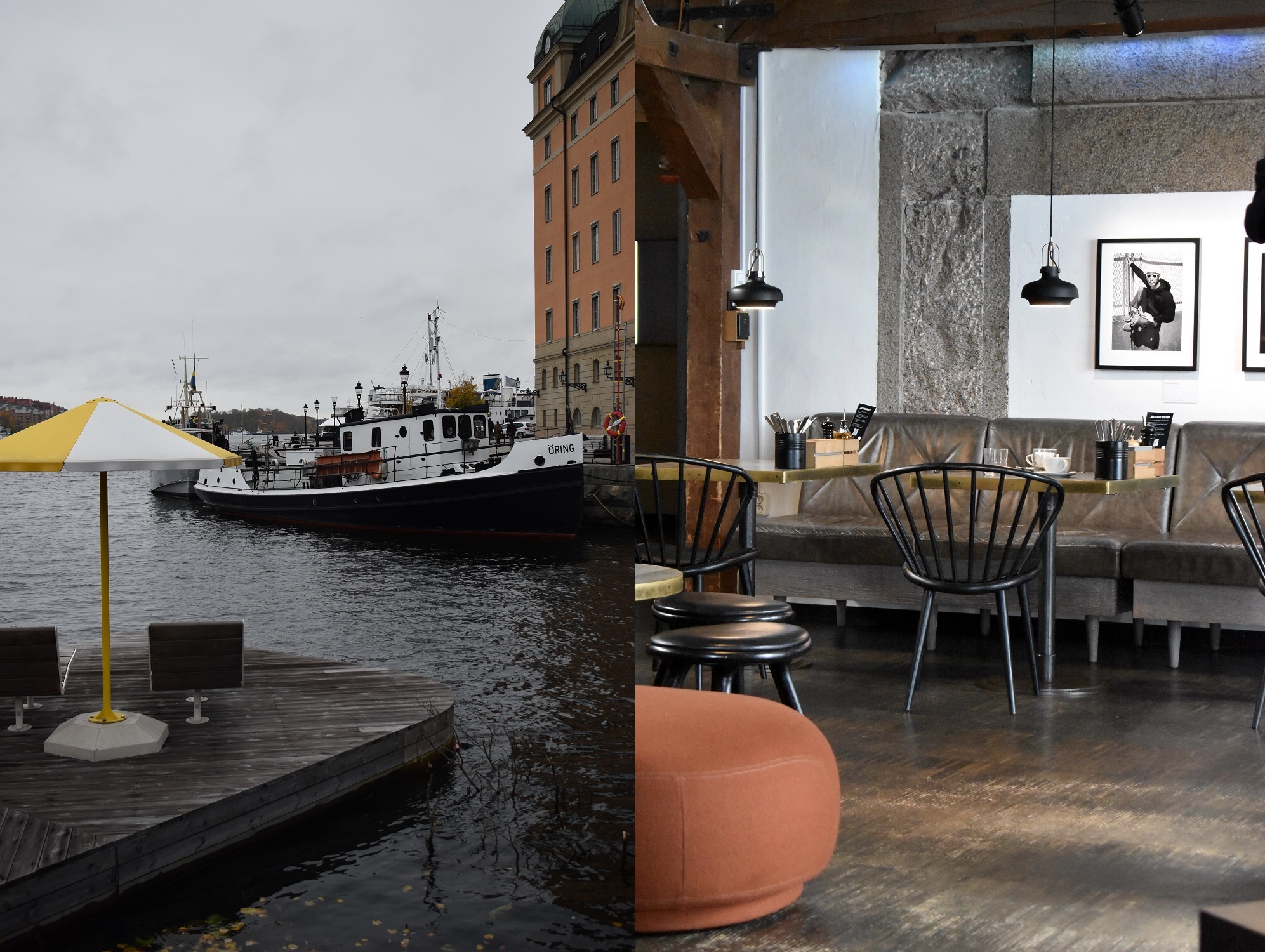
When in Stockholm last month, I went to Fotografiska Museum. I was… intrigued. The highlights were undoubtedly Herb Ritts’ photographs, David Bowie by Anton Corbijn, the current Lotta Antonsson exhibition and the surrealist montage. The downside was that I felt there was an obvious emphasis on the changes occurred in photography in the digital age, especially the AI-aided photography that is on the rise. I want photographs that are man-made, as analogue as possible, where the newness comes from an exploration of the photographer’s ability to think in images, or their fascination with light, or using black and white or colour in different ways to obtain a higher degree of abstraction. An AI generated or AI-incorporated image has no appeal to me whatsoever, and although the museum’s perspective offered quite a revelatory glimpse into the image-making realm of the present day, I found it unsettling and gloomy.
But I want to end with another highlight, impossible to ignore: The museum is housed in an industrial brick former customs house, a raw and authentic backdrop for the art of photography (a city that puts great thought into preserving old buildings and finding ways to repurpose structures is clearly concerned with protecting its heritage and strengthening its community), but the real stunner is the rooftop café overlooking the archipelago. And the museum’s shop is the kind of shop that I prefer to many other sorts of shops for gifts and things to bring home. The good news is that the online shop carries an even wider selection of photographs at a considerable size and great price point: Sophia Loren by Kary H. Lasch, a Vivian Maier self-portrait, an amazing Thomas Billhardt selection, timeless Elliott Erwitt, an unforgettable Tatjana Patitz portrait by Ellen von Unwerth, and, of course, Anton Corbijn, to name just a few of those who are an undeniable proof of why I value the classic masters of photography and photography as craftsmanship.
The regulars
The interviews, newsletters and podcasts I turn to every week and/or every month because they are that good. Soundtracking, with Edith Bowman. Ruthie’s Table 4 with Ruth Rogers. Fashion Neurosis, with Bella Freud. AccuRadio. Craig Mod’s newsletters: Roden and Ridgeline. Rennae Stubbs tennis podcast. Gone to Timbuktu with Sophy Roberts. Sirene Journal, Racquet, Waves & Woods, Legénde, and Monocle, all in print.