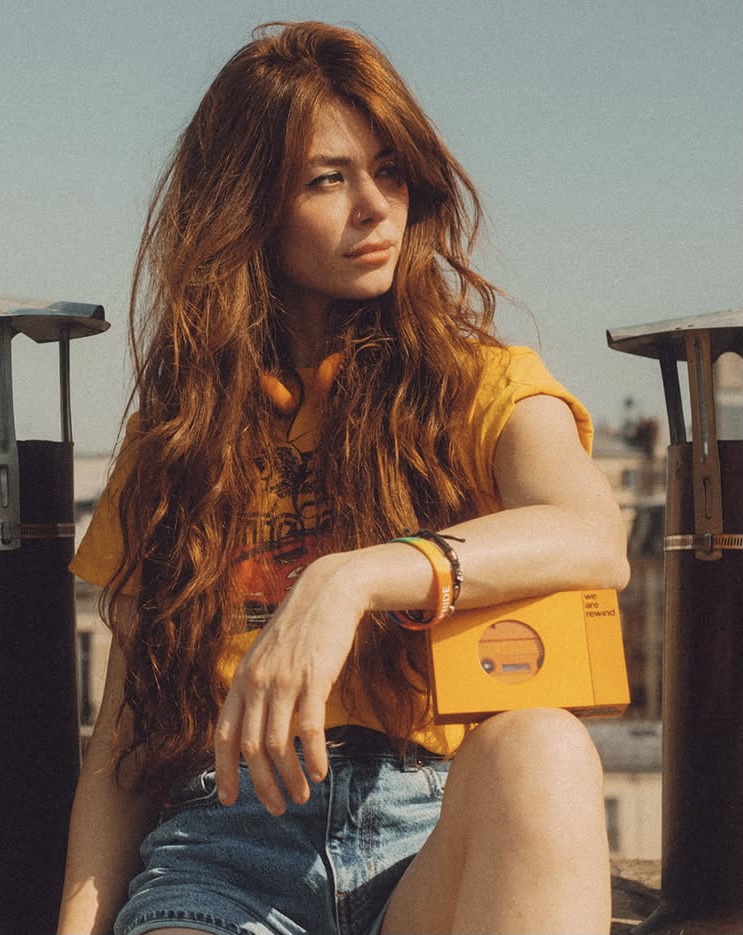
We Are Rewind “Serge” cassette player
We have the world’s song library at our fingertips today, and yet, we are not enriched but rather engulfed by it all. In the age of algorithm-driven playlists and AI generated music, We Are Rewind has brought back the cassette player, and the world, including, promisingly, the young generations, is fully embracing what is ultimately a quintessential (counter)cultural experience. Because even compared to listening to a vinyl, listening to a cassette tape is a more personal, emotionally resonant experience. Somehow music becomes more hearable, seeable, intentional and touchable, not just moments but extended living experiences.
The medium becomes just as important as the music. We choose the music that reflects our mood, our tastes, music that shows that we care to be authentic. We Are Rewind is bringing back the real connection with music, connection that leaves a mark and that means genuine engagement, because it’s why we make music in the first place.
With We Are Rewind, co-founders Romain Boudruche and Matthieu Mazières pursued a dream by rethinking the obvious, being bold and playful, and building on something much bigger than a great product – staying focused on the change that they want to create and humanizing music again. Each of their distinctive cassette players, thanks to a brilliantly crafted product image that blends music culture, timeless design and a retro yet forever young spirit, has taken a life of its own. There is Elvis, and Kurt, and Keith, and Edith… We finally seem to be on the right track again.
In our interview, Romain and I talk about how they designed a product that is iconic, simple and instantly recognisable, about the underground culture of the cassette tape, how growing up in the digital era has made younger generations nostalgic for a time they never knew, about how a good mixtape should feel like, about the good and the bad of technology in music, and about Kate Bush and Stranger Things as a the pivotal moment in the public’s collective mind and music industry.
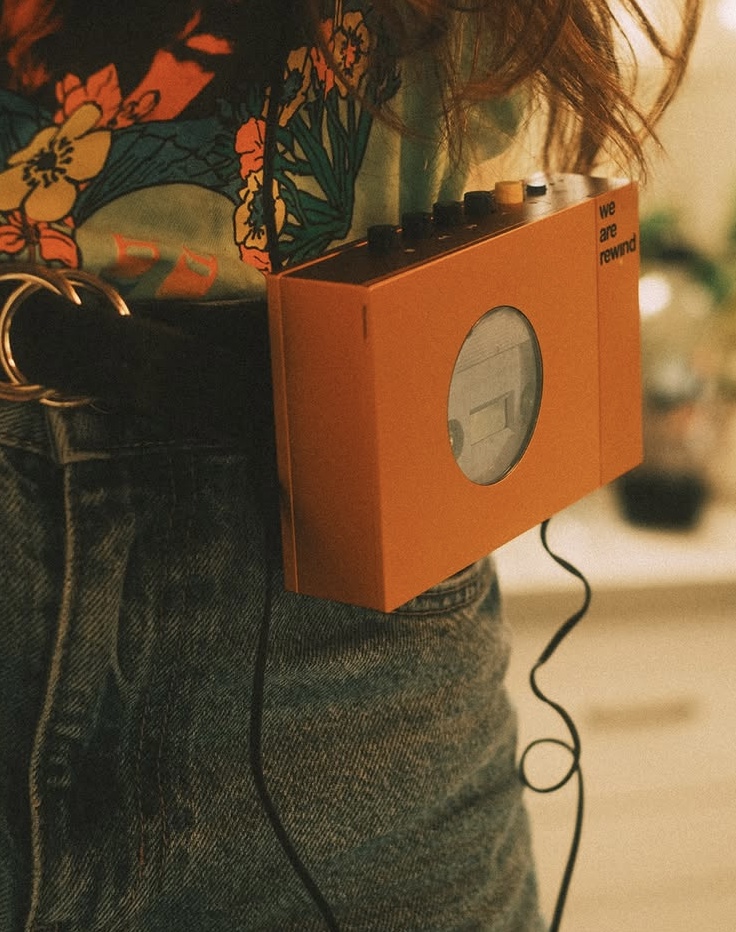
We Are Rewind “Serge” cassette player
How long before starting We Are Rewind did you realise there is a market for cassette players?
We realised there was a market for cassette players almost immediately after reading an article highlighting the growing resurgence of cassettes. It instantly made sense to us: if people were rediscovering cassette tapes, they would eventually need high-quality players to listen to them again. That’s really how the idea for We Are Rewind was born.
And how did We Are Rewind come about? Because you had to build everything from scratch, didn’t you, turning to the past and stacking skills to create something new.
It has been a real uphill battle. At first, we wanted to manufacture everything in France, but we quickly realised that the only viable option was to produce in China. We tried, and are still trying, to help revive certain production capabilities and factories, but for now it’s almost impossible. So we had to work with the last remaining manufacturer still producing cassette mechanisms and build from there, pushing the technology as far as possible. To achieve that, we relied on engineers with more than 35 years of experience in analog electronics and cassette technology. In many ways, We Are Rewind was built by combining old expertise with a modern vision.
“In many ways, We Are Rewind was built
by combining old expertise with a modern vision.”
The design was the first thing that caught my attention when I discovered We Are Rewind. I remember thinking “This is so much cooler than the Walkman ever was”. How did you arrive at this particular design, a modern classic?
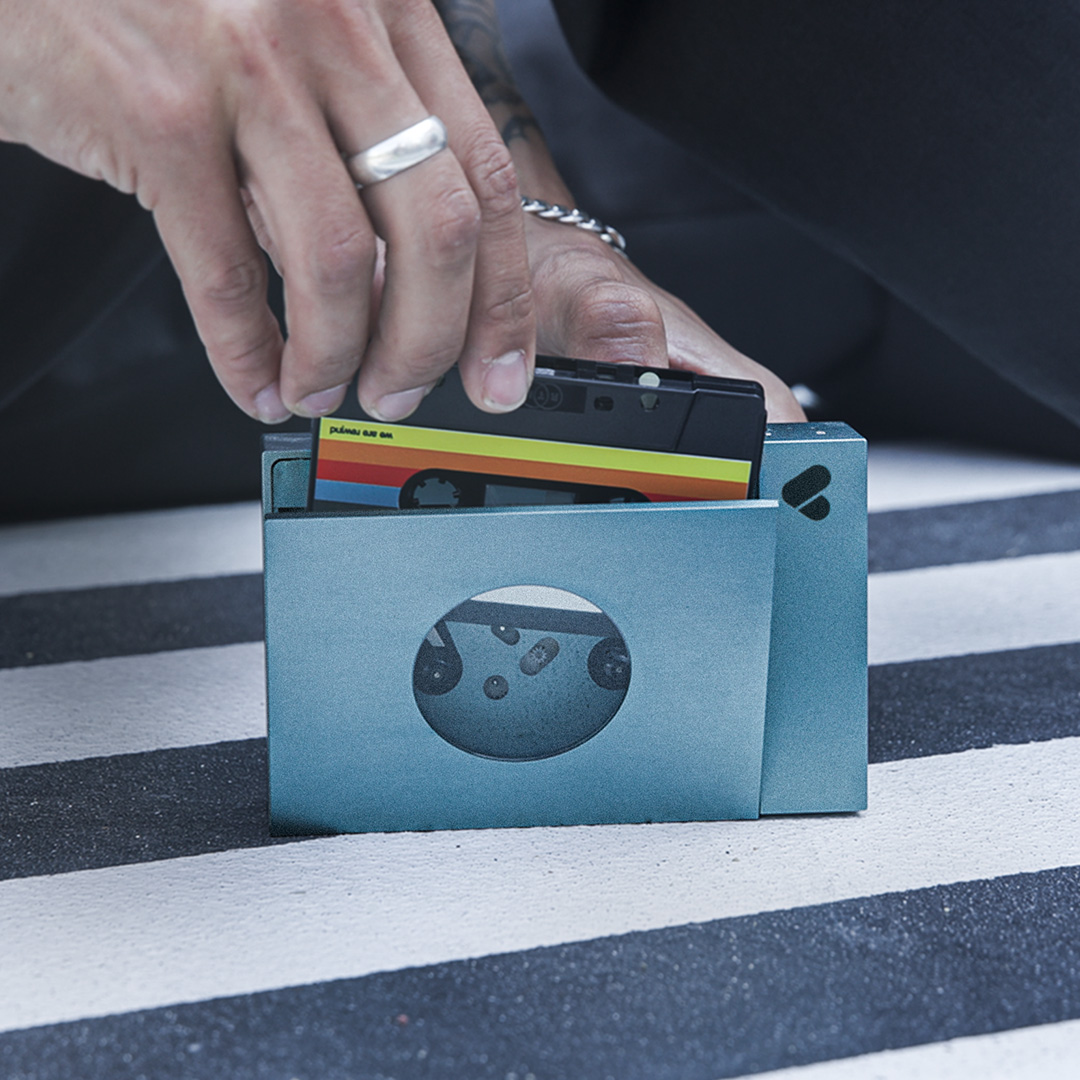
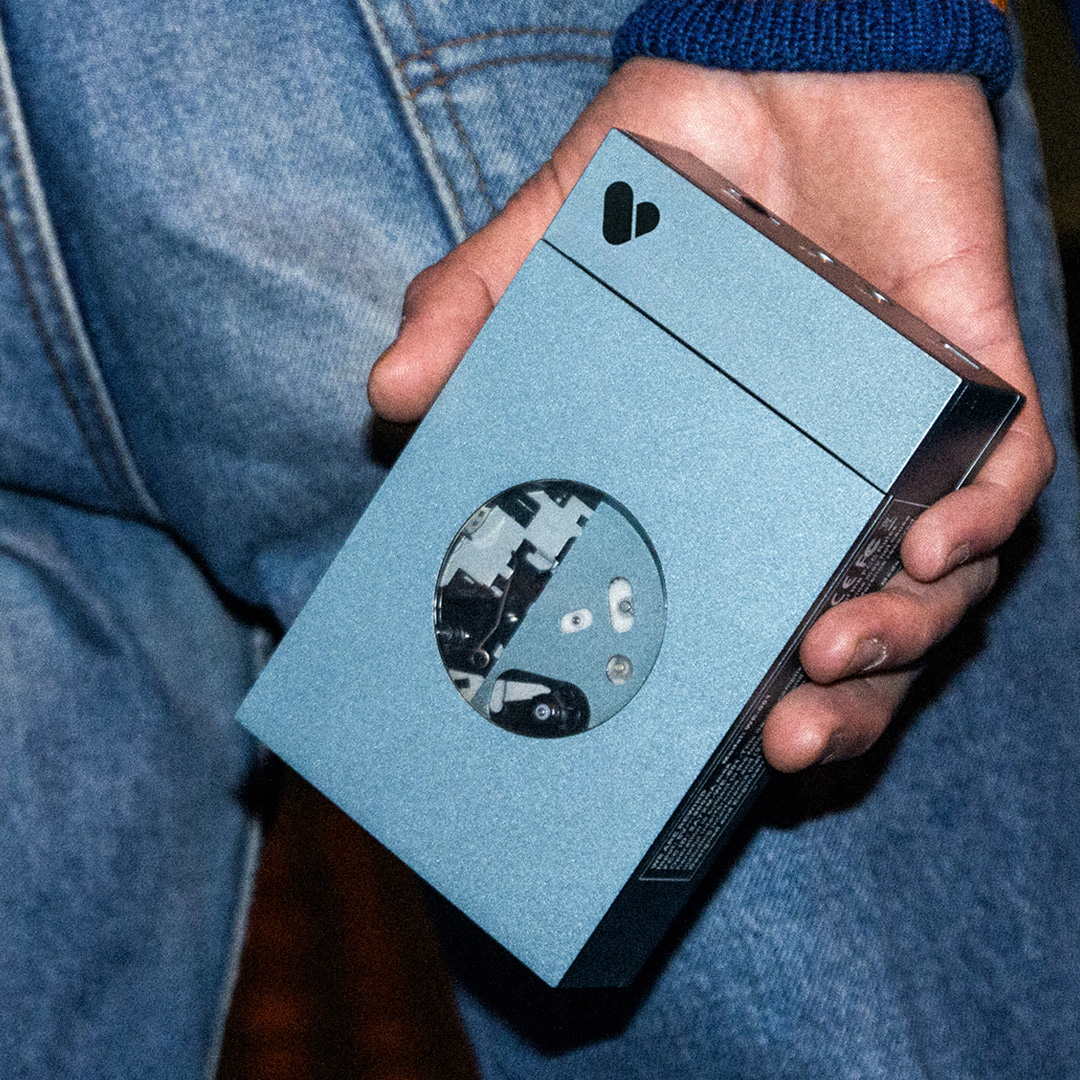
Our designer actually came to us with three very different concepts in the early stages of the project, and the version featuring the circular window immediately stood out to us. It felt iconic, simple, and instantly recognisable.
For this design, he drew inspiration from Dieter Rams’ philosophy of “less, but better.” We wanted the product to feel minimalist and timeless rather than overly retro or gimmicky.
As for the colours, our goal was to create a subtle connection to the 1980s and particularly to Sony’s very first Walkman, the TPS-L2. That’s why our artistic director developed this very distinctive deep orange alongside the recognizable blue-grey tones, giving the product a strong visual identity while still feeling modern.
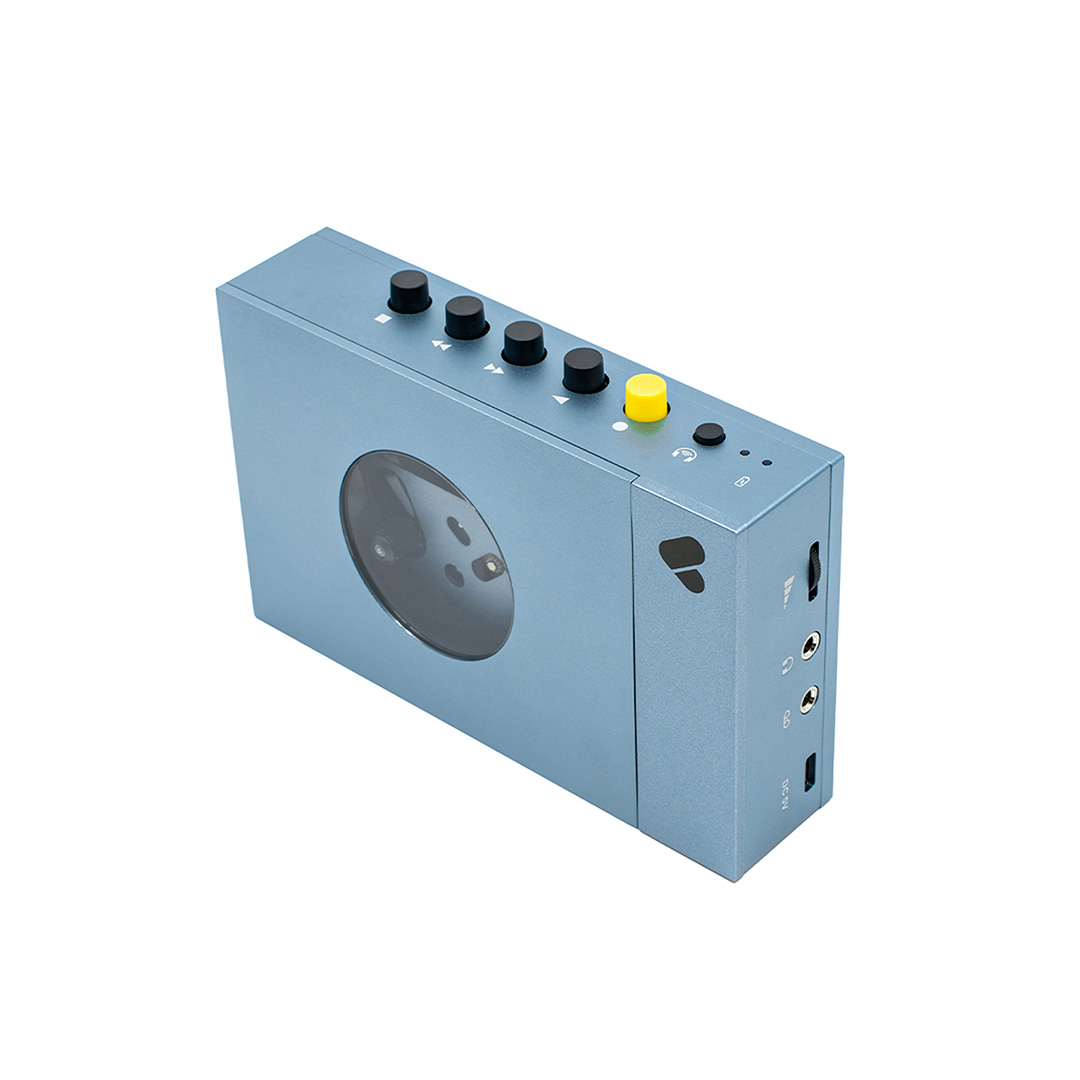
“It felt iconic, simple, and instantly recognizable.
We wanted the product to feel minimalist and timeless
rather than overly retro or gimmicky.”
We Are Rewind “Kurt” cassette player
Technology has changed the way many of us listen to music, but analogue formats are coming back with a vengeance, gaining more and more terrain. The vinyl is back, and now the cassette is back. It’s more than a cultural movement, it’s more like a counter-cultural movement, it’s what usually breaks free and moves things forward. How does it feel to be part of that?
It feels amazing to be part of this movement. We are music lovers ourselves, and we completely relate to the idea that everything moves too fast today. Going back to vinyl and cassette is a way of slowing things down and reconnecting with the moment in a more intentional way. There’s also a big difference between having access to ten million songs and actually owning a collection of albums. A vinyl or cassette collection is something personal and tangible. It reflects your taste, your memories, and your relationship with music. It turns listening into a real experience again, rather than just background consumption.
Romain and Matthieu, when did your passion for music start? What does music mean to you?
As far back as we can remember, music has always been part of our lives. In high school, it was probably the most important thing outside of our studies. We were hit hard by bands like The Strokes and Arctic Monkeys as we were coming out of adolescence, and after that, no party, no weekend, not even an afternoon would happen without music playing somewhere. We lost count of how many times we told ourselves we should start a rock band. Today, being able to attend festivals and connect with artists we genuinely admire through this project feels surreal. In many ways, it’s a dream come true.
“A cassette collection turns listening into a real
experience again, rather than just background consumption.”
Concerts and festivals have always brought people together (except for the difficult years of the pandemic), but what I believe is now happening, what the big change is, is that people want the physical experience to last as long as possible, and here is where the cassette player comes in, because it’s much easier to live an experience – music – by listening to a portable player than by listening to a vinyl. You are simply bringing fans closer to music, anytime, anywhere. Is there a group of public that you were surprised that caught on the cassette player more than you had expected?
Yes, I completely agree with that perspective. What surprised us the most was actually the younger generation. Initially, we expected our audience to be mostly people between 35 and 70 years old. People who had grown up with cassettes and would feel nostalgic about them.
But in reality, many of our customers are much younger and never experienced that era at all. In a way, growing up in a fully digital world has made them nostalgic for a time they never knew. They are increasingly looking for something more tangible, more physical, and more intentional in their relationship with music.
And interestingly, the cassette has become something almost more original and fashionable again than vinyl, simply because vinyl is now everywhere. Cassettes still feel a bit unexpected, more personal, and somehow more underground, which makes them especially attractive to younger audiences today.
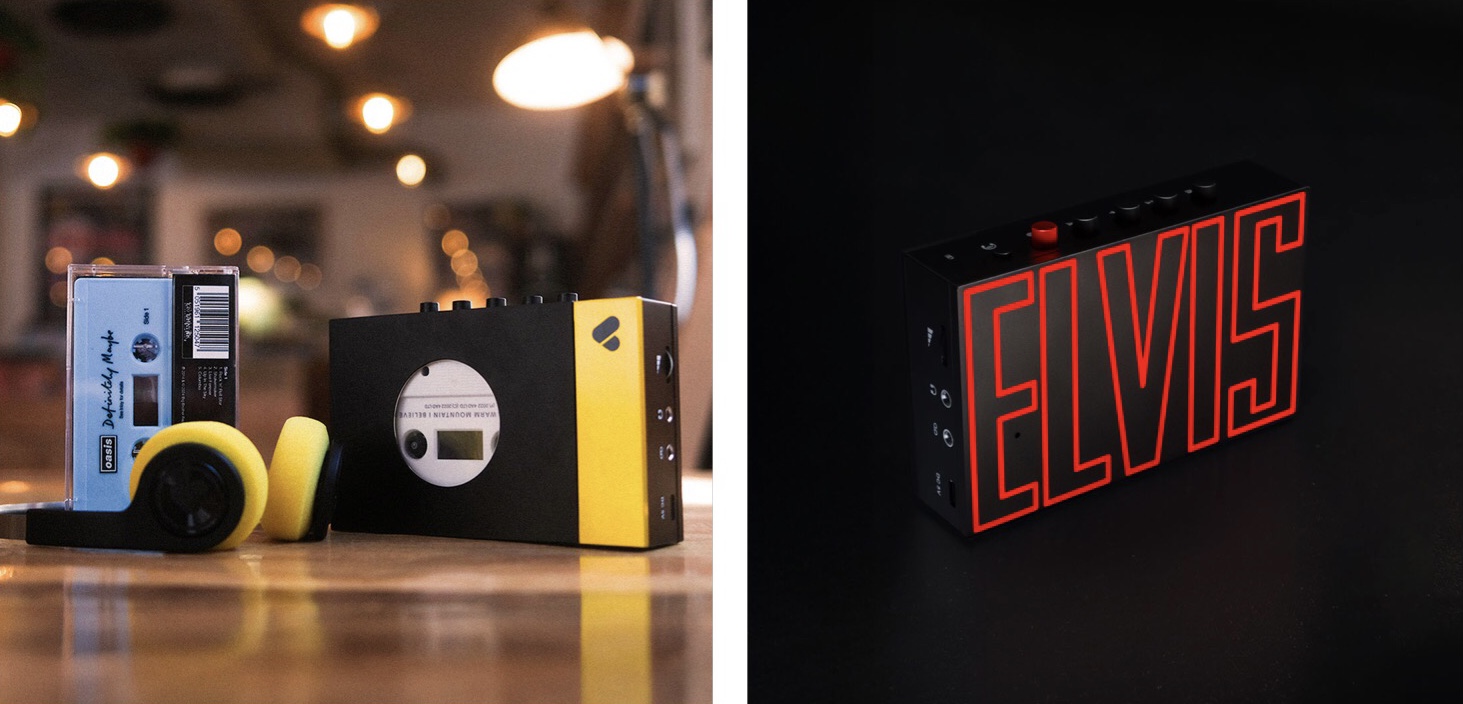
We Are Rewind “Amy” (left) and “Elvis” (right) special edition cassette players
“What surprised us the most was actually the younger generation.
In a way, growing up in a fully digital world has made them
nostalgic for a time they never knew.”
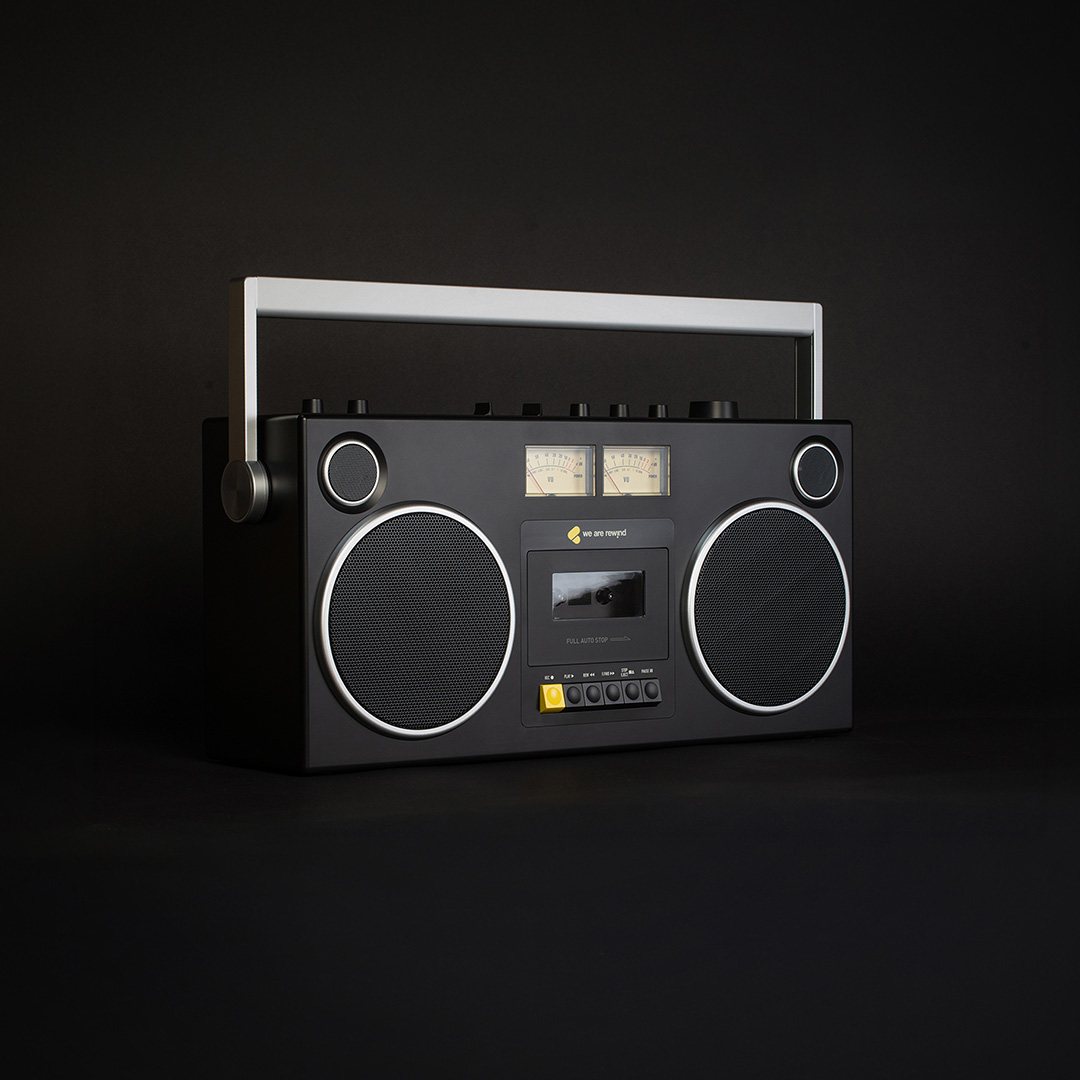
We Are Rewind “Curtis” blaster
That’s wonderful to hear. I always notice in record stores how teenagers often outnumber the rest of the customers. Does this mean there is a probability that more players will appear on the cassette-player market? And if you had to single out one essential quality of We Are Rewind that gives you the most confidence in the role and place your brand has on the market, what would that be?
Yes, I definitely think more brands and manufacturers will enter the cassette player market in the coming years, and honestly, we see that as a positive thing. The more players there are, the more the cassette format itself continues to grow and become part of contemporary culture again. As for We Are Rewind, I believe one of our biggest strengths is the partnerships and collaborations we develop with artists and brands. They help position our products not just as audio devices, but as cultural and lifestyle objects. Collaborations with artists, festivals, fashion brands, or pop culture franchises give our cassette players a more modern, cool, and desirable image, especially for younger generations.
Are we going to have a Strokes or Arctic Monkey cassette player soon? How did you decide to colour and name the cassette player models?
We’re working on it, but as you can imagine, it doesn’t depend only on us. As you may have noticed, all of our cassette player models are named after iconic artists and musicians: “Serge” for Serge Gainsbourg, “Kurt” for Kurt Cobain, “Keith” for Keith Richards, “Edith” for Edith Piaf, “Amy” for Amy Winehouse, “Curtis” for Curtis Jackson (50 Cent), and so on. It’s our way of paying tribute to artists who shaped music history and inspired us personally. Each name gives a certain personality and emotional identity to the product beyond its color or design alone.
“The more players there are, the more the cassette format itself
continues to grow and become part of contemporary culture again.”
Or maybe Kate Bush? Stranger Things is just part of the conversation now, because of that unbelievably perfect character-music connection, Max Mayfield and Kate Bush, and, yes, the Walkman. How pivotal do you think that moment was, not just in the public’s collective mind, sieving through the present day culture, in unprecedented ways, but also in the music industry, of which you are part of?
I think that moment was hugely important. The connection between Max, Kate Bush, and the Walkman in Stranger Things. That moment felt incredibly genuine and emotionally powerful; it wasn’t just nostalgia for decoration, but a demonstration of how music and physical objects tie deeply to memories. What was most impressive is how it introduced a younger generation to Kate Bush, cassettes, and Walkmans simultaneously. This shift transformed cassettes and players from outdated technology back into cultural symbols, proving that younger audiences are receptive to older formats when they are backed by emotion, storytelling, and authenticity. From an industry perspective, moments like this have a significant impact. They remind artists, labels, and brands that music is more than just audio content consumed through algorithms — it remains a physical, emotional, and visual experience. Ultimately, I believe that scene did more for the image of cassettes and portable music players than most marketing campaigns ever could.
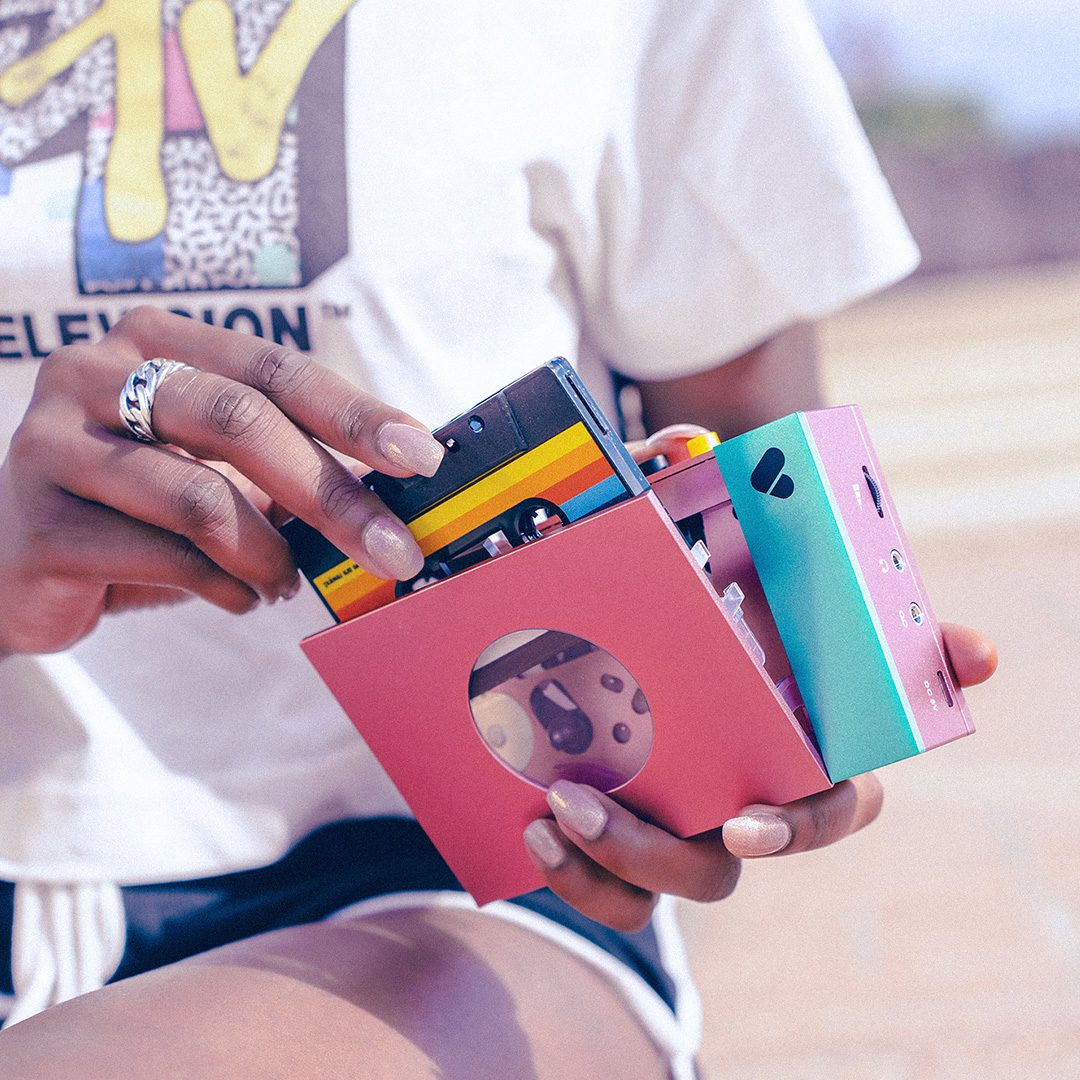
“Music is more than just audio content consumed through algorithms —
it remains a physical, emotional, and visual experience.”
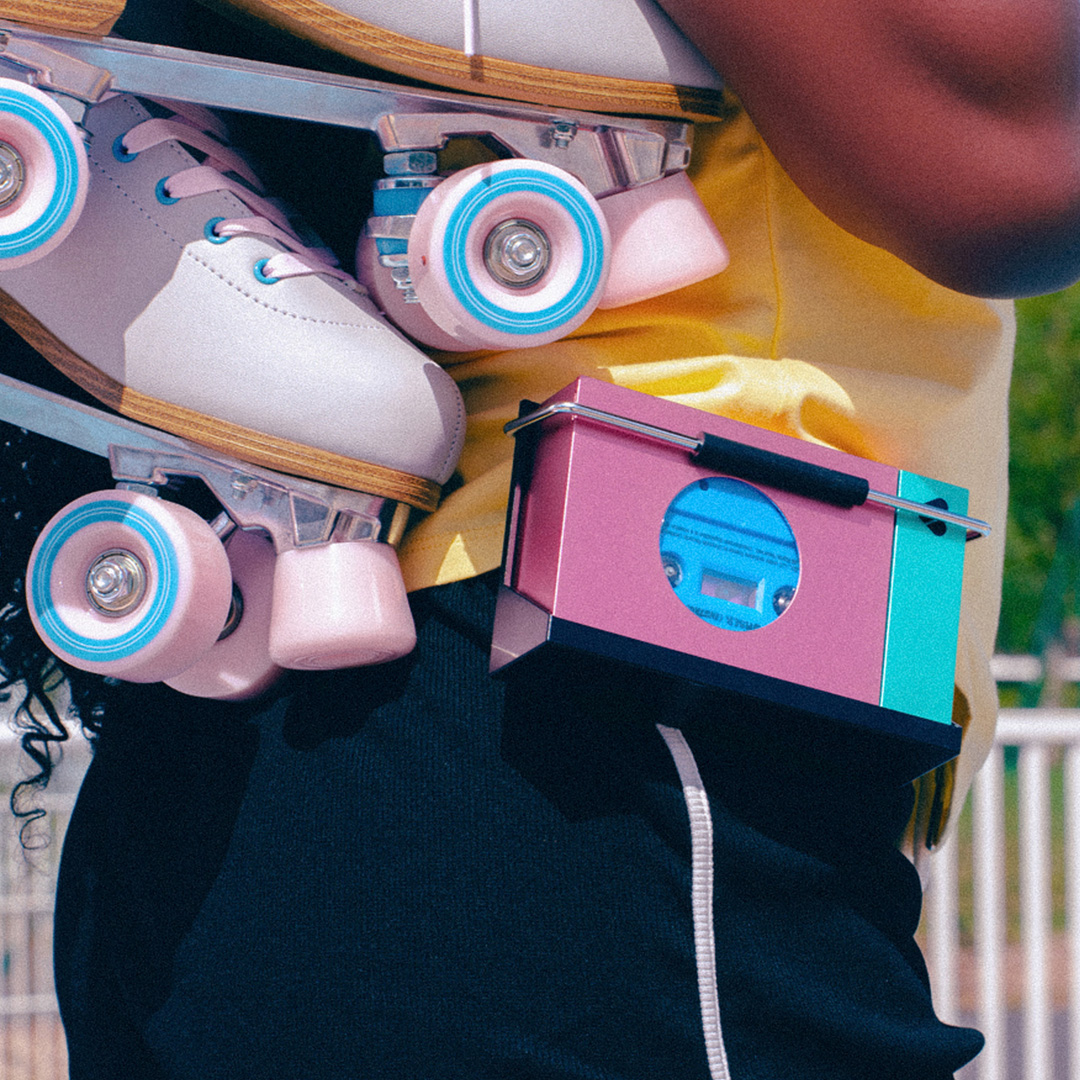
We Are Rewind “Edith” cassette player
What will you always include on a mixtape?
Personally, I would definitely include songs by The Beatles, The Strokes, Arctic Monkeys, Daft Punk, Justice, David Bowie, Pink Floyd, Tame Impala, The Kinks, Fleetwood Mac, Stevie Wonder, Jim Croce, Bon Iver, and Air. For me, a good mixtape should feel like a journey — something that moves between different moods, generations, and sounds while still feeling coherent from beginning to end.
What is the biggest challenge for We Are Rewind at the moment?
Probably our biggest challenge today is a technical one. We are constantly looking for ways to improve the playback and recording quality of our cassette players, but this is extremely difficult because most of the factories and industrial infrastructure linked to analog audio no longer exist. On top of that, people with deep expertise in analog technology have become very rare today. Many of the engineers and specialists who mastered these technologies have retired, and very little knowledge has been passed on to newer generations. So a large part of our work today is not only about designing products, but also about rebuilding technical know-how that has almost disappeared.
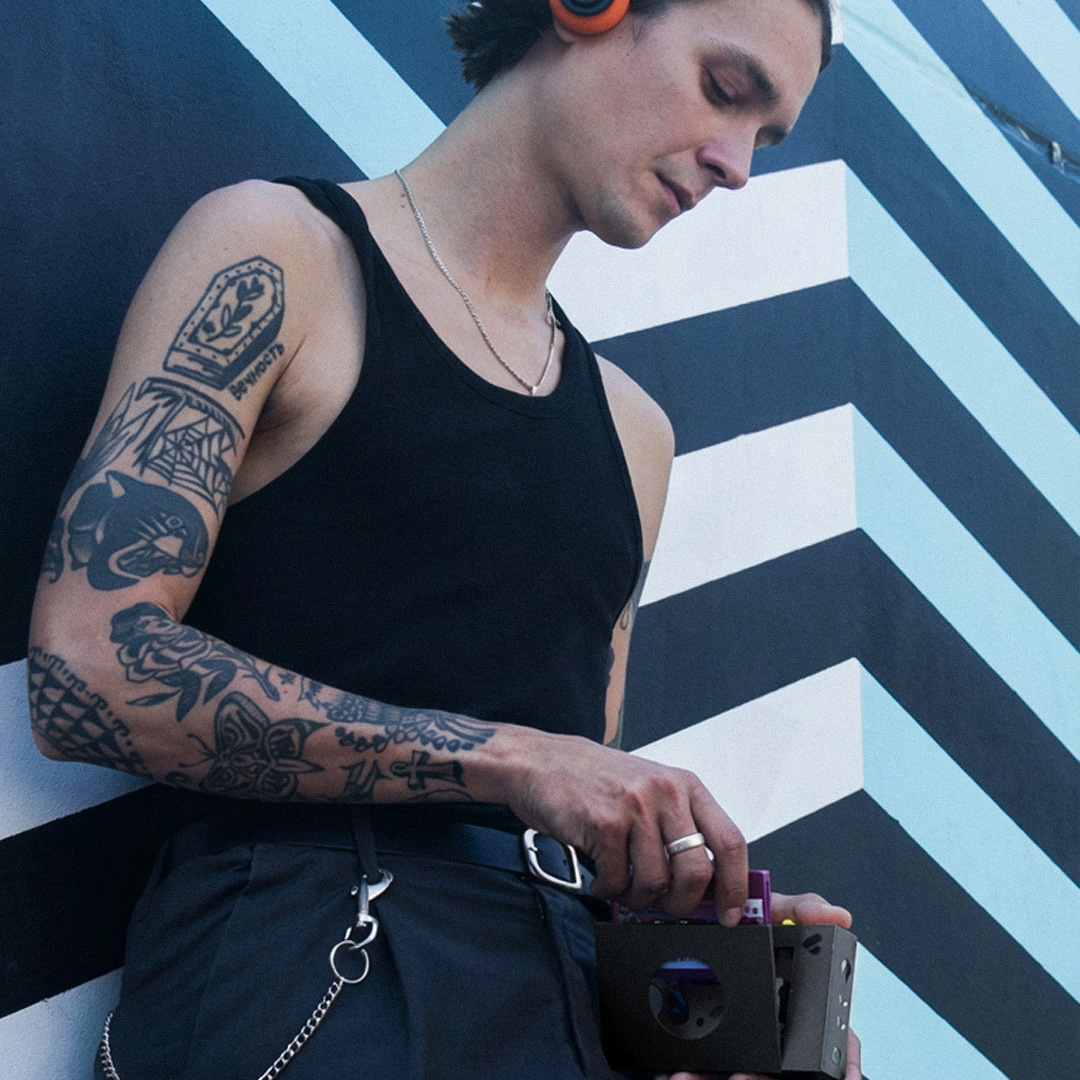
We Are Rewind “Keith” cassette player
“Our biggest challenge today is rebuilding
know-how that has almost disappeared.”
Have computers changed music for good?
I think computers have transformed music forever, both in positive and negative ways.
On one hand, technology has democratized music creation enormously. Today, someone can produce an album from a bedroom with tools that would have been unimaginable a few decades ago. That’s incredible. But at the same time, music has also become much more immediate, disposable, and sometimes less intentional. When you have instant access to millions of songs at all times, music can easily turn into background noise rather than something you truly experience. That’s probably why we are seeing such a strong return to physical formats today. People still crave emotion, ritual, and connection. Listening to a cassette or a vinyl forces you to slow down, choose an album, press play, and really engage with the music. In a way, technology changed music forever — but it also created the conditions for people to rediscover more analogue and human ways of listening again.
Romain, in this day and age, what do you wish people appreciated more?
I wish people appreciated slowness a little more. Today, everything moves incredibly fast — music, images, information, trends and sometimes it feels like we no longer take the time to truly experience things. That’s also why physical music formats matter to me. Putting on a cassette or a vinyl creates a small ritual. You take the cassette in your hands, open the box, look at the artwork, read the lyrics on the J-card if they’re printed there, discover the photos, press play… all of that is part of the experience. It turns listening into something more intentional and emotional. I think there is something very valuable in reconnecting with these more tangible moments in a world that has become almost entirely digital.
“In a way, technology changed music forever —
but it also created the conditions for people to
rediscover more analogue and human ways of listening again.”
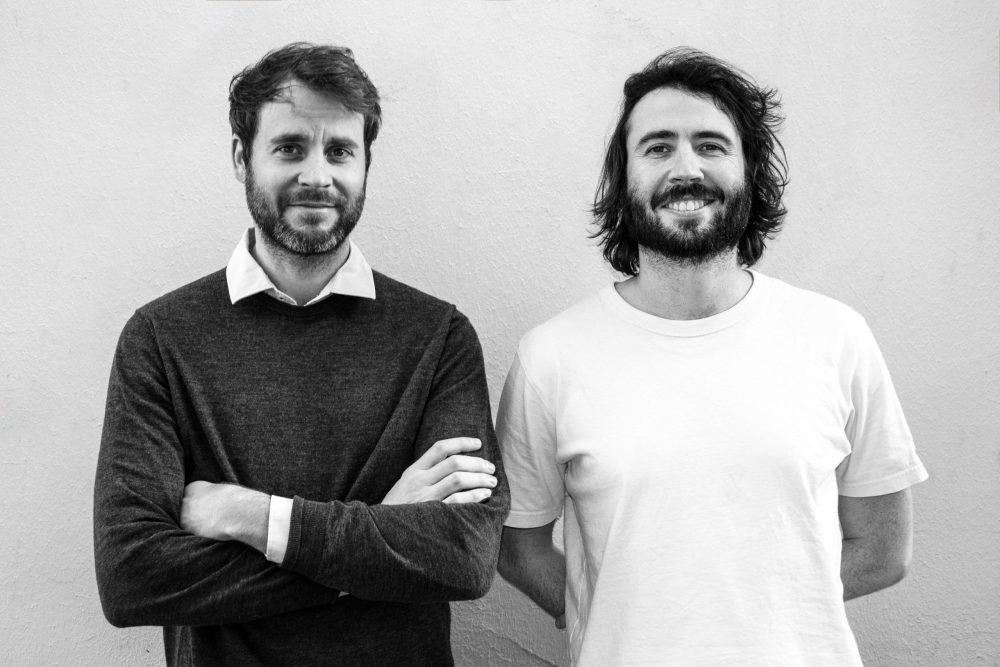
We Are Rewind co-founders, Romain Boudruche (left) and Matthieu Mazières (right)
Website: wearerewind.com | Instagram:@we_are_rewind
MORE STORIES
“This is truly who I am”: In conversation with artist Heather Chontos
“Continually honing my ability to imagine is an important part of my work”:
In conversation with cinematographer Bill Kirstein
“It’s about having an emotional reaction”:
In conversation with photographer Clèment Vayssieres