Catherine Deneuve and Yves Montand in “Le choix des armes”, 1981. France 2, Parafrance Films
When Serge (Pierre Forget) escapes from prison with Mickey (Gérard Depardieu), an uncontrollable young thug who doesn’t hesitate to kill two cops on their way out, they take refuge with an old friend of Serge’s, Noël Durieux (Yves Montand). A former gangster, he has retired and now leads a bourgeois life breeding horses on a farm, along with his wife, Nicole (Catherine Deneuve), with whom he shares a deep love and bond – in so few words, in just a few frames and telling looks, the director subtly and artfully builds this connection. Alain Corneau is called a pillar of the French policier film (according to Jean Ollé-Laprune, in Le cinéma policier français), a great cinephile, as curious as a scholar, and while Série noire may be his most appreciated film, I find that there is something special, a distinctive cinematic language, about Le choix des armes.
Partly because of the incredible cast (I have written about Montand and Deneuve in Le sauvage, but this is their most beautiful film and pairing), partly because of the sublime depiction of the generational and class cross, both social (the harmonious and peaceful country burgeouise life and the Parisian suburb slums in a sinister dilapidation) and personal (Montand is part of a gentlemen’s world of mobsters and criminals, living and dying by a certain code of honour, never betraying their own, and dressing the part, echoing Jean-Pierre Melville’s cinematic universe and characters, while Depardieu is a petty killer, a mad dog with no honour, no law, not even his own, to abide by, the crime product of a rotten society), the film is fashioned as a sublime study of human behaviour in a modern social environment, with Phillipe Sarde’s superb musical score and lyrical double bass further amplifying the tragic conflict between these two different worlds.
As quoted in the book Yves Montand: La force du destin, Alain Corneau revealed that
“Le choix des armes was born from my rediscovery of French detective cinema. I wanted to make a bridge between the thriller of the 1950s and that of the 1980s, to create a confrontation between two generations, among cops and thugs, but also by showing new towns and the countryside.”
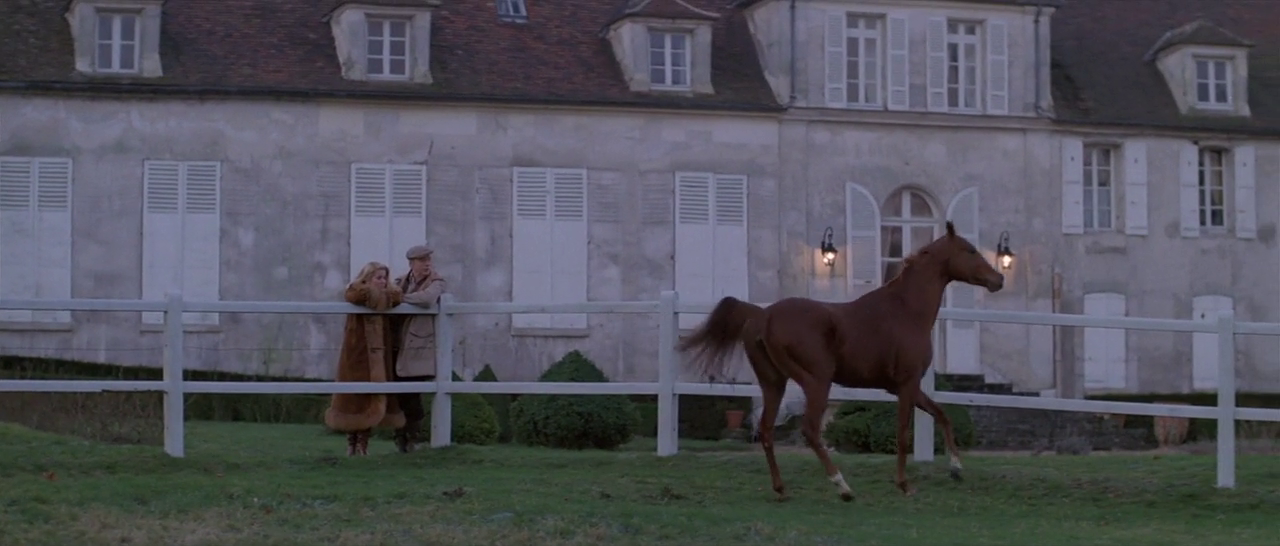
Catherine Deneuve and Yves Montand in “Le choix des armes”, 1981. France 2, Parafrance Films
After Mickey forces his way into Durieux’s life, the latter eventually decides to take things into his own hands, finding himself thrown back into a world he had managed to stay out of until then. He goes after him. And he dresses up for it. There is no abrupt transformation in looks, as it happened in Melville’s Le cercle rouge, when Montand’s character, Jansen, goes from looking “filthy, unshaven, with a three-day beard, like Faulkner in one of his alcoholic bouts,” as described in the script, having harrowing hallucinations under the influence of alcohol, sweating, disheveled, wearing a dirty shirt and a slouchy coat, to dressing up to the nines – in order to hide reality and regain self-respect. The heist job and the elegant clothes are not just his ticket out of the rout, but as a typical Melville character, he has to conform to mood and ambience rather than narrative and regards “even the shortest distance between two points as an opportunity for display”, as Charles Drazin writes in The Faber Book of French Cinema.
In Choice of Arms, Montand’s costumes don’t signal the same kind of metamorphous transformation. We see him fully and happily immersed in his work and life in the countryside, a gentleman-farmer dressed in plaids, rubber boots and tweed hats, perfectly matching his wife Nicole’s palette of browns, camel coats, oversized knitted sweaters and checkered skirts. A medley of timelessness and aristocratic country elegance (maybe English-inspired, too, given the Durieuxs’ interest in the farm they want to purchase in Cork) naturally carried out by Deneuve and Montand’s great screen presence, their matching clothes aren’t just a thing of practicality, they are a reflection of their special relationship – there’s a perfect union between them, she never judges, never lets him go. And they are the personification of the life they are living. No matter his past, this kind of living suits them both.
But going after Mickey, getting the job done, requires a different kind of clothes. The look is part of a certain world, a gentleman-crook’s world, and this couldn’t be more evident than in the scene when Durieux meets with his old gang in the garage, him wearing a black suit, black knitted tie, white shirt and tweed coat, his former partner wearing a black coat, fedora and white scarf. The ubiquitous impeccably dressed criminals but who somehow lack the vanity of Melville’s characters (who are frequently shown checking their reflections and adjusting their clothes). Dressing this certain way is not a vain ritual, it’s not just a declaration of allegiance to the Hollywood gangster, nor an affirmation to the iconography of the cinematic figure of the gangster dandy. I believe Alain Corneau succeeded to go beyond that image and he made the character of Noël Durieux entirely his. There is one element there that made me wonder. Montand keeps his tweed cap. He doesn’t swap it for the dressy felt hat that appears on his partner. In his portrayal of Durieux, Corneau does not make excessive use of the iconography of the genre, as Melville did. Instead, he goes by the unwritten rule of his criminals’ “good old methods”, the expression commissioner Bonnardot (Michel Galabru), who has known Durieux from the old days, uses when he explains his methods (resembling them to those of those whom he chases) to the zealous young policeman Sarlat (Gérard Lanvin), eager to try out his new methods. Dressing well is a matter of respect, not a way of showing off, Corneau’s character seems to say.
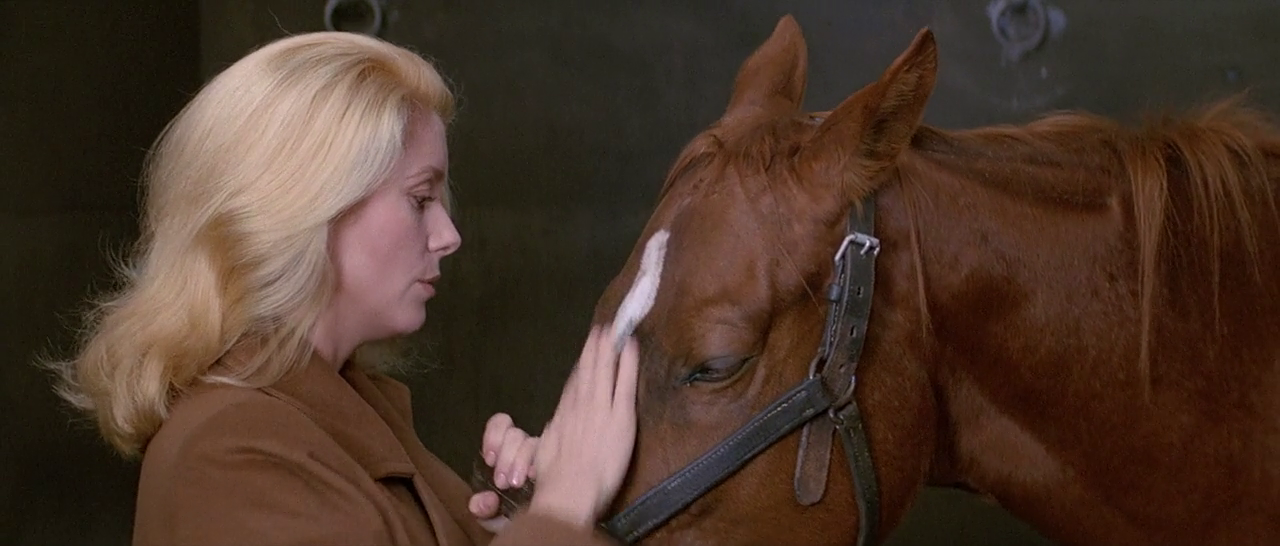
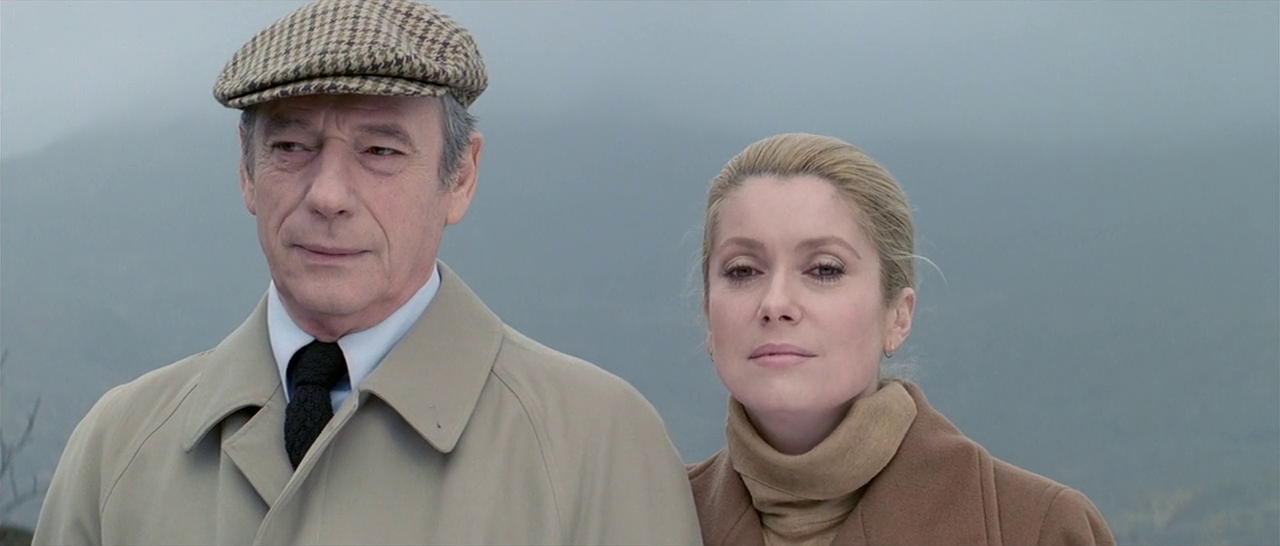
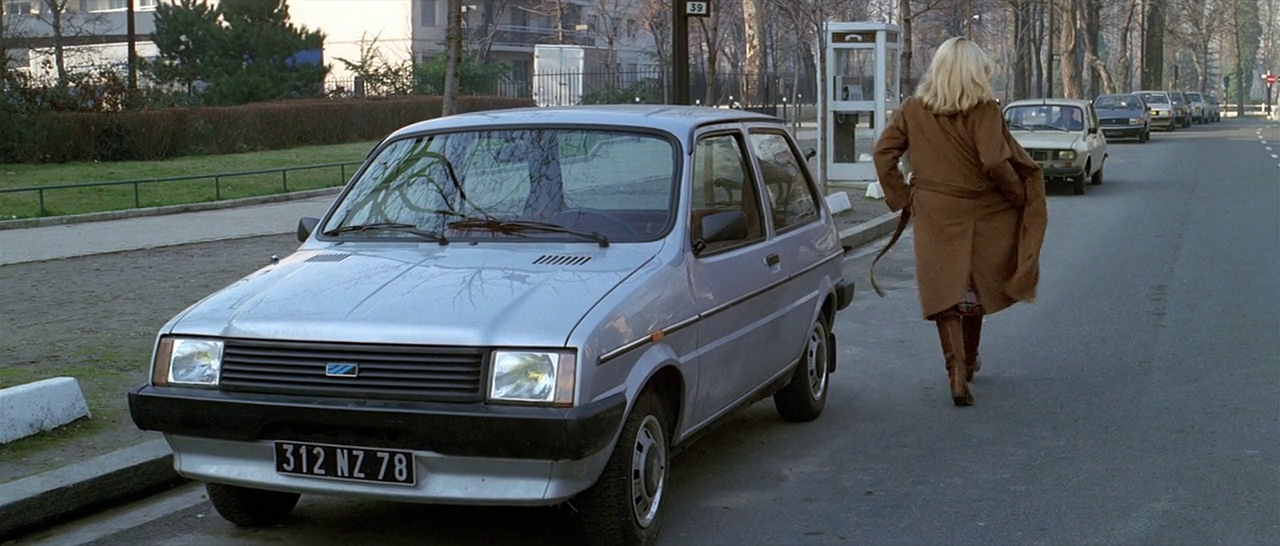
Catherine Deneuve and Yves Montand in “Le choix des armes”, 1981. France 2, Parafrance Films
If I could choose a film for this fall, this would be it: the story, the setting, the mood, the cars, the horses, the weather, the costumes and Catherine Deneuve as the image of the most beautiful fall fashion campaign, the music. And the sound of the cars driving away on the farm’s gravel alleys, the sad sound of summer, even a part of life, closing in.
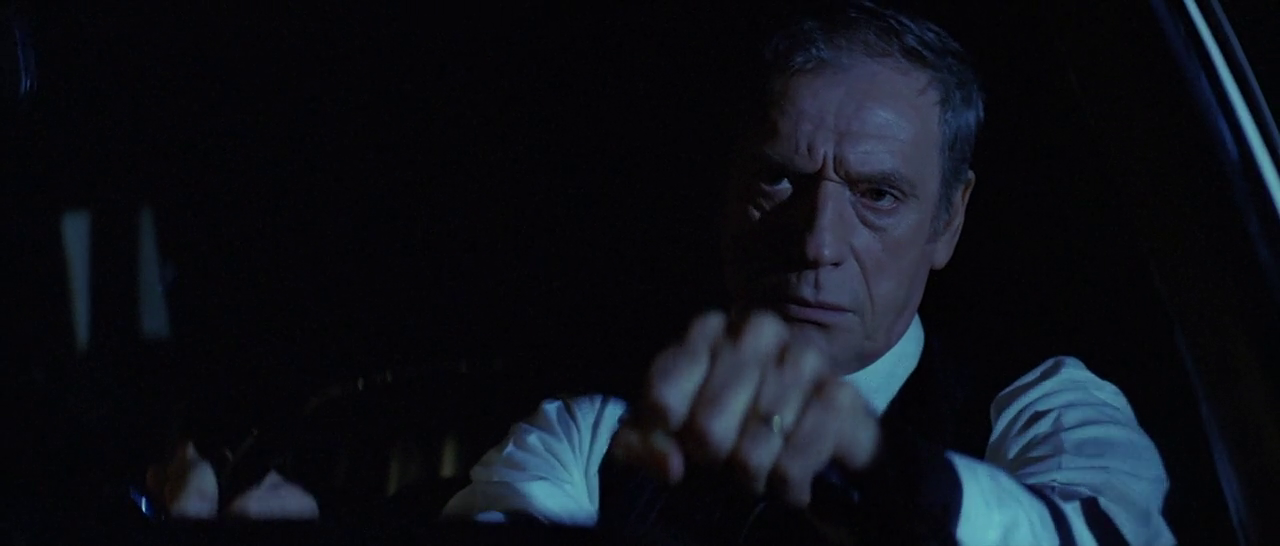
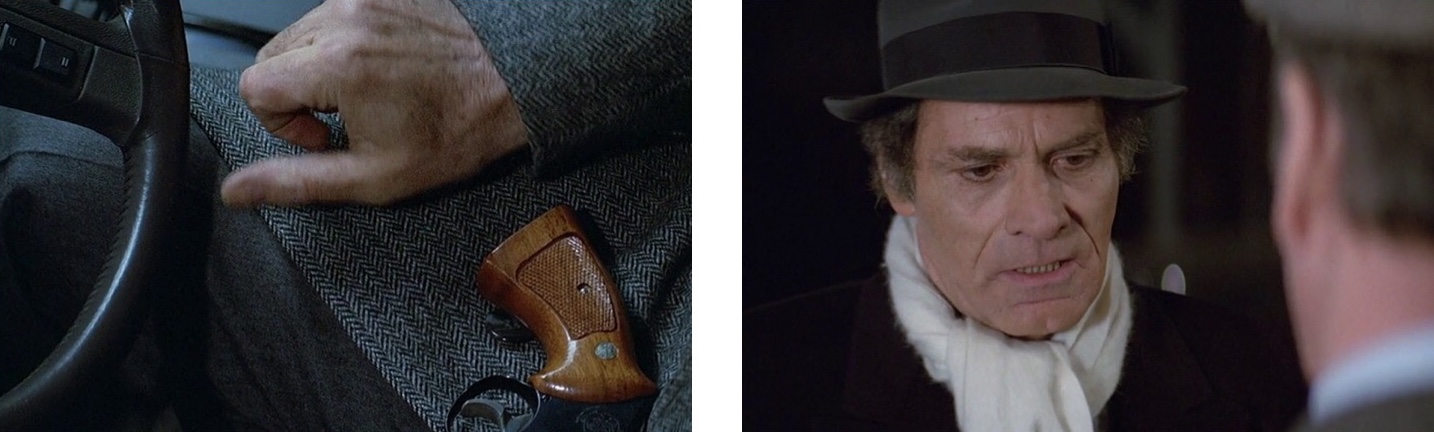
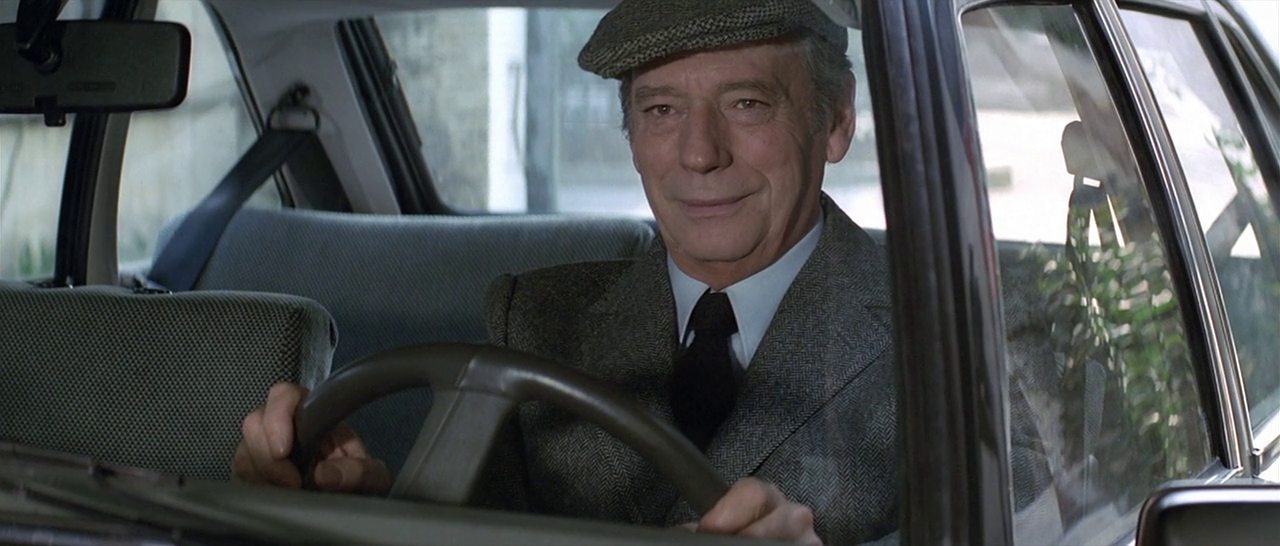
Yves Montand in “Le choix des armes”, 1981. France 2, Parafrance Films
MORE STORIES
This summer we’re channelling: Catherine Deneuve in Le sauvage
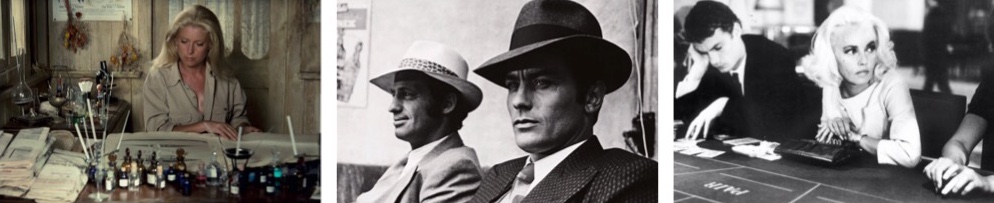
Delon, Belmondo, Borsalino and The myth of the gangster dandy
Jacques Demy in Black & White and His Quiet Heroines