”I love the idea of a book that stays with you:
one you can’t wait to open before a trip, already transporting
you there; one you slip into your bag and carry along with you,
then keep afterwards, a little dog-eared, stained and annotated,
bearing the traces of your journey.”
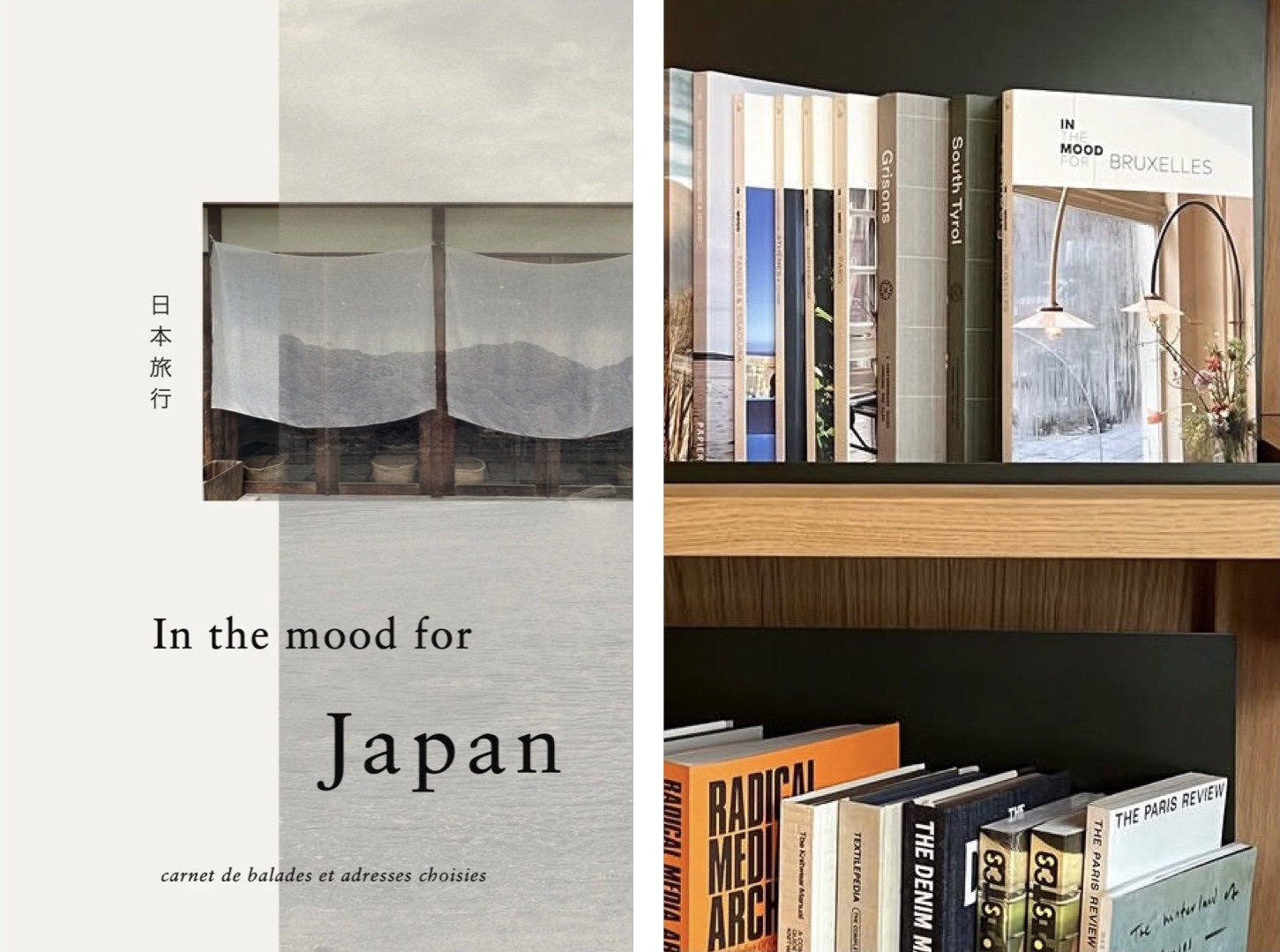
Photos: Courtesy of In the Mood for…Editions
Before a trip, I like to embark on an extensive research of the place I travel to. It’s not exactly an easy task, because some years ago I made a rule to rely as little as possible on the Internet. My idea of a research is pulling out all my stacks of magazines carefully collected over the years and even books – before a road journey to Siena, Tuscany, it was Hisham Matar’s A Month in Siena that I turned to, before a holiday in the Peloponnese, it was Patrick Leigh Fermor’s Mani Travels in the Southern Peloponnese, which led to my favourite of all the travels I’ve made to Greece, and before a recent trip to Sweden, I delved into my own interviews with Swedish artists for fresh references of their true and tried local spots. It’s fun, and rewarding, and a little exhausting, too, as I gather inspiration, take notes and find new perspectives, and yet, a wishful idea lingers each time. The wish for a dedicated voyage guide, the kind “driven by a love for print, photography and graphic design, as well as a desire to create the kind of books I would have loved to take along on my own travels.” These are the words of Audrey Nait-Challal, who has created, written and photographed the In the Mood for… bookguides.
We all document our travels nowadays, as much as some of us, myself included, are trying to resist snapping countless pictures and hoarding them away just because we can (opting for a camera instead of the phone will make you think twice before you press the button, will make the action more intentional, will almost feel like a small act of rebellion), but how different would it be if we slowed down, truly observed the place where we were, stroke up a conversation with the host or the local vendor, just walked, not with a digital map in hand but where our wandering eye took us, and recorded in ink, or at least in typed words, the fleeting thoughts and particular feelings of that moment caught in that very intentional photo we’ve taken, just like an old-school postcard? That’s the kind of thoughtful travel companion In the Mood for… books are.
Audrey Nait-Challal only writes a book after she has felt a natural connection to a place. Not just a place she visits, it’s a world she respects and tries to understand, without rushing. It’s about the experience, not the image, and how a place makes her feel, not how popular it may or may not be.
Her journalistic eye sees beyond the surface and she doesn’t try to force images, trusting herself and waiting for light, movement, feeling to come together naturally. She aims for the truth, but always in hindsight of some deeper connection, emotion, and a sense of being there. A chance to see the true character of a city. Travel is not just one more place to explore, but a new way to be close to what is real.
In our conversation, Audrey tells me how she turned an idea into an independent and uncompromising editorial endeavor, talks about her passion for photography and the ethics of journalism, she takes us to the 11th arrondissement in Paris, and her favourite bookshops, and to quite a few other special places around the world, and thoughtfully passes on morsels of life wisdom.
Traveller, journalist, writer, photographer, storyteller… Audrey, what defines you best professionally?
First and foremost, I’m a journalist. It’s what I’ve wanted to be since I was a child — my father was a journalist, too. I’ve always loved writing, meeting people and discovering their stories, and I was drawn to a profession where no two days would ever be the same. So I studied literature before going on to journalism school. Straight after graduating, I started working for a daily newspaper aimed at teenagers, where I was given the interview and film pages to look after.
Journalism is more than just my profession; it’s part of who I am and shapes the way I see the world. It’s about talking to people, observing, telling stories, remaining true to reality without distorting or misrepresenting it.
Photography has been a passion of mine since my teens. I love it, and I think I could have made a career of it, too. But I didn’t grow up in an artistic or particularly creative environment, and at the time, the idea of studying photography simply never crossed my mind. Yet, I have this deep need to take pictures. There are very few days when I don’t photograph something.
As for travel, I’ve always loved it, although it was something I did within a family setting and during my holidays. I met my husband when I was very young, at seventeen, and we began travelling together every summer, backpacking our way through Mexico, Peru, Bolivia, India… and exploring European cities, back in the days, before mobile phones.
We travelled with a paper guidebook and maps, making do with whatever came our way: local buses, inexpensive little hotels and meals at market stalls. When we had children, we carried on, although we began to focus more on Asia. Every summer, we would set off on an adventure with our backpacks — first with one child, then two, then three! We slept in some truly unlikely places. Looking back, I sometimes think we were a little reckless, and that we were lucky to get away with it!
So, to answer your question, I would describe myself as a journalist with a passion for photography.
“Journalism is more than just my profession;
it’s part of who I am and shapes the way I see the world.”
Is it make or take a photograph? Do you wait for a good photo? Are there times when you simply witness the moment without shooting any picture?
I really don’t think I follow any rules. But when I see a scene, a person… something that catches my eye, whether it’s a composition, a ray of light, a detail… I take a photograph.
Actually, I feel like I see the world through the lens of a camera. It’s almost a professional deformation! But I think that’s precisely what allows me to find beauty and uniqueness almost everywhere.
That said, there are times when I simply don’t feel like taking out my phone or my camera anymore… And those periods are really restful.
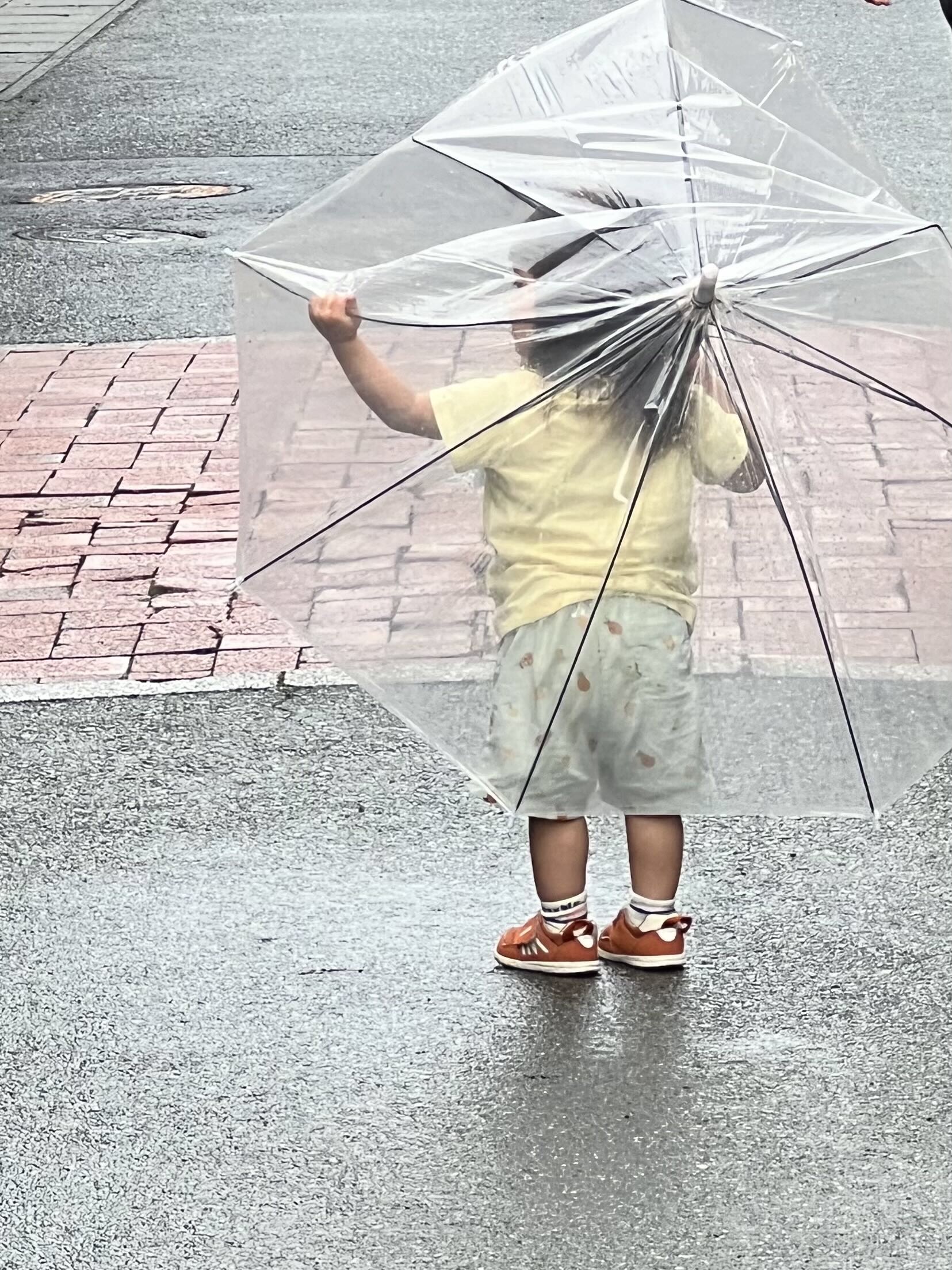
“We travelled with a paper guidebook and maps,
making do with whatever came our way: local buses,
inexpensive little hotels and meals at market stalls.
When we had children, we carried on.”
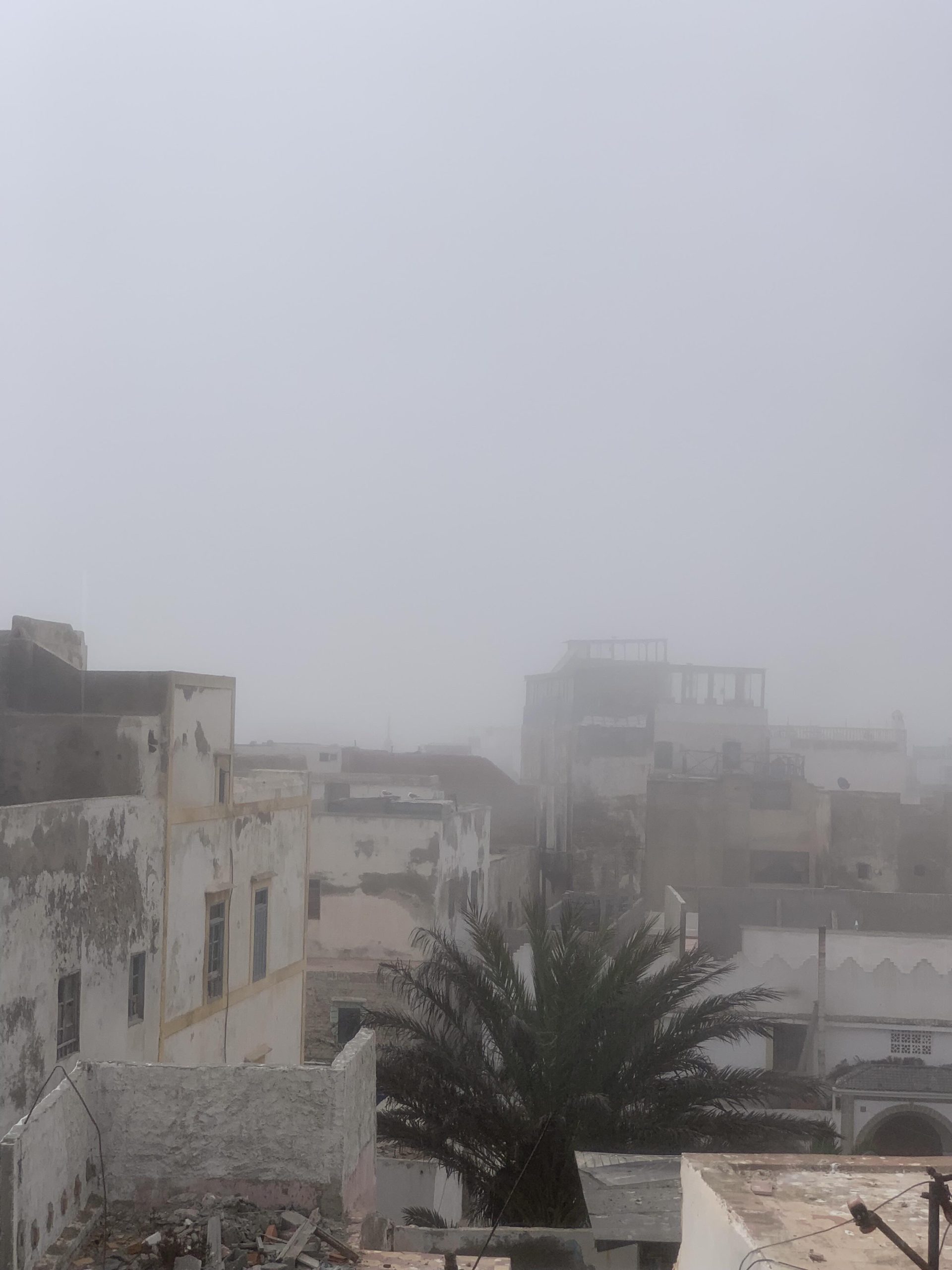
For those who are not familiar to the books In the Mood For…, could you tell us the story behind this project? What was the impulse that led to making your vision a reality?
I have an almost visceral need to share the things I love. A book, a film, a place… Whenever I discover something wonderful, I can’t stop talking about it. I want everyone to read that book, see that film, experience that place. My family gets a little tired of hearing about it sometimes! I’m exactly the same when I travel.
When blogs first began to take off, long before Instagram came along, I started a travel blog where I shared my favourite addresses, insider tips, travel advice and itineraries, accompanied by plenty of photographs. I also wrote about my reading and little snippets of everyday life.
For a long time, I had an idea tucked away in the back of my mind: to do exactly the same thing, but on paper. I’ve always loved books and stationery, and I’m drawn to the idea of a beautiful object, the sensory pleasure of paper, the simple gesture of turning a page, taking time over a photograph. I love the idea of a book that stays with you: one you can’t wait to open before a trip, already transporting you there; one you slip into your bag and carry along with you, then keep afterwards, a little dog-eared, stained and annotated, bearing the traces of your journey. But setting out on my own seemed impossible, and I never quite found the energy to approach publishers.
Then I met Sophie Denux through the blogging world. We got to know each other from a distance before meeting in person. She launched her magazine, Toc Toc Toc, and seeing what she had achieved made me realise that it was possible to create an independent publishing project on your own. Sophie encouraged me, offered advice and even gave me the contact details of her printer. That was the push I needed. I decided to take the plunge. I brought in Else Puyot, a graphic designer I had also met through blogging, and asked my friend Lise Pérot, who is a wonderful illustrator, to draw the maps that open each chapter.
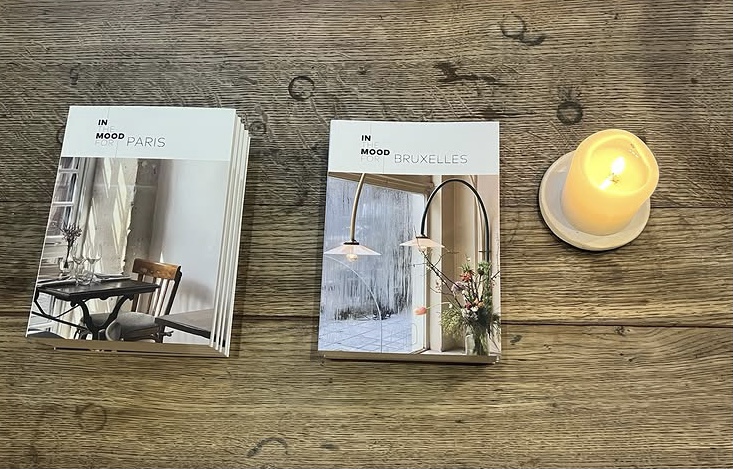
The title, In the Mood For…, came to me very quickly. I think it captures the spirit of the collection perfectly. The idea behind the guides was actually very simple: to share my enthusiasm and favourite discoveries by passing on the addresses I had loved, from restaurants and cafés to bookshops, flea markets, pâtisseries and flower shops. In essence, the In the Mood For… guides are the places I would recommend to my friends before they set off on a trip. And I wanted to accompany these recommendations with beautiful photography: not only pictures of the places featured in the guides, but also images that capture the atmosphere of each city. Rather than focusing on the famous monuments or best-known neighbourhoods, I’m drawn to the details that move me, the things that catch my eye. I particularly love photographing strangers. I write in the first person because I’m sharing my own experiences and impressions. There is a great deal of me in these guides.
And to return to journalism, I approach them with the same professional ethics that guide my work. Every place featured has been selected independently, simply because I genuinely liked it. I’ve never paid to include a place, and I always pay my own restaurant bills. My approach is that of a journalist, not an influencer. They are two very different professions.
There’s something else that’s important to understand, too: I never travel to a city with the intention of turning it into a guidebook. My approach is quite different from that of a professional guidebook writer who sets off alone for a destination with a book project in mind. For me, it’s the other way around. I go on holiday with my husband and sometimes our children, although less and less these days as they’re growing up. We discover places to stay, little local eateries and hidden addresses. We spend time together, meet people and share experiences. And if a city captures my heart, the idea of creating an In the Mood For… guide often takes hold very quickly. That’s when I start taking notes, recording addresses and filling notebooks. We then return a few months later to complete the research, take more photographs and discover new places. One summer, for instance, the five of us spent five weeks in Morocco. From my very first day in Tangier, I knew there would be an In the Mood For… Tangier. A guide to Marrakech might have been a more commercially appealing choice, but I simply didn’t connect with the city in the same way.
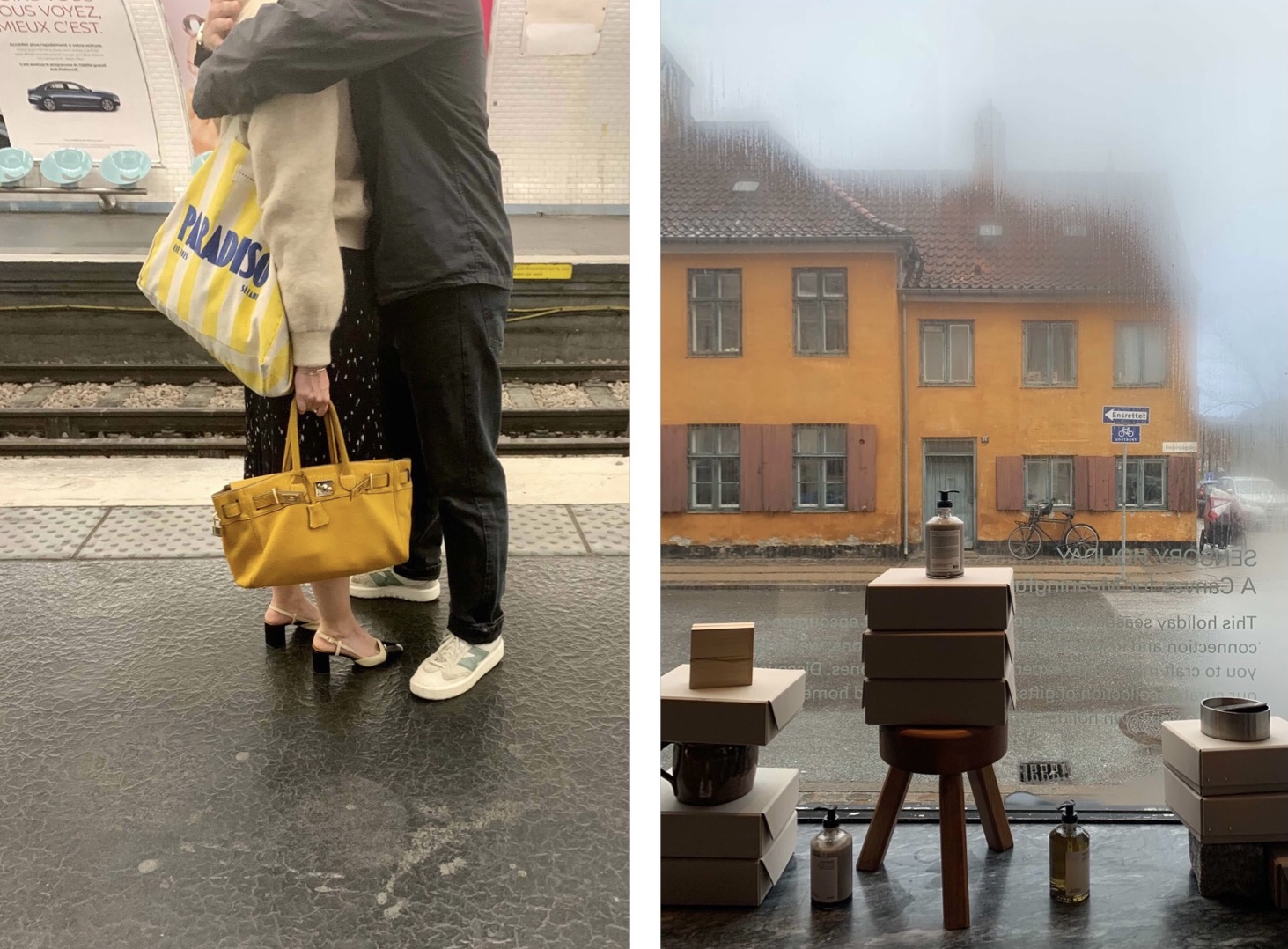
You’ve travelled the world, driven by a restless curiosity, finding beauty beyond the obvious, taking time to get to know a place. It takes patience and observation to create awareness, and I believe that this is part of your approach that makes your guides so essentially unique. Do you find it challenging to inspire awareness, especially today?
To be honest, it’s not something I really think about. We all see the world in our own way. We notice different details, respond to different atmospheres, different lights, colours, sounds and flavours. My way of seeing things is neither more valuable nor better than anyone else’s. It’s simply mine.
I know that some people will connect with my sensibility, while others won’t at all. And that’s absolutely fine — in fact, I think it’s a good thing. Personal projects may be more divisive, but they’re also more interesting. I would never entrust the writing of an In the Mood For… guide to someone else, because that would go against the very essence of the project. I think the people who enjoy my guides share my sensibility and my tastes. They also share a certain way of travelling, quite simply, with a fair amount of resourcefulness. We often do home exchanges, or go camping when we travel to the United States. Big hotels, paradisiacal beaches on the other side of the world and cocktails in luxurious places are everything I hate.
I’m always delighted to reach new readers, but what gives me the greatest pleasure is seeing customers buy several books in the collection after discovering and loving one of them. The compliment that meant the most to me came from a customer who, I think, owns almost all my guides. She told me she had travelled to Berlin and missed having an In the Mood For… Berlin with her. I can’t think of a lovelier compliment.
It’s important to understand that I’ve always pursued this project alongside my journalism career. The trips happen during our holidays, and I work on the guides in my spare time too — during holidays, in the evenings and at weekends. I love my job, but I felt a strong need to have a personal, creative project of my own. Doing both suits me perfectly because it means I don’t put too much pressure on the guides. It’s not a financially viable project, and it was never something I could have made a living from. I prefer to work at my own pace, following my instincts and letting each new guide take shape when the inspiration comes, so that the pleasure of creating them remains intact. The fact that the guides aren’t my livelihood also helps me stay true to my ethical principles and preserve my editorial independence.
“I prefer to work at my own pace, following my instincts
and letting each new guide take shape when the inspiration comes.”
This editorial independence is something that defines you and that I myself also hold in high regard. What are your thoughts on the publishing industry? Big, legacy publishers are not the sole players on the market anymore, so many small, independent publications, with a strong voice seem to be at the forefront of a new kind of editorial output. How do you think this course correction will play out?
I have to admit, I have absolutely no idea!
In France, there is a very worrying trend affecting both the media and the publishing industry: far-right billionaires are buying up more and more media outlets and publishing houses, as well as the places where magazines and newspapers are sold, in order to impose their ideas. So it’s a deeply political issue.
The emergence of small, independent publishers is a very good thing, but their economic model is extremely fragile.
When it comes to distribution, there’s also a political dimension. I know that selling my books on Amazon would allow me to reach a much wider audience, but I refuse to do so. I am strongly opposed to everything Amazon represents. I never order anything from them, and I don’t want to sell my books through them either.
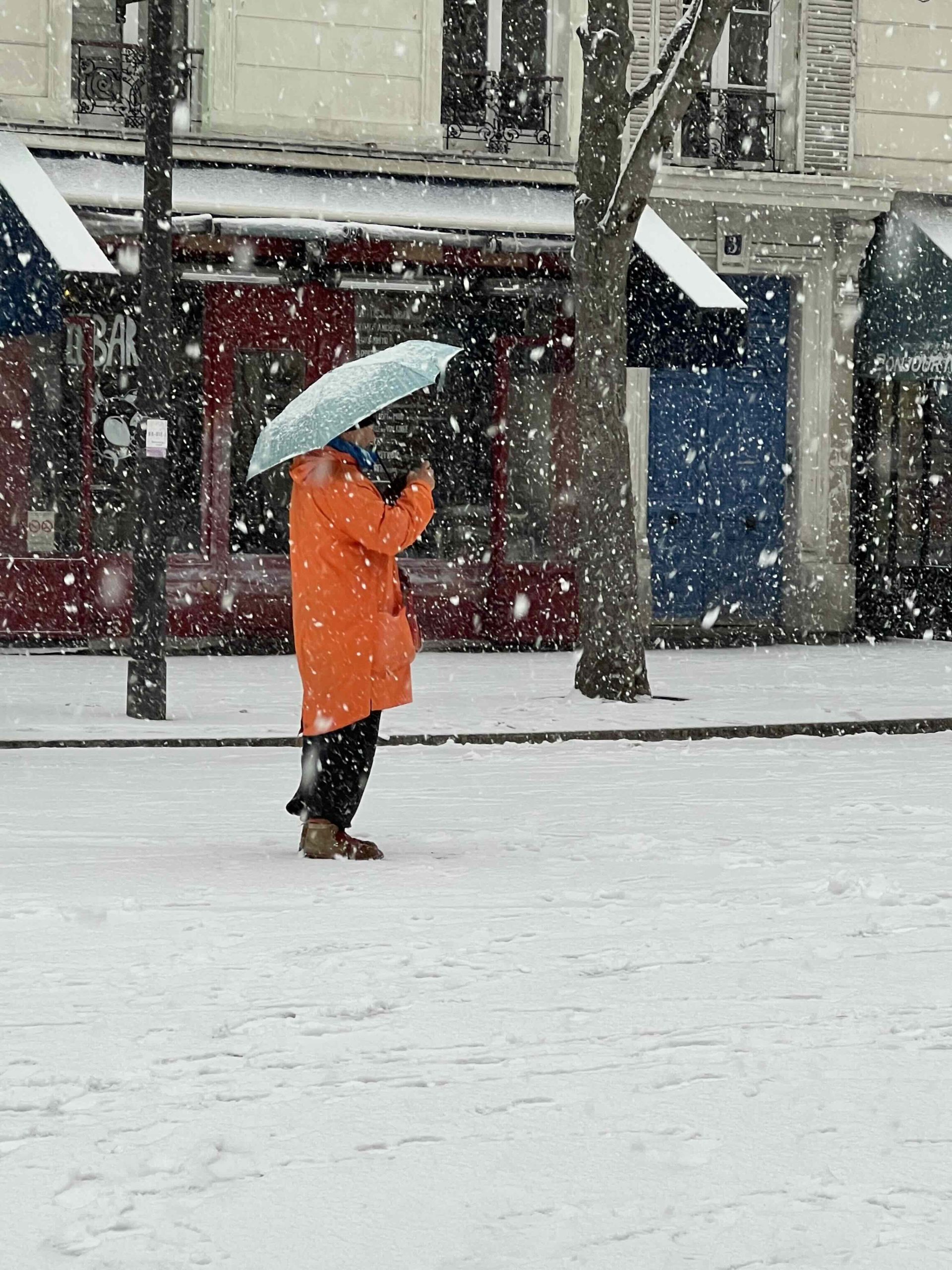
“My way of seeing things is neither more valuable nor better
than anyone else’s. It’s simply mine.”
I wholeheartedly agree with you. Which is/are your favourite independent bookshop/s in Paris?
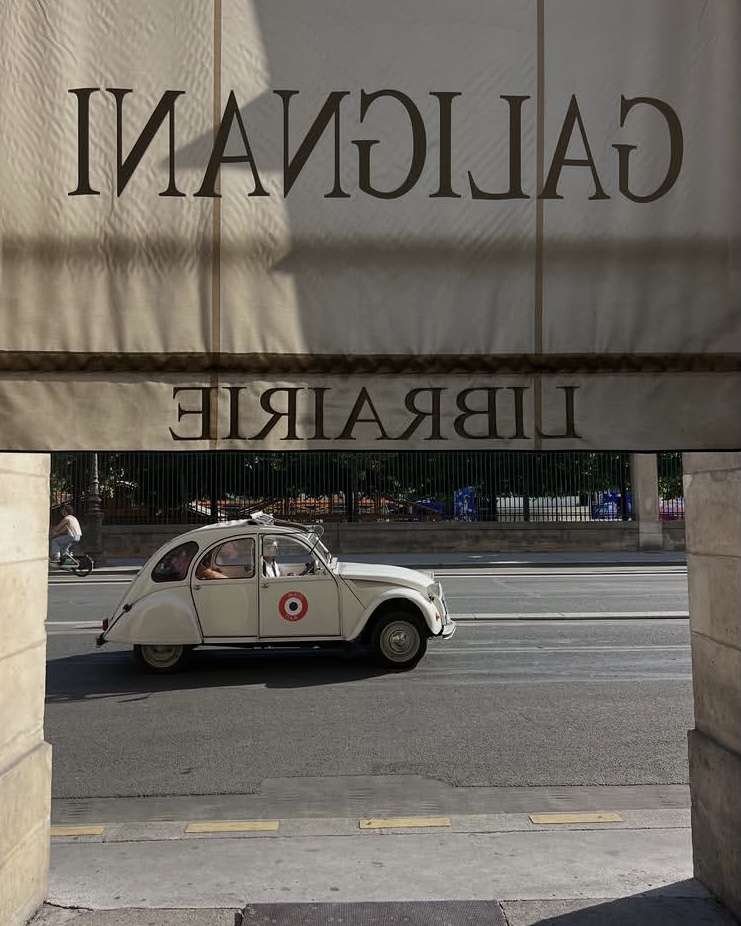
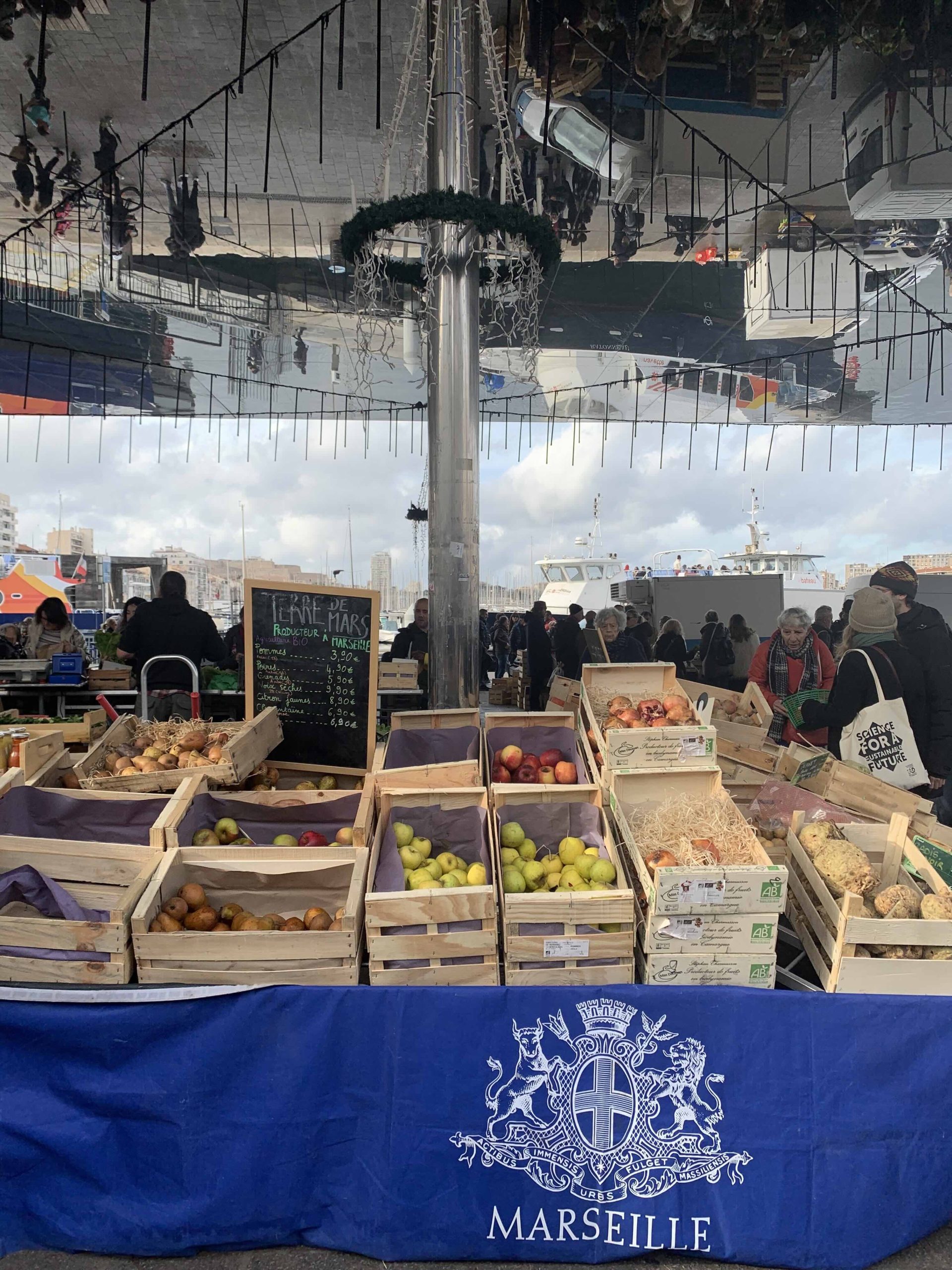
I tend to visit bookshops in my neighbourhood, in the 11th arrondissement. There’s La Tête Ailleurs, on Rue de la Folie Méricourt, a small independent bookshop opened by three friends in their fifties. There’s also Les Parages, on Rue Sedaine, just around the corner from my home, which I really love. For art books, photography books, mooks, magazines and so on, there’s Artazart, on Quai de Valmy, overlooking the Canal Saint-Martin. Laetitia, who works there as a bookseller, agreed to stock my very first guidebook back in 2016, In the Mood for Bruxelles. I was so proud! She then took all the following ones, and ever since, the collection has had a lovely spot right by the entrance of the bookshop. Yvon Lambert, on Rue des Filles du Calvaire, is another beautiful art bookshop, with a very carefully curated selection. Unfortunately, they don’t stock my guides. There are so many wonderful bookshops in Paris! Galignani is a large, beautiful bookshop just a stone’s throw from Place de la Concorde, with a fantastic selection of books in English. In France, we’re lucky to have a law that regulates book prices. Books cannot be sold below the price set by the publisher. This helps protect independent bookshops by preventing large retailers, particularly online sellers, from undercutting them and driving them out of business. Even so, bookshops remain economically fragile. Booksellers are passionate people who work incredibly hard, often for very modest salaries.
What is the latest discovery (book and author) that you have made and loved?
I recently discovered the American author Barbara Kingsolver, whose novels often explore themes of social justice and environmental issues. I absolutely loved Demon Copperhead and The Poisonwood Bible. I’m planning to read all her other books!
Another novel I read recently that really, deeply moved me, and that I consider a truly great work of literature, is Lost Children Archive by Valeria Luiselli, a Mexican writer who lives in the United States. It tells the story of a couple and their two children travelling by car across the United States, heading south, against the backdrop of the migration crisis at the Mexican border. It’s both deeply personal and political. An incredible book.
“In France, we’re lucky to have a law that regulates
book prices. Books cannot be sold below the price set
by the publisher. This helps protect independent bookshops.”
What is the state of the newsstand (the kiosk) in Paris? In so many European cities and other parts of the world newsstands have become very scarce, and therefore something important for the community was lost, not just a source for print media, but also a neighbourhood network at the crossroads of so many levels of society.
As for newsstands, there are fewer and fewer of them in Paris. It’s a shame, because they really were part of the city’s identity. But you can still find some outside certain metro stations.
Fortunately, some places have decided to offer a selection of daily newspapers, magazines and books. One of them is Monocle, on Rue Bachaumont, a place I absolutely love. An entire wall is dedicated to newspapers, magazines and mooks from all over the world! And they serve really good coffee too.
I love Monocle shops, too, and their magazines, and what they are doing for print media.
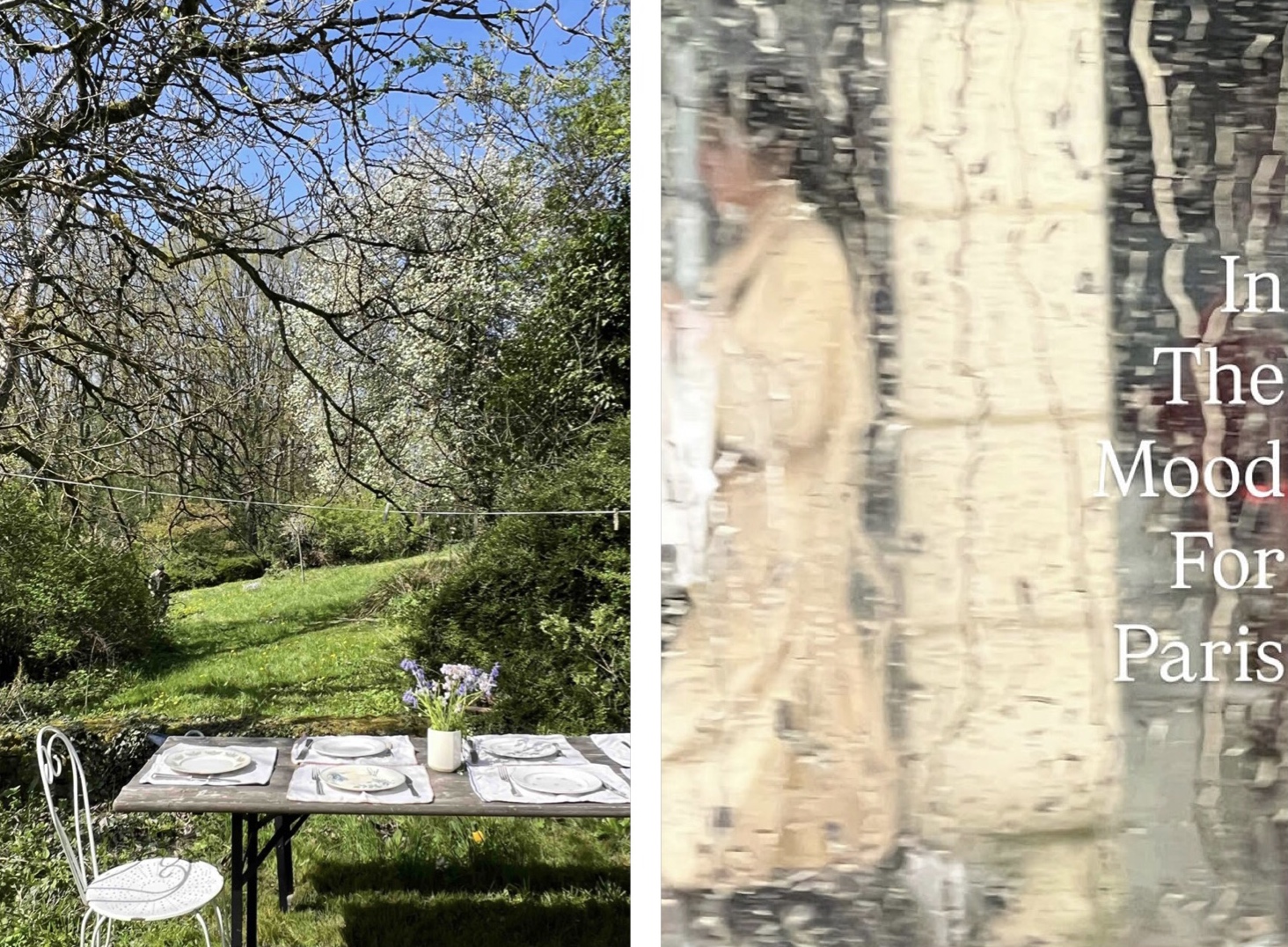
“[If I ever left Paris,] I would really miss the bookshops,
the croissants and pains au chocolat, and even the Parisians!”
Is there a place where you feel you belong to? Has that changed over time?
This is by far the hardest question! I grew up in the Paris suburbs, in Ivry-sur-Seine, where I lived until I was twenty. I didn’t go into Paris very often back then, except to go to the cinema or do a little shopping in certain neighbourhoods.
I really discovered Paris when I moved there. I spent two years in the 15th arrondissement, where my parents had settled, then two years in the 18th with the man who would become my husband. After that, we moved to the 11th arrondissement, and we’ve never left. We’ve been living in the same apartment for more than twenty-five years. It was just the two of us when we arrived, and then our three children were born. Over the years, we’ve regularly rearranged the space to accommodate each new arrival, the children growing up and, eventually, leaving home. Life in an apartment with three little boys is very different from life with three teenagers and young adults! Today, our two eldest have moved out, and we’ve rearranged the bedrooms yet again. I’m deeply attached to our apartment and to the neighbourhood, even though it has become a little too gentrified in recent years.
Five years ago, we bought a house in Seine-et-Marne. It was in a very dilapidated state, and we’ve been renovating much of it ourselves. It also has a huge garden. We spend almost every weekend there, and it has become an essential part of our lives. Gardening has become a whole new passion for us! I’ve found the perfect balance between these two places, and I feel incredibly lucky and privileged.
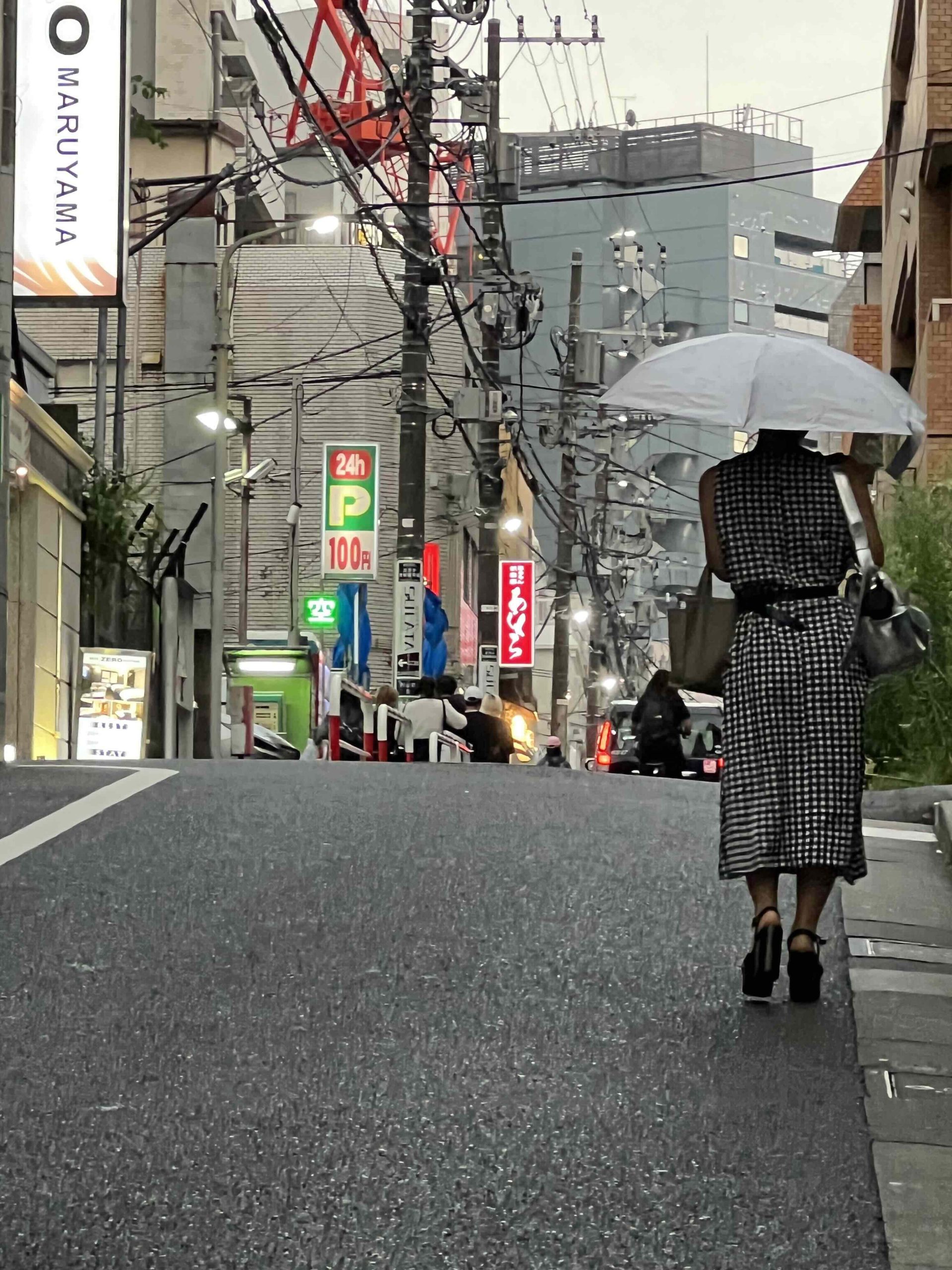
We travel less these days, partly because we feel less of a need to, and partly because we’re making a conscious effort to limit our air travel. Since 2020, we’ve never taken more than one flight a year. This summer, we went to Italy by train; the year before, we travelled to Madrid by bus. We’d love to explore more of France, but we’re still tempted by the idea of returning to Japan and discovering the country in all its autumn colours.
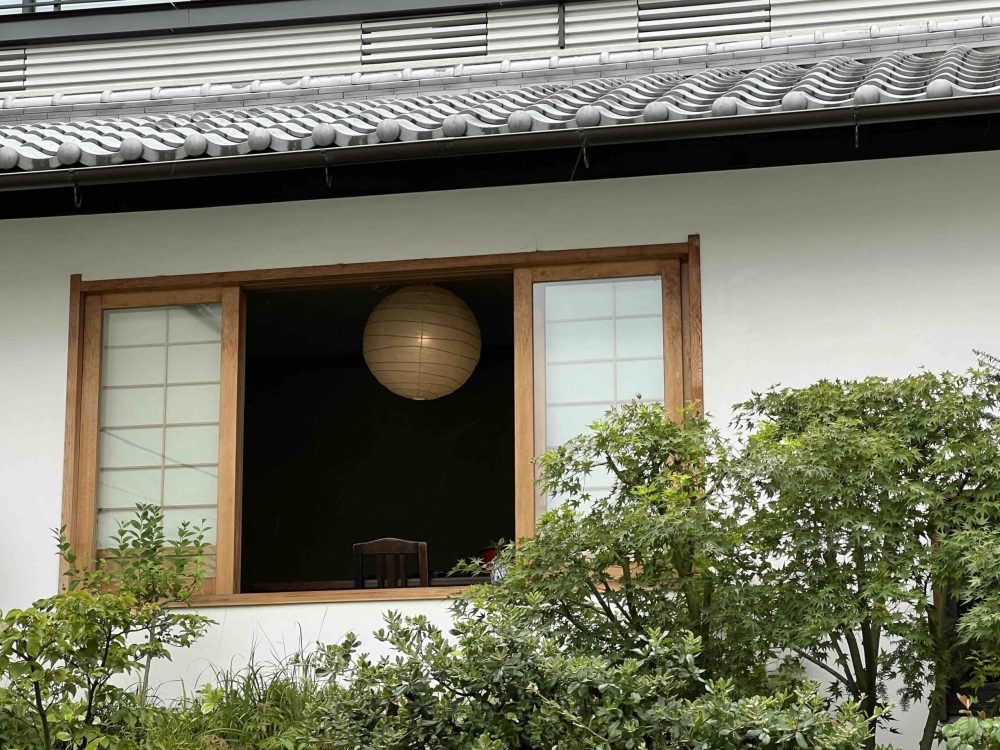
“Rather than focusing on the famous monuments or
best-known neighbourhoods, I’m drawn to the details
that move me, the things that catch my eye.
I particularly love photographing strangers.”
Aside from France and Japan, where else would you like to return to, or to visit for the first time? How do you choose your next destination, besides the fact that you are taking into consideration travelling less by plane?
I would really love to go back to Berlin (I’ve only been once, about ten years ago), and also to return to the Nordic countries, especially Sweden.
We go to Brussels at least once a year. It’s the city closest to my heart!
I’ve also fallen in love with the English countryside and its gardens. We have a friend who lives in Brighton, so it’s a lovely excuse for a little trip once a year.
This summer, we spent two weeks in Northern Italy (we travelled there by train!): Turin, Genoa and Piedmont. We absolutely loved it! We’d happily go back, perhaps in autumn, which is such a wonderful time to travel.
We’ve been doing home exchanges for about twenty years now, and we also like to let ourselves be guided by the exchange offers we receive!
You mentioned going camping in the US, and travelling by bus or train through Europe. What is the best road trip you have taken in America, and worldwide?
The best road trips we’ve ever taken were in the United States. We’ve done three of them!
The first was a fairly classic road trip through the American West. The second started in Chicago. We travelled as a family for six weeks, covering 12,000 kilometres and crossing eight states. We spent a week in New Orleans and another in Austin (both through home exchanges).
We camped in some extraordinary places, like White Sands.
And the third time, we crossed the entire United States from east to west, all the way from New York to San Francisco!
My favourite of the three was definitely the second one. It was an absolutely incredible experience! So much so that I decided to turn it into a book, In the Mood for… America.
“I think the people who enjoy my guides share my sensibility
and my tastes. They also share a certain way of travelling,
quite simply, with a fair amount of resourcefulness.
Big hotels, paradisiacal beaches on the other side of the world
and cocktails in luxurious places are everything I hate.”
How has Paris changed in all the years you’ve lived there? And what is the best thing about living in Paris and which you would miss if you lived anywhere else in the world?
The biggest change in recent years has been the development of cycle lanes. It has completely transformed the city! I now get around Paris by bike myself, whereas fifteen years ago, it was still very rare to see people cycling. Unfortunately, sharing the streets between cyclists, pedestrians, cars and buses is still a bit complicated!
Paris is also becoming greener. There is a real effort to plant more trees and bring more greenery into the city, and the difference is very noticeable in my neighbourhood.
Unfortunately, there is also a lot of poverty. People sleeping on the streets, beggars in the metro… It’s a harsh and sad reality.
I don’t really know what I would miss the most if I ever left Paris. Not one particular thing, but a thousand little things that make Paris, Paris! But actually, I would really miss the bookshops, the croissants and pains au chocolat, and even the Parisians! Well, not all of them, of course! One of the things I love most about Paris is that there are so many different cities within the city. For example, the 16th arrondissement, very chic and expensive, with its wide avenues and its rather traditional, bourgeois population, has absolutely nothing in common with the 19th, which is more working-class, young and lively, or with the Marais (3rd and 4th arrondissements), which is chic and trendy. Paris is really a city of many different Parises!
“The biggest change in recent years has been
the development of cycle lanes. Paris is also becoming greener.
Unfortunately, there is also a lot of poverty.”
What advice would you give someone who has never travelled to France? Should Paris be the first stop?
That’s a really difficult question, because I haven’t explored all of France, far from it!
I love Brittany and Normandy, especially the Cotentin Peninsula. I’m less of a fan of the South of France, but that’s just a very personal preference!
And yes, of course, Paris is a must! But as with any city, I think it’s important to venture beyond the touristy areas. I’d definitely recommend exploring my neighbourhood, the 11th arrondissement, and also the 20th. They’re my two favourite arrondissements!
You should wander through parks like the Buttes-Chaumont, stroll along the Canal Saint-Martin (10e)…
You started out as a journalist doing interviews and writing about films. What are some of your favourite films and what is the best film you’ve seen lately at the cinema? Do you have a favourite cinema in Paris?
I worked for 26 years at a daily newspaper for teenagers, where I was in charge of interviews and the cinema page. I love both literature and cinema.
My favourite films? That’s such a difficult question!! (But I’ll give it some thought!)
Over the past few months, I’ve absolutely loved Hamnet by Chloé Zhao, On Falling by Laura Carreira, Les Fleurs du manguier by Akio Fujimoto, Kika by Alexe Poukine, The Secret Agent by Kleber Mendonça Filho, and Sentimental Value by Joachim Trier. And more recently, Minotaur by Andreï Zviaguintsev.
I really love the Max Linder cinema on the Grands Boulevards in Paris.
“Taking the time… Time to be together, to care for one another,
to talk to each other. Time to read, to write, to watch films,
to dream, to be lazy, to cook, to make things with our hands,
to enjoy nature…”
You’ve also published three books on Paris Coffee. Can you tell us a few words about them?
One day, I was contacted by Anna, a young woman of Russian origin who is an illustrator and passionate about specialty coffee. She had read an article about my travel guides in a magazine and asked if I would be interested in creating a series of books about coffee with her!
The idea was that she would choose the coffee shops and create the illustrations (using coffee!), while I would visit each place, interview the owners and tell their stories: their backgrounds, how they started, the history of the place, and so on.
We featured 30 coffee shops in total! It was a huge amount of work, but the book sold really well, so we went on to publish a second volume, and then a third, each featuring 30 new coffee shops!
Audrey, in this time and age, what do you wish people appreciated more?
Taking the time… Time to be together, to care for one another, to talk to each other. Time to read, to write, to watch films, to dream, to be lazy, to cook, to make things
with our hands, to enjoy nature…
But many people simply don’t have that luxury. The harshness of our society, driven by neoliberalism, prevents them from doing so. And that makes me really angry and sad.
inthemoodfor-editions.com | Instagram: @inthemoodfor_editions
MORE STORIES
“This is truly who I am”: In conversation with artist Heather Chontos
Interview with “After the Hunt” production designer Stefano Baisi
“The short film is a space for infinite freedom”:
Interview with filmmaker Nicolas Bianco-Levrin