Photos: Classiq Journal
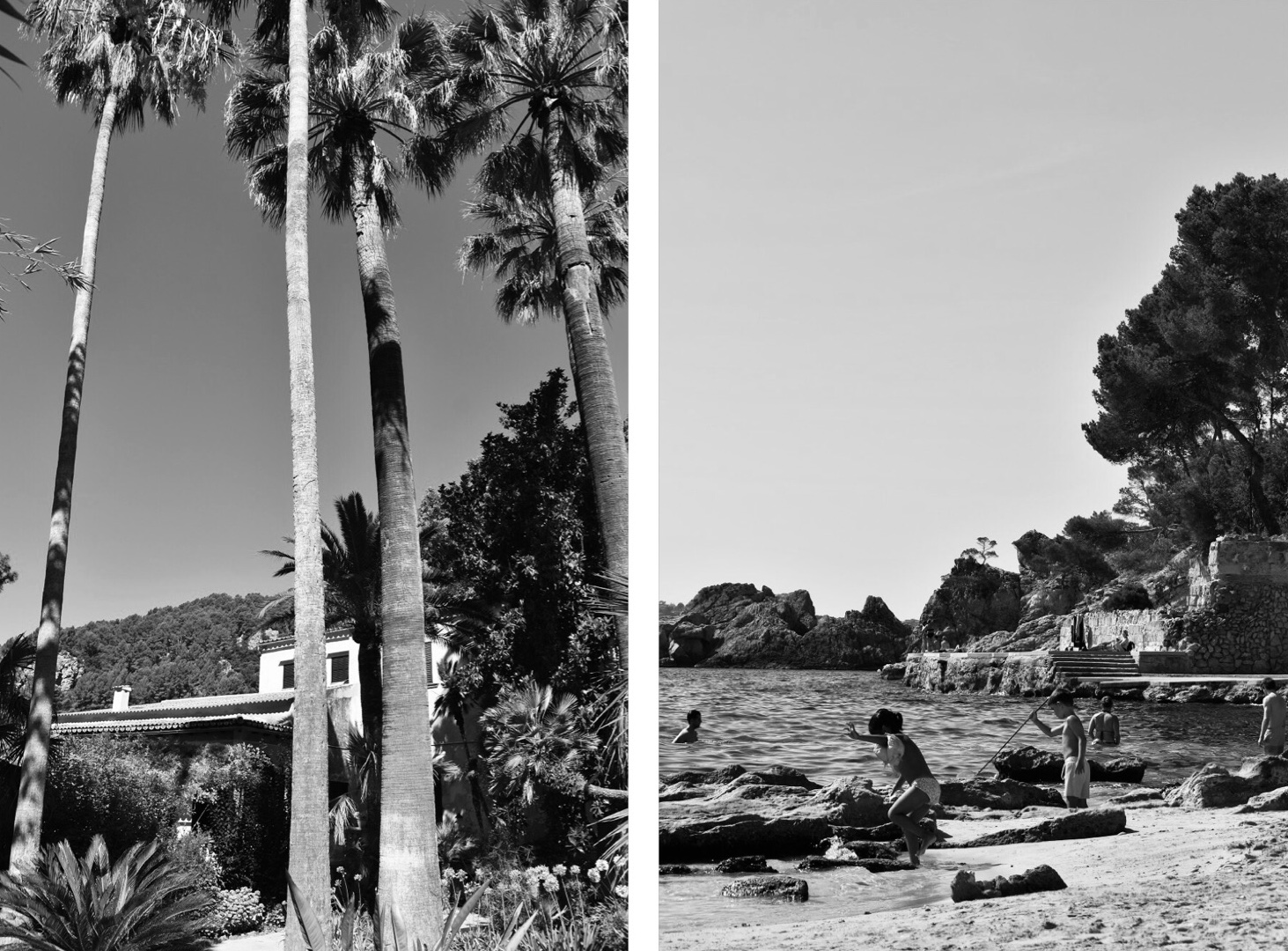
“The choice is yours to make,
time is yours to take;
some dive into the sea,
some toil upon the stone.
To live is to fly
all low and high,
so shake the dust off of your wings
and the sleep out of your eyes.”
Townes Van Zandt (as preface to the book California Surfing and Climbing in the Fifties)
Viewing
Some Kind of Wonderful, 1987
Howard Deutsch
Of all the cool, rebellious, outcast teens from the other side of the tracks, Watts from Some Kind of Wonderful must be my favourite. Played by Mary Stuart Masterson to perfection, Watts is a street wise-rebel yell-new romantic tomboy that flaunts the subcultural musical theme of the 1980s, her appearance flawlessly punctuated by the thudding drum beats of the soundtrack.
When he made Some Kind of Wonderful in 1987, Howard Deutch had only done one other film (both were scripted by John Hughes), Pretty in Pink (1986), and a few music videos for Billy Idol and Billy Joel, and had worked on trailers for Francis Ford Coppola, Woody Allen and Martin Scorsese. But his naturalistic approach and his sensibility for young characters have never been more deeply felt, especially visually, than in this music-ridden teen movie centered on a non-conventional love triangle.
I can not talk about this film and about Mary Stuart Masterson’s character without talking about the music. It’s the music that takes us from the start through to the end of the story, many times on the drum beats of Watts herself – even when she doesn’t play, she carries her drum sticks around. John Hughes’ thirst for 1980s music is part of his cinematic teen universe. But no other soundtrack from his films compares to the one in Some Kind of Wonderful – he reportedly wrote the film to the music. It’s this very soundtrack that I had in mind when I read Billy Idol’s words in his book: “With our slightly more straight-ahead rock ‘n’ roll direction, we picked up an audience that wasn’t exclusively punk. So we outraged some purists but drew in music lovers and started created the larger-than-life images that went beyond punk and into the ‘80s. […] We were focusing on our own obsessions, problems, and frustrations, but also adding in romance instead of just negativity.” Billy Idol was a rock star of the eighties, with a punk pedigree to boot, so how could his music not be related to this film? His song, Catch My Fall, is on the soundtrack.
Les felins, 1964
René Clément
At the 4th of July party that Jane Fonda threw in 1965 at her Malibu home that she had recently rented with her future husband, Roger Vadim, the old Hollywood and the new Hollywood came face to face for the very first time. Or at least it was one of the first occasions when the old guard (the guest list included names such as William Wyler, Gene Kelly, Darryl Zanuck, Lauren Bacall, Sam Spiegel, Henry Fonda) met with the will-be protagonists of the American New Wave (Warren Beatty, Tuesday Weld, Jean Seberg, Dennis Hopper, Peter Fonda), as both groups were barely starting to realise that things in Hollywood were about to change.
At that time in 1965, Jane Fonda had not yet become involved in political activism, but her views had already started to spread beyond her second-generation Hollywood movie actor status, as she had taken up work in France and life in Paris was exposing her to a different kind of filmmaking, at the height of the nouvelle vague. Moreover, she became friends with Simone Signoret and Yves Montand, which awakened her political consciousness about the war in Vietnam. A few good years before her politically-charged and critically-acclaimed roles in Klute (1971) and Coming Home (1978), Fonda was about to become increasingly radical and to start to perceive her role in Hollywood differently.
Fonda lived for six years in France, after she accepted the role in René Clément’s film Les félins (1964), starring opposite Alain Delon. In her autobiography, My Life So Far, Fonda recalls how “France seemed to be in the cards. French director René Clément flew to Los Angeles to pitch me a film idea that would co-star Alain Delon… I agreed. I liked the idea of putting an ocean between me, Hollywood and my father’s long shadow.”
René Clément’s classic thriller finds Alain Delon, as Marc, trapped in the toils of a wealthy widow, Barbara (Lola Albright), and her niece, Melinda (Jane Fonda), after he finds shelter in their lavish home as he was trying to escape his pursuers after he had made the mistake of seducing the wife of an American gangster. Once in their chateau, Marc realises he is the pawn in another plot, driven by two women this time, and there is little but one thing that he can do about it. Alain Delon was at the height of his sullen beauty and sartorial elegance in the 1960s, and in this film, René Clément uses Delon’s magnetic, unattainable and untamable screen presence a little differently than in Plein soleil.
But it is Jane Fonda who steals the scene in this film. Her performance veers between diffident behaviour and unrepressed provocation, as she jumps from Pierre Balmain elegant dresses into swimsuits and men’s oversized shirts. In the presence of Fonda, Delon’s persona is much more quietly felt, just like his one suit quietly compliments the more extensive wardrobe that Jane has at her disposal. She looks incredibly good in the timeless Balmain sheath dresses or in the stunning white waist-cinching full-skirted dress, but so perfectly at ease in the more casual clothes, jeans, t-shirts, capri pants, summer shirts and strappy sandals. But a polished surface can conceal darker things, hidden thoughts, social goals.
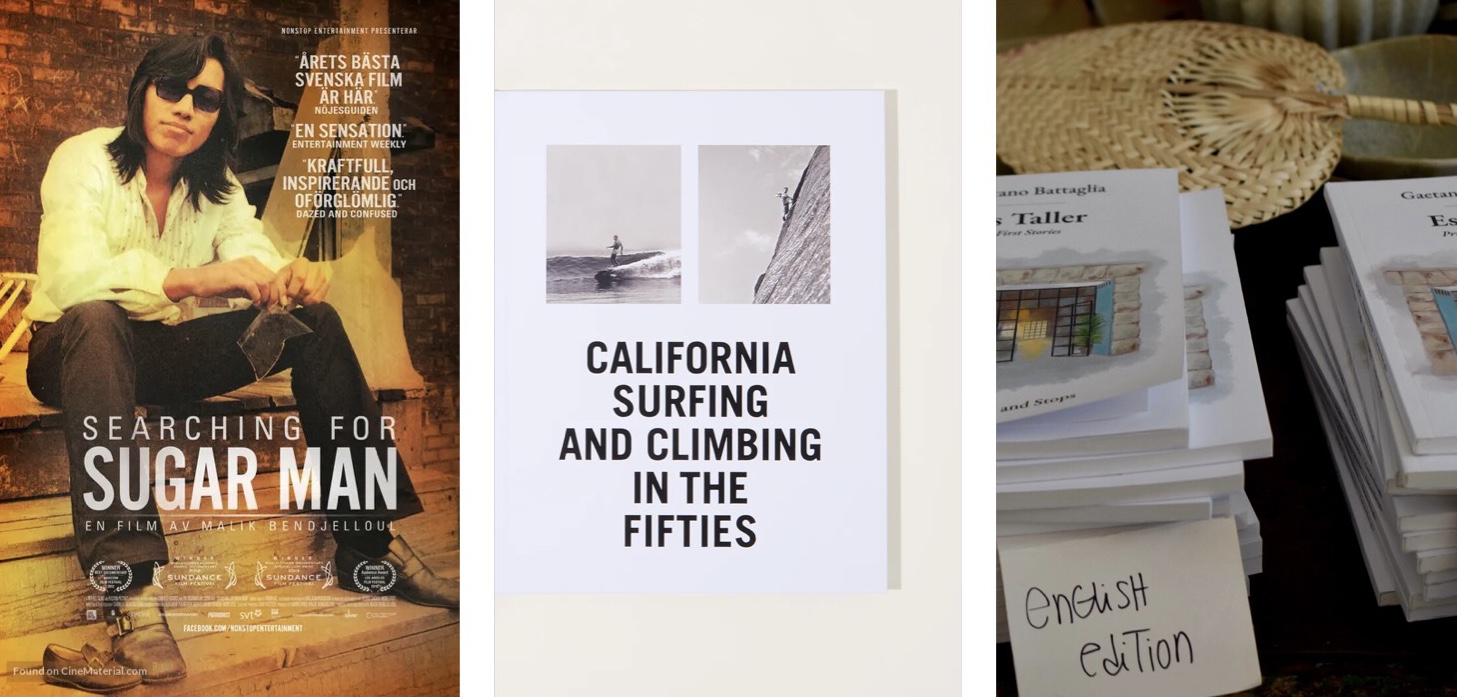
Searching for Sugar Man, 2012
Malik Bendjelloul
A whirlwind of a documentary that captures your attention with the thrill of a mystery train, about Detroit-based musician Sixto Rodriguez, hailed as the next Bob Dylan in the late 1960s, but who fell into oblivion after two commercially unsuccessful albums. Unbeknownst to him though, his music became the sound of revolution in Apartheid-broken South Africa. Years later, two fans from Cape Town set out to find out what had happened to “Sugar Man”. I knew nothing about this film until I saw it in the lineup of the Provence Arts Festival du Film (more about it further down in the newsletter), and I advise you to do the same. It’s beautiful and strange and emotionally charged.
Reading
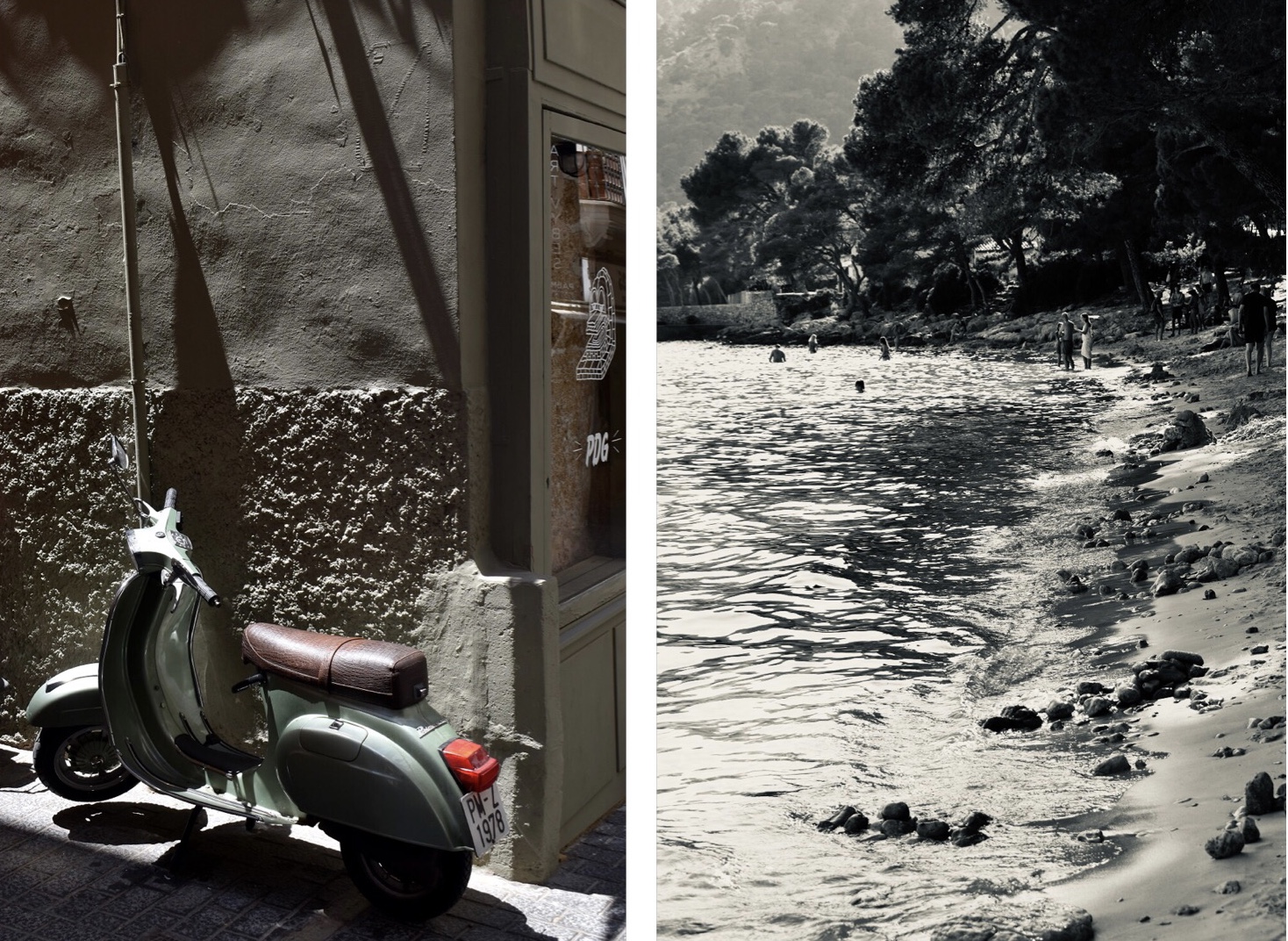
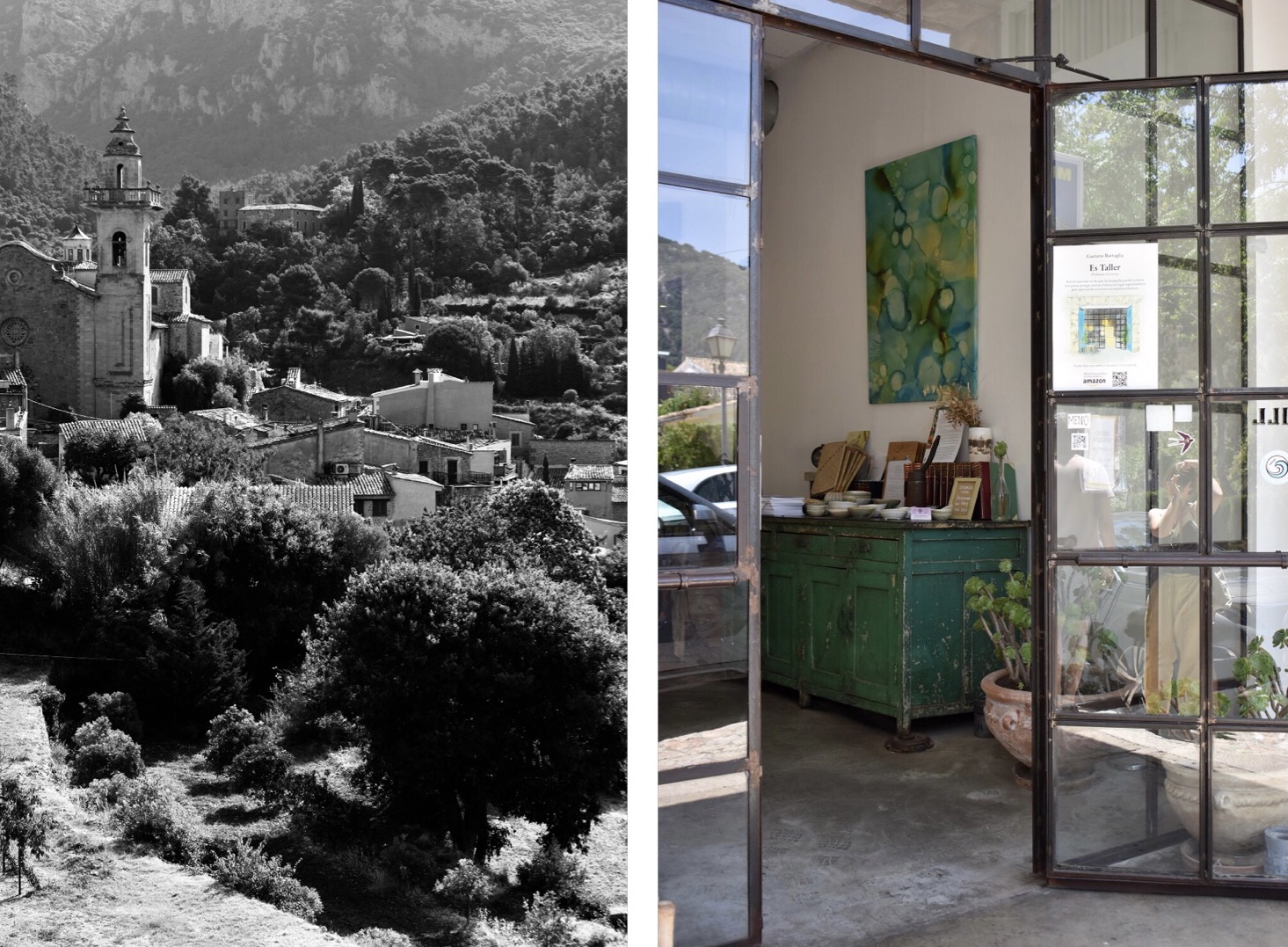
In the most beautiful village in the Tramuntana Mountains in Mallorca, Valdemossa, there is a restaurant located in an old garage. Es Taller is a place that does something to you the moment you step inside, before you even taste its delicious food. It has an energy to it, a pulse that beats through you. Its cool, cultural, bohemian vibes make you feel at the threshold of discovering something new. By the entrance, past the large glass doors, on the ceramics table (it’s where ceramic objects made by local artists are displayed), I found the book Es Taller: First Stories, by Gaetano Battaglia. The ten stories carry you into a borderland, an undefined space suspended between reality and reverie, through passage ways and stops in the lives of others not as they were, but as they touched the author’s along the way, mysteriously interwoven, surrendered to natural laws.
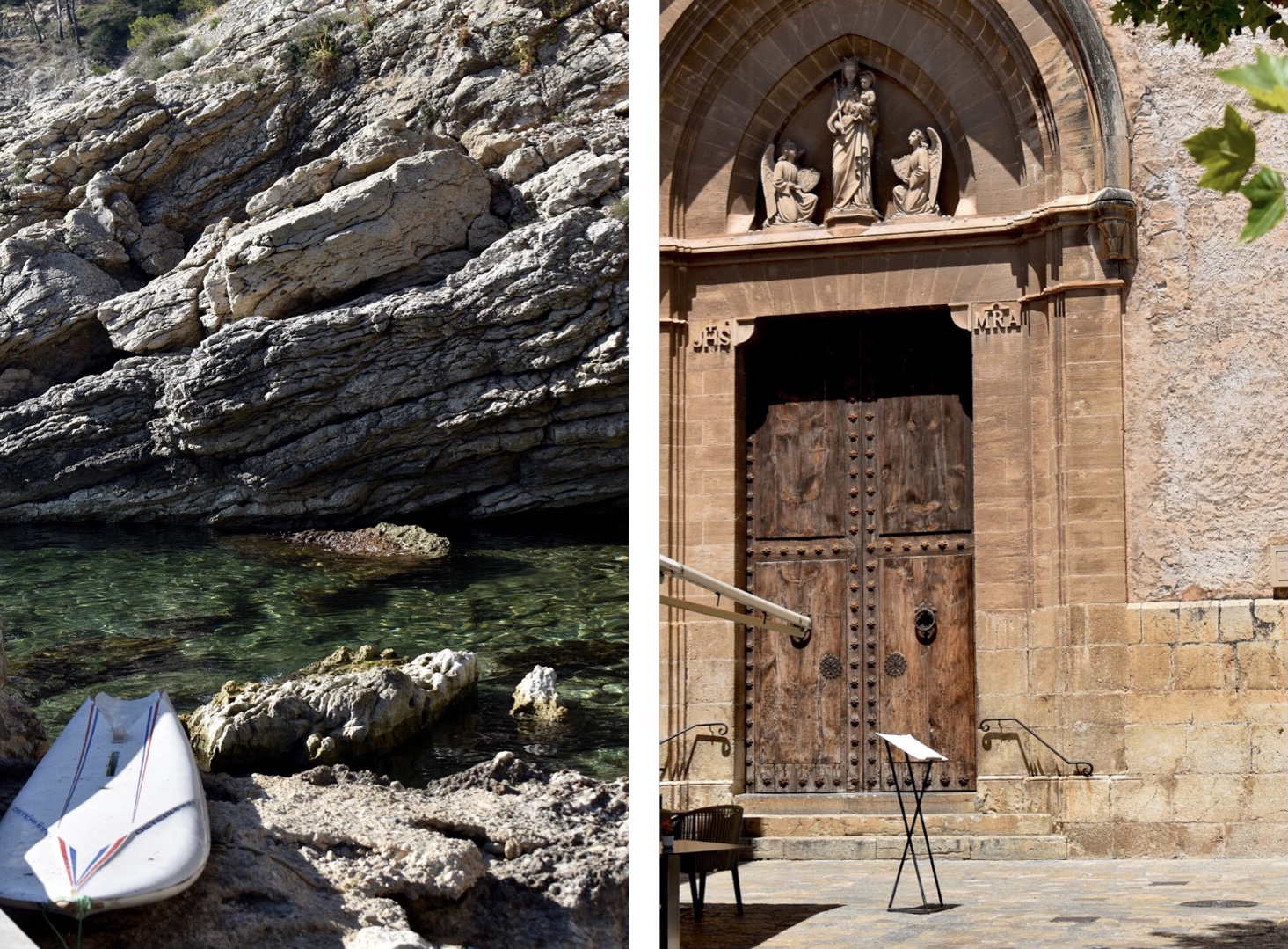
One of the best spent afternoon hours this summer would be reading and leafing through the photos of California Surfing and Climbing in the Fifties, a beauty of a book that is like a time capsule of the golden age (“the most exciting time in the life span of any sport or social movement, first dozen years or so when innovation in the equipment and technique comes fast and furious”) of surfing and climbing in California, the 1950s. The countercultures of climbing and surfing and the pioneers riding those waves and heights, whom climber Pete Sinclair called “the last free Americans”. Beyond being immersed in the still untamed beauty of California of those years, it’s something else that reaches your heart. It is the sheer passion for the outdoors, for the sea, for the mountains, the carefree joy of the moment, the humble yet complete surrender to nature in shaping their characters that drove those adventurers, and this comes through in the images. And it’s the image of an unnamed cliff climber in torn tennis shoes, a crude aid sling and steel pitons that speaks of that freedom of thought and being and of that living in the now doing what you love that I want to hold onto as a manifesto against these present times of fame-chasing and instant-gratification seekers.
“When I moved my shop to Ventura to be closer to the surf, the ultimate day was what we called a McNab: Skiing on Pine Mountain, climbing on the Sespe Wall, playing tennis, and surfing the glass-off at C Street or Rincon. Where else in the world except for New Zealand could you pull off a day like that? – Yvon Chouinard
Listening
The soundtrack: Searching for Sugar Man
The album: Coming from Reality, Rodriguez
Making
For years now, my favourite kind of magazine has been the quarterly or seasonal publication, the slow-paced kind of magazine that takes (or, the better word would be, I believe, “needs”) time: time to fully live, time to get to know the people, the places, spaces and landscapes, time to write, time to make. The kind that not only gathers information that travels too fast, but crafts its stories slowly, with care and thoughtfulness, and becomes a complete world inviting the reader in. IN PALMA (written in three languages, Spanish, English and German) is a magazine I have discovered this summer on location and it’s been a wonderful companion in discovering the uniqueness of this place under the Mediterranean sun and of what makes something genuinely Mallorcan. It’s a photography book, a travel book, a story book, an object d’art all rolled into one. It is not just another magazine, nor is it for everyone. And that’s a good thing.
Exploring
Provence Arts Festival du Film. Held in Ménerbes, one of France’s most enchanting villages, this vibrant and distinctive annual festival is dedicated to documentary cinema and the arts, artists and creativity in all its forms. Last year, its first edition was dedicated to photography, while this year’s edition (July 29th – August 1st) is a celebration of music through documentary cinema. The lineup includes Jane B. par Agnés V., Pianomania, Gimme Shelter, Broken English, One to One: John & Yoko, Playing the Changes: Tracking Darius Brubeck, Searching for Sugarman, Epic: Elvis Presley in Concert, Nous l’orchestre.
On an end note
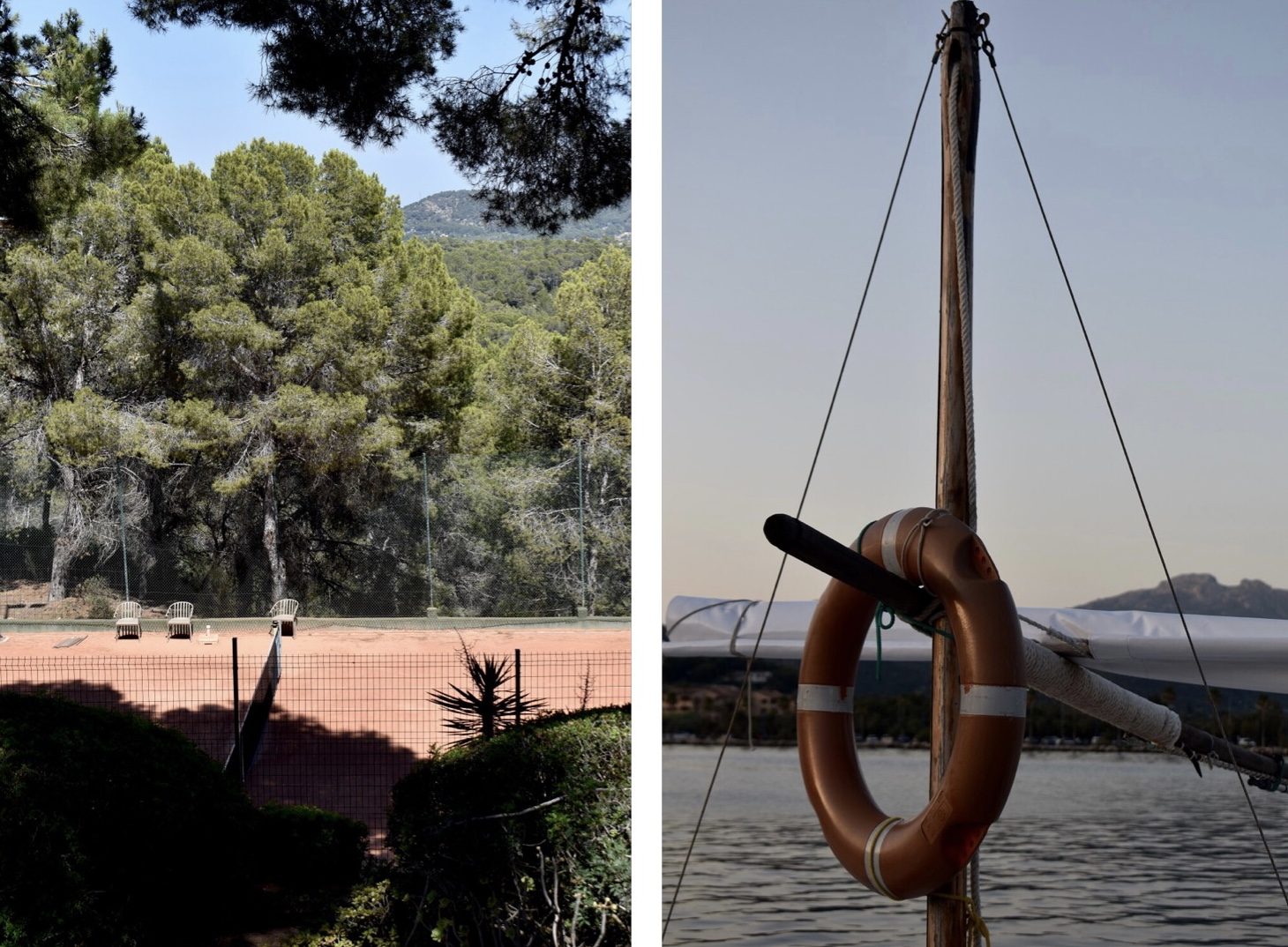
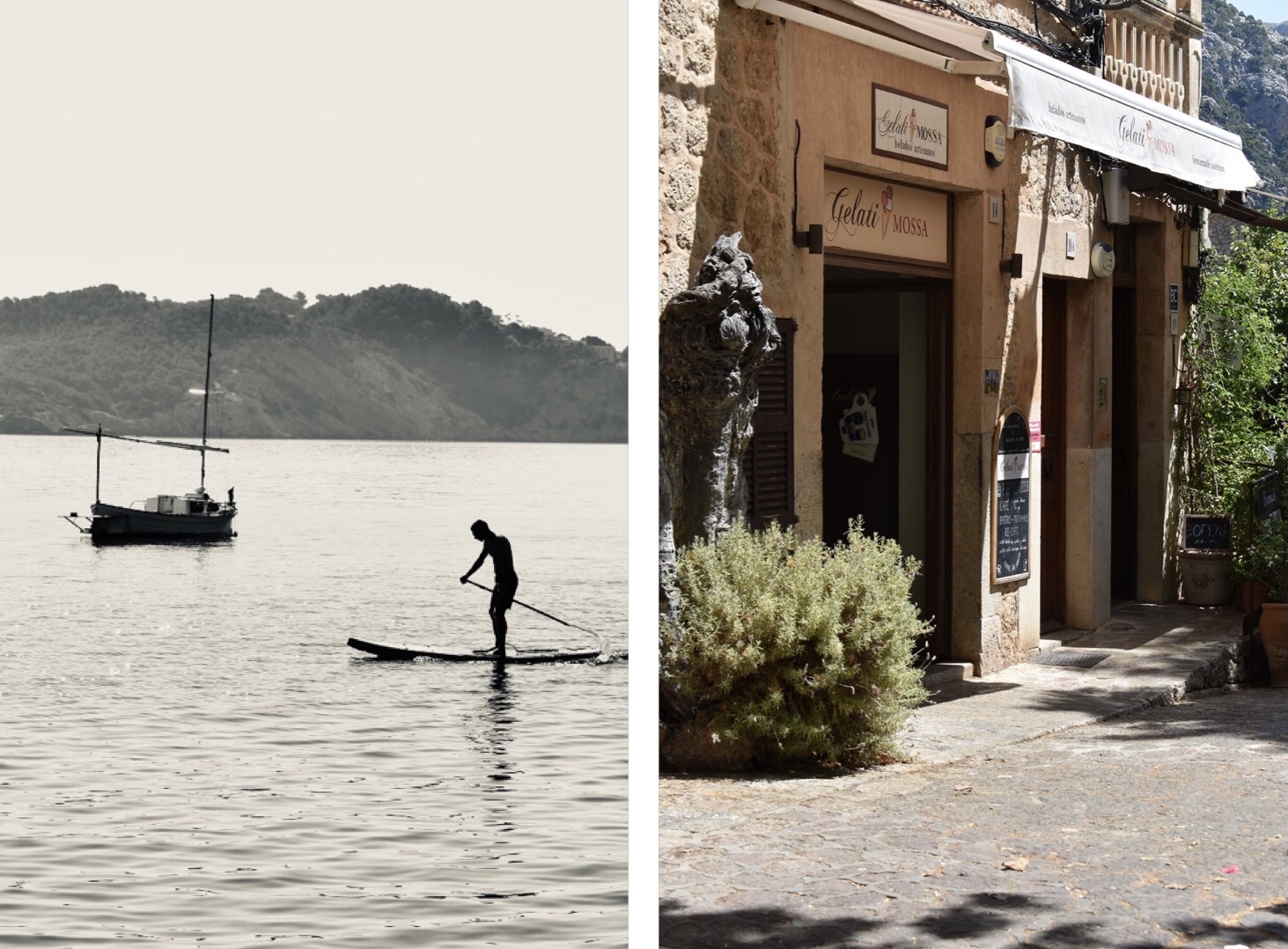
Before film and photography, it was moodboards and collages that captured my interest visually, preferably plastered on a wall. Photos torn from magazines, clippings from newspapers, scribbled words, postcards of every kind, drawings and illustrations, all forming a puzzle of images that may or may not fit into an aesthetic or theme, but that had to have the spontaneity to transport me to a certain state of mind. Because what I loved the most about these visual forms was that the images very rarely had the place or location written on them. I long for that feeling of being lost, of being able to dream your own stories, of timelessness when I look at a photograph. It’s one of the reasons I refrain from mentioning the places where I take the photos that I include in my newsletters. It’s not just an acute disregard to oversharing and personal display (aren’t we all saturated with everyone’s seemingly permanent vacation or life-on-the-go?), but an ever-going pursuit of simplicity, an insatiable quest of discovering new places by pure chance and leaving some things unsaid. “Show less than you have, speak less than you know.” Travel and tell no one.
The regulars
The interviews, newsletters and podcasts I turn to every week and/or every month because they are that good. Soundtracking, with Edith Bowman. Ruthie’s Table 4 with Ruth Rogers. Fashion Neurosis, with Bella Freud. My New Roots monthly newsletter. Craig Mod’s newsletters: Roden and Ridgeline. Racquet’s Rennae Stubbs tennis podcast. Gone to Timbuktu with Sophy Roberts. Sirene Journal, Racquet, Waves & Woods, and Legénde in print.
“The other morning, in the shade under the hat, I thought I could see the mocking and satisfied smile of those who find themselves at the most virtuous point in the path of their lives and only need to take care of that balance they have achieved, nothing more.”
Gaetano Battaglia (Es Taller: First Stories)