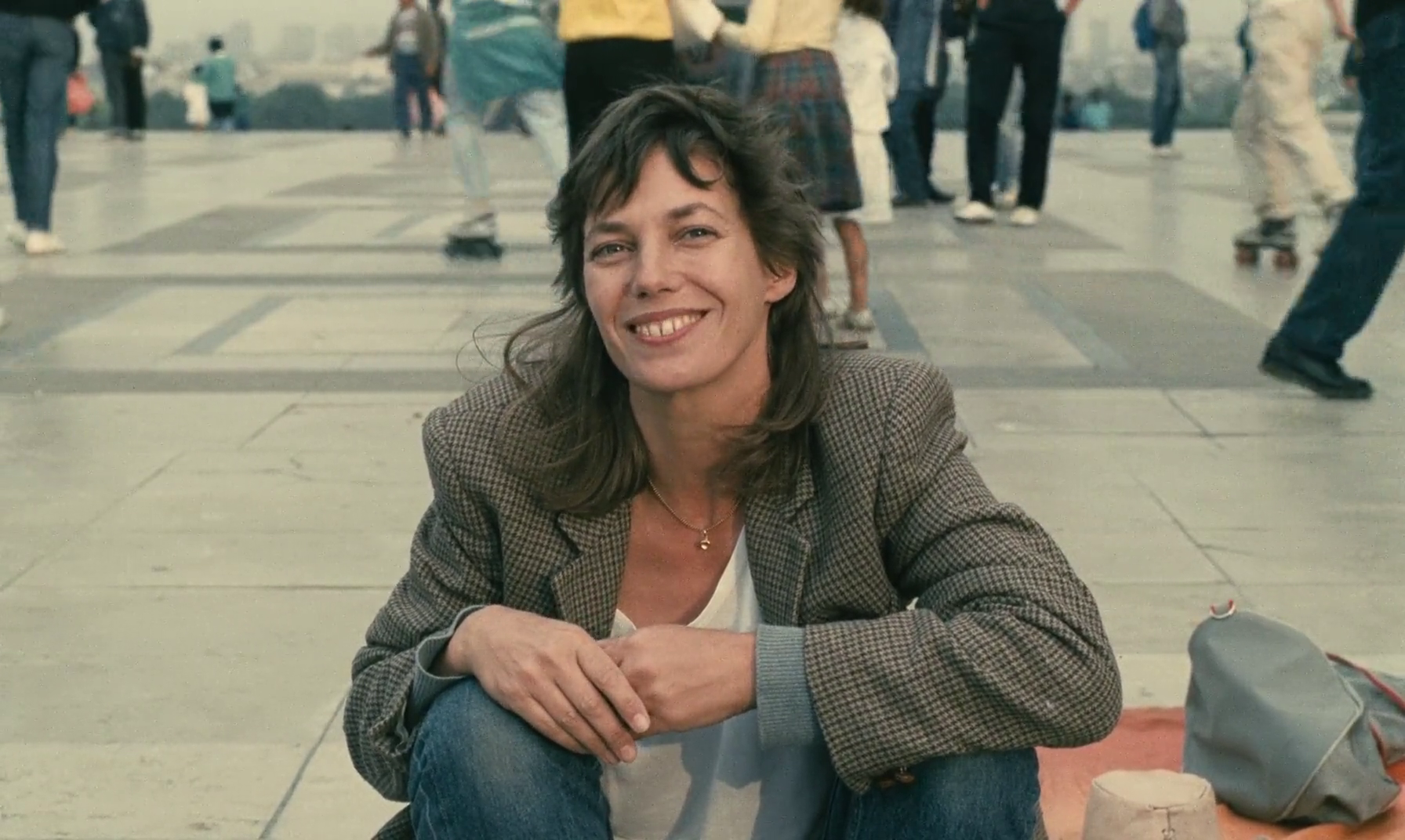
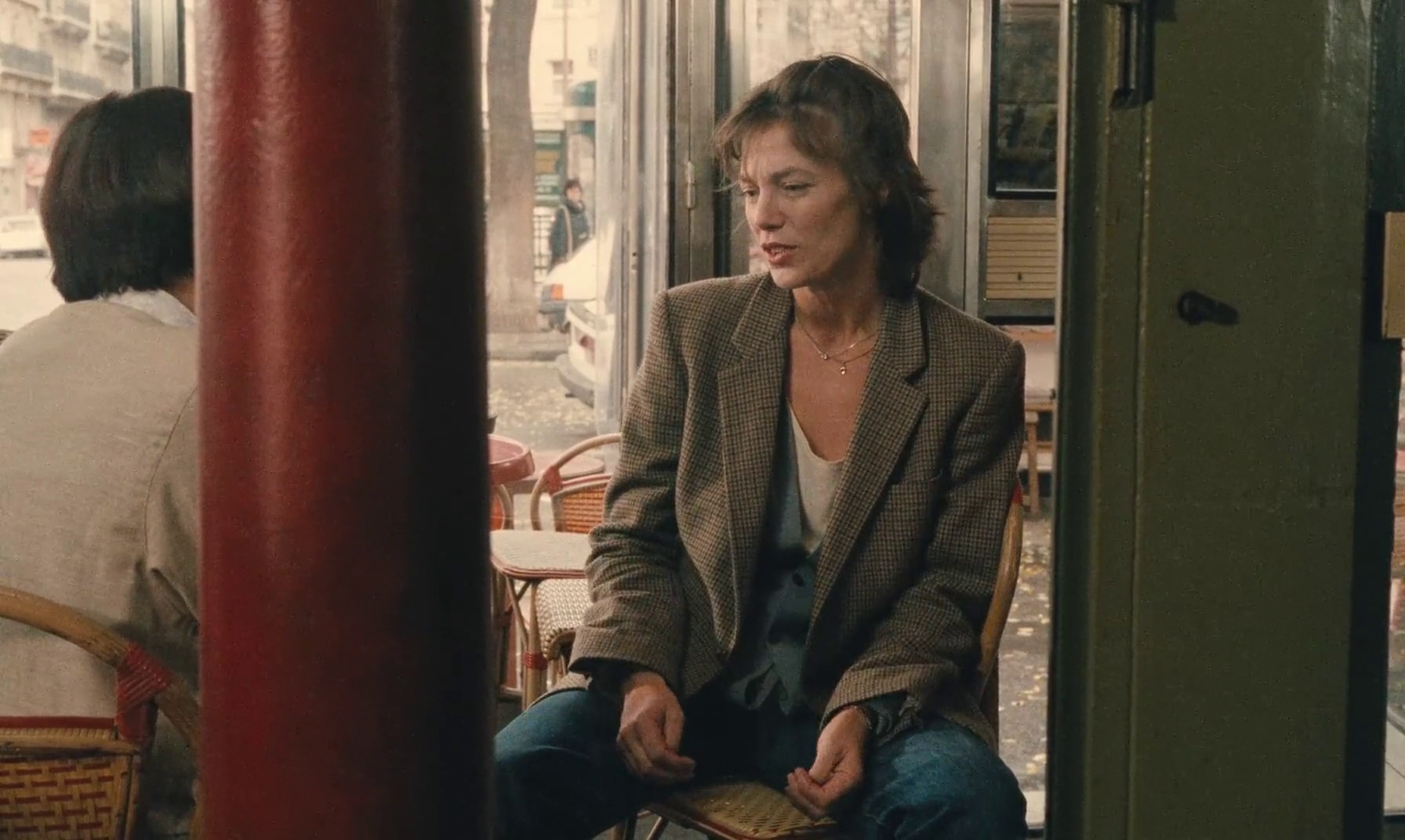
Jane Birkin in “Jane B. par Agnès V.”, 1988, directed by Agnès Varda. Ciné-tamaris
The docudrama Jane B. par Agnès V. is a comic portrait of Jane Birkin seen in many forms, across her personal life, professional anecdotes, an ongoing in-film-interview with director Agnès Varda, artistic tableaus and imaginative film roles. Inspired by Jane Birkin’s turning 40 and her retrospective look on her life thus far, the film takes nothing from a pre-existing form. “We played make-belief to get to the truth”, Varda said, and the result is a fascinating collaboration between director and her subject.
Jane Birkin is a woman of many contradictions. She wants to be an ordinary woman, but she also wants to play a goddess. She wants to be looked at, to be loved, but she also wishes to remain anonymous, like everybody else. She wants to be a little girl and she wants to be a grown-up woman, she wants to play every role – and she does, from femme fatale, subject in a renaissance painting, and Calamity Jane, to Joan of Arc, Tarzan’s Jane, and so on. The one I liked the most is probably the character-defying role of Laurel, of Laurel and Hardy, where she plays opposite Laura Betti as Hardy. It was like watching a great short, filled with comedic timing, self-deprecating humour and cynicism.
Varda’s camera adores Birkin, but she isn’t afraid to challenge her contradictions. In fact, contradictions are part of Varda’s cinema. As she told Mireille Amiel, “What almost always interests me in my films is the dialectics between public and private, between subjective and general. The cliché and what’s inside the cliché. It seems to me that this dialectic, this ambiguity, this contradiction of the clichés of our mental life and the images of lived life is really the subject of all my films… All my films are constructed out of such a contradiction-juxtaposition.” Jane B. par Agnès V., maybe more than any other documentary she made, is proof of that. Varda believed that “there’s no fiction without its documentary side, no film without an esthetic intent”.
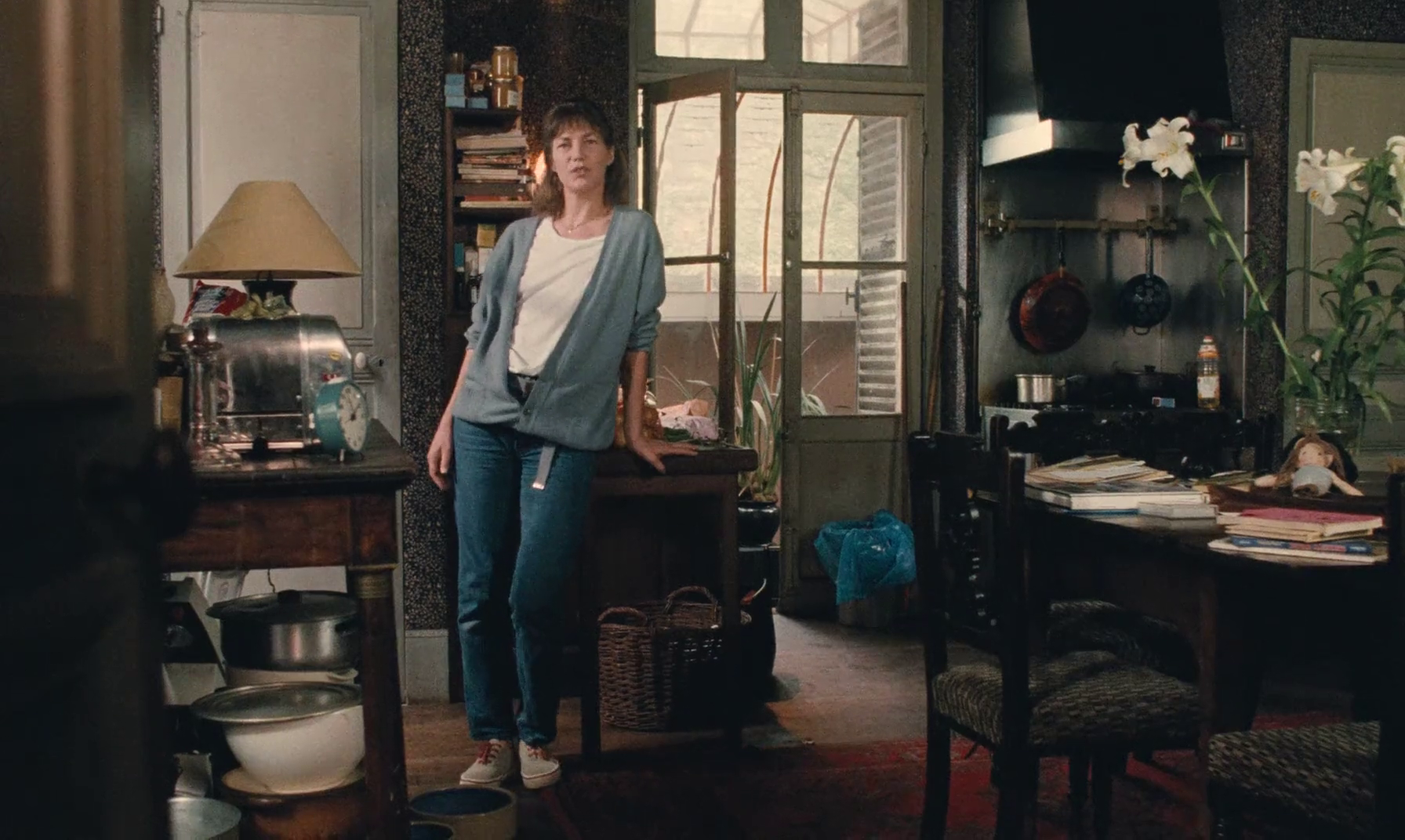
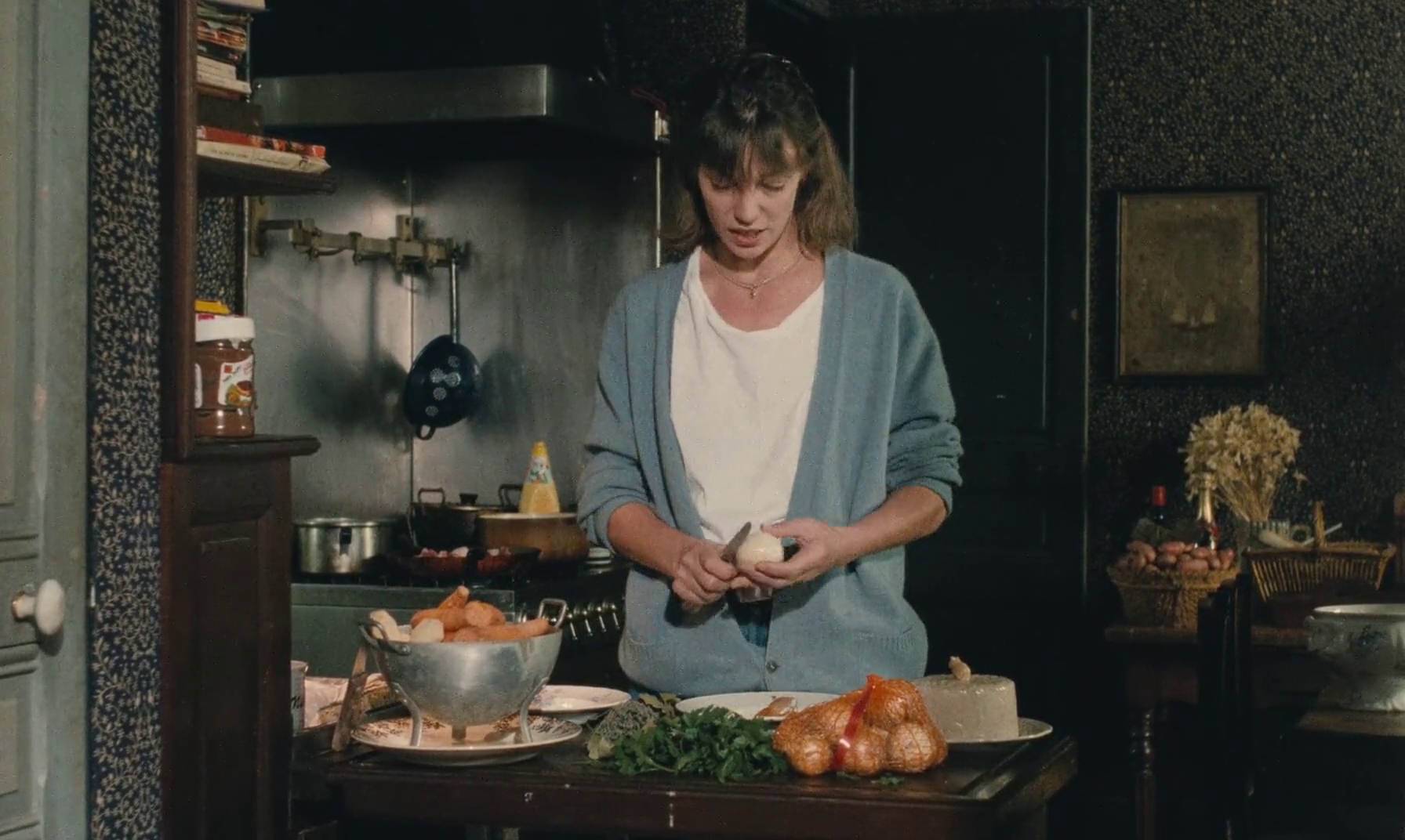
Jane Birkin in “Jane B. par Agnès V.”, 1988, directed by Agnès Varda. Ciné-tamaris
This is a film where Varda is having fun, because it’s a comic portrait of Jane Birkin, but there’s also this certain sensibility that defines it, the truthful bits that Varda is skillful and sensible enough to catch when Birkin lets her guard down (when she talks about her children, Kate Barry, Charlotte Gainsbourg and Lou Doillon, her lovers, Serge Gainsbourg and Jacques Doillon, or her upbringing in Britain). It’s a warm portrait and an intimate film. Agnès Varda was a director who did things her way. She started out as a photographer, she didn’t go to film school, nor had she watched many films that could have trained her eye. But, as it happened, it was in cinema that she found her language. And she was free to invent her own language. She wanted to make films that related to the times, not films that followed a path. She believed that cinema should only come from cinema, she didn’t want to adapt books into films. She made films to share ideas, emotions, a way of looking at life. Finding adventure where not everything has been said and done. It was Varda who made the first French New Wave film, La Pointe Courte, in 1955.
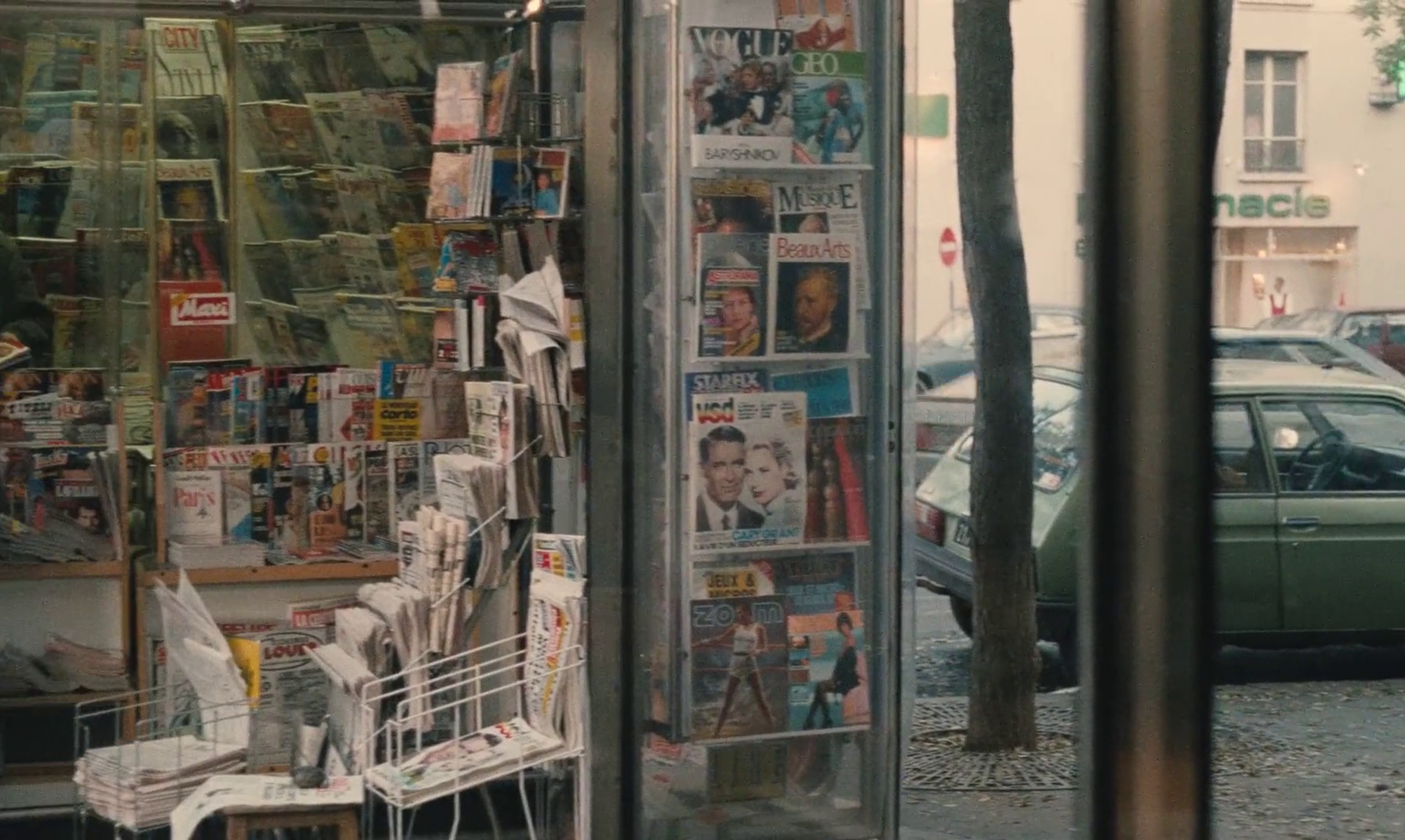
I am longing for the times when newsstands in any corner of the world were spilling with hundreds of newspapers and magazines. “Jane B. par Agnès V.”, 1988, directed by Agnès Varda. Ciné-tamaris
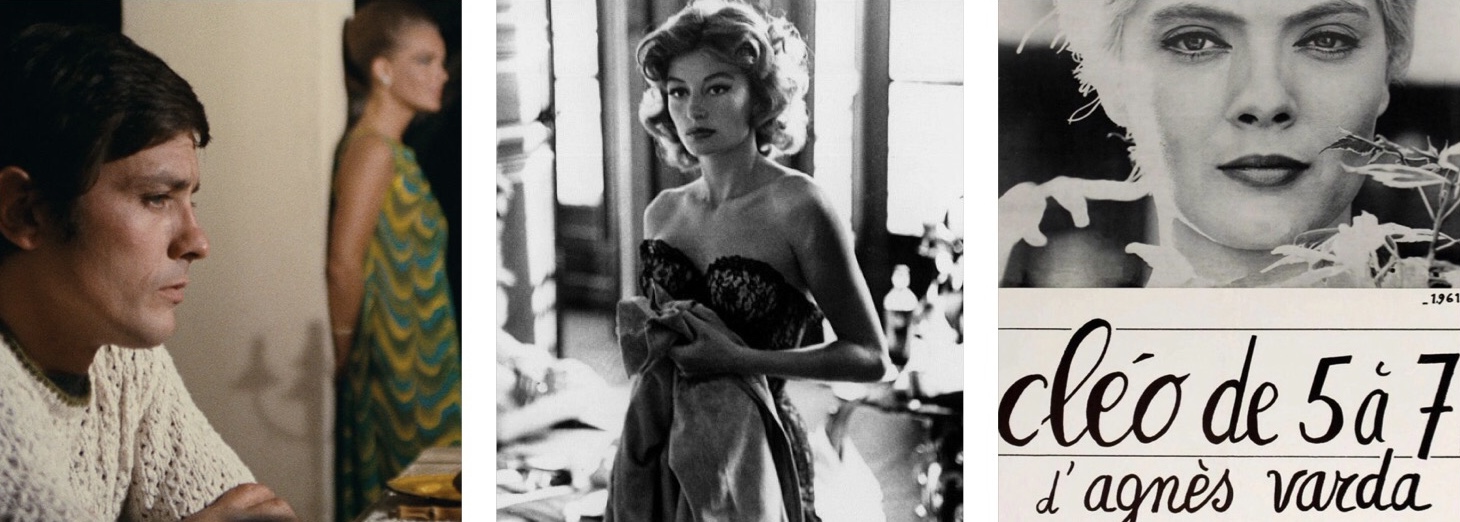
The first film I saw Jane Birkin in was Jacques Deray’s La piscine, opposite Romy Schneider, Alain Delon and Maurice Ronet. “When watching the film today, one cannot help but admire the casting choices. Delon, Ronet, Schneider, Birkin, and Crauchet all seem made for their roles – with an apparent inevitability that masks the difficulties, the false starts, the ideas (good or bad), the detours, and the clashes with a producer who remained undecided about actually making the film,” Deray remarked. “As for Jane Birkin – whom I met by chance – I once wrote a few words about her in a magazine: ‘Because she was dining in Saint-Germain-des-Prés one evening in 1968; because she had a unique accent, a distinctive way of smiling, laughing, walking, and showing surprise; and because she carried a large straw bag, Jane found herself, just a few days later, poolside alongside some of the biggest stars.’”
Birkin’s character, a very young and gamine Pénélope, both lovely and insolent, emanating a carefree spontaneity, is part tomboy (her flared jeans and simple white t-shirt are a look synonymous with Jane Birkin, that timeless look that continues to inspire generations of women at various stages of their lives), part temptress (the crocheted white and black cover-ups are a perfect example of the innocent-sexy style Jane Birkin became famous for at the start of her career), and she is the cause of the rapture that ensues between the characters. “There was one thing I was very stubborn about: I wanted to do my own makeup and wear my own dresses,” Jane Birkin recalled about the film. “When you watch the film today, it’s a disaster of bad taste! With those huge saucer-like glasses and my bangs, I look like the Easter Bunny!”
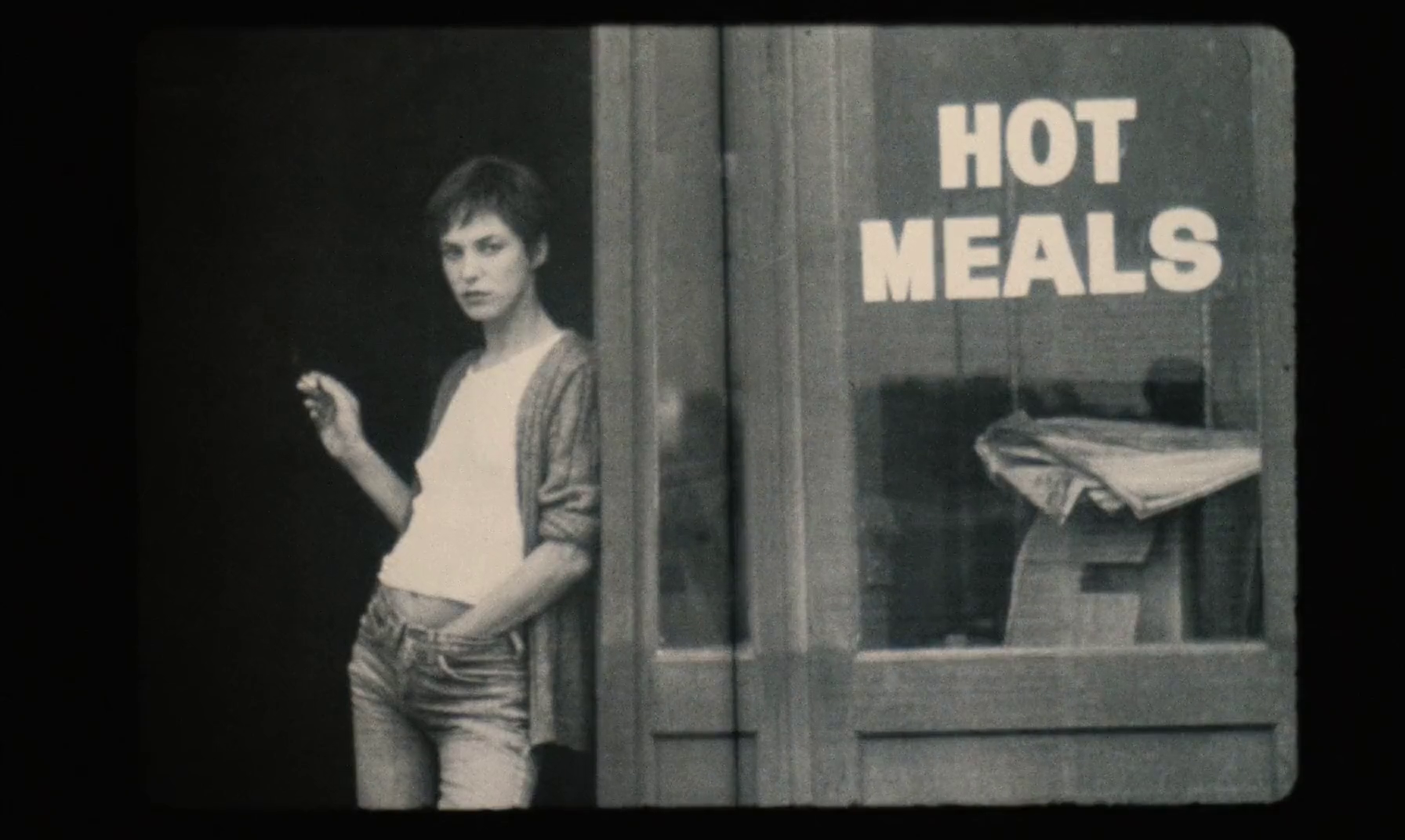
Jane Birkin in “Jane B. par Agnès V.”, 1988, directed by Agnès Varda. Ciné-tamaris
It was a time when she favoured bohemian staples – crochet crop tops, bell-sleeved mini dresses, basket bags, tops trimmed with lace, eyelet embroidery or ruffles. Romantic and provocative, and very different from the style Jane Birkin ultimately became so appreciated and admired for. Fashion whims and baby doll looks – very 1960s British mod – that gradually became something else, an understated elegance that simply bloomed in Birkin’s adoptive France. On the set of La Piscine, Birkin also remembered how “Romy was very protective of me – a truly honest person with a big heart. There was a lot of talk about me back then, before anyone had actually seen anything… Yet, in La Piscine, I was invisible… just a bland, unremarkable young girl… The real sensation of the film was Romy… she was magnificent!” She was.
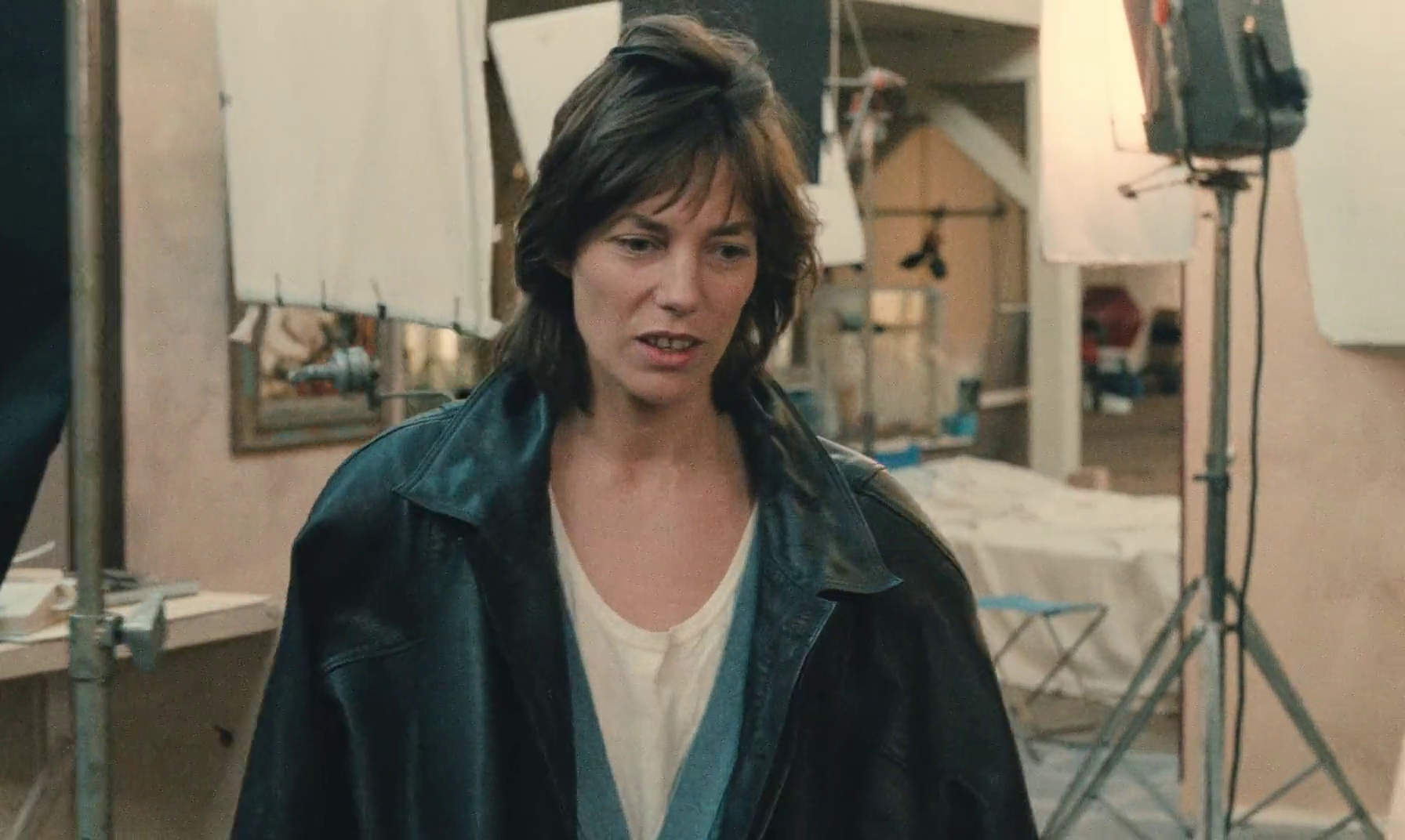
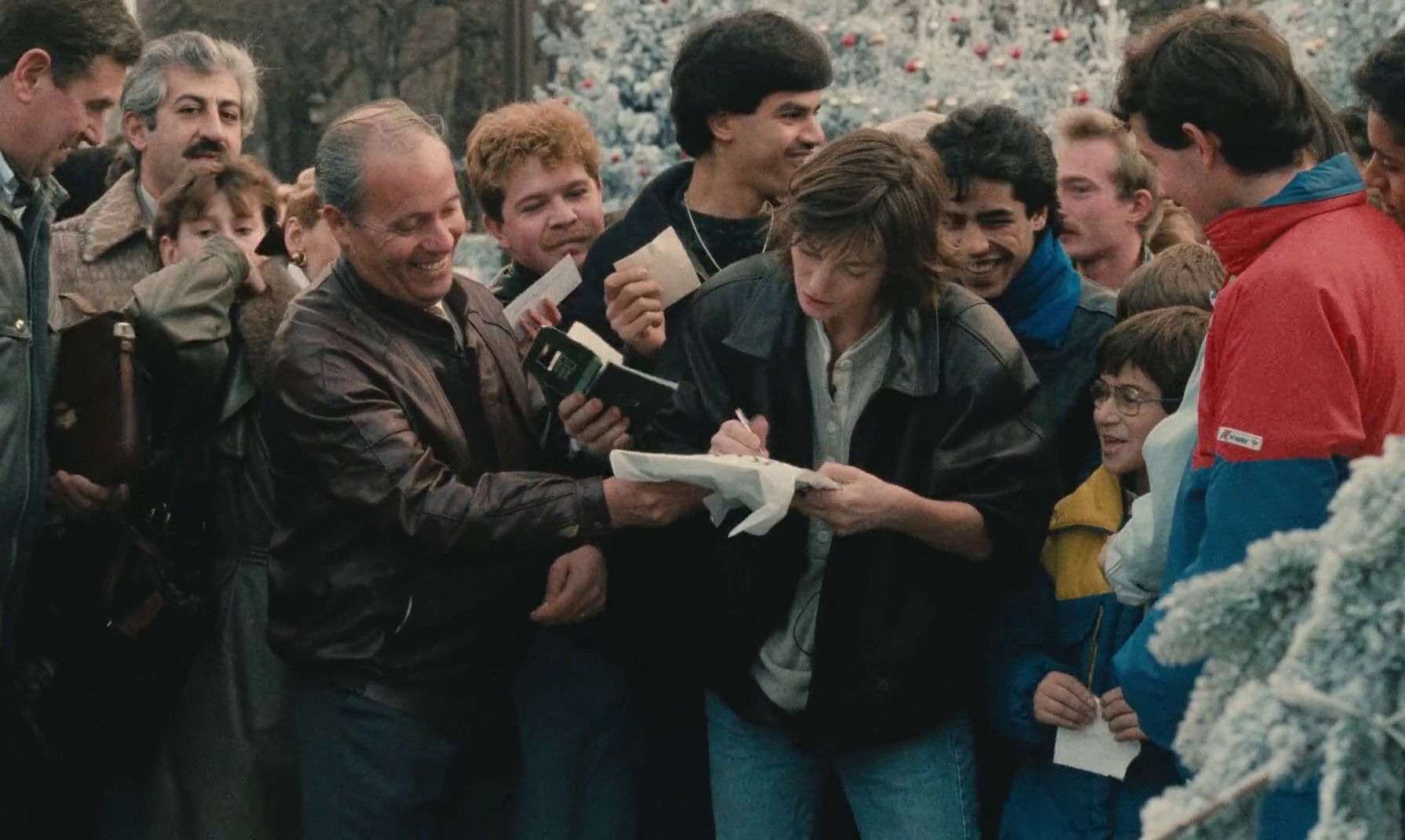
Jane Birkin in “Jane B. par Agnès V.”, 1988, directed by Agnès Varda. Ciné-tamaris
There are traces of that childlike personality, youthful flirting and wandering, in Jane B. par Agnès V., but it truly feels that what we see is a portrait of a woman in transition, someone who approaches middle age with reservations but a carefree ease that she trusts entirely. She is maturing in front of Varda’s camera. Her clothes ground that feeling. Her jeans, sneakers, plain t-shirts, cardigans, leather jackets, blazers. This look is Jane Birkin. A style striking in its simplicity, but a style that has evolved naturally, that has come with age.
Birkin tells Varda on camera that she would like to make a film about who she really is, in jeans, old sweaters, messy hair, barefoot in her garden, just for once to forget about film costumes, to be filmed like she was transparent, anonymous, just like anyone else. Varda immediately challenges her, because the director herself revels in paradoxes: “You want stardom and all its perks – money, glamour, fame… Yet you want to be filmed like the people in the street, like the ones who love you. You are different, but want to seem nondescript. You want to be a famous nobody.”
The legendary Birkin bag by Hermès makes an appearance in the film, too. A couple of years ago a Birkin bag once owned by the actress was sold for millions of pounds at auction. That speaks volumes about the impact Jane Birkin has had on fashion and of herself as a style icon. But leaving that aside, and the fact that the Birkin bag is undoubtedly an object of luxury, in the film the Birkin (besides being part of one of the fabricated characters that Jane is playing) is more of a practical and generously stuffed leather tote that simply accompanies Jane everywhere, a trusted companion filled with bits and pieces of her life. She pulls off another one of her contradictions, remaining natural yet glamourous.
“I’m Jane B. Born English. My height is now 5 feet 7 inches. No distinguishing marks. No exceptional talents, but I’m here. You’re watching me as time passes.”
Jane B. par Agnès V. …, denim par Jane B. …, liberté par Agnès V.
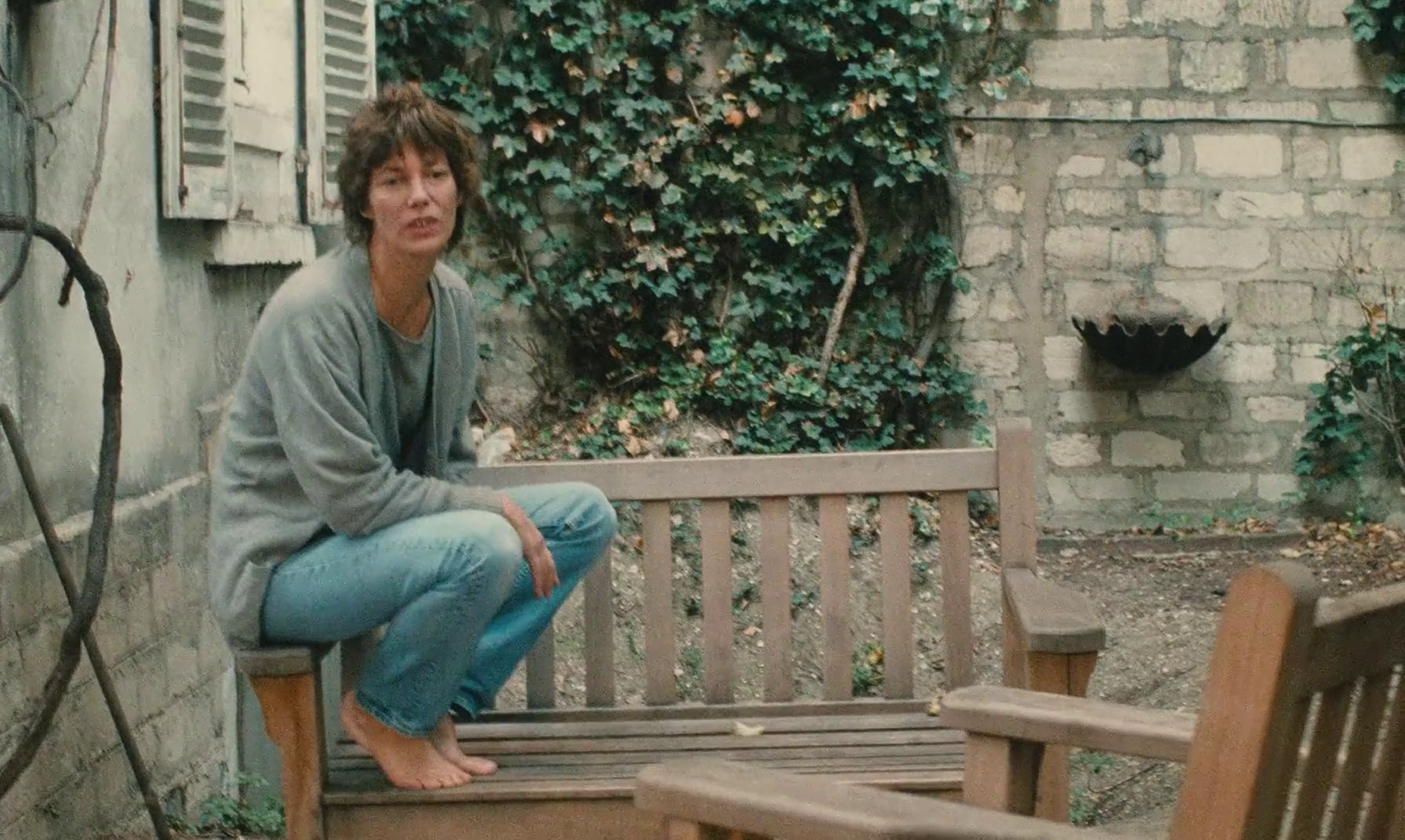
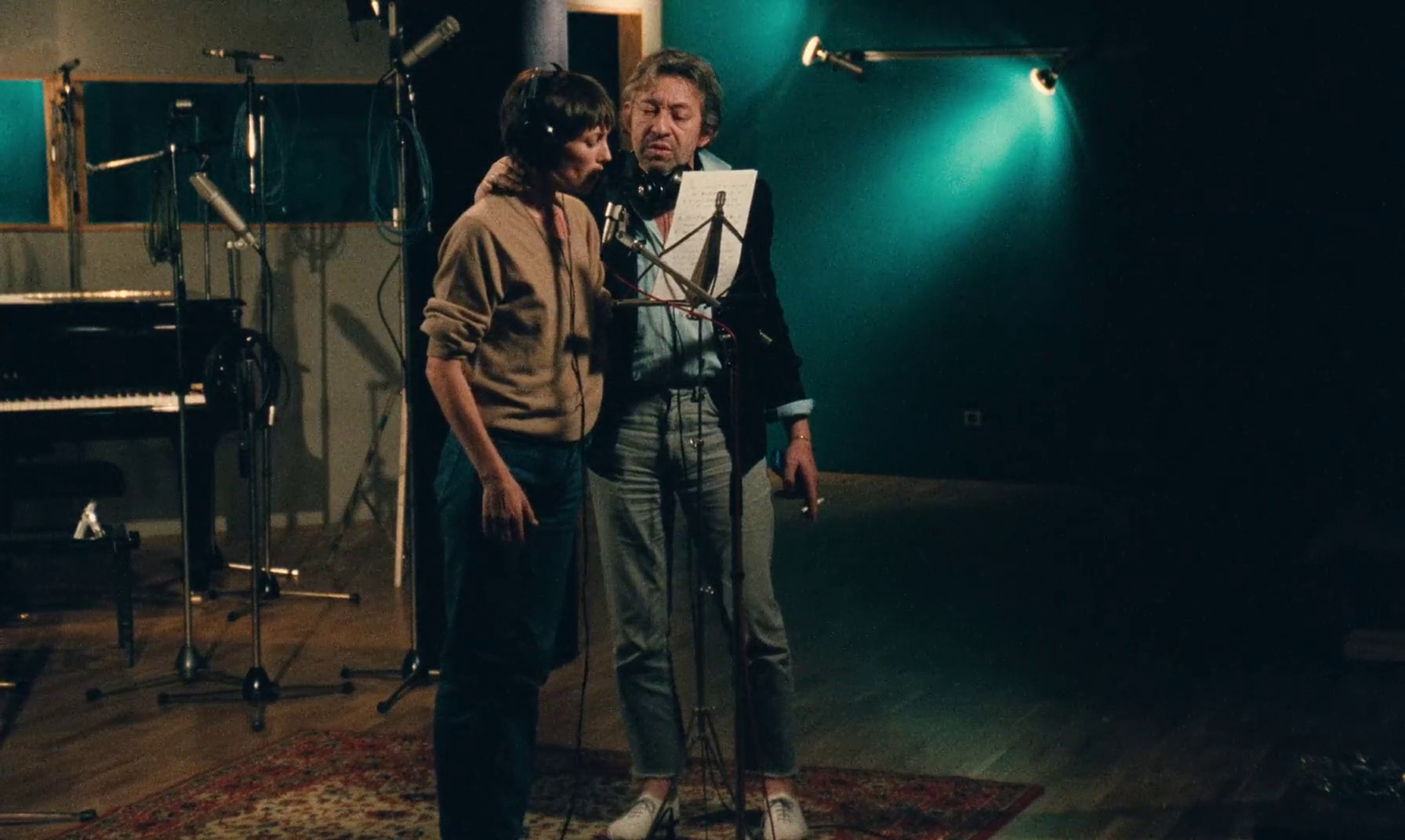
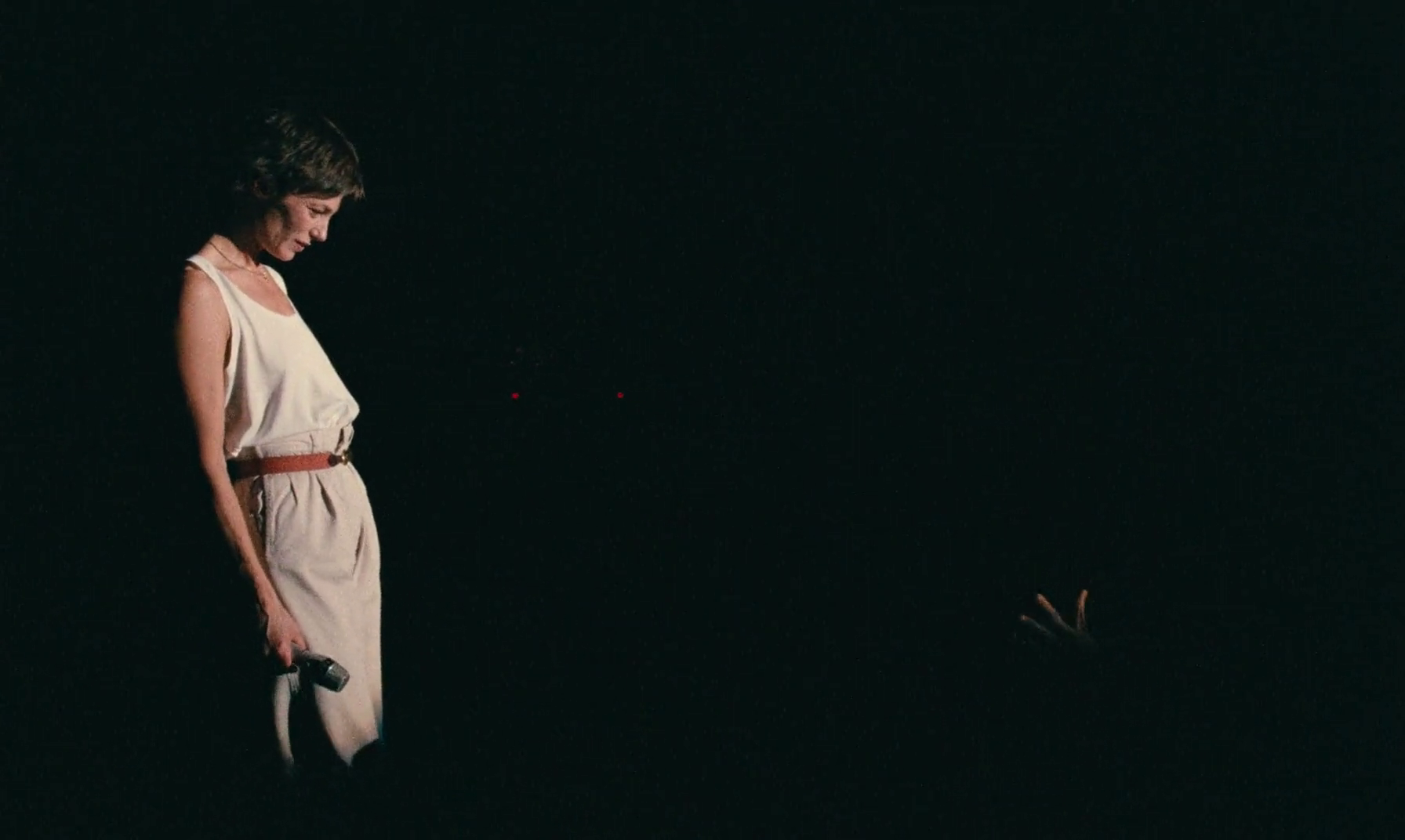
Jane Birkin in “Jane B. par Agnès V.”, 1988, directed by Agnès Varda. Ciné-tamaris
Editorial sources: “Agnès Varda Interviews”, edited by T. Jefferson Kline, “Jacques Deray: J’ai connu une belle epoque”, “La Piscine”, by Luc Larriba
MORE STORIES
The searing style of Jacques Deray’s “La Piscine”
Jacques Demy in black & white and his quiet yet lyrical heroines
“We are taking culture into our own hands”:
In conversation with Cinéma La Clef