I believe that luxury fashion brands have lost part of their core meaning today. And I think that is because luxury has become too attainable, starting to lose its cultural capital. It is mainly because of digital exposure, which may increase brand awareness, but, in the long run, it can turn into a trap, leading to consumer fatigue, instead of creating higher value. Luxury products are suddenly everywhere. They are not exclusive anymore (a sine qua non of luxury). Nor the retail experience that a discerning luxury customer seeks for. This is a customer who doesn’t remain indifferent if they see an iconic Gucci Bamboo bag on every high-heeled girl posing to have her photo taken for her personal blog or street style photography websites. This is someone who wants to feel like an insider, like they’ve been told a secret that nobody knows. Simply put, you first see the class and understated style with which this kind of customer owns such product, not that they have the money to own it.
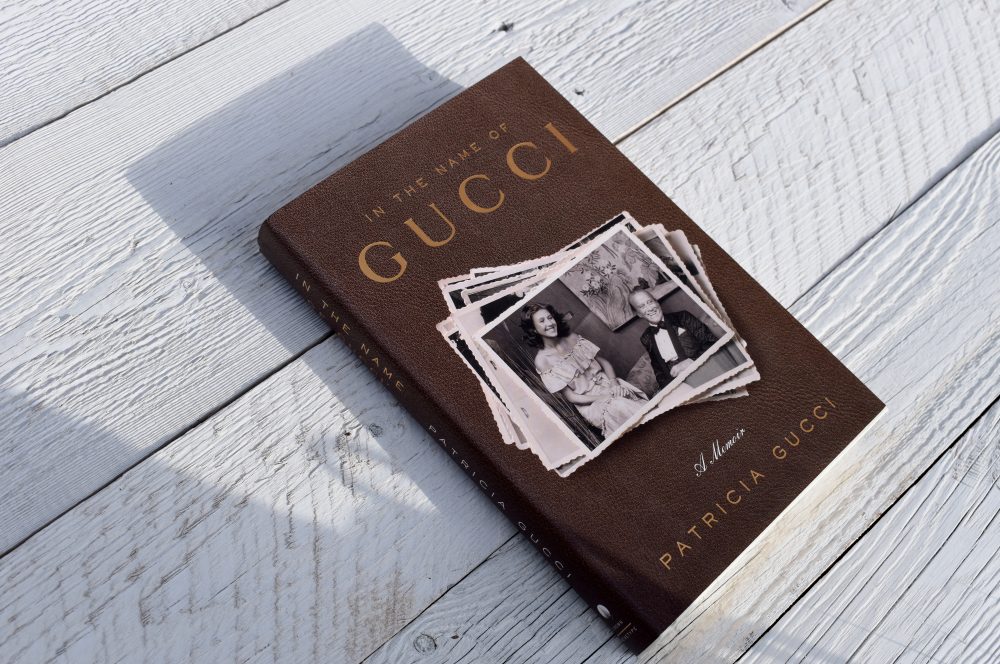
I was thinking about all this while I was reading In the Name of Gucci: A Memoir
Patricia Gucci delivers a straightforward, in-depth, unassuming look into the previously untold love story of her parents, Bruna and Aldo, and their secretive and controversial life together (he was married, with three children, in an Italy that prohibited divorce and that held it as illegal to have illegitimate children), into her isolated childhood, and charts the tumultuous history of the label Gucci and of the man, the father and the businessman that was Aldo Gucci. I appreciate learning new things, from a close (both literally and figuratively) member of the family, about such an important figure in the fashion world, but also in entrepreneurship. Personal details of the kind always add a new, complex dimension to the image the public has already formed about a personality.
But I must admit I often found myself looking for paragraphs that described Aldo Gucci’s business side, and the brand, its invention and evolution, all the hard work, determination, time, passion and risk-taking that went into it. Patricia beautifully interweaves the two sides together, giving special, small insights on the business drive, flair, and ethics of her father, keeping the interest up beyond the family drama. That, I truly value. Like the episode when her father spotted a fake Gucci bag on a woman (she didn’t know it was a fake) seated in front of him on a transatlantic flight and, handing her his business card, on which, singing it with his name, he wrote a 30% discount, pleaded for her to use it to purchase an original Gucci handbag. And when Grace Kelly went in to buy a silk scarf in a store when the brand wasn’t yet making scarves, and the manager assured her that exactly what she was looking for was already in production and that she would be the first one to have it – and so they did, Gucci made one especially for her. Or the one when Aldo Gucci opened the Beverly Hills store and allowed access to Frank Sinatra before anyone else, because Sinatra loved Gucci products and wanted the exclusivity. This is the type of customer and luxury retail experience I was talking about above.

