“The task of any artist is not to learn many, many techniques
but to learn the most simple technique perfectly.
In doing so, Stanislavsky told us, the difficult
will become easy and the easy habitual,
so that the habitual may become beautiful.”
Read instead…in print #25
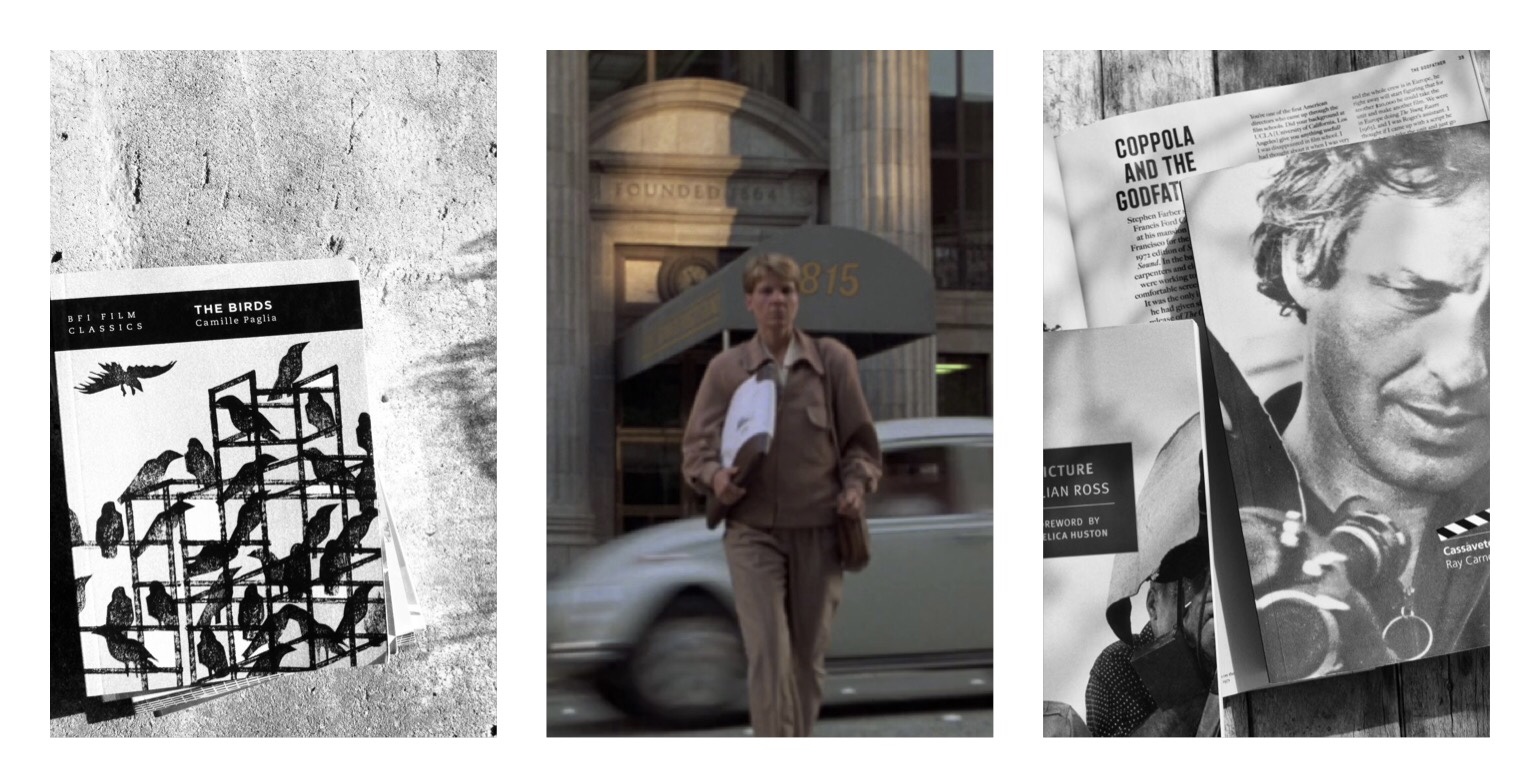
House of Games marked David Mamet’s directorial debut, and what a debut that was! He had already earned his reputation as a playwright (winning the Pulitzer Prize in 1984 for Glengary Glenn Ross) and screenwriter (The Verdict, The Untouchables). Mamet has a distinctive, pragmatic style of dialogue, dubbed “Mamet Speak”: poignantly stylised, cynical, abrupt, reminding of film noir dialogue. The film does have that overall neo-noir feel. But it’s not the dialogue that makes the film. It’s the question you keep asking yourself: what’s going to happen next, what is she (Lindsay Crouse as Margaret Ford, a successful psychologist who falls into the traps of a con artist) looking for, how far is she willing to go? You can’t tell that from her acting either. Because her outfits are mannish, her words are enunciated with cold, distant, crisp precision; her presence is uptight and cautious; her sculpted face never crumples. And you keep guessing. That’s just beautiful filmmaking.
“Movies are made of very simple ideas.
The good actor will perform each small piece
as completely and as simple as possible.”
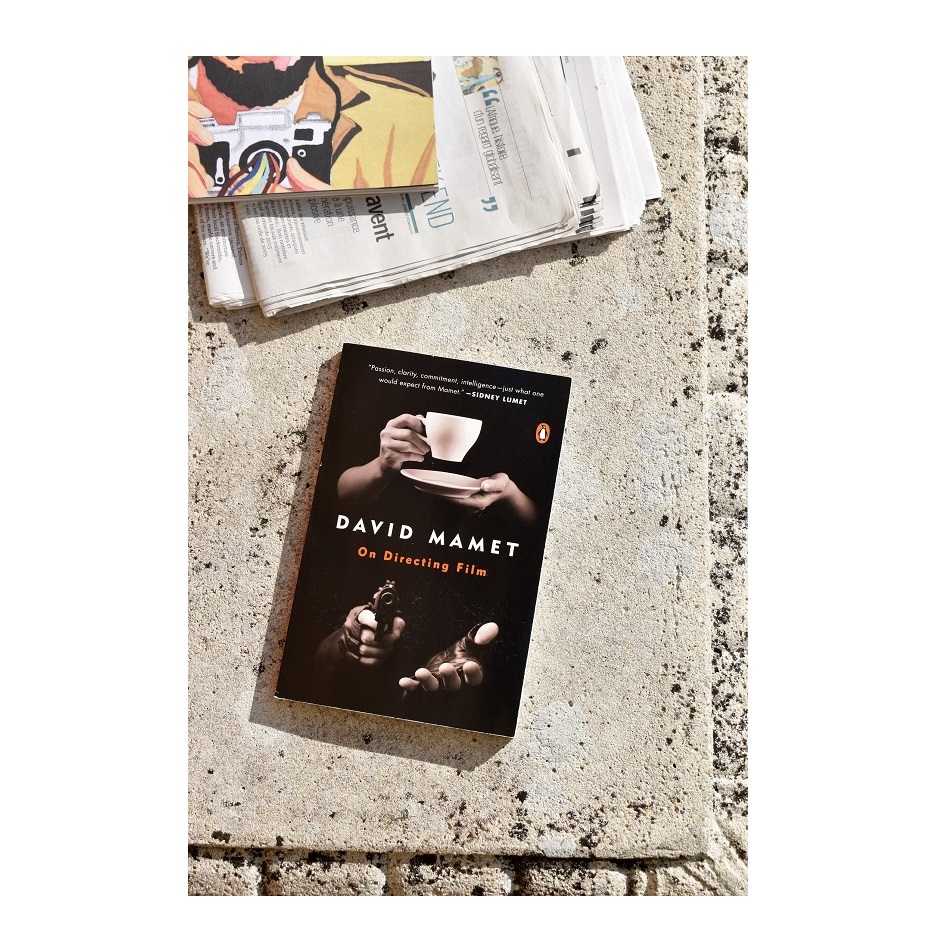
That’s exactly what makes good filmmaking. As David Mamet says in his book, On Directing Film, “you don’t have to narrate with the dialogue any more than you have to narrate with the pictures or the acting. The less you narrate, the more the audience is going to say, ‘wow. What the heck is going on here? What the heck is going to happen next…?” The book is just like his films: precise, direct, it shows you how to tell a story. Keep it simple and master your technique.
“Hitchcock denigrated American films, saying they were all
‘pictures of people talking’ – as, indeed, most of them are.”
Read instead… in print is about a good book about cinema or filmmakers. No discursive, pretentious analyses, no verbose scrutiny. Because the idea is to invite you to read the book, not read about it here. But instead of using social media, I use my journal. Back to basics. Take it as a wish to break free of over-reliance on social media (even if it’s just for posting a photo of a good book) for presenting my work, cultural finds and interests. These are things to be enjoyed as stand-alone pieces in a more substantial and meaningful way than showing them in the black hole of Instagram thronged with an audience with a short attention span. This is also a look through my voluminous collection of books about film that I use as research in my adamant decision to rely less and less on the online and more on more on print materials.
MORE STORIES
Read instead…in print #4: The Birds, by Camille Paglia
Crisp precision: Lindsay Crouse in “House of Games”
Read instead…in print #14: Cassavetes on Cassavetes