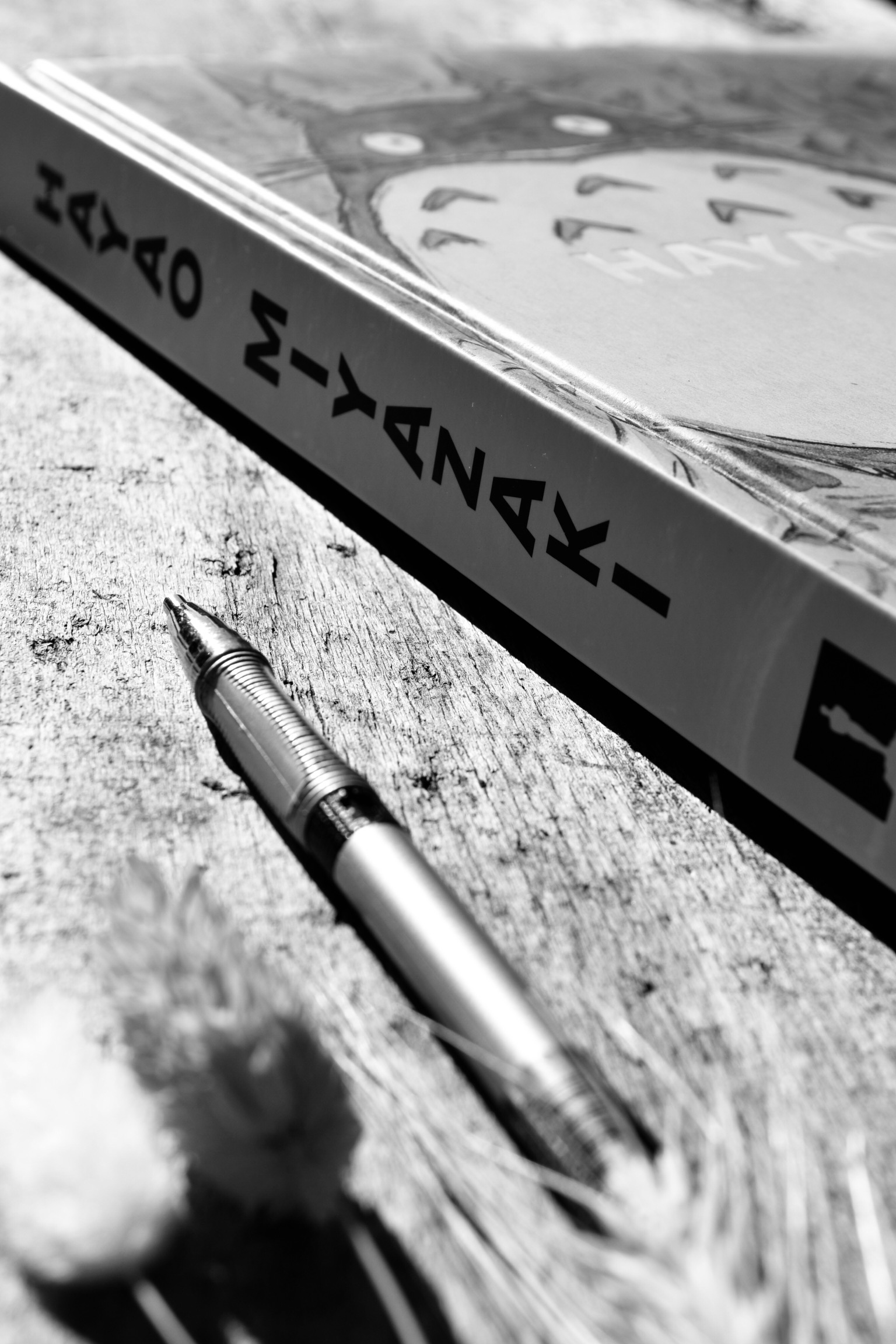
A photo of a good book about cinema. No discursive, pretentious analyses, no verbose scrutiny. Because the idea is to invite you to read the book, not read about it here. But instead of using social media, I use my journal. Back to basics. Take it as a wish to break free of over-reliance on social media (even if it’s just for posting a photo of a good book) for presenting my work, cultural finds and interests. These are things to be enjoyed as stand-alone pieces in a more substantial and meaningful way than showing them in the black hole of Instagram thronged with an audience with a short attention span. This is also a look through my voluminous collection of books about film that I use as research in my adamant decision to rely less and less on the online and more on more on print materials.
The book Hayao Miyazaki, marking the current film series and exhibition at the Academy Museum of Motion Pictures, is a magical portal into the films and worlds of the Japanese filmmaker. We are offered details about the creative process, but there is so much “emotional setting for the sensations stemming from imagination” in his films that I believe the best thing is to appreciate the talent and just experience the films without seeking out too much explanation. The words, but especially the drawings, storyboards and character designs take us on a fascinating journey of discovering not only hidden and enigmatic cinematic worlds, but to seeing our world with new eyes, with interest, curiosity and hope. We adults simply don’t do much observing and imagining.
Hayao Miyazaki’s fantastic worlds are unlike anything done before, free from typical fairy tale characters. Miyazaki’s characters are driven by their own logic. Good characters can become evil just by a change of scenery, can take the shape of human, animal or river spirit, a child enters a strange world and anything can happen. It’s simply this free flow of events and transformations and beings that just happen, that just are. You believe in those worlds because there is always a balance between magic and reality, between calmness and drama, between joy and hardship, because Miyazaki finds the extraordinary in the ordinary.
“We have to give children back the energy that they once used to have, to give them the energy that once gave them strength and allowed them to stand up a little adversity.”
MORE STORIES
The Sea Library: In conversation with Anna Iltnere


