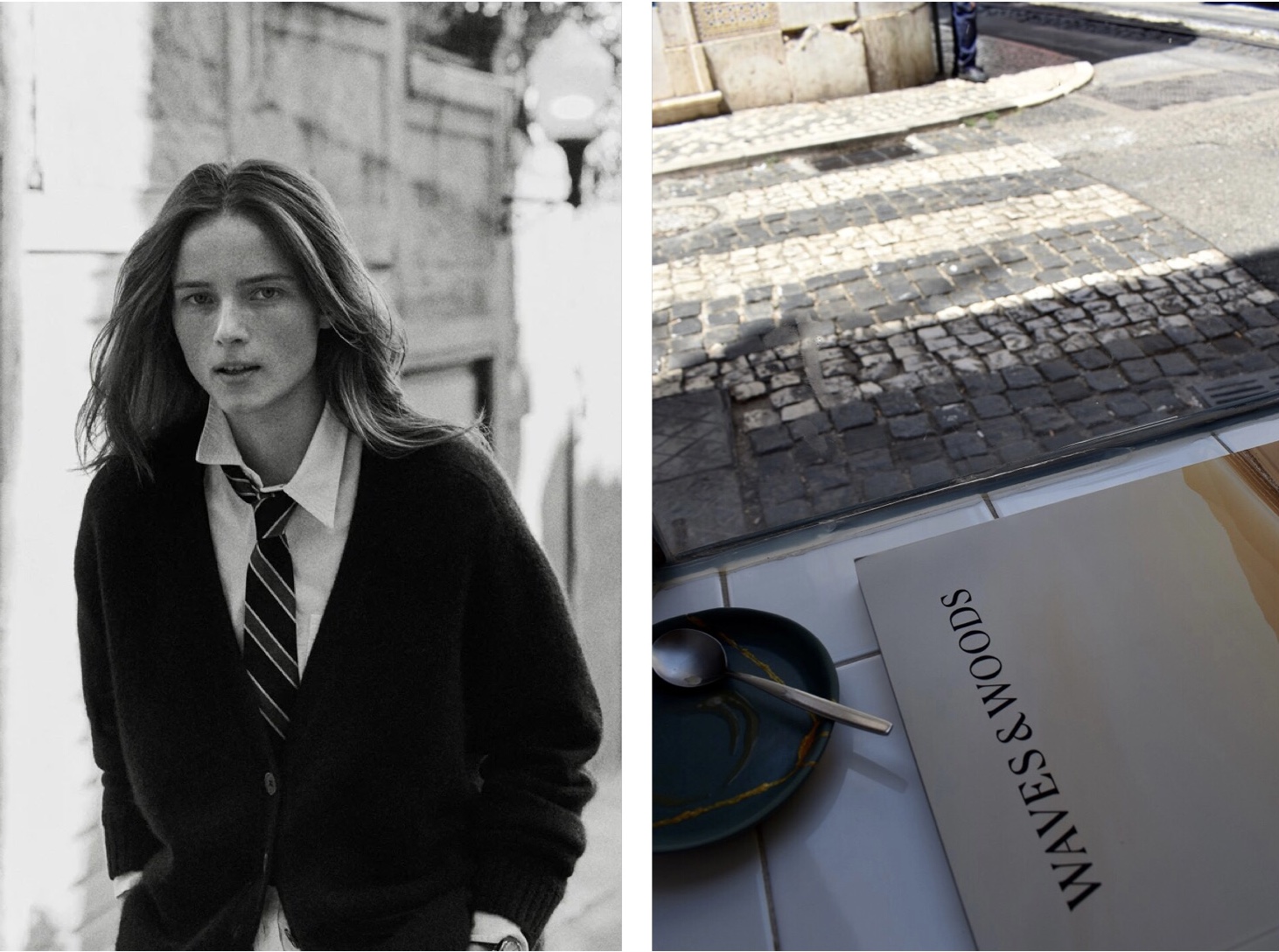
Photos: Buck Mason Ivy Collection lookbook (left). Classiq Journal (right)
“And if I only could
I’d make a deal with God
And I’d get Him to swap our places
Be runnin’ up that road
Be runnin’ up that hill
Be runnin’ up that building
Say, if I only could”
Kate Bush, Running Up That Hill
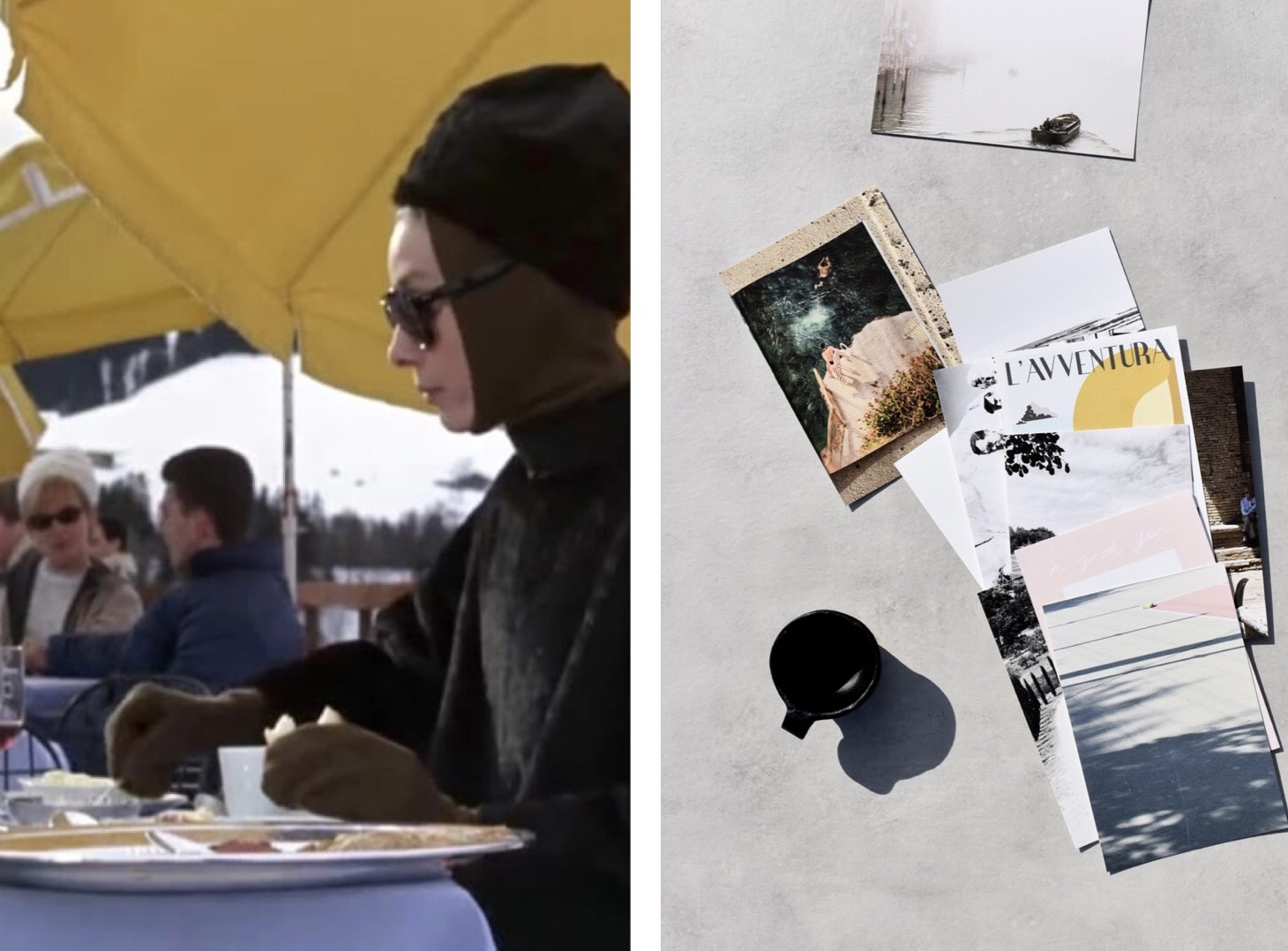
Classiq Journal Editions, available in the shop
Viewing
Downhill Racer, 1969
Michael Ritchie
Simply put, this is one of the best movies about sports, about winning and the mystique of sport. Robert Redford is David Chappellet, member of the US skiing team. “What does winning really mean?” was what Robert Redford, one of the producers and the one who brought director Michael Ritchie and screenwriter James Salter together, wanted the movie to be about. Skiing and winning are all that matter to Chappellet, a character that is presented unidimensional, from the angle of a driven, self-centered professional sportsman, without insisting on any personal drama or feelings. “I’ll be famous, I’ll be a champion”, Chappellet tells his father. That’s all he is interested in, dismissing any interest, even in the financial side.
But there is also Redford’s sweater trim silhouette, namely the black pullover with a chest-crossing black and white stripe, that any discerning sportsman, and any man and woman for that matter, should channel today. It’s minimalist, modern, so classically sporty. It was the time of Jean Claude Killy, when the best downhill racers wore sweaters of pure wool. If it was good back then, why wouldn’t it be good today? My grandfather, an active man his entire life who always lived (and could only have lived) in the countryside, where the winters used to be much harsher than they are now, never wore a jacket. His winter outerwear was a thick hand-made woolen pullover, worn with a proper base layer, and a sheep shearling vest on top of it. I believe in family traditions and that rich experiences involve people and nature and not much material stuff, and I also believe in simple, timeless sports traditions. Reclaiming natural fibers should go hand in hand with our newly-refound reconnection with nature, steeped in an elegant practicality.
“It was the ’70s and skiing was the scene. Everyone wanted to be outdoors with each other, bold and beautiful and kissed by the sun. It was like nature was a game. The air got you high, the sky, and there was the feeling of something wondrous and once in a lifetime.” – The God of Skiing, by Peter Kray
Happyend, 2025
Neo Sora
The story is set in a near-future Tokyo, not much more authoritarian than our current world. Because of a looming catastrophic earthquake and paranoid surveillance, there is an atmosphere of anxiety that permeates the narrative, yet the film feels very nostalgic, too, especially through the eyes of the characters, mainly teenagers. Friendship, teenage rebellion and romance play center role in this high school dystopia, unexpectedly laying the background for the most poignant social and political commentary. There is also a clear relationship between characters and the landscape of urban life, something I believe Japanese films are particularly good at, and completely different than any other cinema. I would have loved to ask cinematographer Bill Kirstein how he composed spaces and city.
Marty Supreme, 2025
Josh Safdie
The film belongs to Timothée Chalamet. I believe it, therefore I am it. Nobody (be it character in the film or audience) seems to make up their mind whether they are annoyed by him or completely fascinated at any given time.
Cloud, 2025
Kyoshi Kurosawa
Toshiba (Masaki Suda) is a hustler who buys stuff online and sells it at excessively higher prices. A pretty ordinary life and quite telling about our times. But it is the way the director wields elements of suspense and empty spaces and the way he restraints from using music (employing instead diegetic soundtrack to dial up tension) that grabs your attention. That’s cinema, after all.
Stranger Things (2016-2025)
Since the last newsletter I have finally watched all seasons and the bottom line is I loved it even when I didn’t like it (especially season 3). And now I am rewatching season one, this time with my son. He was hooked from the first episode and totally digs the decade I was born in. The soundtrack is all we’ve been listening to, we want to play Dungeons and Dragons, and we want Dustin and Mike and Lucas and Will to be our friends.
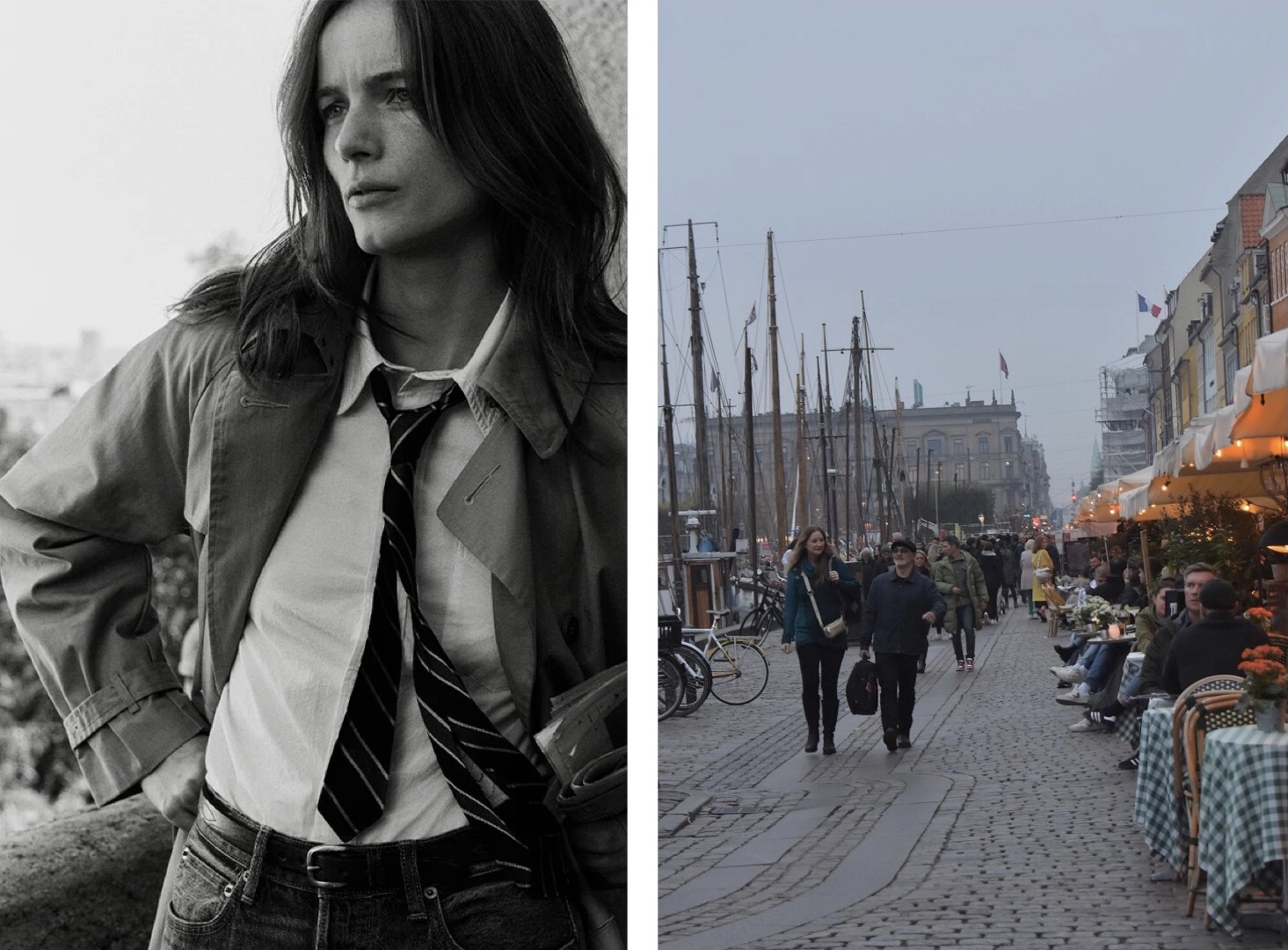
Photos: Buck Mason Ivy Collection lookbook (left). Classiq Journal (right)
Reading
The latest issue of Légende magazine is dedicated to David Bowie and it truly is a collector’s item, just like every edition is (the Bob Dylan, Rafael Nadal and Brigitte Bardot issues are three more that I personally treasure). As Légende editor-in-chief Éric Fottorino says, Bowie was a unique phenomenon, in his own way and in every way, and it is a joy to rediscover this multicoloured phoenix, an angel of light and darkness who, ten years after his death, has neither finished singing nor enchanting us.
Some of the best books about making movies are not the ones staring you in the eye from every overrated top ten list, but these three books: Conversations with Dean Tavoularis, Conversations with Darius Khonji and Conversations with James Gray. are A collection for film lovers featuring some of the greatest artists and craftsman of our time.
From the journal’s archives: In tribute of the Winter Olympics, for anyone loving sport and style and the cultural ramifications surrounding them, because neither sport nor style should be self-referential, my writing piece A sporting life: In search of its lost elegance.
The interview: Chris Gayomali in conversation with Judith Thurman, The New Yorker staff writer. “The qualities that tend to make someone’s outfit interesting aren’t all that different from the qualities that make for a memorable sentence: funny juxtapositions, departures from the common wisdom, grace notes that wink and surprise. Not many writers working today are stylish enough to pull off the latter. An even smaller fraction are capable of dressing cool, too.”
Listening
The podcast: This Cultural Life
The soundtrack: Stranger Things, the whole series
The album: Hounds of Love, Kate Bush
Making
I like a good story. And the Ivy Look has quite a story to tell, spanning movies and movie posters, pilgrims of modern jazz and graphic design, writers and hipsters. More than half a century since its heyday (the 1950s and 1960s), the Ivy Look is as fresh, stylish and relevant as ever, and it inspires us to be as rich in character and innovation as the original era of the look was. Enter Buck Mason’s West Coast Ivy Collection. “West Coast Ivy is our unbuttoned take on East Coast prep—rooted in tradition, yet worn with a studied carelessness synonymous with the California lifestyle. Carefully considered but never constrained, silhouettes move with ease as classic menswear staples are softened and relaxed for Los Angeles.”
Exploring
My Cortina, an insider’s guide to the 2026 Winter Olympics.
The art and iconic posters installation at Triennale Milano. The two Iconic Posters of the Milano Cortina 2026 Olympic and Paralympic Winter Games, created by Olimpia Zagnoli and Carolina Altavilla, are on display until March, along with the Art Posters – ten posters commissioned from some of the most compelling Italian painters, invited to explore the intersection of art and sport. Displayed alongside the posters are the Olympic Torch and the Paralympic Torch, symbols of the Games.
On an end note
We are all inspired and challenged by greatness and by the highest achievements in any domain. But not chasing greatness at all costs is okay, too. The mountain isn’t just about winter sports and pushing one’s limits, and that’s one of the things I love so much about the film Le otto montagne (The Eight Mountains), directed by Felix van Groeningen and Charlotte Vandermeersch. It is an ode to mountain peaks, to friendship, to life. Is there anything more beautiful than that? A film in harmony with the seasons, a film that takes its time to unfold, as it tells the story of a city boy, Pietro, and Bruno, a village boy, who meet in an isolated village in the Italian Alps, where Pietro’s family spends the summers (because summer is when I love the mountain best and the mountain in the summer is much too underrated). A profound bound forms between the two, which will shape and mark their adult lives. Childhood unites them (the film is also an ode to childhood and its free and unspoiled spirit), life takes them on different paths and tragedy reunites them again, with the mountain and the beauty of nature, with its untamed and unpredictable force, always presiding over their existence. The film was based on the eponymous book written by Paolo Cognetti and what I find extremely meaningful and extraordinary about the author’s books I have read so far (The Eight Mountains and Without Ever Reaching the Summit), and which is also why they sit close to my heart (so much more than those of pioneer climbers, great explorers or biggest travel writers), is that they bring back a sense of wonder and they bring man closer to nature, not as a conquerer, but as a curious mind, eye and heart.
The regulars: The interviews, newsletters and podcasts I turn to every week and/or every month because they are that good. Soundtracking, with Edith Bowman. Ruthie’s Table 4 with Ruth Rogers. Fashion Neurosis, with Bella Freud. My New Roots monthly newsletter. Craig Mod’s newsletters: Roden and Ridgeline. Racquet’s Rennae Stubbs tennis podcast. Gone to Timbuktu with Sophy Roberts. Sirene Journal, Racquet, and Waves & Woods in print.
“Did the one who went around the eight mountains,
or the one who reached the top of Mount Sumeru, learn more?”
Paolo Cognetti, The Eight Mountains
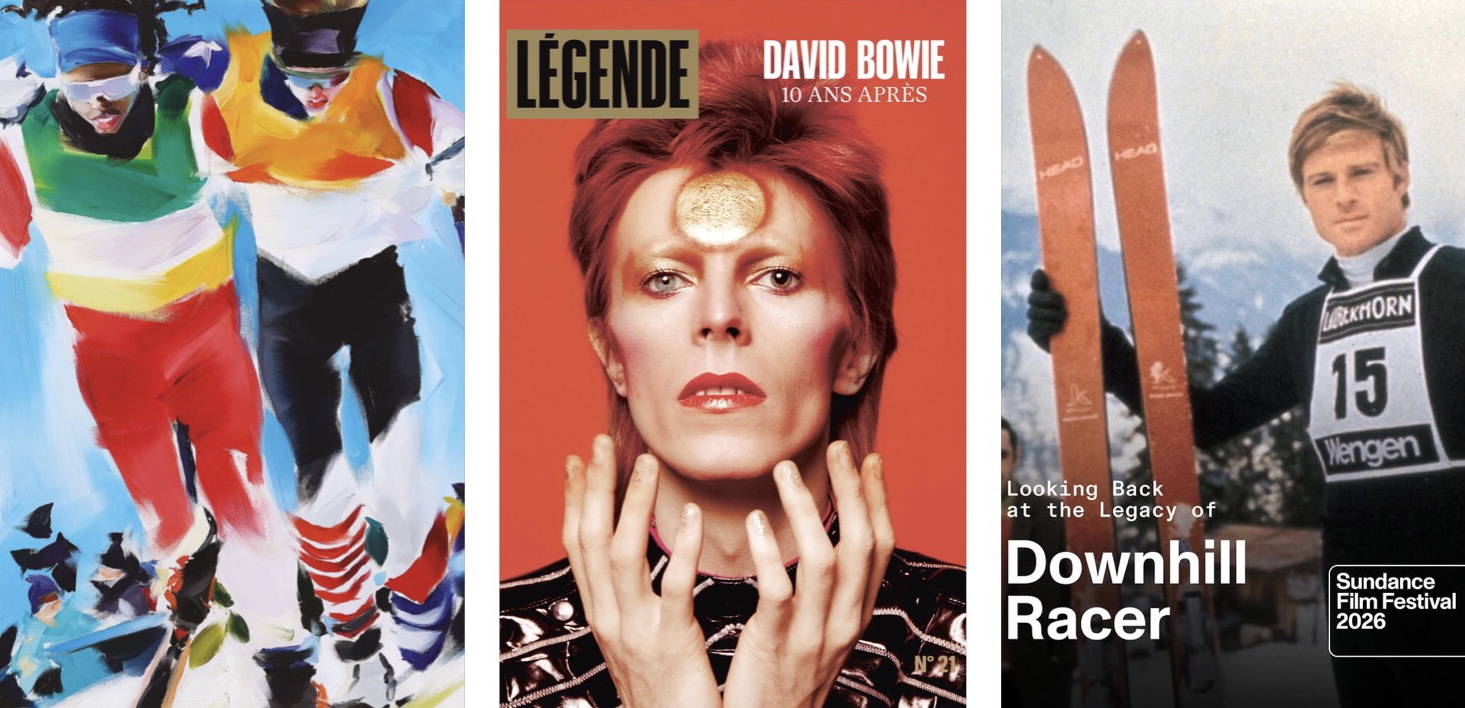
Milano Cortina 2026 Paralympics poster by Andrea Fontanari / Légende magazine / “Downhill Racer” poster for Sundance Film Festival 2026

