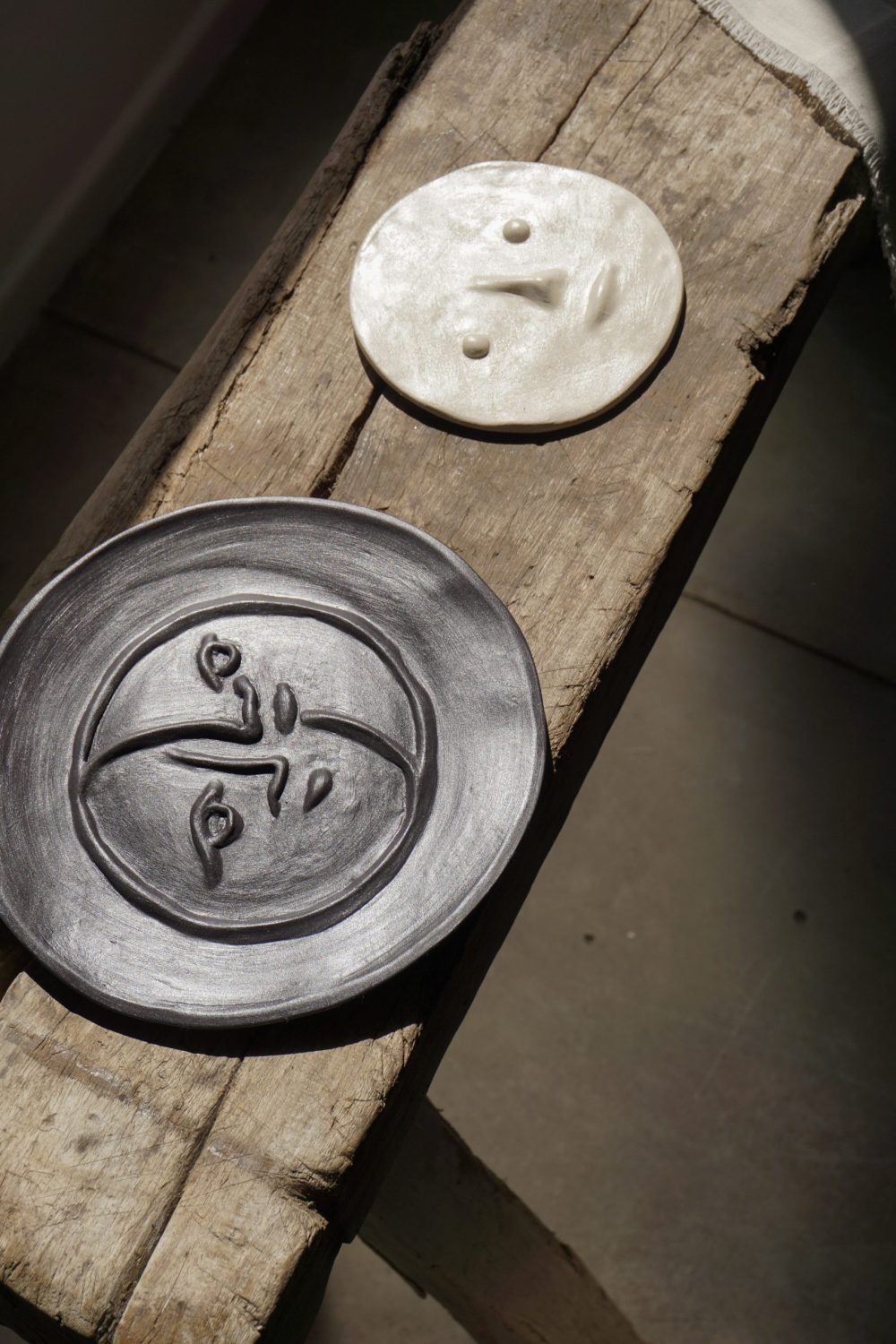
Photos courtesy of Lucrecia Rey Caro
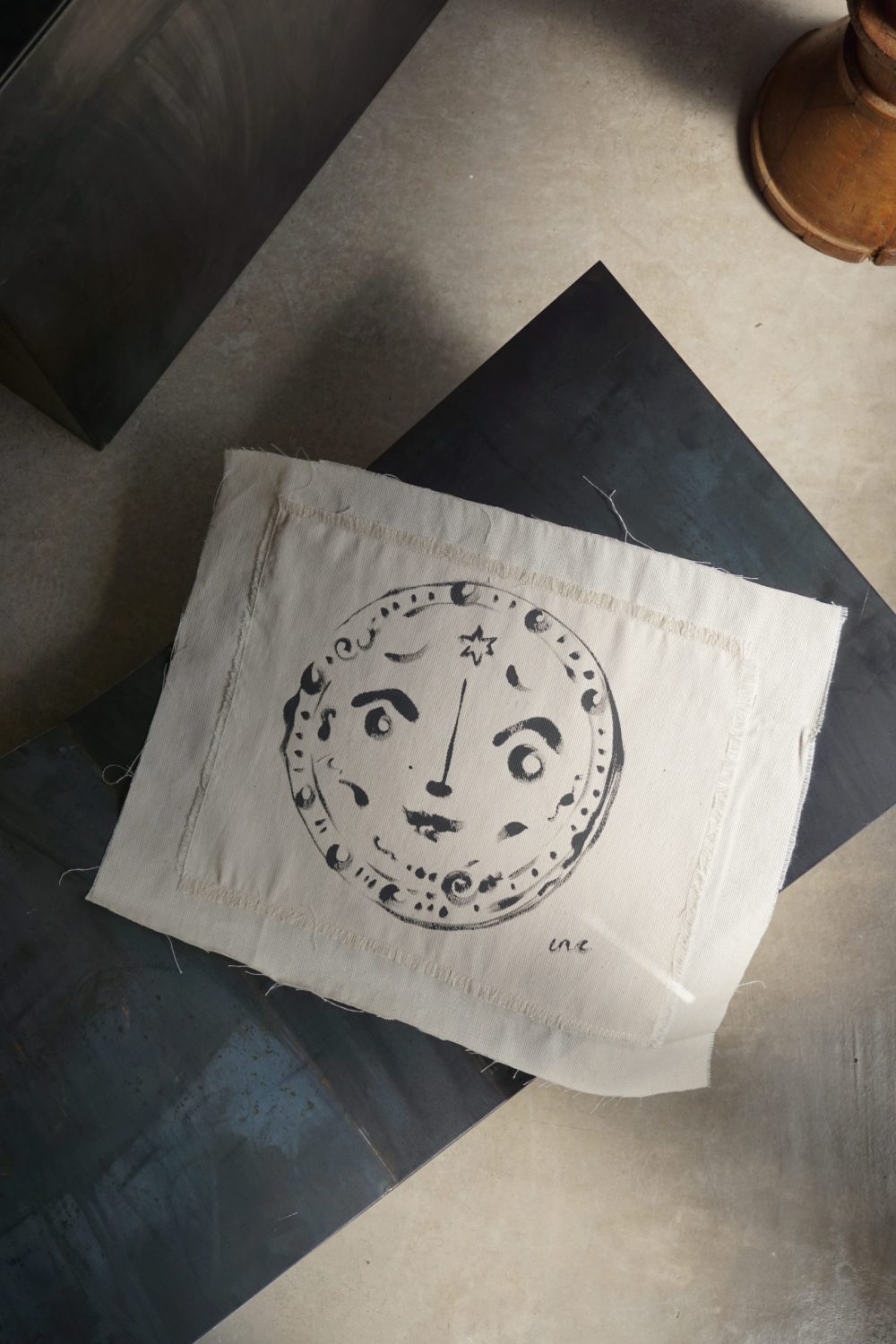
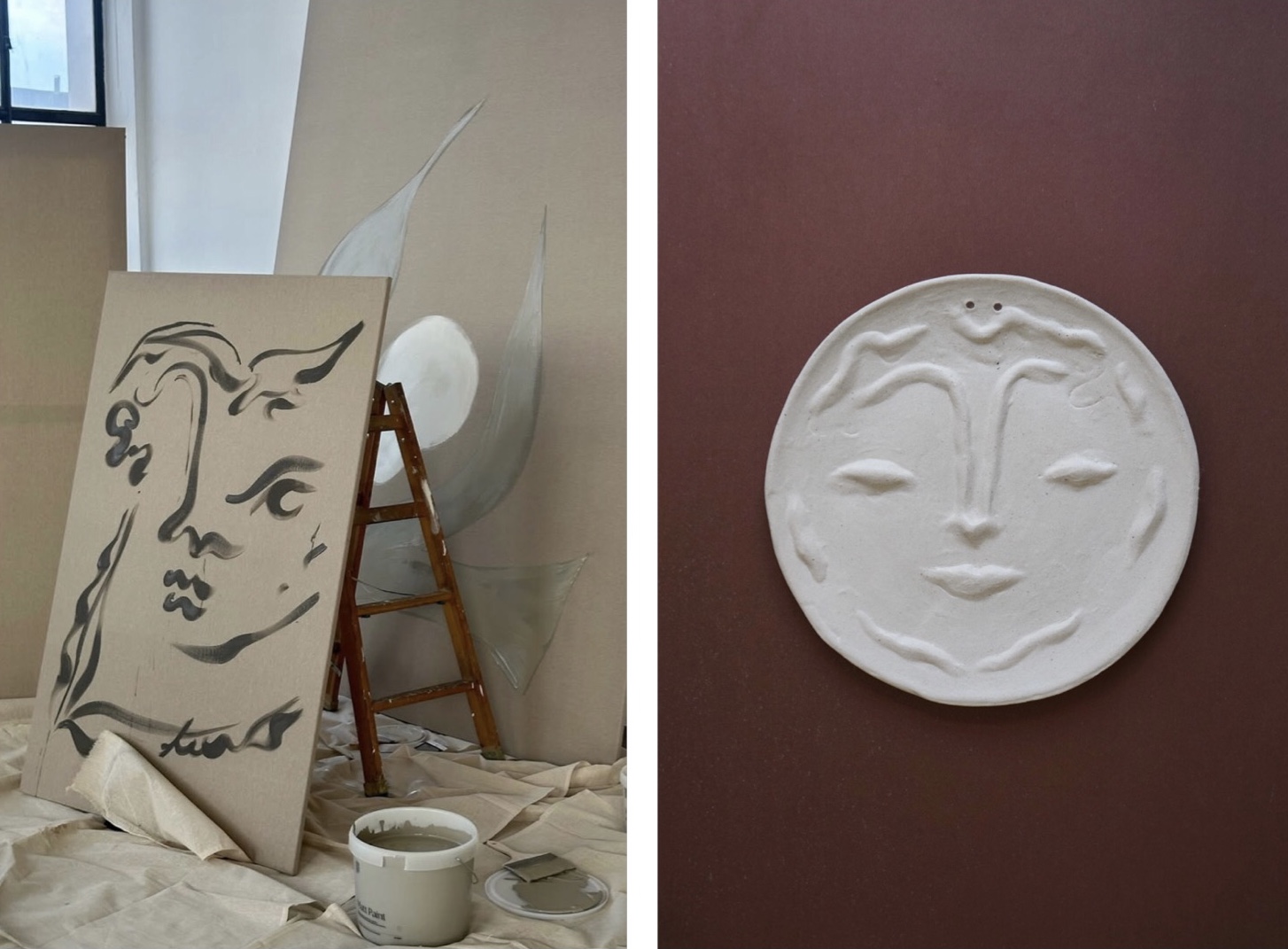
Artist and designer Lucrecia Rey Caro’s creations range from fine art, sculpture and ceramics, to art direction and identity design concepts tailored to the narratives of worldwide brands. I was instantly drawn to these universes she creates and each time I return to one of them, I find that that first moment when I experienced it, so valuable for the freshness of its impression, always returns. There is something poetic about this ability to communicate with the viewer that I believe also has to do with the ability of the maker to enter, at will, the world of fantasy, but to leave it too.
It is the journey of life and travel that inspire Lucrecia Rey Caro the most. She takes her time when she travels. Journeys, in fact, turn into living experiences, each one a new way of seeing, each one carving a new path to creativity, each place continuing to live on in her artistic works. Curiosity takes time and space to develop. Living takes time, roots must grow before wings do, being attentive to life is essential, and so is an ever present mind on the alert for emotions seeking out unfamiliar territory. A moment of inspiration can be the fruit of a long acquaintance, or one of surprise, but doesn’t it come from a wellspring inside? A new path intersects an old one.
Creativity is a very long process that has no shortcuts. That is the thread that goes through my conversation with Lucrecia. We also talk about the ambiguity of good and bad design, what she is committed to doing every single day, and why preserving her artistic integrity comes so naturally in her collaborations.
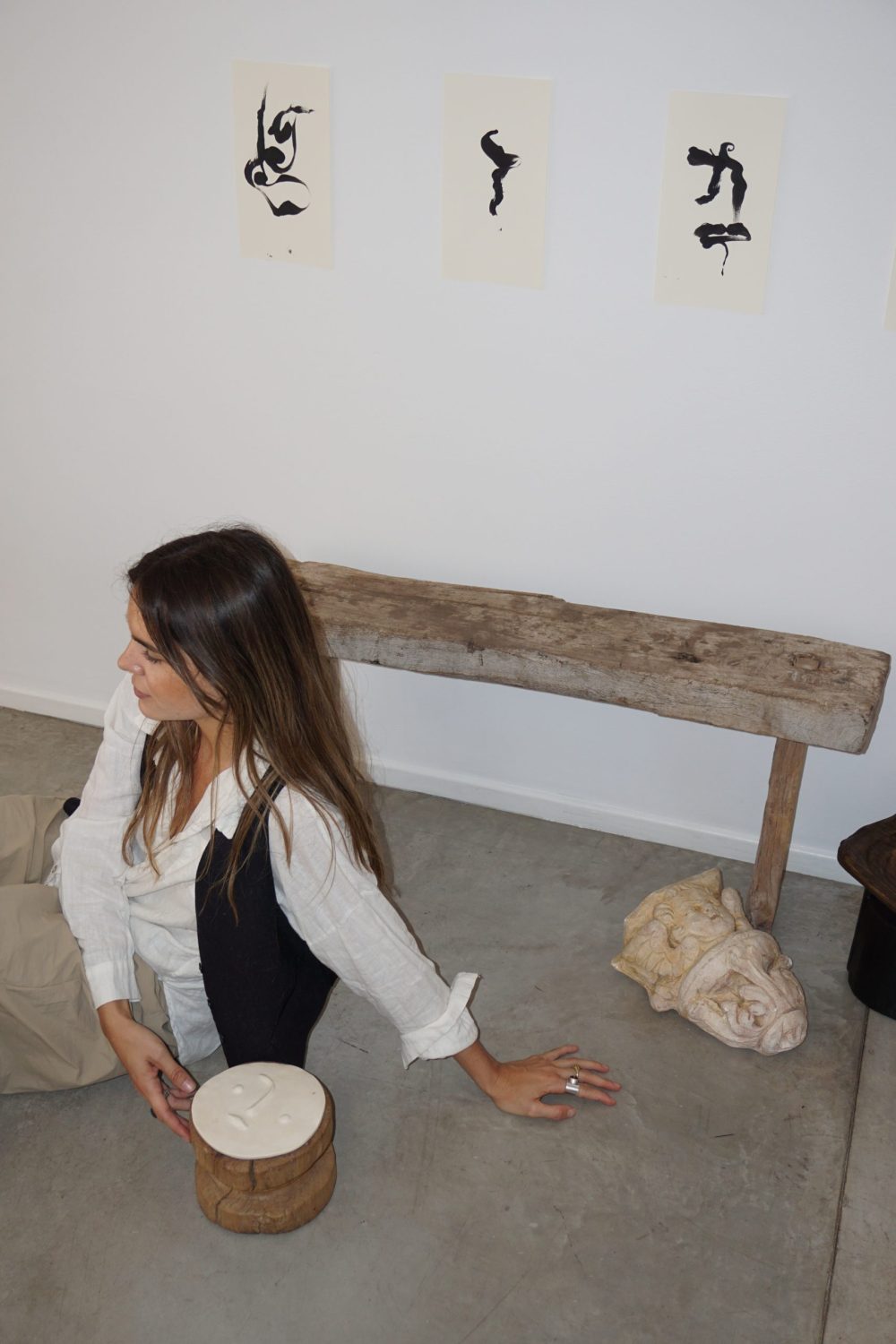
Lucrecia, is simplicity the first prerequisite of universally comprehensible and effective communication?
I feel that there aren’t really any rules or requirements for expression, but to me, simplicity is just so direct and honest. I’m drawn to it in every sense – though I can also find beauty in the opposite. Ultimately, I feel that when you strip away the noise, the message just lands more genuinely.
Is simple design difficult to achieve?
I think it’s a path that takes time. Not just simplicity itself, but finding your own way of communicating in a simple way. It took me a few years — along with emotional and creative ups and downs — to arrive there.
“I feel that when you strip away the noise,
the message just lands more genuinely.”
Are you a big believer in the emotion of design, in that initial emotional response that someone has to a product, to a story, before they get the rest of the information?
I deeply believe in emotionality and apply it to my design process. For me, everything begins with feeling; it is through that sensibility that I create, dream, and imagine. The fact that we don’t all feel or notice the same things is precisely what makes design so interesting. I trust that initial intuition that sets the stage for everything to follow.
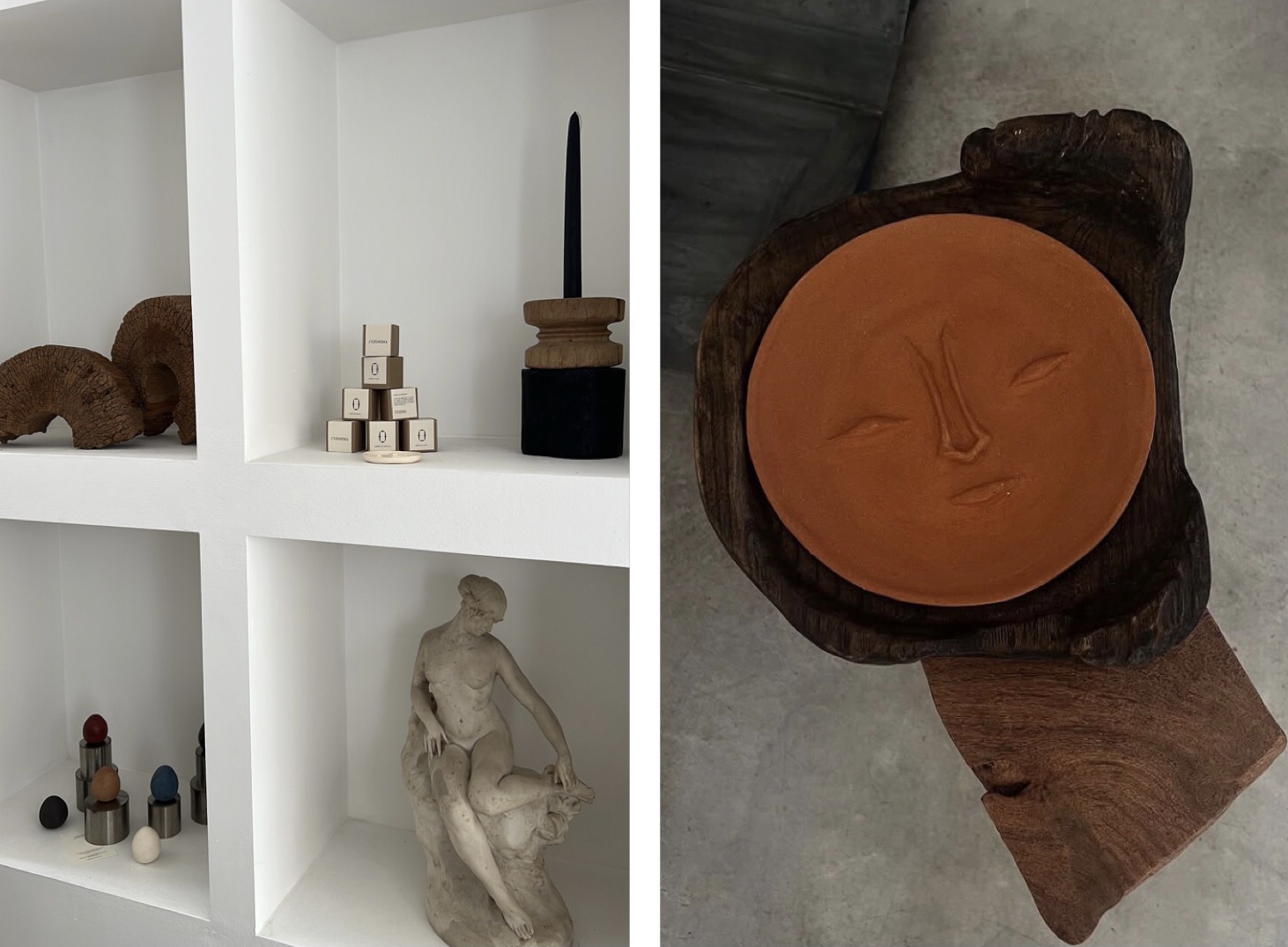
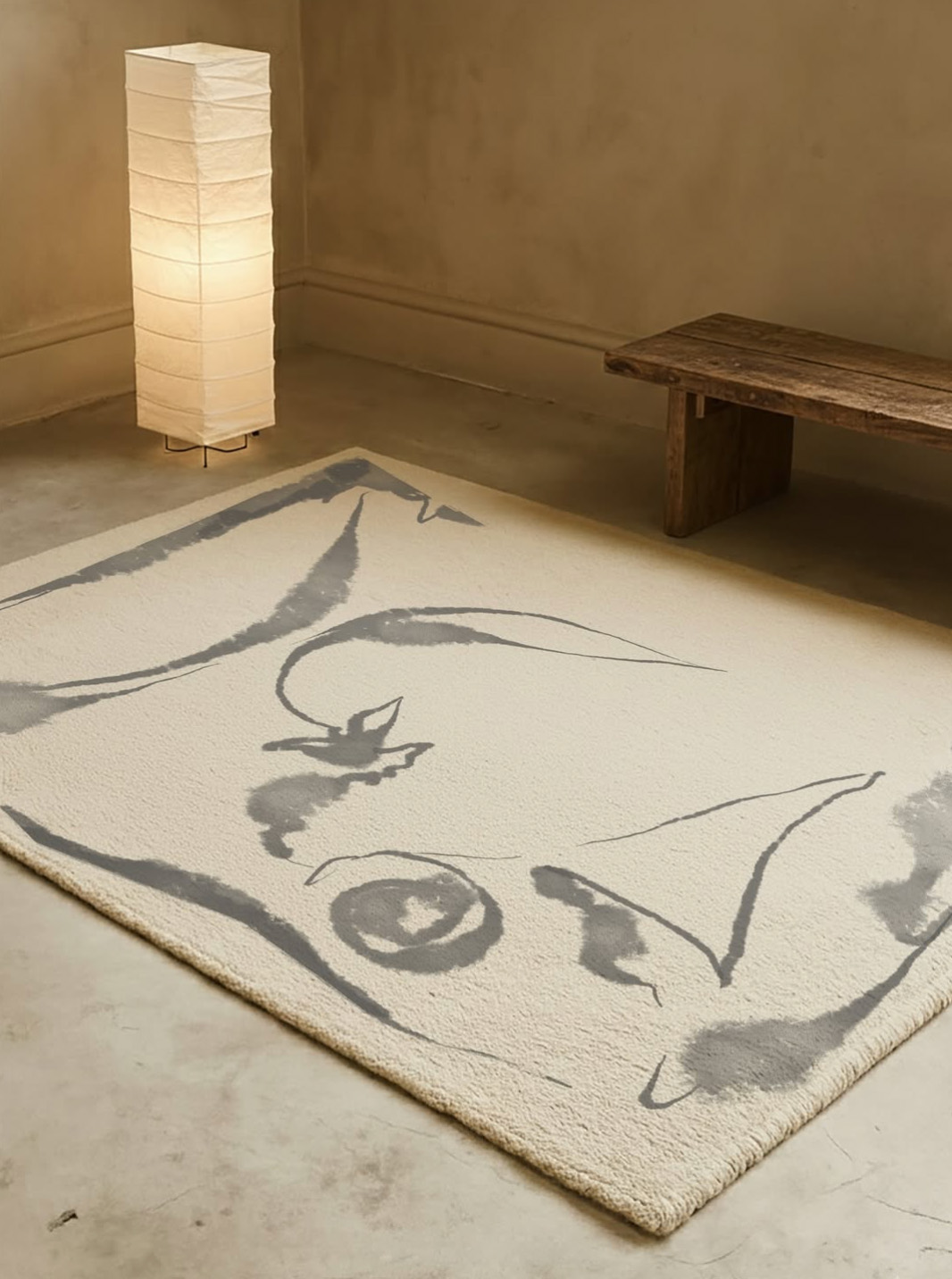
What is your first drawing memory?
I remember that even as a young girl, I was passionate about inventing characters on paper. I would spend hours filling entire sheets until there wasn’t a single blank space left, completely immersed in my own world.
Did your family foster your creativity as a child?
I’m not sure if they actively fostered it, but they always supported me. I went to painting classes and craft workshops as a child, which was a great form of encouragement. They also took me to art and archaeology museums from a very young age, and I was fascinated. They always supported whatever I wanted to pursue, and I value that deeply.
“I trust that initial intuition that sets
the stage for everything to follow.”
In today’s world, where there is so much visual material that people can’t discern any more what’s good and bad, who is it up to to set the standards?
I believe we are responsible for our own choices and emotions; we have the freedom to decide what resonates with us. I find it somewhat jarring when someone assumes the role of dictating what is ‘good’ or ‘bad,’ as those are deeply ambiguous concepts.
I agree, good and bad, especially when it comes to art and design, are highly subjective concepts. But the visual noise in our lives today can be overwhelming. You can not have art and culture on the go. How do you navigate that?
Noise is an important issue, in every sense. It overwhelms us, both visually and mentally. I think it’s essential to find balance, or moments of rest, when that noise becomes too much. Because it’s in silence that creativity begins to awaken.
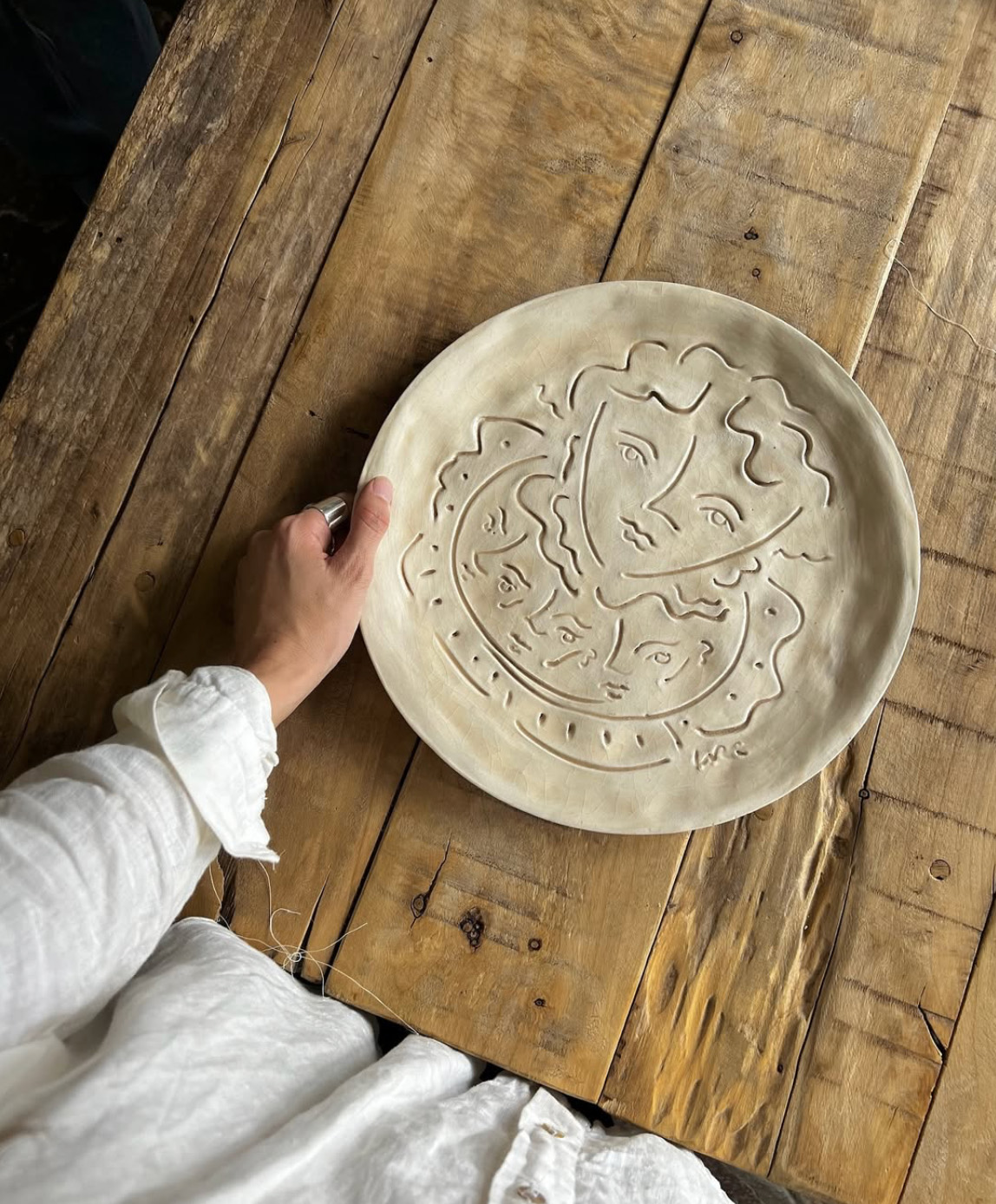
“Good or bad, those are deeply ambiguous concepts.”
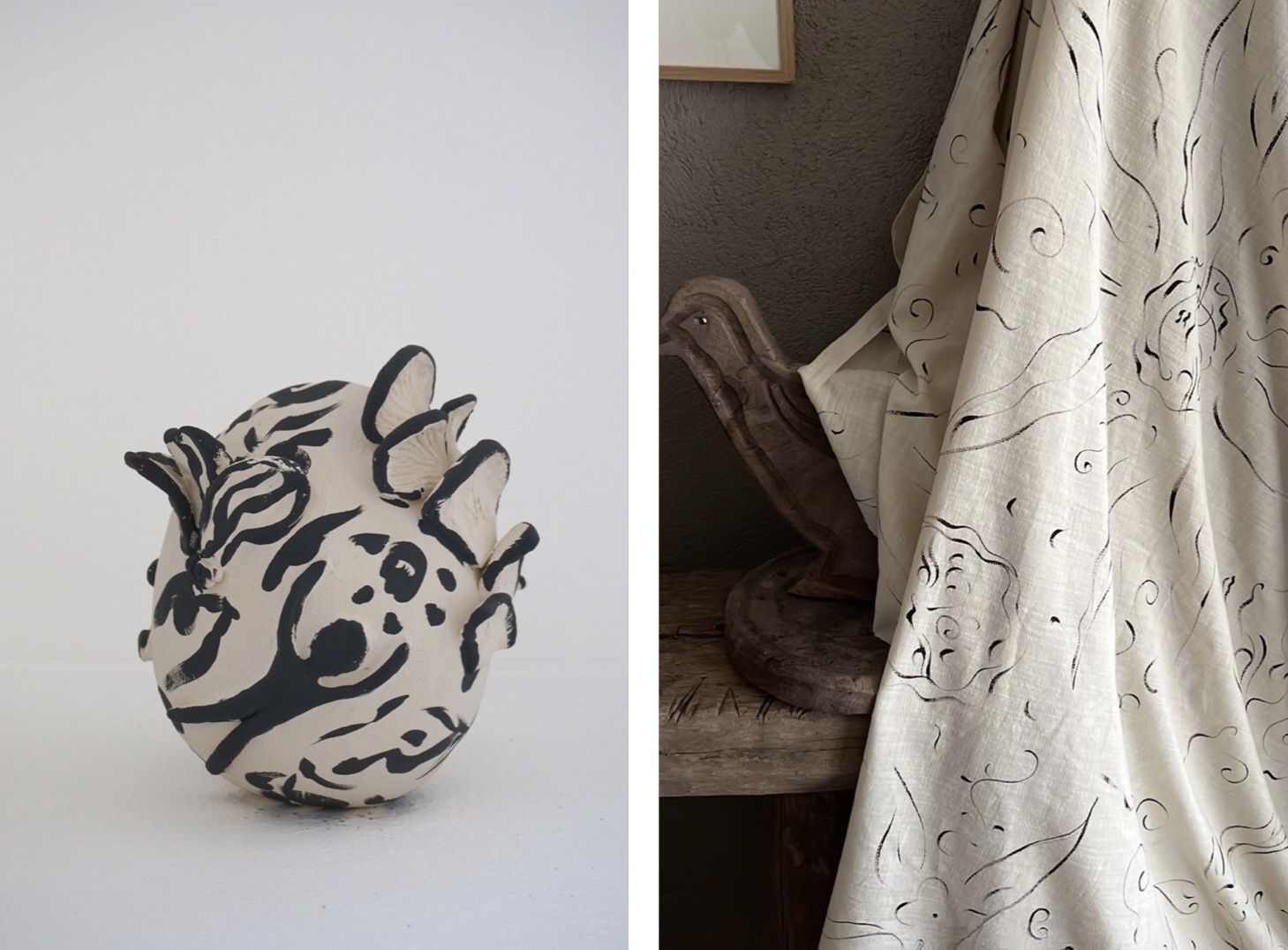
Are you a fan of complete silence when you work?
It depends on the mood. I often work in silence because it helps me focus — I tend to be easily distracted. When I do listen to music, it is usually something calm, something that doesn’t interrupt the flow of concentration.
What’s something you’re committed to doing every single day?
I am committed to remembering that we are here to play ‘the game of life.’ Every single day, I consciously choose to keep creating, experimenting, and keeping that curiosity alive.
“It’s in silence that creativity begins to awaken.”
The artist must find joy in his/her work, just like a child. What triggered your imagination as a child, more than anything else? And what triggers your imagination now?
I consider myself someone who has always had a strong capacity to imagine and to dream. As a child, what sparked my imagination most was learning new things and experimenting freely. Now, as an adult, it is travel that awakens it – stepping beyond my comfort zone, encountering different forms and rhythms of life, and learning to adapt to unfamiliar situations.
Is there any travel experience that has left a defining mark on your work?
I’ve been traveling a lot since I was very young, and I feel that every journey marks a new beginning in my life. Each one has been meaningful in its own way, especially because most of them I’ve done alone and for long periods of time. That pushes you to experiment, discover new things, connect with people, and rely entirely on yourself. All of that inevitably leads to personal change. My mind opens, expands, and imagines more freely and I always come back with new ideas.
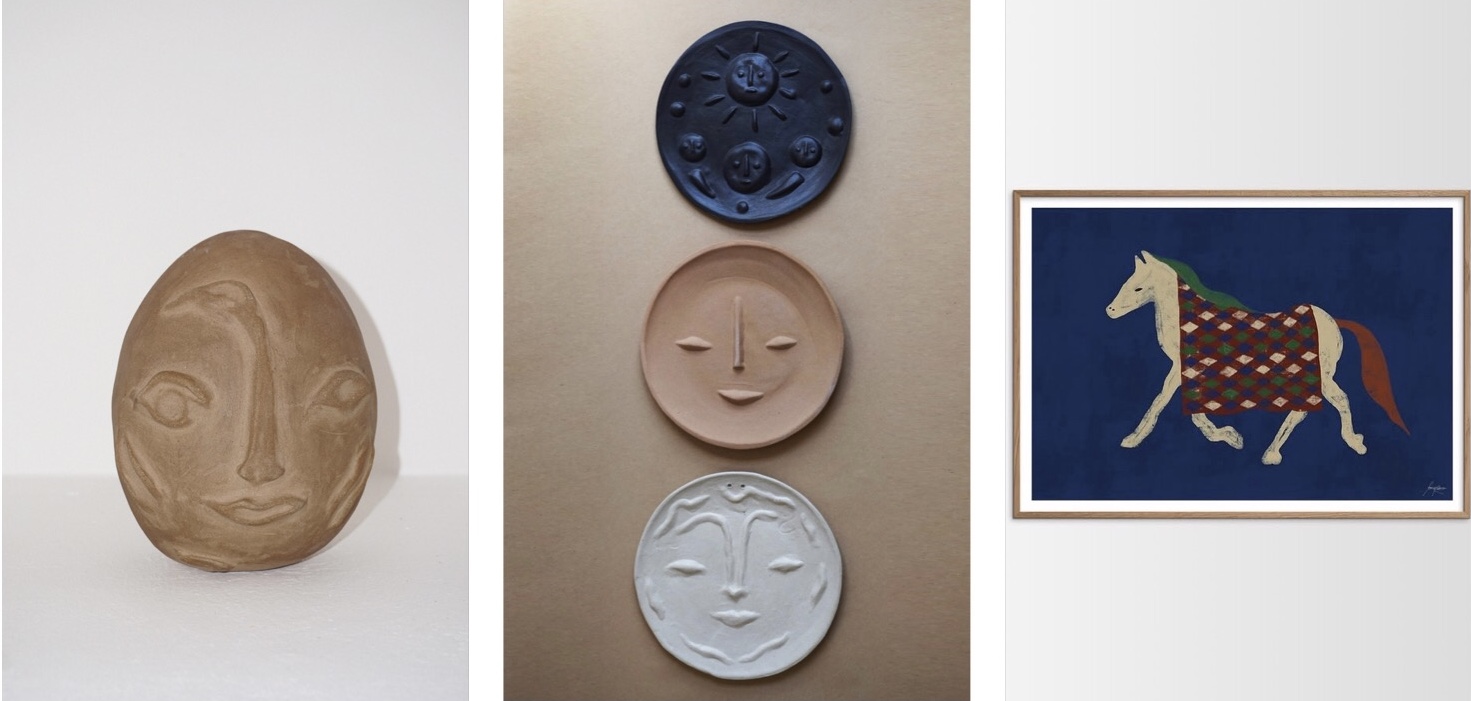
“I feel that every journey marks a new beginning in my life.”
Where does an artist call home?
Right now, I feel like I’m in the process of searching for my home. But there are a few places that already feel familiar to me. I like to think that when a place resonates deeply, it’s because we’ve met it before in some way — and we’re simply finding our way back to it. I’ve felt that a couple of times. Now it’s more about choosing which one to stay with.
What is your background story? How did you begin in art and design?
From an early age, I was drawn to working with my hands — craft, painting, and the act of making. I loved creating scenes, reshaping spaces, and rearranging things until they felt more meaningful in a different order. I always sensed that my path belonged to art and design. I began by studying architecture for a year, then went on to complete a degree in graphic design. Later, I continued my training through a sculpture workshop, and I remain committed to learning and experimenting as I go.
You work across an impressive range of mediums. How do you approach a new project or medium?
It’s a question I’m often asked — and one I sometimes ask myself. At times, I don’t fully understand how I manage to hold so many projects at once. But I believe that this multiplicity is what gives me energy: the constant shift, the variation, the movement between ideas. It keeps my mind active and allows me to develop projects across creative direction, design, and art in an organic way.
You work with various brands, each with their own message to tell. How challenging is it to preserve your artistic identity while tailoring it to their message?
I feel very fortunate to say that preserving my artistic identity and values has always come naturally when working with brands. I believe the brands that collaborate with me choose me for what I do and who I am, which makes the process much easier and more authentic.
“I believe that this multiplicity is what gives me energy:
the constant shift, the variation, the movement between ideas.”
Are there any artists who have been particularly important or inspiring to you?
There are many artists who inspire me, but what moves me most is experience itself — the journey, life as it unfolds. Visiting a museum, discovering new stories, engaging in meaningful conversations, and connecting with new emotions and challenges — these are the things that truly inspire me and, in turn, allow me to create.
In this time and age, what do you wish people appreciated more?
I wish people valued time, care, and the attention we give to the things that matter to us.
Website: lucreciareycaro.com | Instagram: @lucreciareycaro
Prints for sale: theposterclub.com
MORE STORIES
“Continually honing my ability to imagine is an important part of my work”:
Interview with cinematographer Bill Kirstein
In conversation with film poster artist and graphic designer Matt Needle
“It’s about having an emotional reaction”:
In conversation with photographer Clément Vayssierres