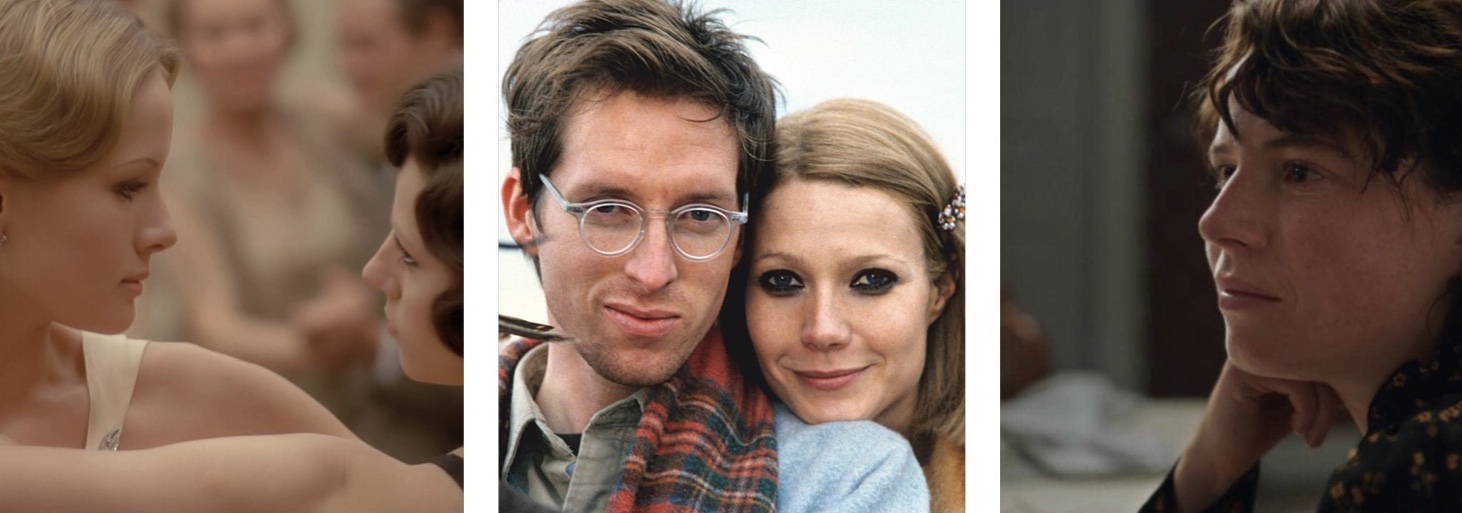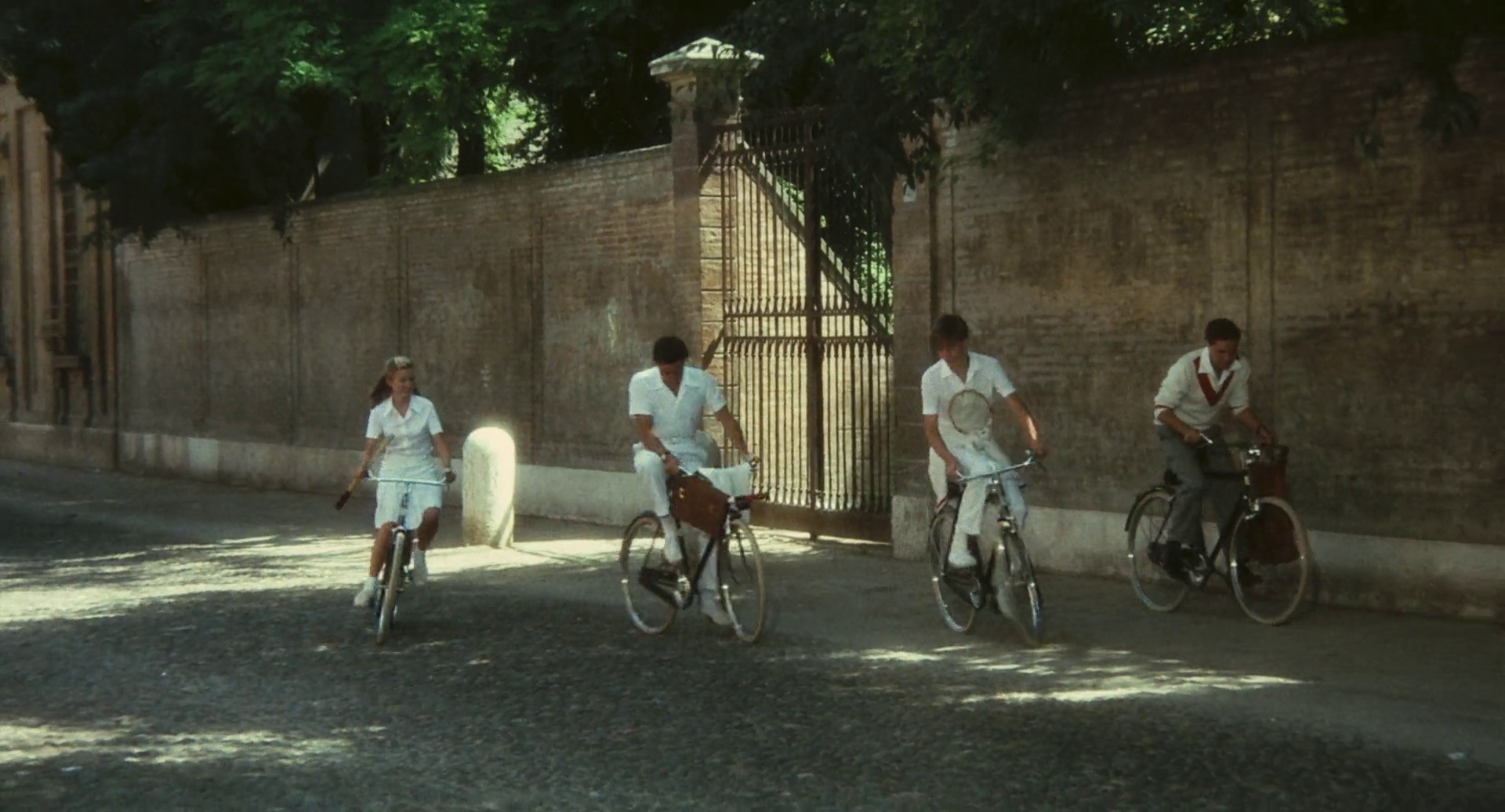
”The Gatden of the Finzi-Continis, 1970, directed by Vittorio de Sica. Titanus, Documento Film, CCC-Filmkunst
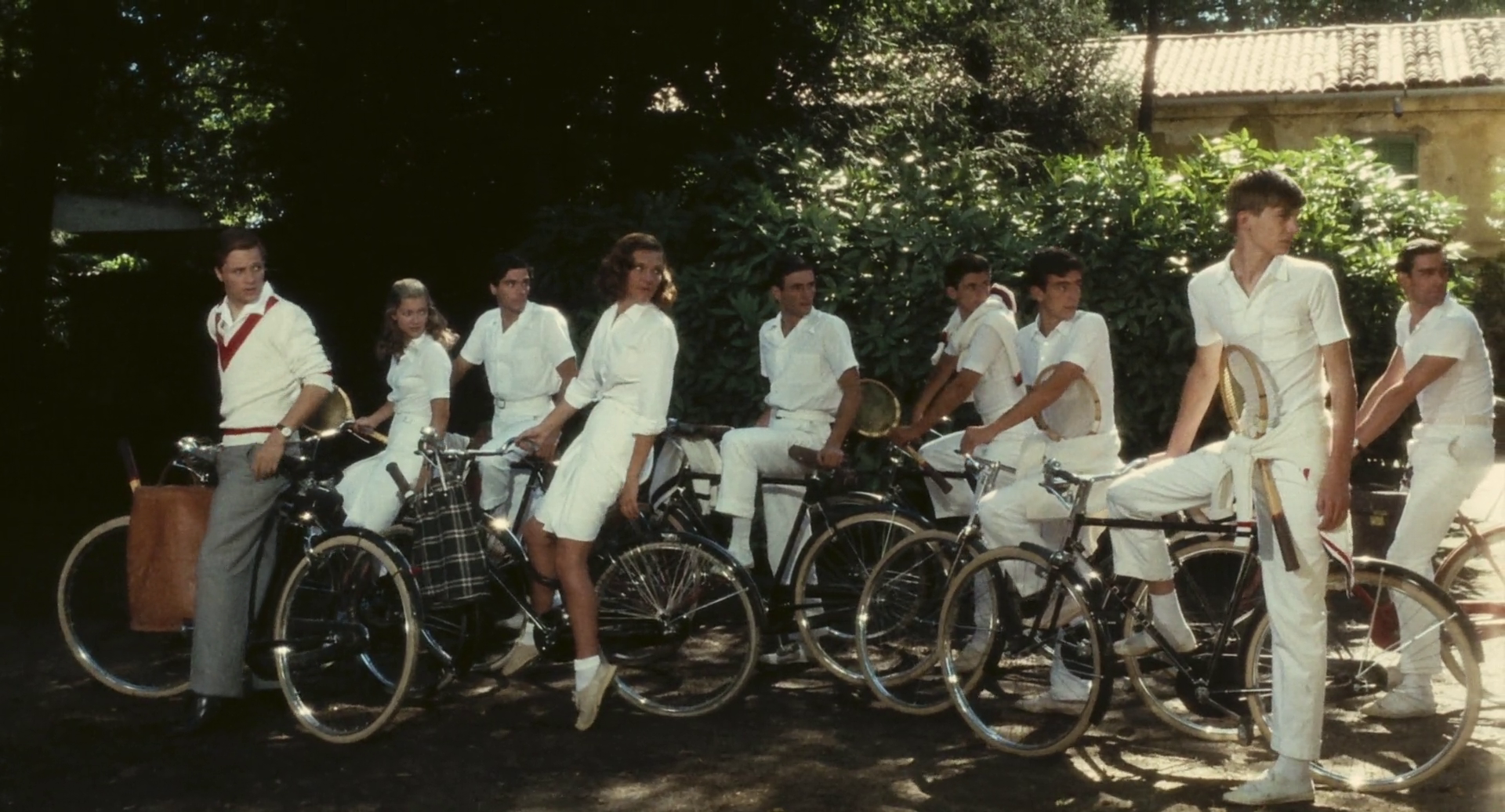
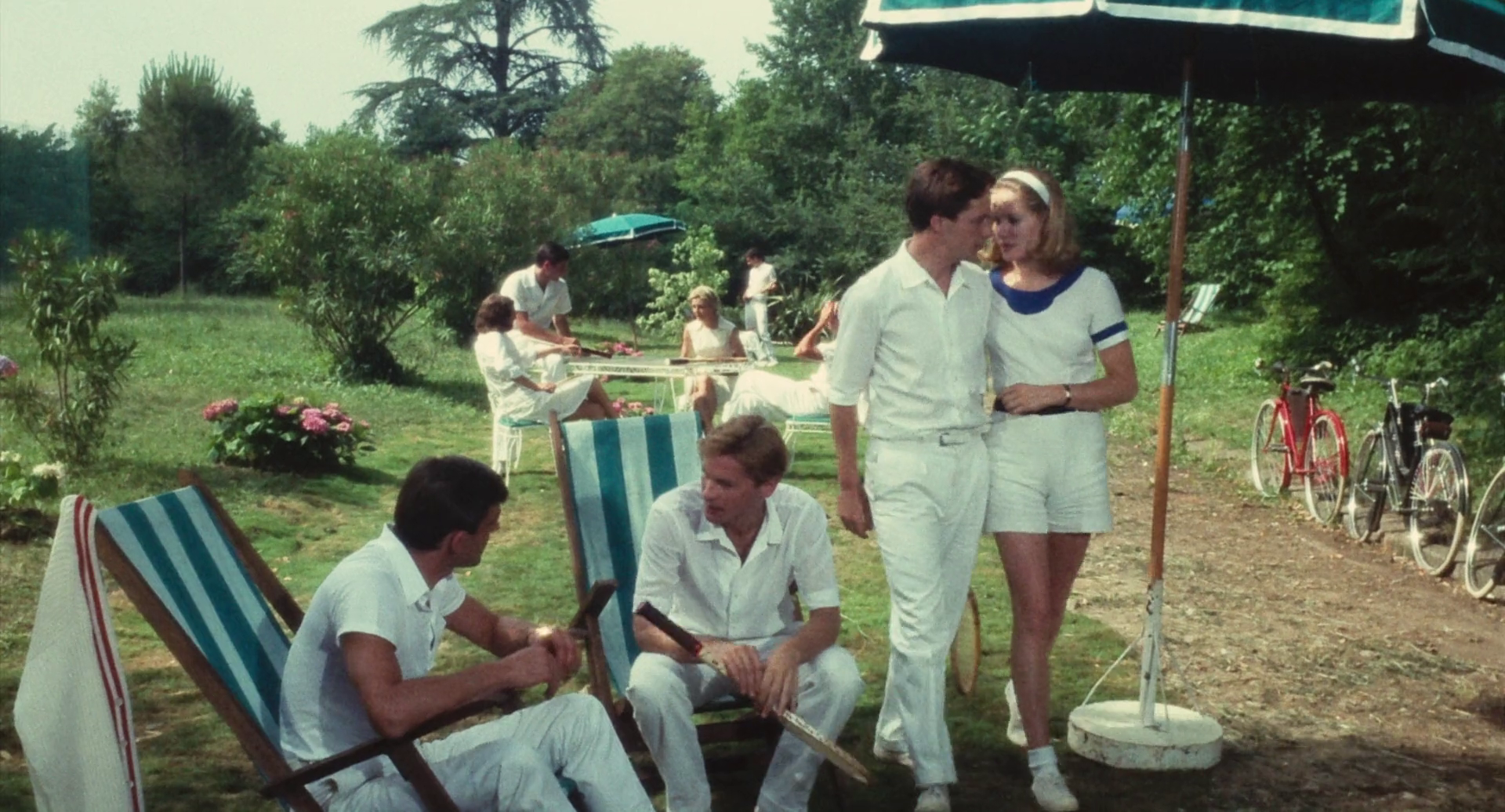
There has hardly ever been a more good-looking cast opening a film than this bunch of youngsters dressed in all-white tennis attire riding their bikes in the opening shot of Vittorio de Sica’s The Garden of the Finzi-Continis. It’s the late 1930s, Ferrara, Italy. They ride alongside a tall and extensive brick wall and stop by the gate of what seems to be a park or the garden of an estate. They are trying to get in and are told by the caretaker to use a different gate, where they meet another good-looking group of tennis clad friends on their bikes. When we see them behind the gates, we realise it is the private gardens of a grand estate that they are entering. Yet, we are not pass the moment, that moment at the start of a film, when there is that wonderful sense of wonder: what the story is about and where it will take us. But none of those imagined scenarios foresees how darkness will gradually creep in.
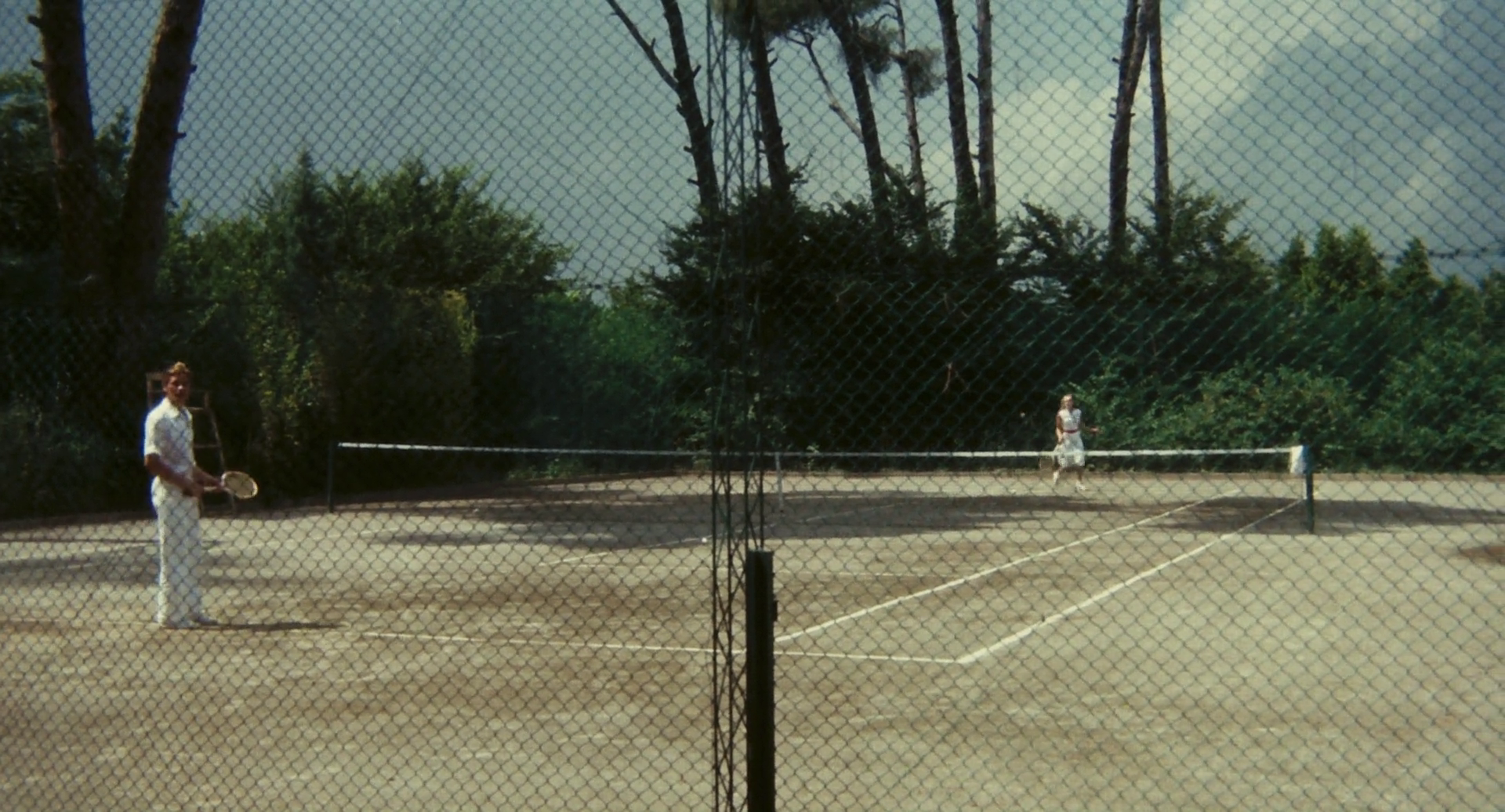
The garden of the Finzi-Continis belongs to a wealthy Jewish family from Ferrara’s upper-middle class. Amid the rise of fascism and anti-Semitic policy, all Jews are excluded from the town’s tennis club, so the Finzi-Continis stop going into town altogether and remain within the walls of their estate (“The Finzi-Continis never leave their kingdom,” comments our handsome group of friends when they enter the gates), opening up their tennis court to other Jewish students, fiends of their children, and then their home impressive library to Giorgio, their daughter Micòl’s childhood friend, when he is banned from the school’s library. They sense the looming danger, but choose to use their protected and privileged place as a fortress, not because they feel safe or above the others, but to avoid persecution for as long as possible.
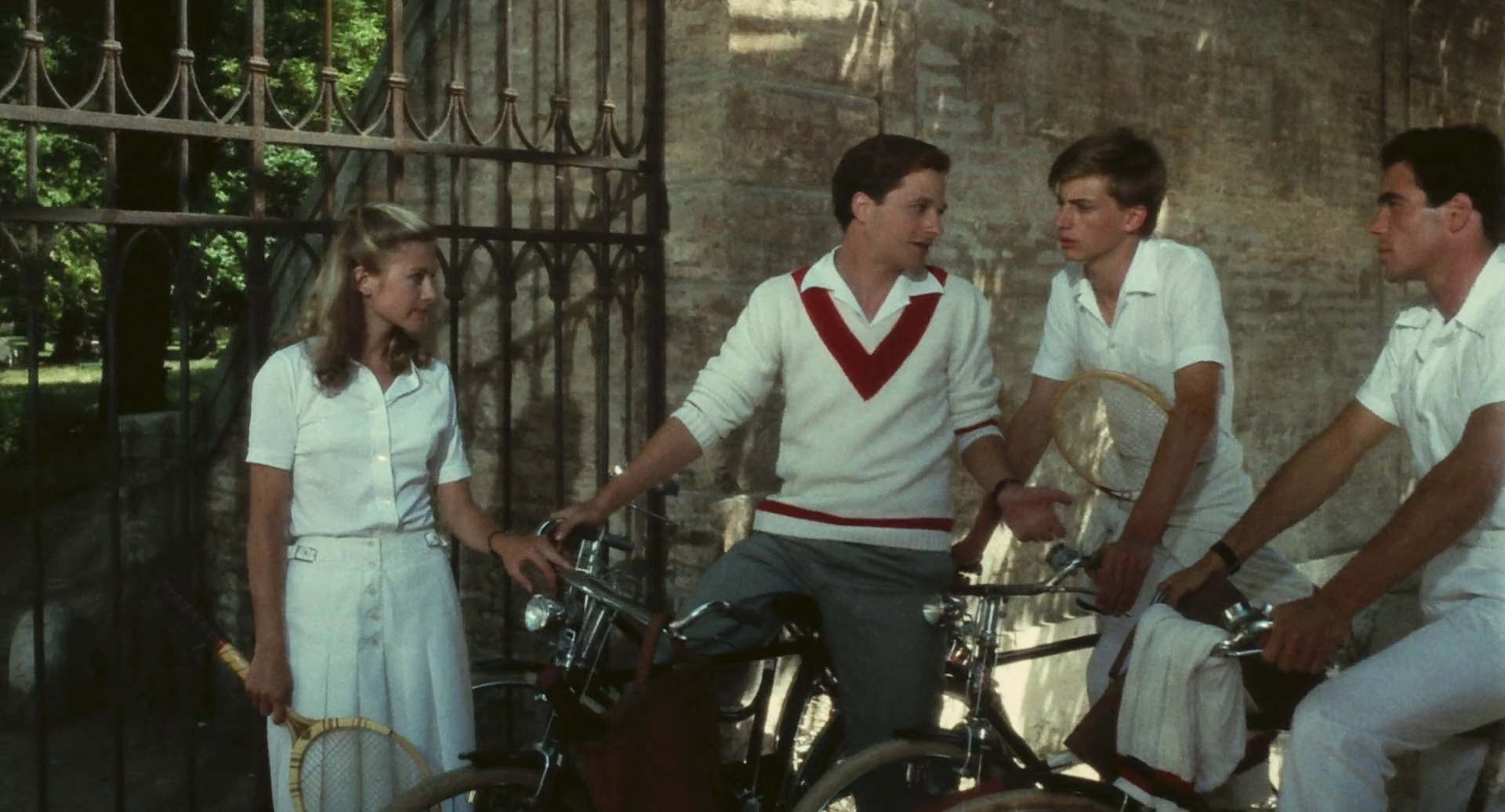
”The Gatden of the Finzi-Continis, 1970, directed by Vittorio de Sica. Titanus, Documento Film, CCC-Filmkunst
The remarkable thing about this film is that, the way it is bathed in a golden light and the way it indulges in the tennis court shots, it feels nostalgic, harking back into the glamour of days gone by, a lost paradise. And yet, if you pay attention, there is an uneasy feeling tightly knit into the narrative from the very beginning. If Ladri di biciclette (Bicycle Thieves) was de Sica’s supreme achievement and seminal work of Italian neorealism, The Garden of the Finzi-Continis was the sublime work of his later years. In every lingering shot, every dialogue exchange, every unspoken word, life and history are hard at work, at that confluence between Italy’s grand past and its darkest fascist years. There is a chilling undercurrent all along in the way the film so unexpectedly and subtly portrays not only how the victims react differently to what is happening – from resistance, to restraint, to obedience – but also the creeping normalisation of oppression that makes the outcome all the much worse.
And it is the character of Micòl, enigmatic and seductive, intelligent and free, tough and vulnerable, generous and unattainable, who is at the center of the film and who amasses all these contradictions. She alone embodies all those other characters, their resistance, restraint and obedience.
Dominique Sanda plays Micòl, and I can not but think of another Italian film from 1970, directed by Bernardo Bertolucci, and starring the same enigmatic Sanda. In Il Conformista, Dominique Sanda, like a star from the thirties, is leaning against a door with a cigarette in her mouth and her thumbs in her trouser pockets in classical Dietrich style. “Directing actors means, above all, liking people, liking certain things about people. I looked at Sanda and I imagined her look like that and we tried it and it worked because it was already in her. It’s really a matter of discovering and bringing out of the actors what they really are, and nothing else. Characters must be built on that – on what the actors are in themselves”, is how Bernardo Bertolucci describes the character of Anna Quadri. It is the character who stands apart in Il Conformista. When Quadri first walks into the film, you feel her presence. She has that uniqueness, she is readily distinguishable from the rest. She carries herself differently than the other leading lady, Giulia, and from the other women in Il Conformista, and that’s not just on account of her clothes, a mix of feminine and masculine, that nonetheless echo that she is not afraid to stand out from the crowd.
In the enclosed environment of the Finzi-Continis, Dominique Sanda is again the one who stands out.
”The Gatden of the Finzi-Continis, 1970, directed by Vittorio de Sica. Titanus, Documento Film, CCC-Filmkunst
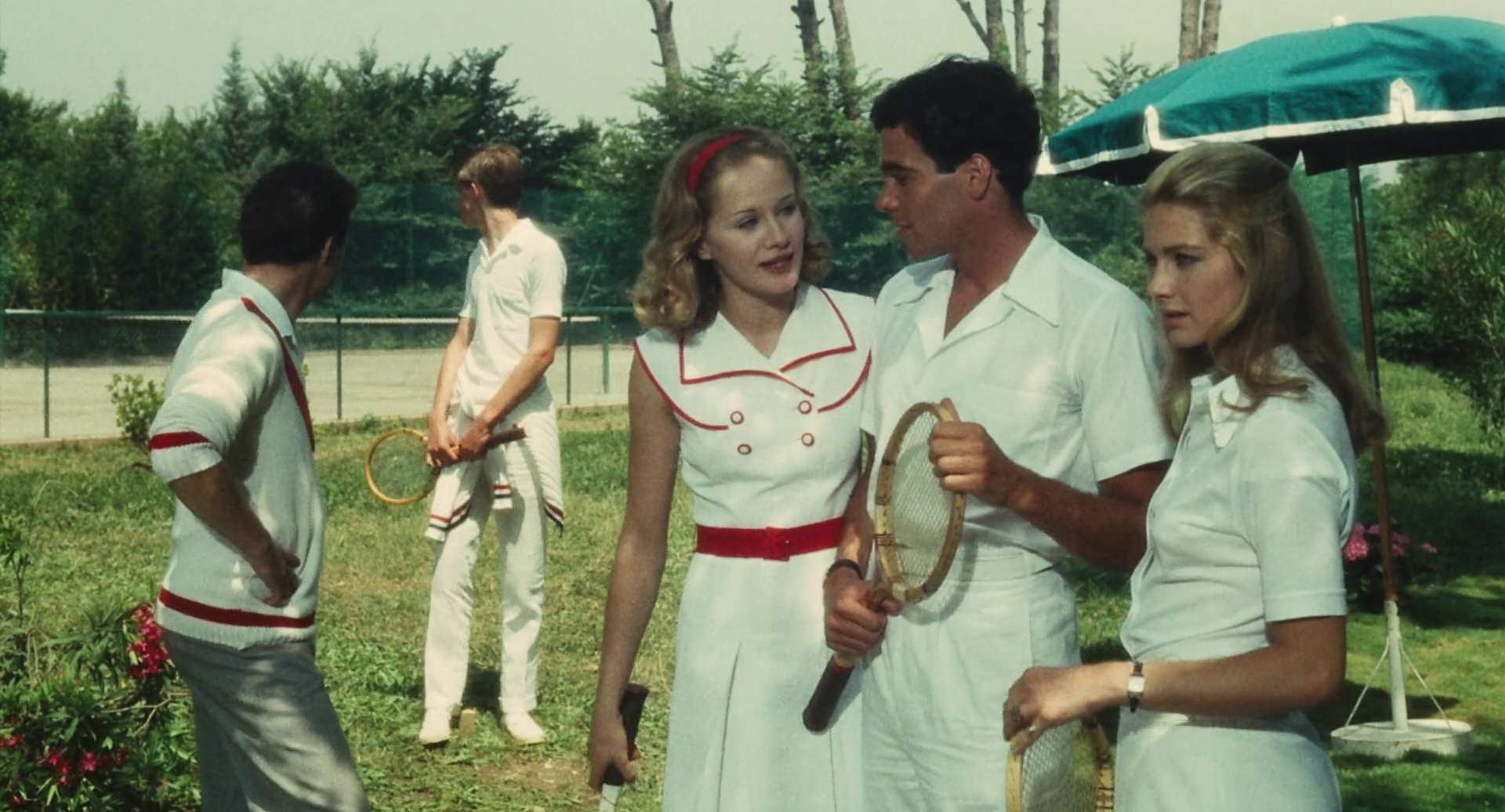
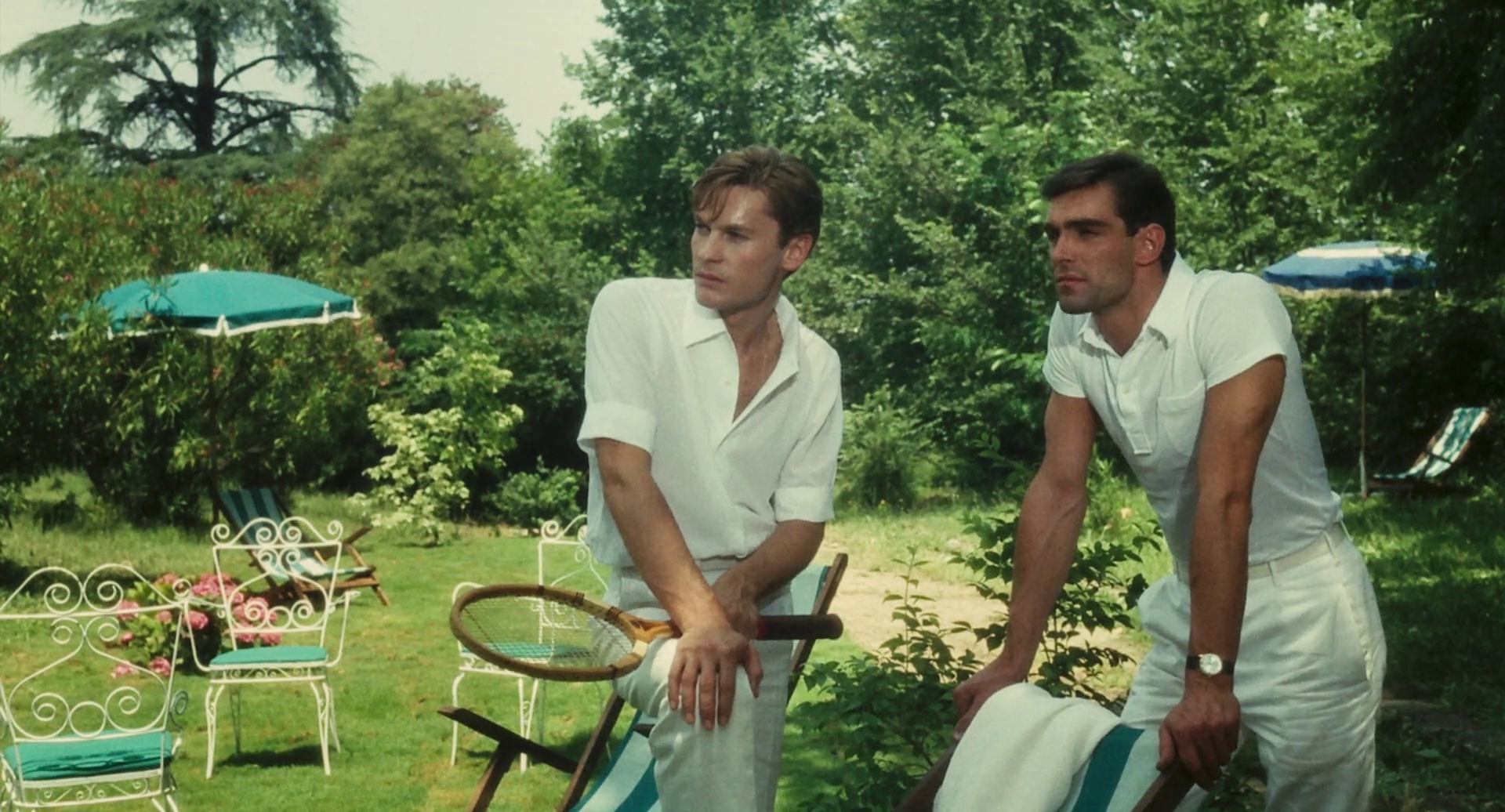
But let’s get back to the tennis whites and the time when elegant and pristine were proper tennis attire. We are in the second week of the first Grand Slam of the year, the Australian Open, and in the spirit of that, I wanted to highlight the classic tennis clothing worn in The Garden of the Finzi-Continis.
The tennis clothes are a wonderful blend of 1930s (the time the action takes place) and the 70s (the time the film was made). In film costume, period reconstruction doesn’t have to be 100% historically accurate but rather it must be done in a very individual way. Films draw on complex codes of authenticity in order to convince and attract their audiences, therefore costume appropriation depends not only on the period of the story, but on the period when the film is released, and, most importantly, on the director’s vision. And I’d like to linger on on that vision.
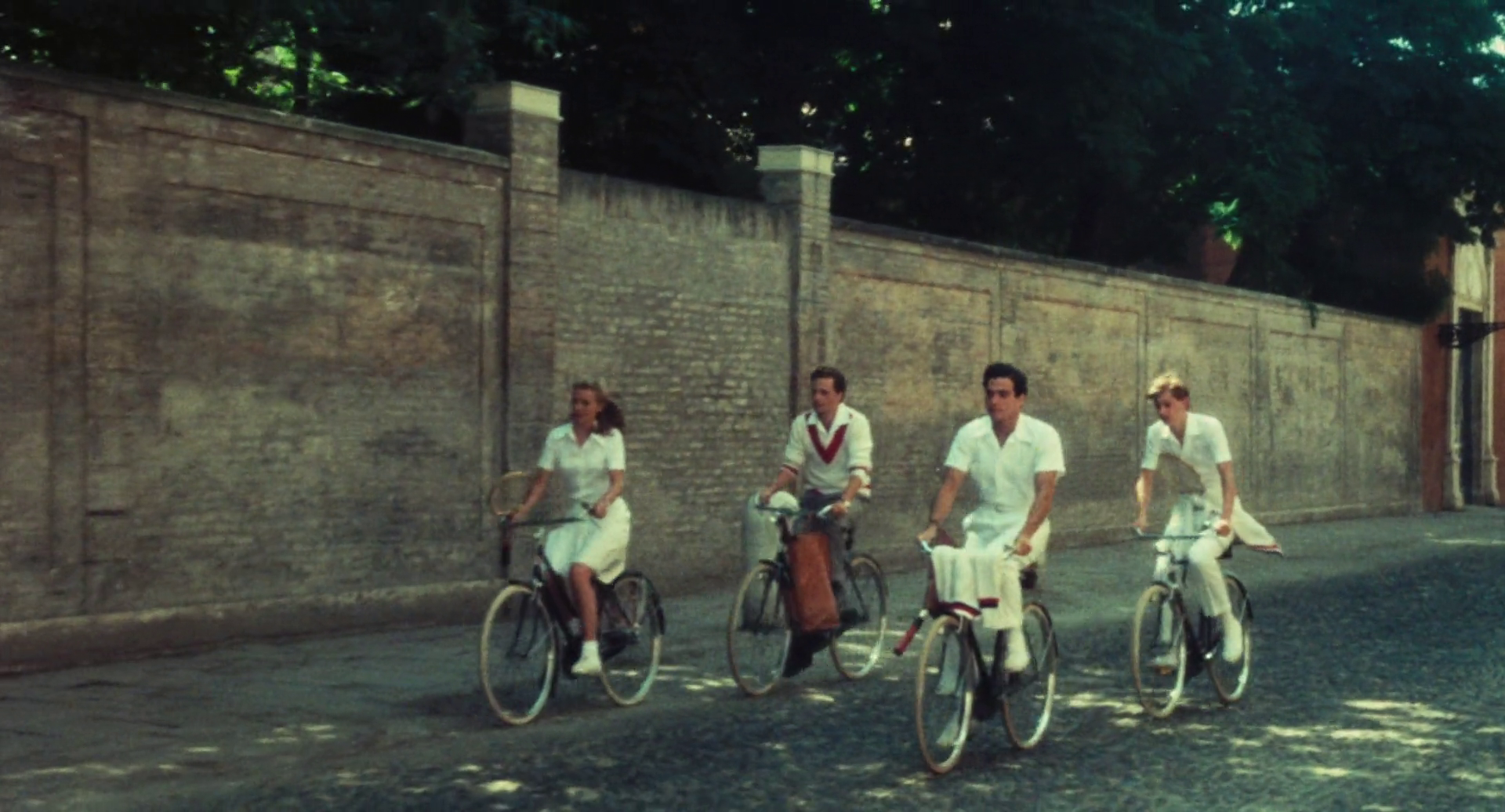
According to Josh Sims in his book, Icons of Men’s Style, “before Lacoste, professional tennis was a sport of rigorous sartorial rules: women dressed in blouses and full-length skirts; men in flannel trousers and full-sleeved shirts, sleeves rolled. Until, that is, Lacoste wore a short-sleeved shirt in a lightweight, breathable cotton known as jersey petit piqué, with an unstrached collar – soft but stiff enough to be turned up to protect the back of the neck from the sun – and three-button placket.” In de Sica’s film, we see the men wear long white trousers, but paired with both white shirts with rolled-up sleeves and polo t-shirts. The clear departure from the 1930s is in women’s clothing. The length of the skirt (slightly above the knee) is certainly more 70s than 30s (matched with polo shirts or shirts with their sleeves turned up) and we even see Micòl in a pair of shorts that certainly resemble those worn in the 1930s, only not on the tennis court.
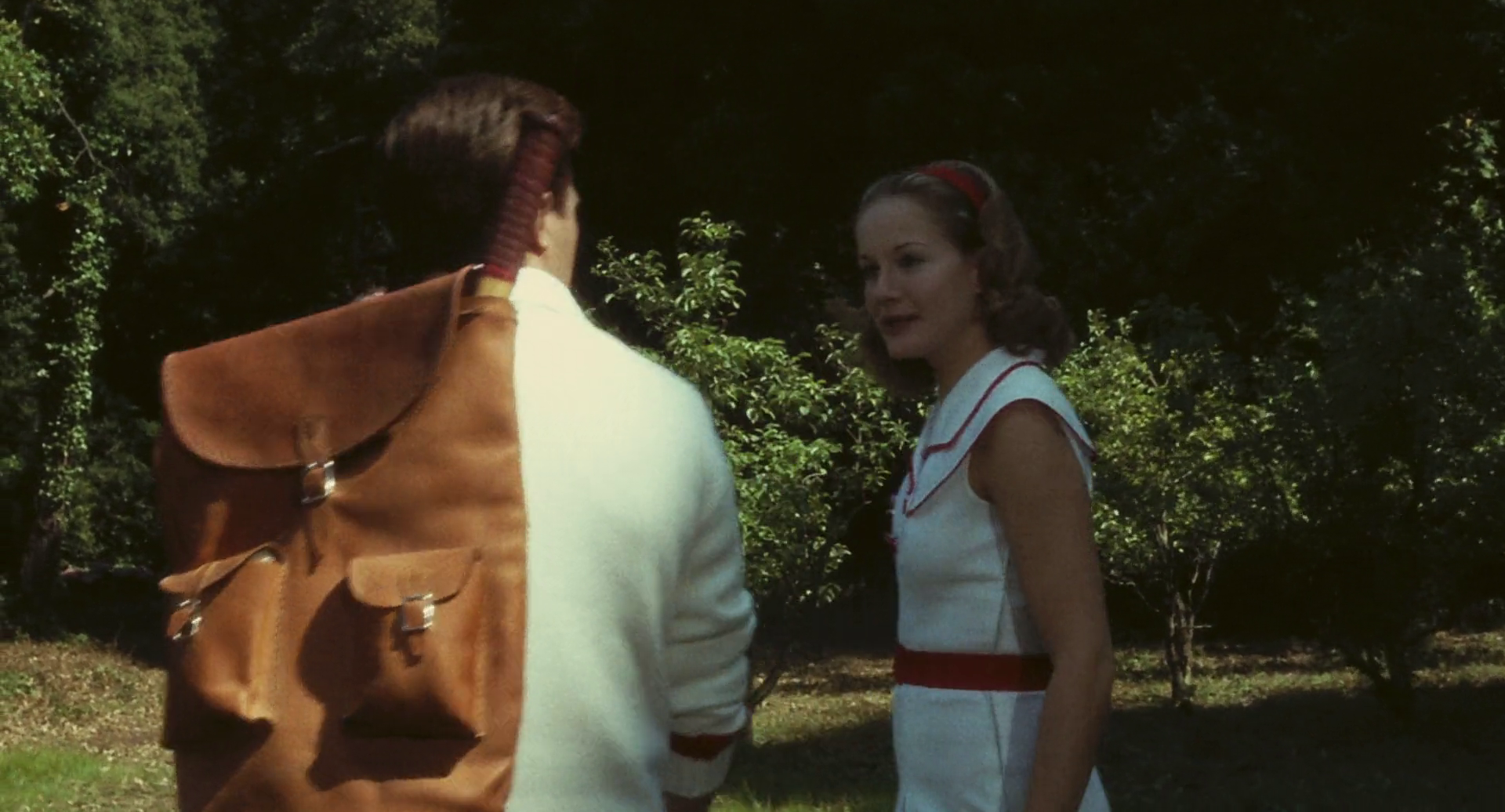
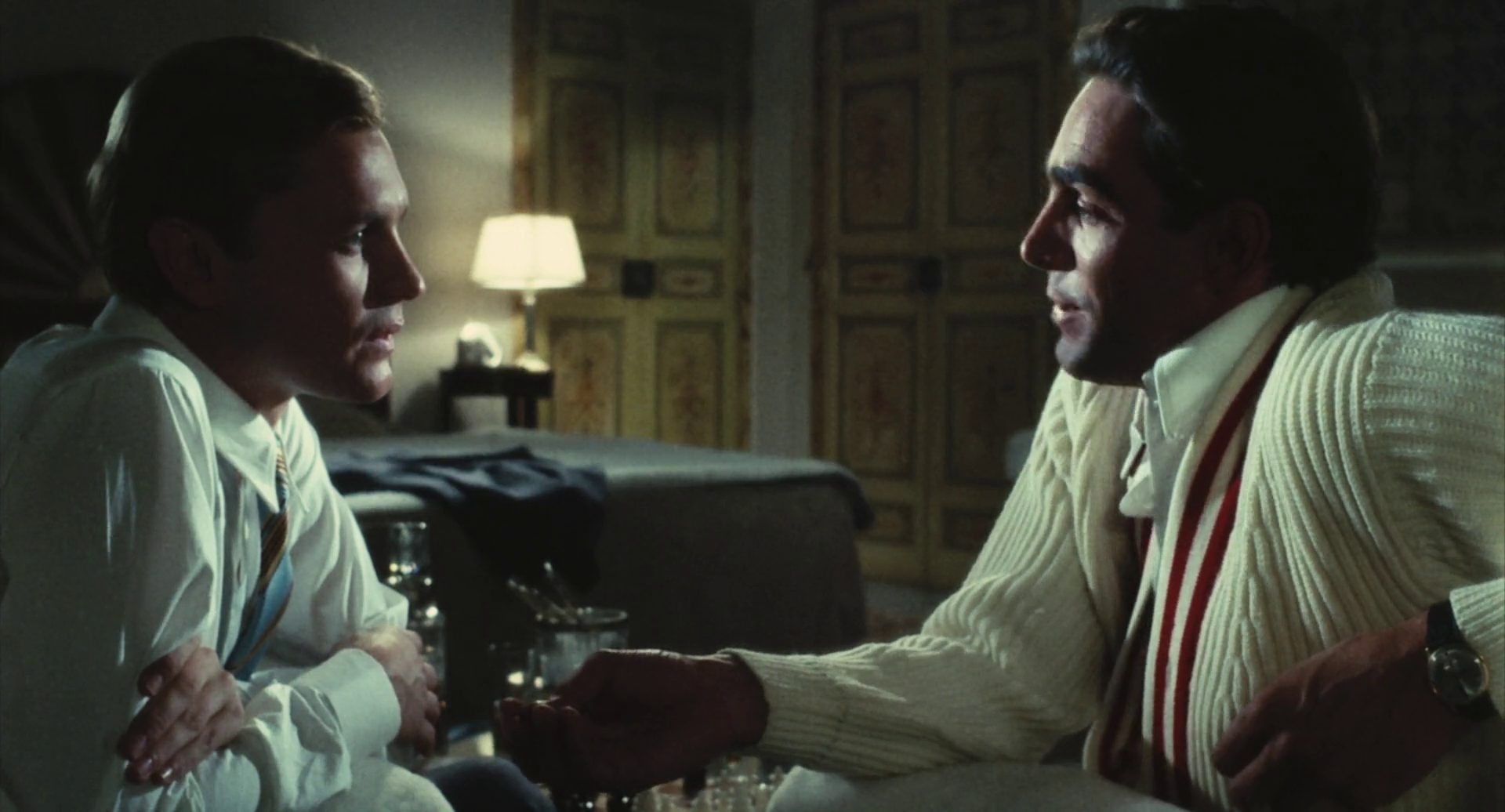
René Lacoste had already introduced the polo shirt, in 1929, and eventually founded his brand and legendary crocodile logo in 1933. We know now the far-reaching appeal of a well designed tennis clothing item, that its practicality and ease prompted it to be worn away from the tennis court. But before the polo t-shirt, there was the tennis sweater, which actually predated the game of tennis by several decades, originating as part of the cricket uniform. It is the tennis sweater that has always been the biggest style staple, on and off court. As Debra Wise wrote in GQ magazine, in 1987, “the original de rigueur tennis outfit consisted of white flannel trousers, a white cotton-broadcloth or Oxford-cloth shirt with rolled-up sleeves, white socks and rubber-soled shoes. And off the court, in the cool of the country-club twilight, the sportsman wore a cream-colored cable-knit wool pullover, with his club colours set in around the deep V-neck and the waist.” By the late 1920s, the sweater had made its voyage into the game of tennis on both sides of the Atlantic and remained popular throughout the 30s and 40s, the heyday of tennis whites, and the time of our movie here.
Like all great classic items, the tennis sweater, crisp and sporty-looking, comfortable yet elegant, has been devoted to stories and ideas that readily translate to practicality and to life off court. That’s what tennis attire, when done right, still does. Tennis has always been not only aesthetically, but also culturally driven, constantly referencing art, literature, music. It’s a conversation starter. We see it worn by the guys over their polo shirts or tied around their waists, the most original carry-on’s for a racquet. That’s the bit I like the most about its styling in the movie. And that’s just as valid a conversation starter as any other.
”The Gatden of the Finzi-Continis, 1970, directed by Vittorio de Sica. Titanus, Documento Film, CCC-Filmkunst
MORE STORIES
Talking film costume in Bernardo Bertolucci’s “Il conformista”
Interview with photographer Laura Wilson
“The Lost Daughter”: In conversation with costume designer Edward K. Gibbon