Cinéma La Clef. Claire-Emmanuelle Blot
The serendipity of experiencing new ways of seeing through filmmakers who are pushing the boundaries with original stories and characters. The comfortable communal feeling of being together, although temporarily. The spontaneity to become one with what’s on the screen. The belief in the actors. The scale, the immersion, the awe. The conversations sparked afterwords. A good cinema is like a great gift to people. It’s a great form of freedom. It unites people, shows us a diversity of films, we watch them, take what each one wants from them and fly free. A good cinema is brave, is challenging, is culture. Our society needs to be reminded that we need difficult, different stories, that we need artists and filmmakers to challenge us. We, as society, need to cherish independent cinemas and support them in any way we can. In the light of the pressures weighing on movie theaters around the world, it’s not even the filmmakers who give me the greatest hope for the future of cinema, but the people who go to watch the films, the great crowds and their great respect for cinemagoing, and the human activity involved in the act of keeping a movie theater alive and thriving. It’s something that Cinema La Clef has taught the world.
La Clef is an emblematic, community-run cinema located on a street corner in the Latin Quarter, in Paris. Since it was founded, in 1973, it has attracted moviegoers with an eclectic programme of rare films from France and abroad. After its sale and several failed attempts to take it over, an occupation (by residents, film enthusiasts and young professionals), an eviction, a long legal battle and a crowdfunding campaign, the cinema was finally purchased by the community – the collective that calls itself La Clef Revival – in June 2024. A year and a half of renovations later, the cinema officially reopened its doors to the public on January 14, 2026, with the screening of the Sudanese documentary Talking about Trees, in the presence of director Suhaib Gasmelbari.
I have recently had the pleasure to talk to Chloé, a member of La Clef collective (“That’s how we like to introduce ourselves,” Chloé told me), about the resistance and revival of this remarkable cinema, about why films are not an end but a means to bring people together, think and take action together, why what they did at La Clef can not be replicated elsewhere, and yet how a theater with personality can make a difference, and why school could be a wonderful equaliser in regards to raising awareness of the riches of film history. Chloé also highlights a few films that are sound proof of the diversity and richness of travelling the world through the cinema screen, and through the La Clef cinema screen in particular.
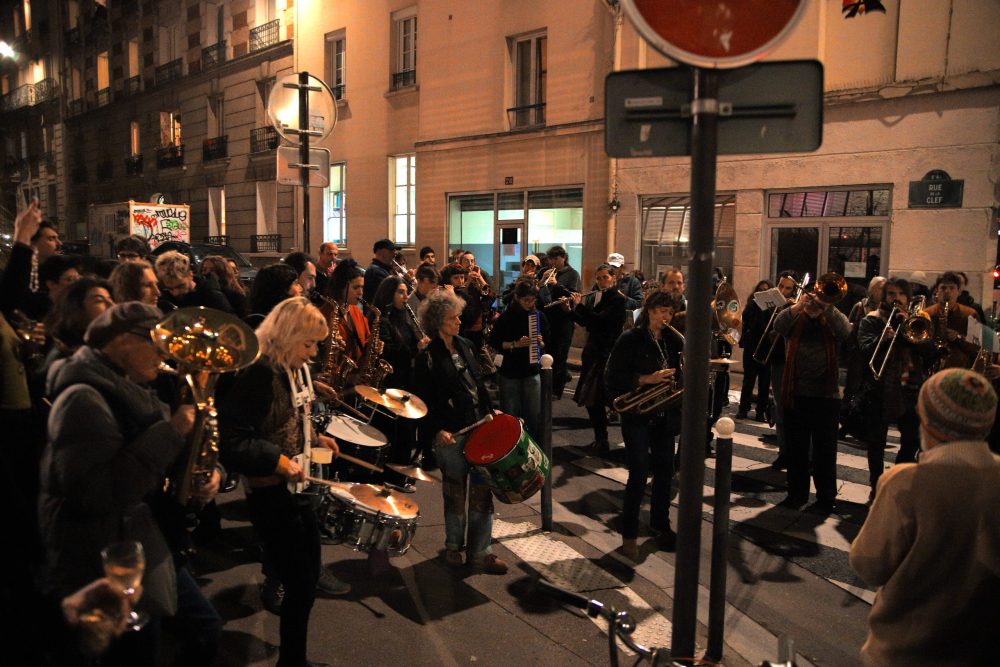
Opening night, Cinéma La Clef, January 2026. Victor Guthmann
“We became a symbol of the city of lights’ commitment
to keeping culture alive in dire times, even though
we were operating the cinema completely illegally
and with no support from the authorities.”
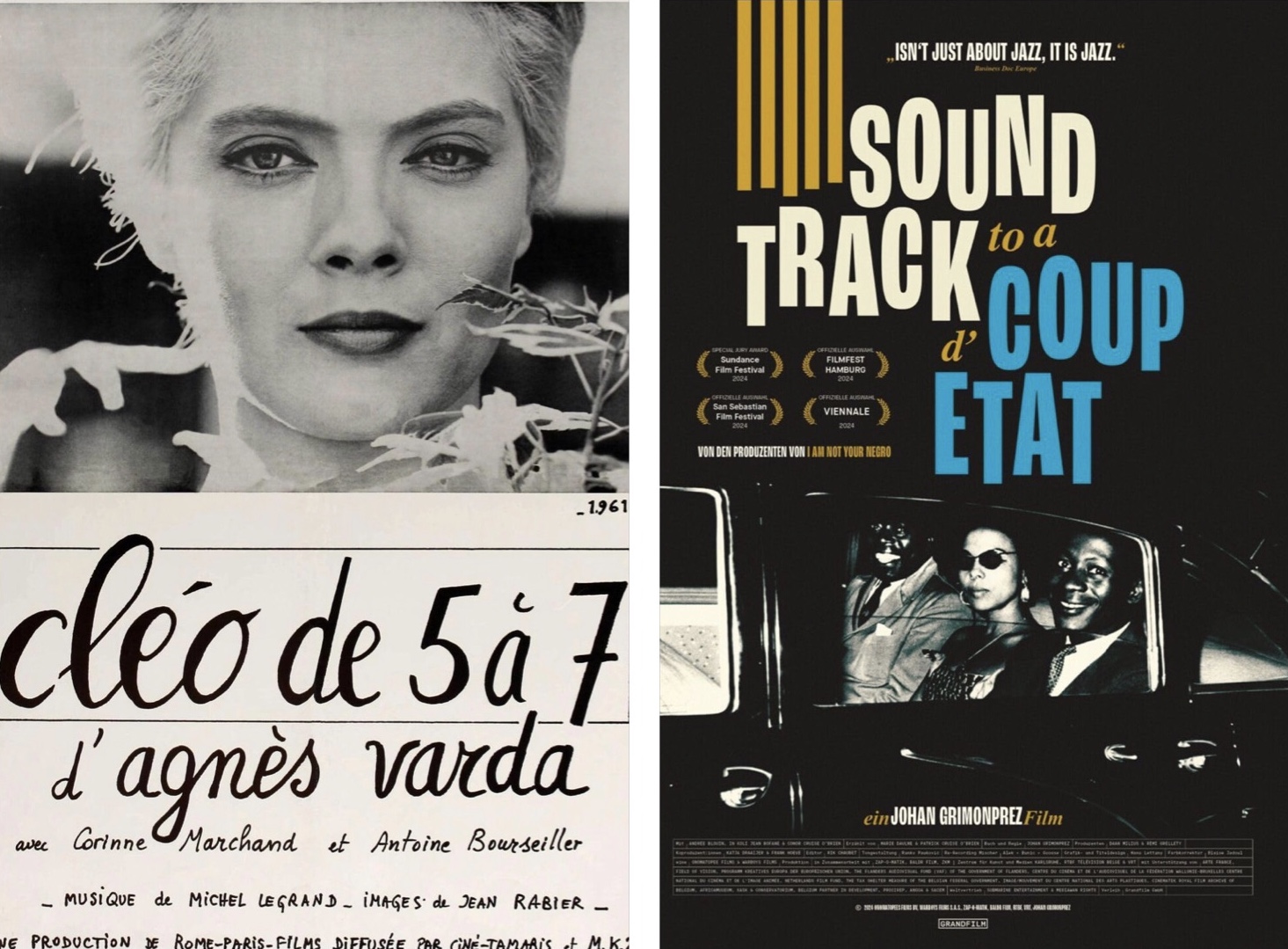
Cléo de 5 á 7, directed by Agnès Varda, screened in June 2024 for a full house at La Clef, in celebration of the venue’s purchasing by the community / Soundtrack to a coup d’etat, directed by Johan Grimonprez: “A recent film that’s particularly
impressed and moved me”, says Chloé.
In the era of streaming, La Clef has made a clear and powerful statement. Why do you think it holds such a special place on the Paris cinema scene, with such a huge support from the local community, while so many other independent cinemas are continuing to close down?
Public support for La Clef has grown exponentially during the six years it took to reopen the cinema. Back when the occupation started in September 2019, our struggle to preserve this historical venue in the center of Paris – which prides itself on its cultural richness, but is at the same time under immense speculative pressure – resonated with both cinephiles and local residents, who witnessed more and more independent cultural spaces fall victim to the rise of real estate prices and saw La Clef (the last community-run cinema in Paris) as a symbol of resistance.
Covid was another important step in getting the public on our side: back when lockdown had deprived Parisians of most social interactions, we started doing open-air screenings on the walls of the cinema. Those screenings were first intended for neighbors but gradually attracted more and more people in need of community, who’d sit on the sidewalks and enjoy a film together. This moment also got a lot of international press talking about La Clef – funny enough, we became a symbol of the city of lights’ commitment to keeping culture alive in dire times, even though we were operating the cinema completely illegally and with no support from the authorities, at the time.
The fact that our screenings were all – and are still – pay-what-you-can has also endeared us to many people, notably students, who could no longer afford to go to other theaters, or not as often as they’d like.
After we were eventually evicted, two and a half years after the occupation began, we realised how much our collective adventure – a band of volunteers organising to preserve a beloved cinema, and running it joyously all by themselves through cooperation and knowledge sharing – had meant to people has we started receiving more and more donations to support our bid to buy the premises ourselves, and perpetuate our model.
And it was electrifying, when we were finally able to reopen legally – and for good – last January, to see hundreds of people come celebrate with us – so many, in fact, that most could not fit into the cinema, and the party spilled out on the street, with a brass band who played late into the night.
We hope that this happy ending is not an exception, and that our victory inspires others to take culture into their own hands, and encourages politicians to realise how essential communal spaces are – in a context where both the market and the increasing criminalisation of squats are shutting down so many of them.
“Films are not an end but a means to have people come,
think and take action together.”
La Clef is community-run and has a pay-what-you-can ticket pricing policy. But of course it is also the movies shown that keep a dedicated audience coming back for more. What are the movies you will continue to screen?
La Clef has participatory programming, which means every person who’s learned how can suggest a film and organise a screening. This results in a very eclectic selection, but it’s all tied together by the desire to showcase films that are rarely, no longer or never shown in commercial theaters: militant and queer cinema, short and medium-length films, self-produced, amateur and collective films, independent documentaries, rarities and oddities from all over the world, films from marginalises or struggling communities.
We also welcome other collectives to screen films at La Clef: to us, films are not an end but a means to have people come, think and take action together. They’re not cultural objects, but political tools.
So one of the main features of our programming is that every screening is unique, and that we try to often have guests – either people who worked on the film, or community organisers, activists, researchers, etc. – in order to spark discussion. We’re lucky to have a large communal space, with a café/bar, where spectators can keep the conversation going after the screenings.
What was the first film you screened when you reopened in January?
We screened Talking about Trees, a 2019 documentary that tells the story of four Sudanese directors who attempt to reopen an open-air cinema in Khartoum – a theater that is aptly named “The Revolution” – in defiance of then-dictator Omar El-Bechir’s cinema ban. Unfortunately, they don’t succeed, and sharing their story on the night of La Clef’s reopening was a way of symbolically completing their struggle. Film director Suhaib Gasmelbari was present to introduce the screening, and told an anecdote that really resonated with what we hope to do with La Clef, as we teach a new generation of volunteers to take over: initially, the film was supposed to be titled “Those who’ll come after us”.
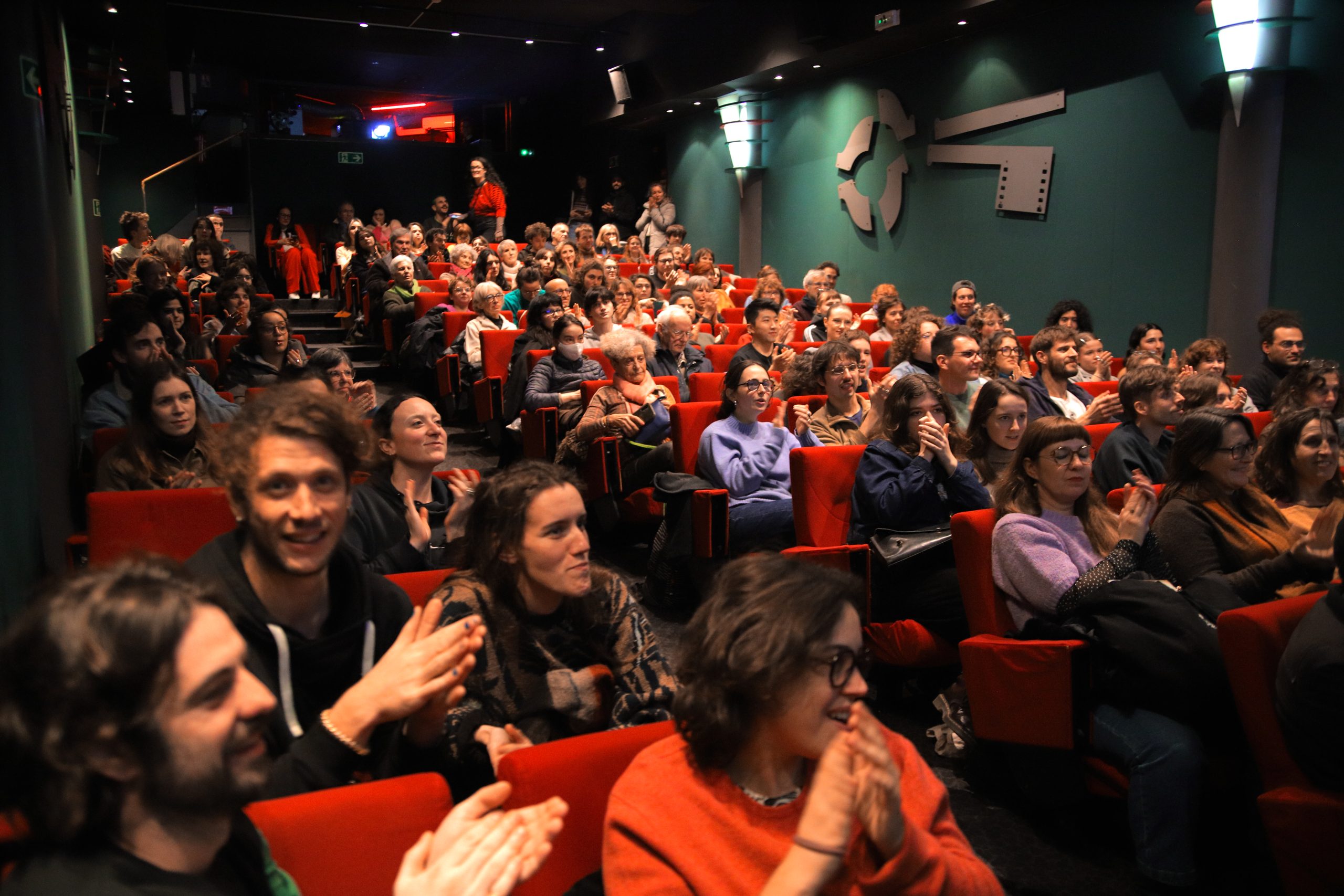
Opening night, Cinéma La Clef, January 2026. Victor Guthmann
“Other cinemas could perhaps draw inspiration from
some of our practices: have trust in the audience’s curiosity,
share films in a way that doesn’t feel transactional,
and lean into the social element of moviegoing.
Encourage conversation rather than mere consumption.”
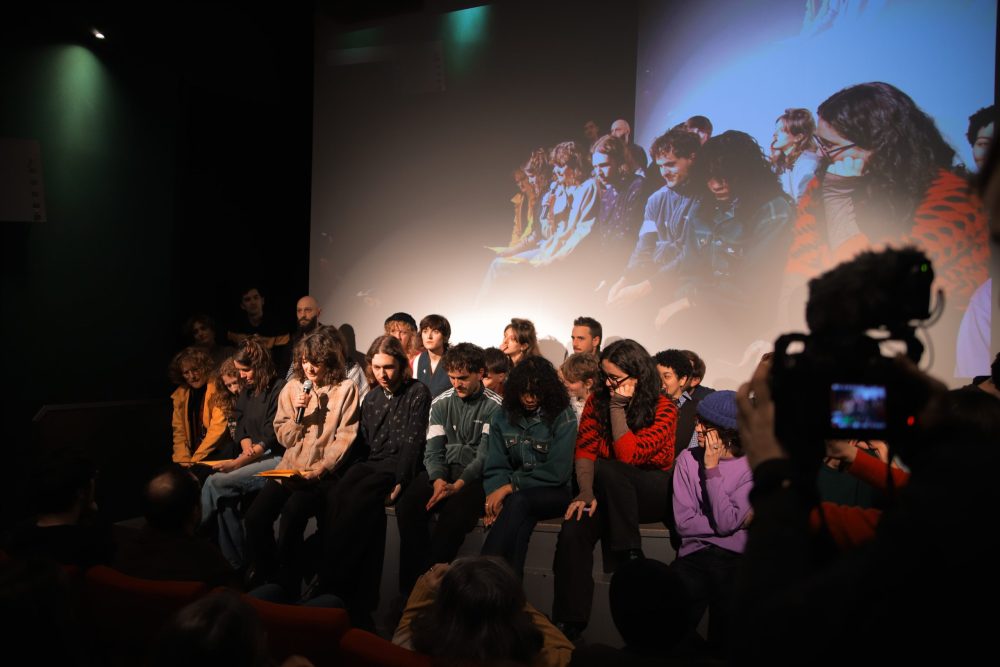
Opening night, Cinéma La Clef, January 2026. Victor Guthmann
When I did an interview with filmmakers and creatives from the movie industry a few years ago, asking them why movies still need cinemas, film poster designer Vasilis Marmatakis, Yorgos Lanthimos’ close collaborator, instead of formulating opinions and ideas, simply described different movie screenings in cinemas around the world as a deeply-impactful communal experience, from a Fargo screening, in London, in 1996, when during the duration of the end titles, the audience clapped standing, to the Mulholland Drive screening in Athens, in 2001, when the doors opened for the evening screening ticket holders, the lights were on, the end titles were rolling, but the afternoon audience did not move. Could you share one such La Clef screening as a memorable collective experience?
Back in January 2022, we had exhausted all legal remedies and knew that we would soon be evicted. So we decided to open the cinema from dawn till dusk to try and deter police intervention (they can’t evict people at night, but could come knocking the doors down as soon as 6am). For five weeks, the 6 a.m. screenings became an unmissable event for our supporters and local students, who’d come watch a movie (or finish their night) before going to class. We bought croissants for everyone, and I remember a few screenings that were particularly moving, for example, we showed a Gregg Araki film in 35mm, but as the screening started we realised there was an issue with the print. The sleep-deprived projectionists had to fix everything live, the audience waited patiently for half an hour, and when the film finally started, everyone applauded the volunteers who had worked so hard in the projection booth.
We were evicted on March 1st, 2022, at 6am sharp, and so we couldn’t screen the film that was planned for that day – it was Agnès Varda’s Cléo de 5 à 7. So, in June 2024, when we were able to buy the cinema and celebrated with a 4-day festival before we closed down for renovations, we started with a nostalgic 6am screening of Cléo. And it was packed!
What can cinemas do to attract moviegoing?
What we did at La Clef can’t be replicated everywhere, because our model relies on the unpaid work of a couple hundred volunteers, who choose the films, host the screenings and work the register, the bar and the projectors. But other cinemas could perhaps draw inspiration from some of our practices: have trust in the audience’s curiosity, share films in a way that doesn’t feel transactional, and lean into the social element of moviegoing. Encourage conversation rather than mere consumption.
“We believe what still draws audiences to theaters is their
curated selection and the community built around it. […] Theaters
with a personality, where the programming is crafted with love rather than greed.”
Are you also organising workshops and Q&As with filmmakers?
Yes, we try to have guests – filmmakers, but also other members from their crew, in order not to be too author-centric and to remind audiences that film is a collective endeavor – for nearly every screening, so there are often Q&As after!
We also have specific screenings called “How is a movie made?” where filmmakers and their collaborators also share preparatory documents (scripts, storyboards, early costume design, casting auditions…) with the audience, and discuss in depth their working methods and the challenges encountered during filming. Some recent examples include a discussion with academy-award winner Justine Triet and her cinematographer Tom Harari about La Bataille de Solférino, and a discussion with Thierry de Peretti and casting director Julie Allione about Une vie violente.
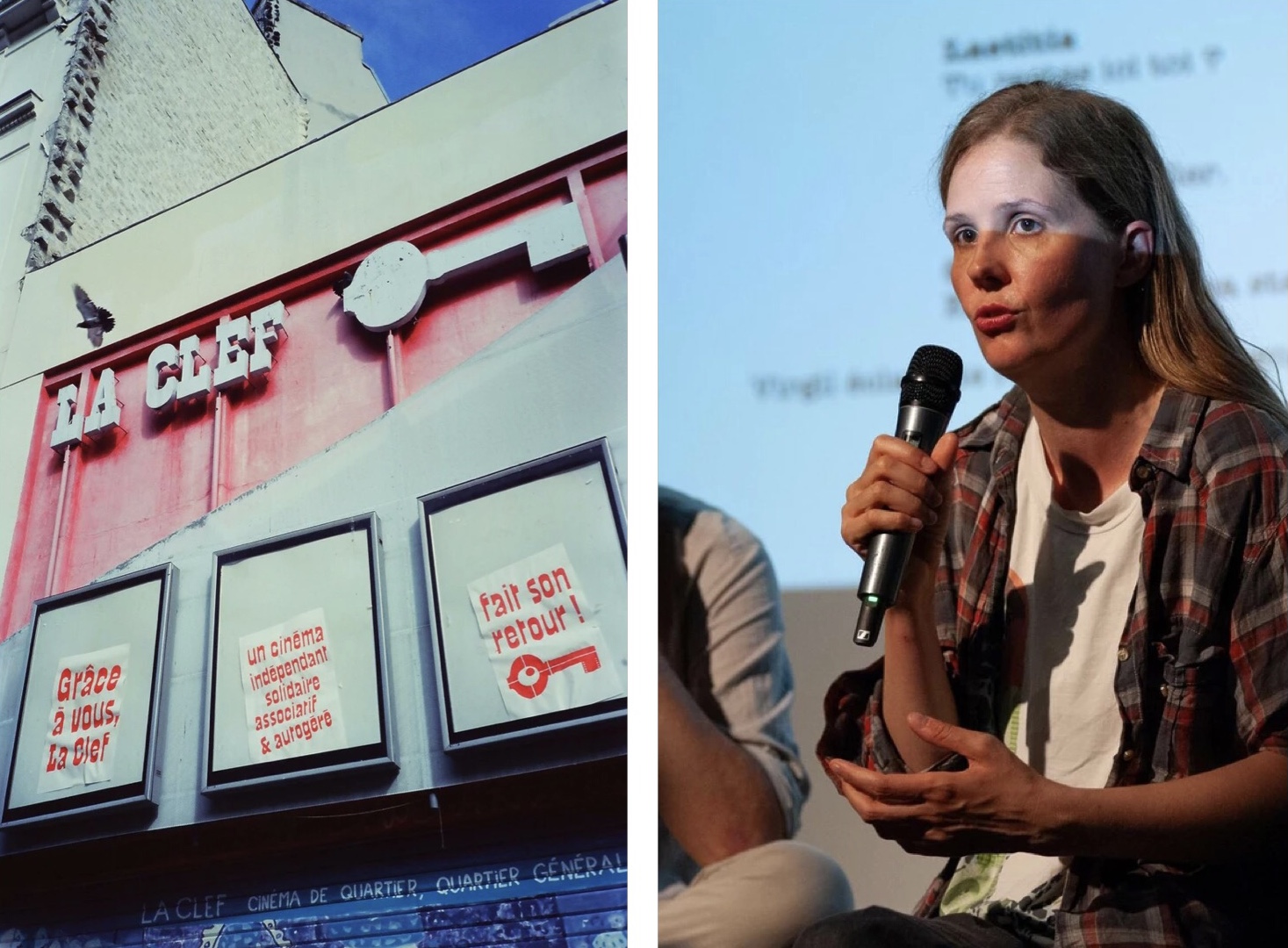
Cinéma La Clef / Justine Trier during a master class at La Clef, June 2024
With La Clef as an example, I see hope and perseverance, but also struggle when I think of the future of cinemas. How do you see the future of cinemas?
We are particularly lucky in France, to have a public support system that allows so many theaters to keep running. Unfortunately, we are witnessing increasing economic concentration in the hands of a few commercial networks, which puts independent cinemas at risk, even though they most certainly are the future of moviegoing: in a time when films are more accessible online and from the comfort of the home, we believe what still draws audiences to theaters is their curated selection and the community built around it. Not the copy-paste multiplexes, with their padded seats and ever-higher prices, but theaters with a personality, where the programming is crafted with love rather than greed.
La Clef is part of a network of alternative European cinemas called Kinoclimates, and its members are proof that independent theaters with an original selection of films and a strong focus on cultural mediation can thrive: we sincerely believe that such spaces are the future of moviegoing, and hope they will be supported accordingly.
“We hope that this happy ending is not an exception,
and that our victory inspires others to take culture
into their own hands, and encourages politicians to realise
how essential communal spaces are – in a context where both
the market and the increasing criminalisation of squats
are shutting down so many of them.”
What you are saying gives me hope, too. Where do you think film education should start? At home, at school, at the cinema? Where can we start to raise awareness of the riches of film history? Is it just up to those who love cinema to keep passing on to future generations what the thrill of a good film can be?
I’d say school is a wonderful equalizer so that every child gets to discover film, whether their family had an interest in cinema or not. We are fortunate in France to have national programs that enable children from kindergarten through high school to see three films a year in movie theaters, and I think this is a wonderful initiative that deserves to be replicated elsewhere. At La Clef, we try to organise regular screenings for young audiences!
Lastly, Chloé, what is the best film you’ve seen at the cinema lately?
I’d say one recent film that’s particularly impressed and moved me was Soundtrack to a coup d’état, a documentary by Johan Grimonprez that recounts the Cold War episode that led musicians Abbey Lincoln and Max Roach to crash the UN Security Council in protest against the murder of Congolese leader Patrice Lumumba.
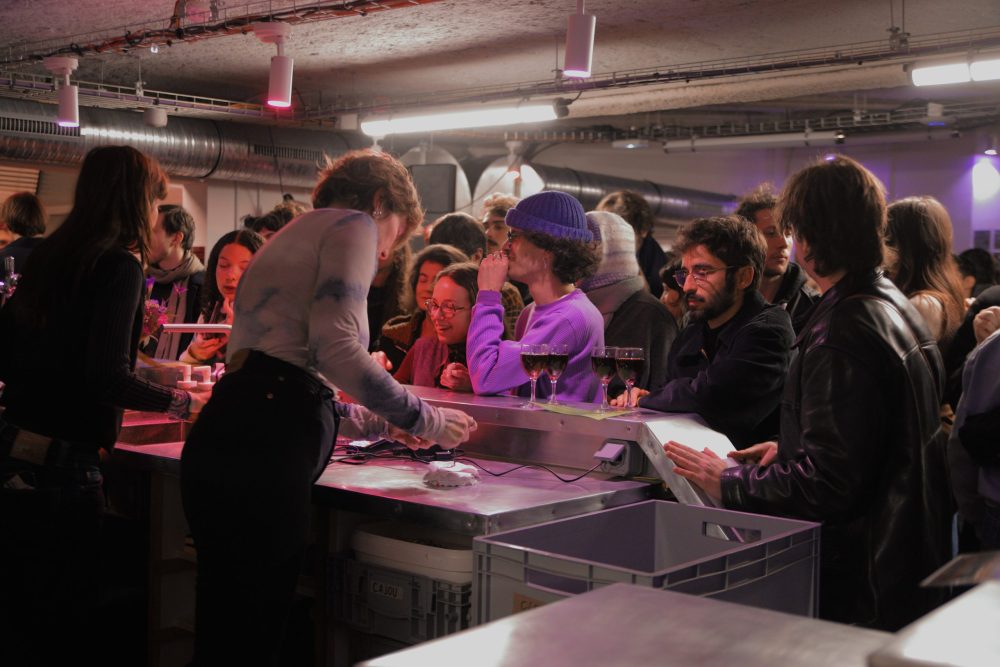
Opening night, Cinéma La Clef, January 2026. Victor Guthmann
MORE STORIES
Why movies still need cinemas: In conversation with film industry creatives
In conversation with “Happyend” cinematographer Bill Kirstein
Lean on Pete: In conversation with production designer Ryan Warren Smith