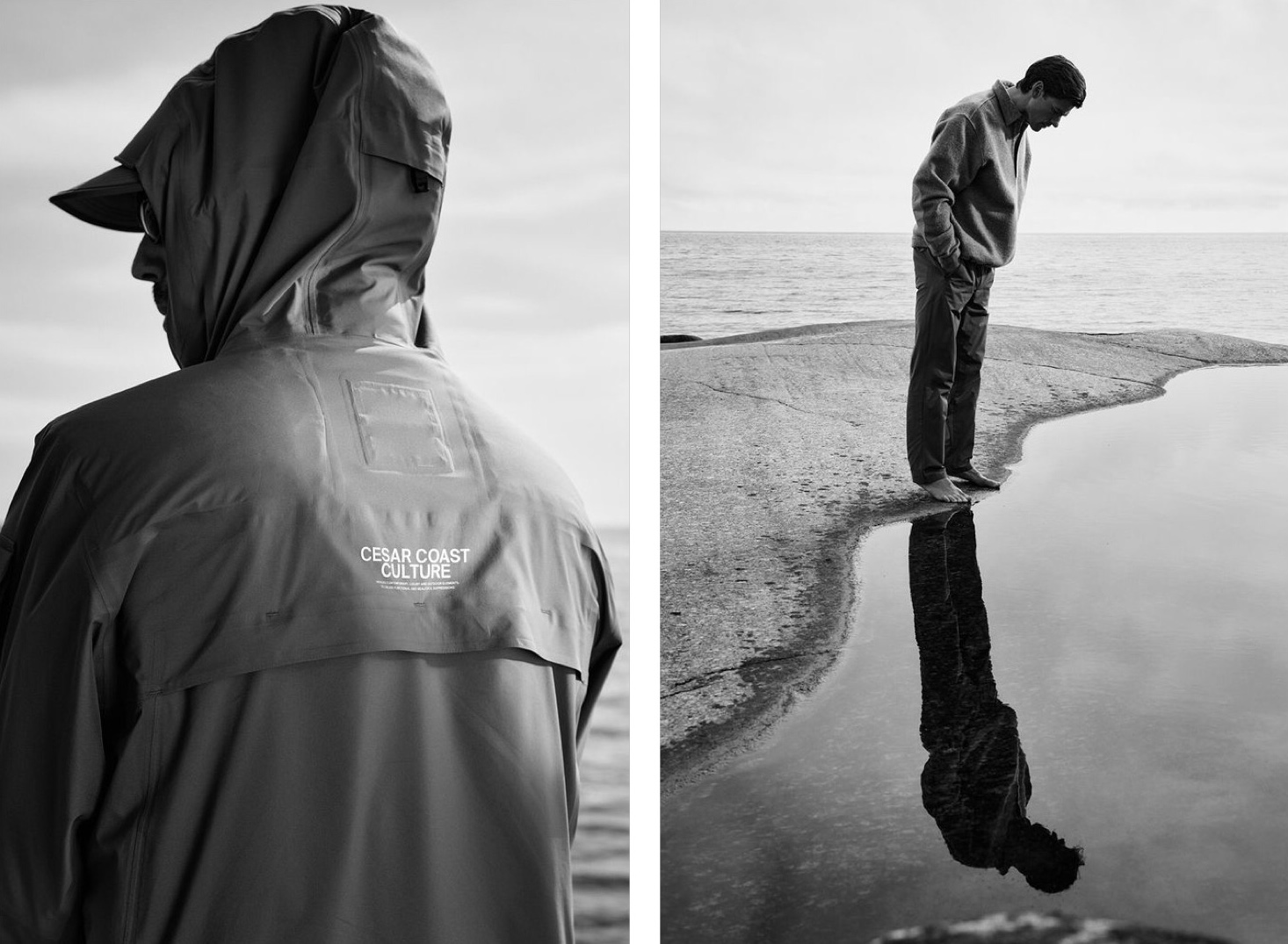
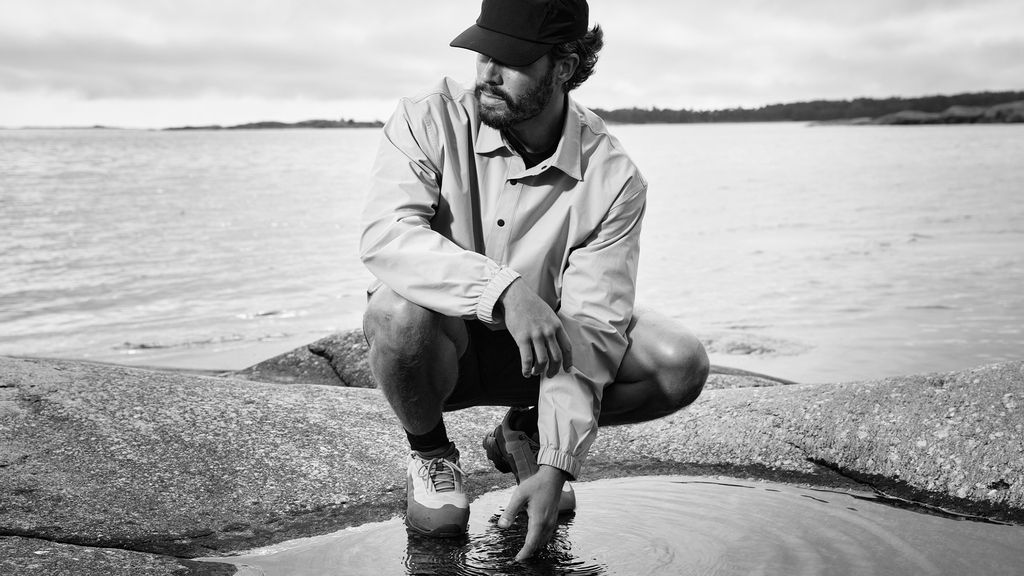
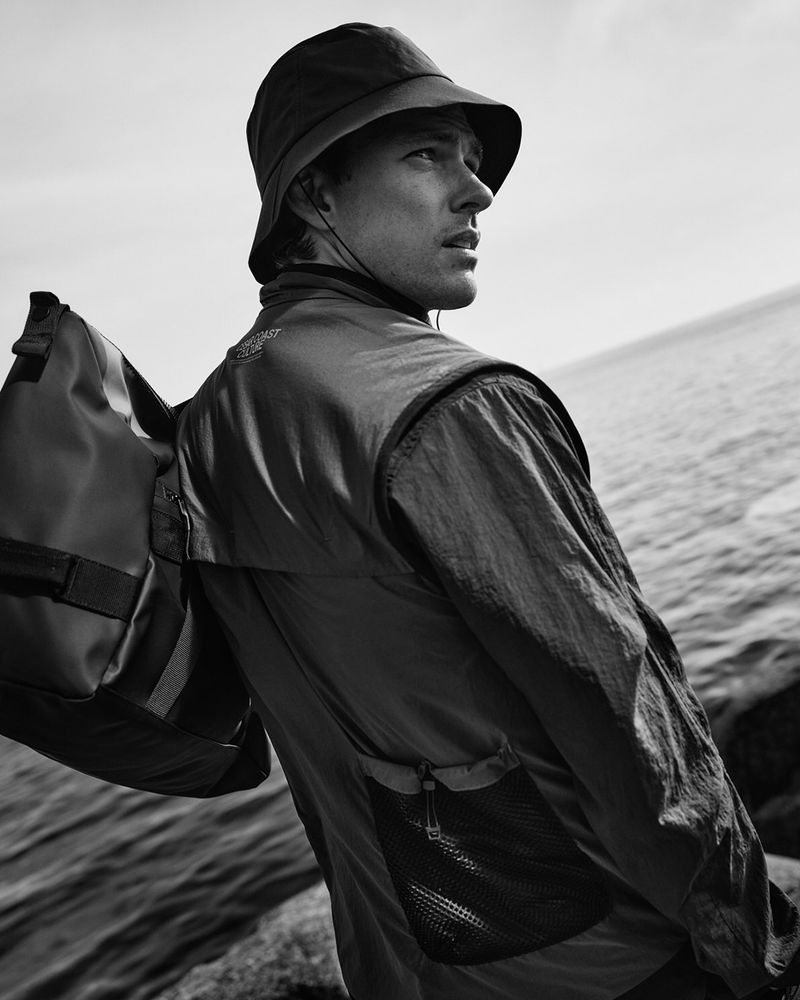
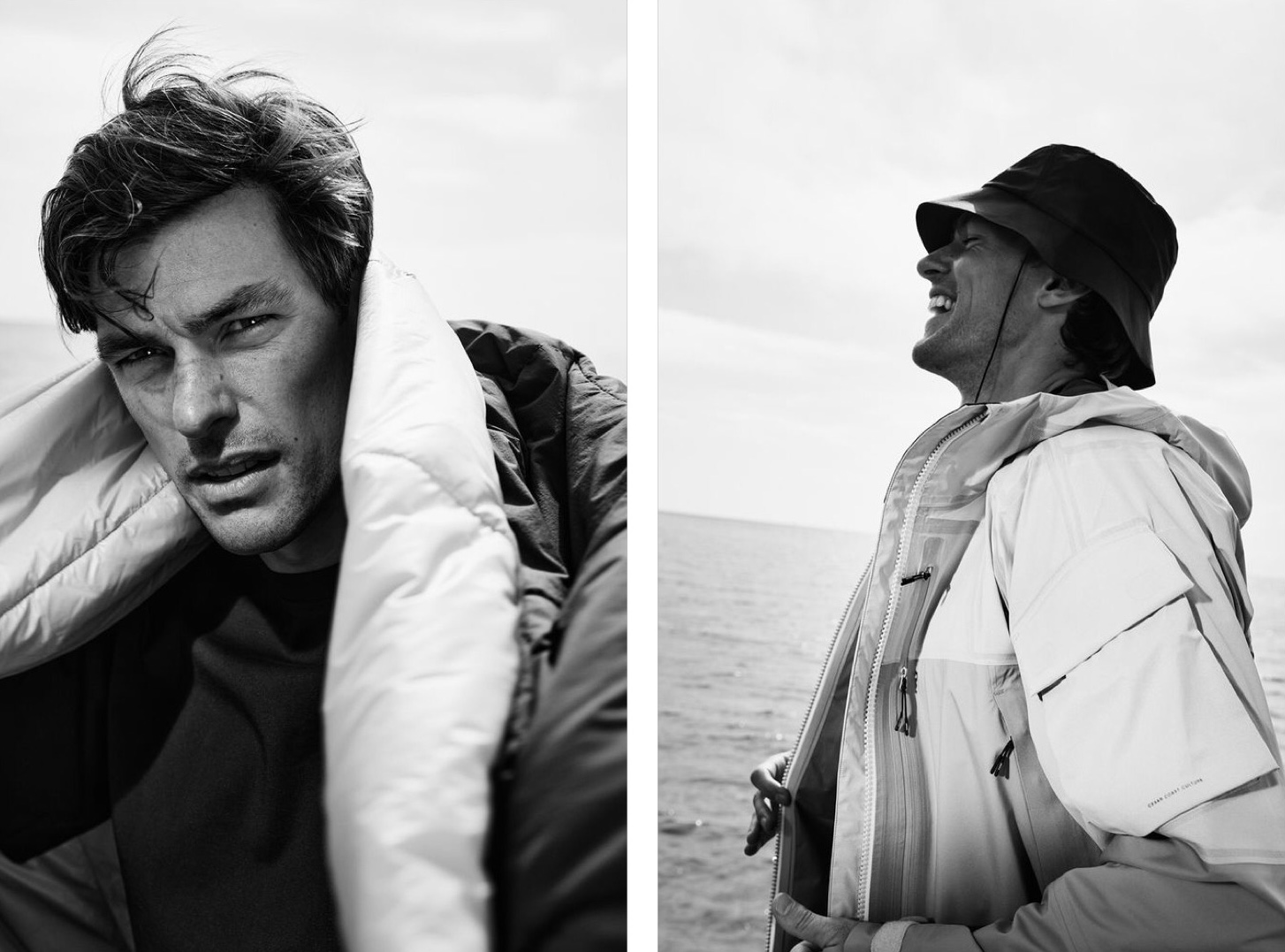
Photos: Erik Henriksson for Cesar Equipment Spring/Summer 2026
Styled by Liselotte Bramstång
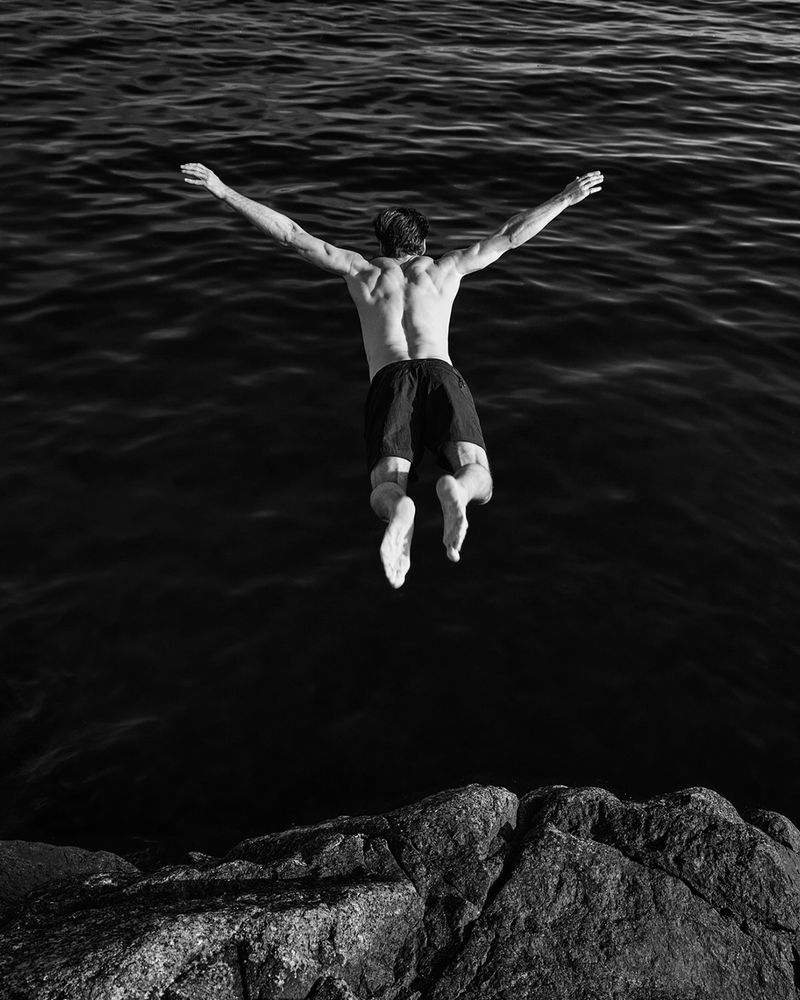
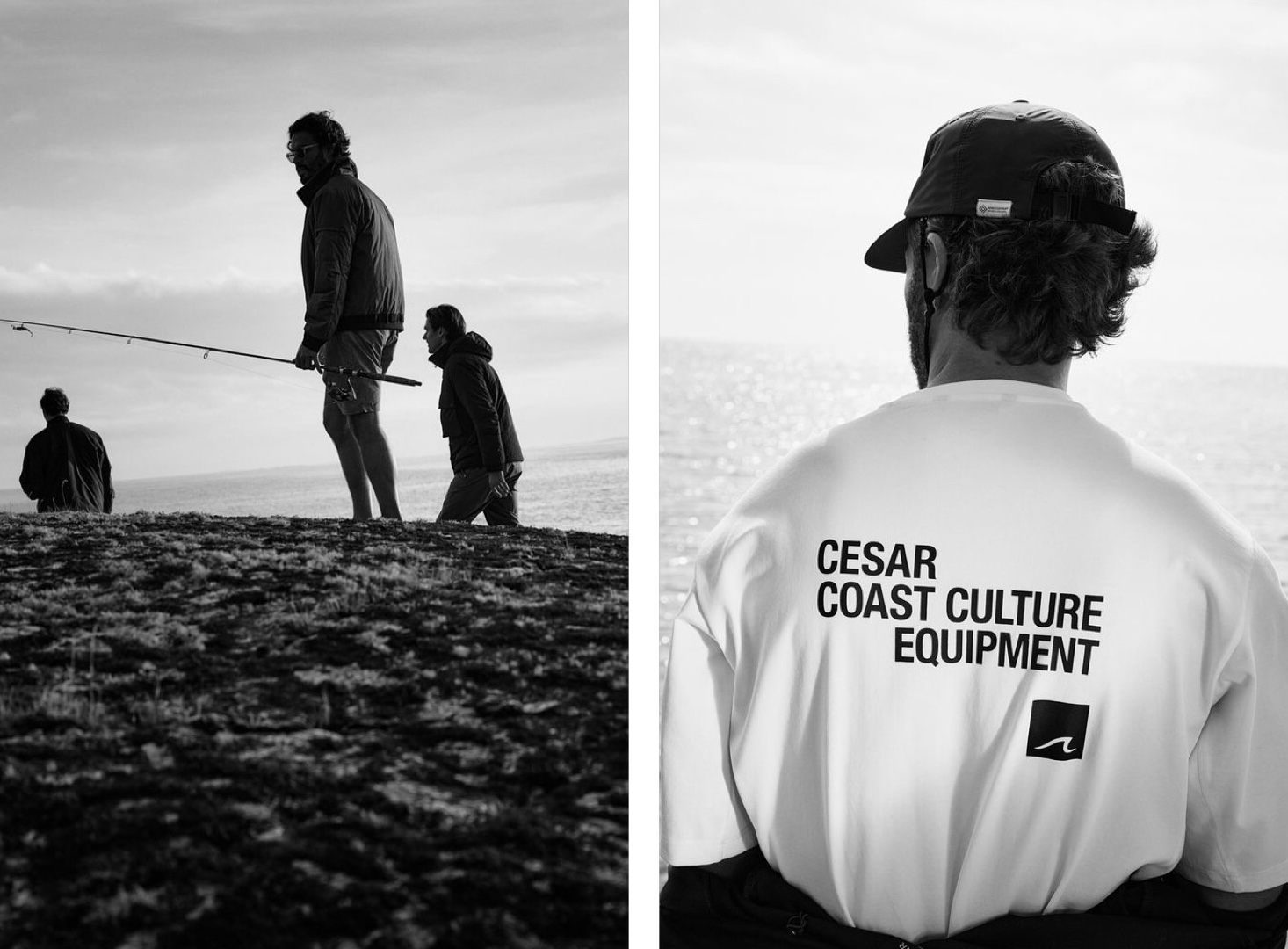
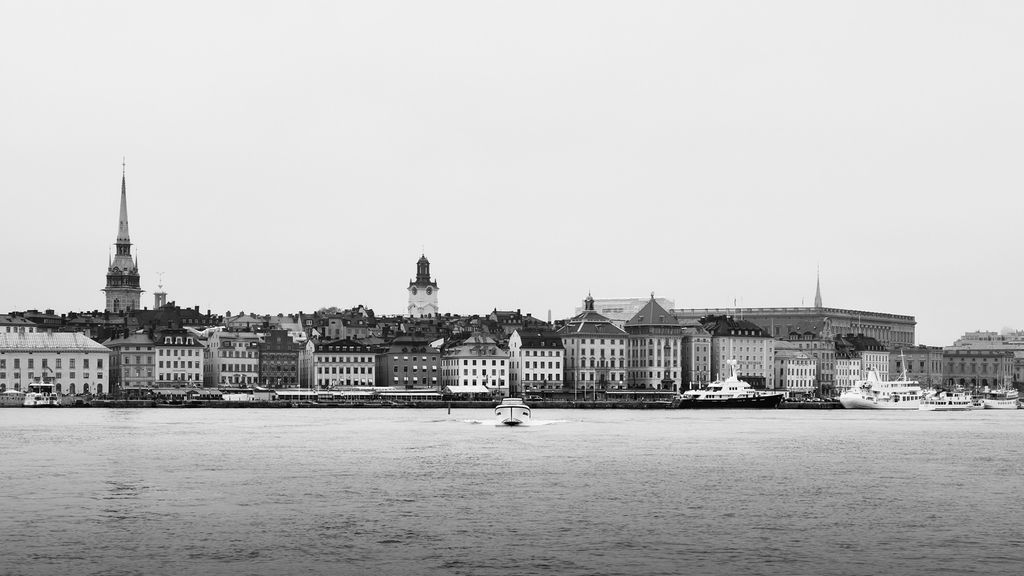
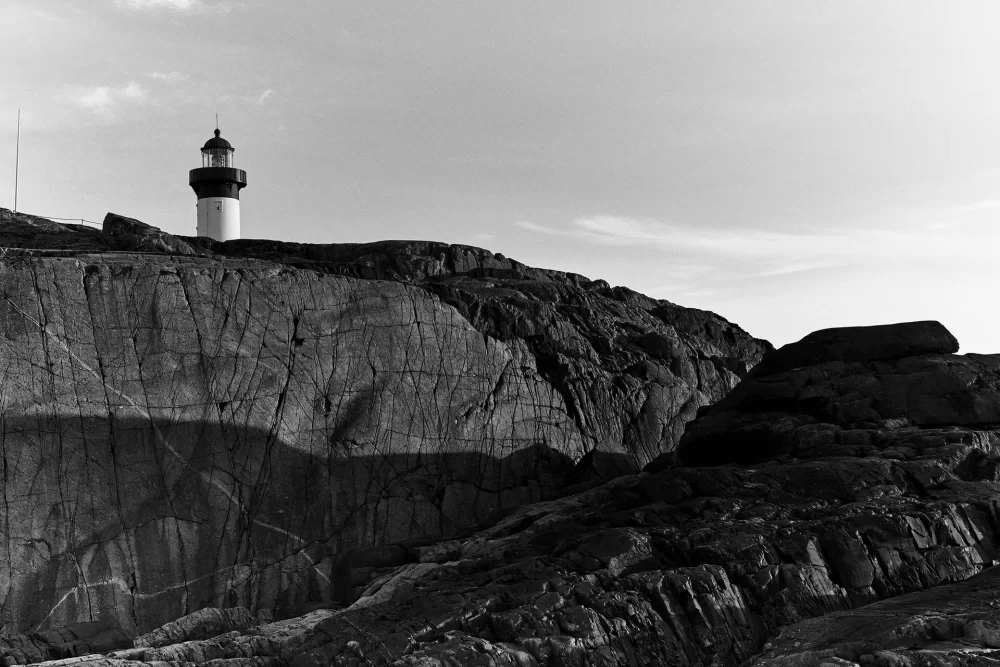
The merest tweak of spring in the air and the returning light are enough to trigger a longing for wanderlust and a renewed sense of freedom, preferably along a coastline. The rugged yet refined, retaining its unique character type. Cesar Equipment also stands for rugged and refined. Nature and its gentle rhythm are reflected in the up-and-coming Scandinavian clothing brand, just as these black and white images, shot around Grönskär Light House Island by the coast of Stockholm, reveal its strong sense of identity. Grounded in coastal culture, the menswear label is dedicated to bringing a progressive ethos to good clothing and good design.
For everyone who has become disillusioned with the clothing industry’s practices, but still believe in a fashion industry that values people, the environment, creativity and profit in equal measure, I think that Andreas Åhrman’s response to the subject and the approach of the brand he has co-founded is the most truthful: designing clothes that people would wear longer. It’s not just about responsible materials and reducing pollution, but about how long clothes will be worn. At the Laboratory, their division that is trying out new concepts and introduces their philosophy to other design areas as well, they are not just doing the best they can with the awareness they currently possess, they are trying to improve the industry’s long-term prospects with their creativity and skills. By introducing new thinking into technical know-how, in search of practicality and durability, they show persistence in following their singular vision through while preserving the best of the Scandinavian culture, quality and beauty.
In our interview, Andreas and I talk about coast culture, the brand’s priority to manufacture comfortable products with a very long useful life, and why establishing repair services is part of their long-term vision. He also shares his favourite spot in the Swedish archipelago and his definition of a wealthy life.
Andreas, how important is nature in informing your brand’s aesthetic?
Nature — and specifically the coastline and archipelago of Sweden — has a massive influence on our brand aesthetic. The Swedish coast, especially the west coast, is minimalistic yet powerful and rugged. It’s almost like a hybrid of contrasting elements, and that reflects our brand aesthetic well. Our foundation lies in combining elements that normally haven’t been connected.
”Cesar Equipment exists to celebrate Coast Culture”. What does coast culture mean to you?
To me, coast culture means living a life in sync with nature and the rhythm of the coastline. It’s about accepting and embracing the different seasons, weather conditions, and shifting moods. Coast culture shapes our lifestyle and defines what kind of clothing is needed, what interests can be nurtured, and how we spend our time.
Personally, I love the luxury of sitting on a warm rock in the archipelago in the afternoon, chatting with friends, jumping into the ocean for a swim, and later maybe going water skiing. It’s total freedom — a form of luxury brought by nature itself.
“The Swedish coast, especially the west coast,
is minimalistic yet powerful and rugged.
It’s almost like a hybrid of contrasting elements,
and that reflects our brand aesthetic well.”
Functionality? A constant reach for high-tech improvement and refinement? Style? What is at the fore-front of Cesar Equipment?
Since we design clothing meant to withstand harsh coastal weather, we demand high functionality in our products. We source fabrics from some of the most prestigious and high-quality weavers in the world, focusing on ultra-high performance in terms of durability, water resistance, and breathability.
At the forefront, however, we also want all garments to be exceptionally comfortable. Comfort is crucial, and it strongly influences how we design our silhouettes and technical solutions.
“It’s total freedom — a form of luxury brought by nature itself.”
You have already created a collection of essentials that includes the t-shirt, the sweatshirt, knitwear, jackets, trousers, outerwear. Classics imbued with a distinctly contemporary sensibility. Will this collection further evolve or are you more dedicated to creating a lasting wardrobe with fewer and better garments?
We are driven by a constant curiosity for innovation and technical refinement, always seeking new ways to elevate comfort and create a truly premium experience. Rather than following fleeting trends, we design with intention and longevity in mind—crafting garments that endure in both quality and aesthetic.
How involved are you in developing your products?
The main responsibility for product development lies with my partner, Victor Lindh, who is an excellent creator and a true product enthusiast. We develop the products together, and I serve as his sounding board, providing structure as ideas move from the drawing board to actual prototypes.
“At the forefront, however,
we want all garments to be exceptionally comfortable.”
What is your background in the clothing industry? What was a defining moment for you, professionally?
I have spent more than 20 years in the industry, working across a range of roles – from founder and CEO to Global Marketing Director at international brands. Throughout this journey, my focus has always been the same: to create with purpose and offer something meaningful that stands the test of time.
I have naturally been drawn to brands that hold strong values, those that strive to preserve nature and show genuine respect for the people throughout their supply chains.
Can you tell me a few words about the Cesar Equipment Laboratory?
The Laboratory Line is where we give ourselves complete creative freedom. It is our playground for exploration—where ideas evolve into products ranging from highly technical garments to luxurious, functional outdoor furniture and other design pieces.
Every product is connected to coastal culture and designed with life by the ocean—or on the ocean—in mind. The concept will be introduced later this spring, and we look forward to sharing more then.
“We believe that the most sustainable way to consume clothing
is to wear garments for a long time, repairing
and adapting them along the way.”
Do you think that most of the gains that are made in the clothing business – and by gains I mean making companies responsible, and finding solutions for the environmental crisis – are made by small companies?
I believe that all companies, whether small or large, need to review their business model before focusing on “sustainability efforts” in terms of products, freight, and sourcing. If your model is based on selling large volumes at low prices with short product lifespans, it doesn’t matter how much effort you put into responsible sourcing.
Companies in our industry need to design and manufacture products with longevity and circularity in mind. Many brands are already becoming savvy about resale, but I don’t think we have fully grasped how to produce clothing that can be efficiently recycled. To make recycling more effective, we must carefully consider materials and design choices, and begin collaborating with companies that specialise in textile recycling.
Do you believe that torn pieces should be patched up rather than replaced or recycled?
We believe that the most sustainable way to consume clothing is to wear garments for a long time, repairing and adapting them along the way.
As a new brand, we do not yet have a repair service in place. However, establishing an extensive repair program is part of our long-term vision, and we plan to introduce it as the brand becomes more established.
“If someone has good health, meaningful relationships,
and a passion they continue to nurture,
they already live a wealthy life.”
It’s already clear that, at industry level, significant change can not be made without regulations, through policy. Are you optimistic?
We remain optimistic, but we also believe the industry cannot change on its own. Meaningful progress requires strong regulations that clearly define how clothing should be produced in order to access the market.
Is it possible to make clothes in a genuinely sustainable (a word I unfortunately already find hugely missed and overused) way – high quality garments, beautiful design, full traceability, local manufacturing, honestly priced? How uncompromising is Cesar Equipment committed to be?
As mentioned previously, we believe the most sustainable way to approach clothing is to invest in high-quality garments with a design you will appreciate and wear for many years.
Earlier you described a perfect moment in the archipelago. Do you have a favourite such place, a specific one, that you are willing to share with us?
The archipelago is filled with extraordinary places, yet one destination that truly stands out is Kärringön. A visit is not complete without dining at Petterssons Krog, a beautiful restaurant renowned for both its atmosphere and its exceptional cuisine.
Lastly, Andreas, the question I always end an interview with: In this time and age, what do you wish people appreciated more?
I wish people would appreciate the small things in life. I tend to believe that if someone has good health, meaningful relationships, and a passion they continue to nurture, they already live a wealthy life.
And lastly, we should never underestimate the power of kindness.
Website: cesarequipment.com | Instagram: @cesarequipment
MORE STORIES
“Feeling the sport through the images”:
Interview with photographer Alexander Aguiar
“This is truly who I am”: In conversation with artist Heather Chontos
Les Vacances d’Irina: In conversation with designer Irina Moroșanu