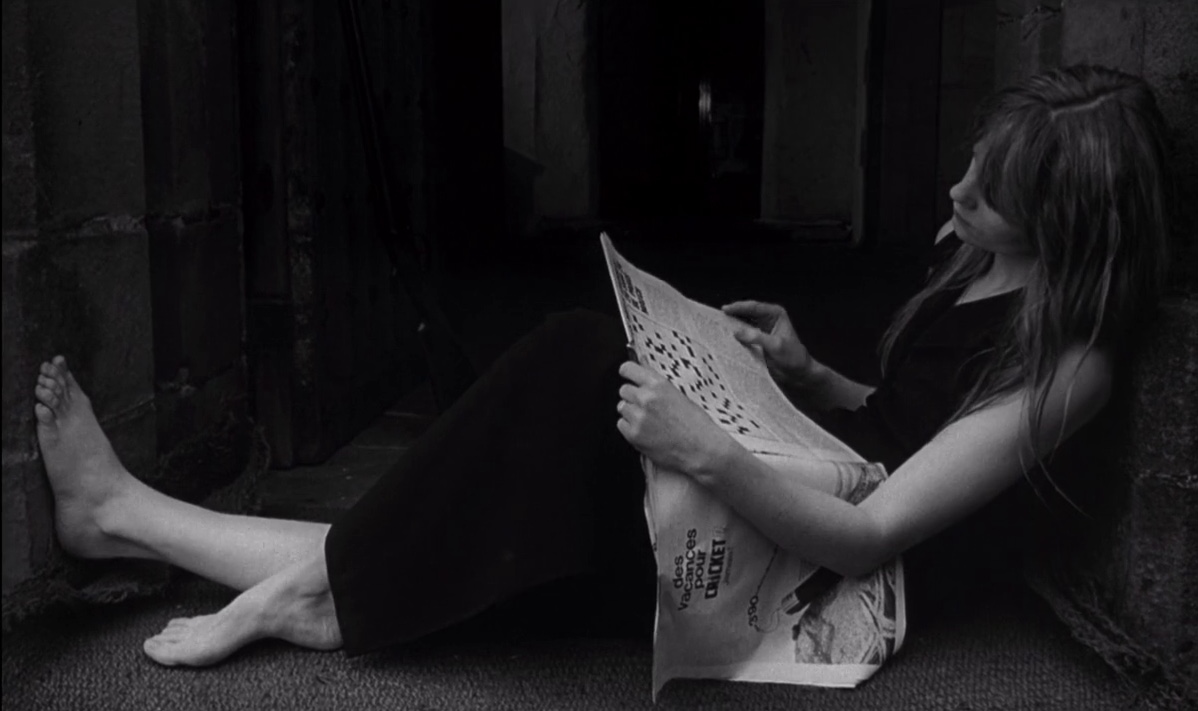
Françoise Dorléac in Cul-de-sac, 1966, directed by Roman Polanski. Compton Films,
Tekli British Productions
An American gangster on the run is holding captive a retired English businessman and his young French wife in their isolated fortress-like mansion somewhere on the coast of England, a place cut off from the mainland twice a day by high tide. The story is thrillingly erratic, the characters are completely unpredictable, the situations are hilariously absurd bordering cynical and dark – Jan Lenica’s film poster superbly taps into the funny games essence of Roman Polanski’s Cul-de-sac. A madcap of a film pitch-perfectly executed.
“We just sat down and decided to write whatever we wanted to, just what we wanted to see on the screen; completely disconnected things, just feelings and characters,” Polanski would later recount, as noted in James Greenberg’s book Roman Polanski: A Retrospective. “It didn’t matter what it was about or how it was organized. What mattered was that it contained the situations, scenes and atmosphere that we wanted to create. […] It was almost like a teenager’s movie. But I like the film. I think it is really a movie – not a theater piece or a book. It could only be expressed this way, in this medium.”
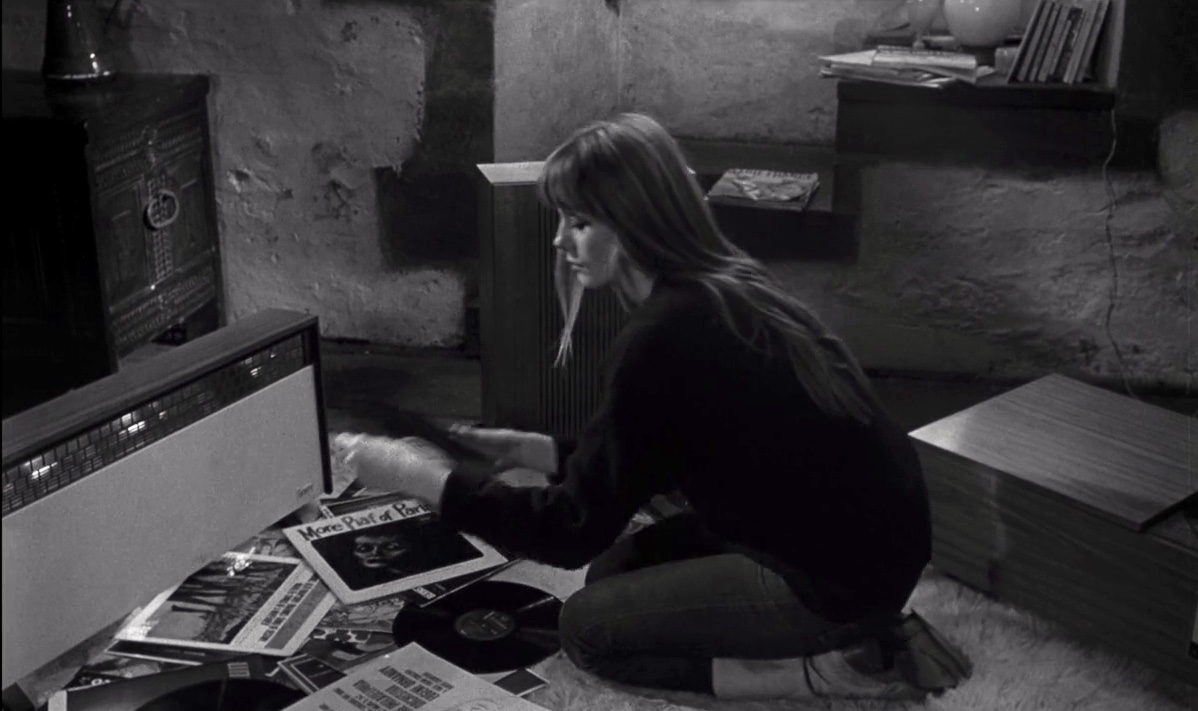
Françoise Dorléac in Cul-de-sac, 1966, directed by Roman Polanski. Compton Films, Tekli British Productions
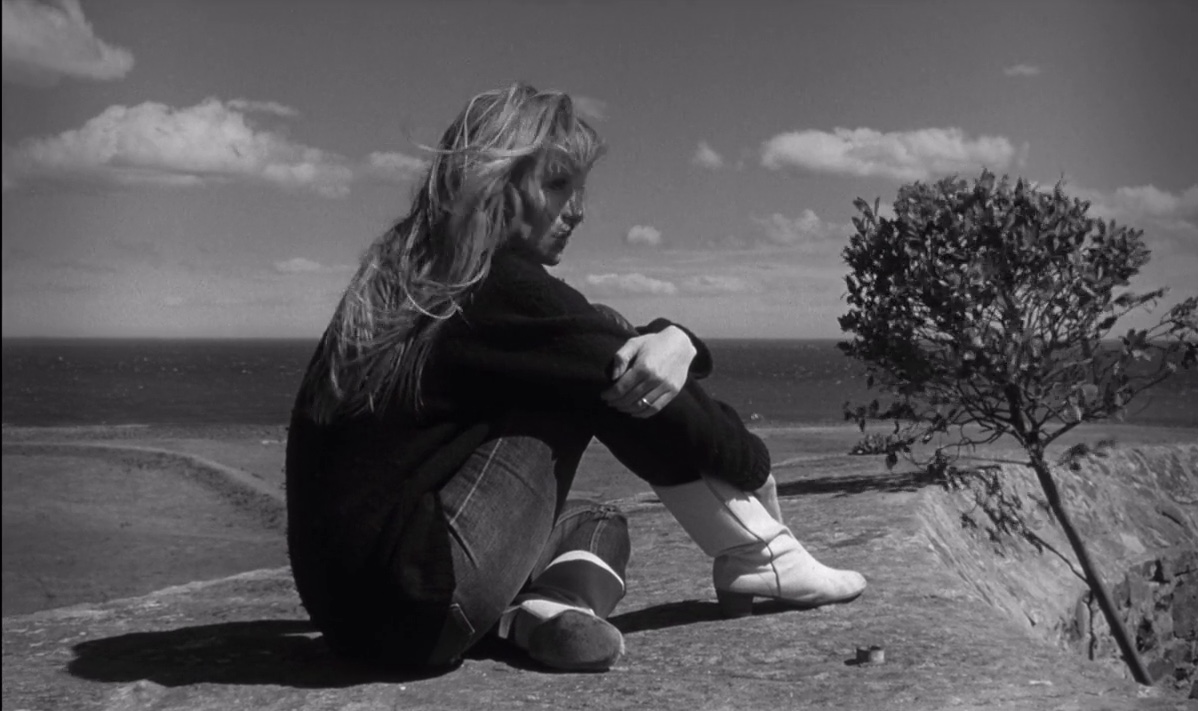
Françoise Dorléac plays Teresa. She has been married to George for less than a year and we quickly get the idea that she is of questionable morale. She is manipulative and wicked. She is bonding with the gangster (Lionel Stander) over her homemade vodka, is ridiculing her husband, and is mistreating (rightly so, frankly) George’s friends’ kid when he messes up her vinyls. Be that as it may, we follow her around, this dangerously irresistible, restless wild creature, walking barefoot almost all the time, roaming around the mansion-fortress day and night. She sometimes puts on a pair of white boots, tucking her blue jeans in, a V-neck sweater finishing off the look. We eventually see her in a dress. A long black dress, slit sideways up the leg. She is wearing it barefoot once again, as she is trying to figure out how an empty shotgun works while gangster and husband are dozing off. She is the true power in the story. She reminds me of another amazing character all dressed in black, from almost a decade later, Romy Schneider in Claude Chabrol’s Les innocents aux mains sales (Innocents with Dirty Hands), where the true suspense of the film is trying to figure her out, no pure-hearted heroine, as none of Chabrol’s female characters is.
It is Françoise’s diabolical charm, actor extraordinaire Donald Pleasence’s repulsive cowardice and ineffable neurosis, as well as the bare yet fantastical setting that push the boundaries of cinema with its freedom of tone and this dance between psychological thriller and dark comedy.
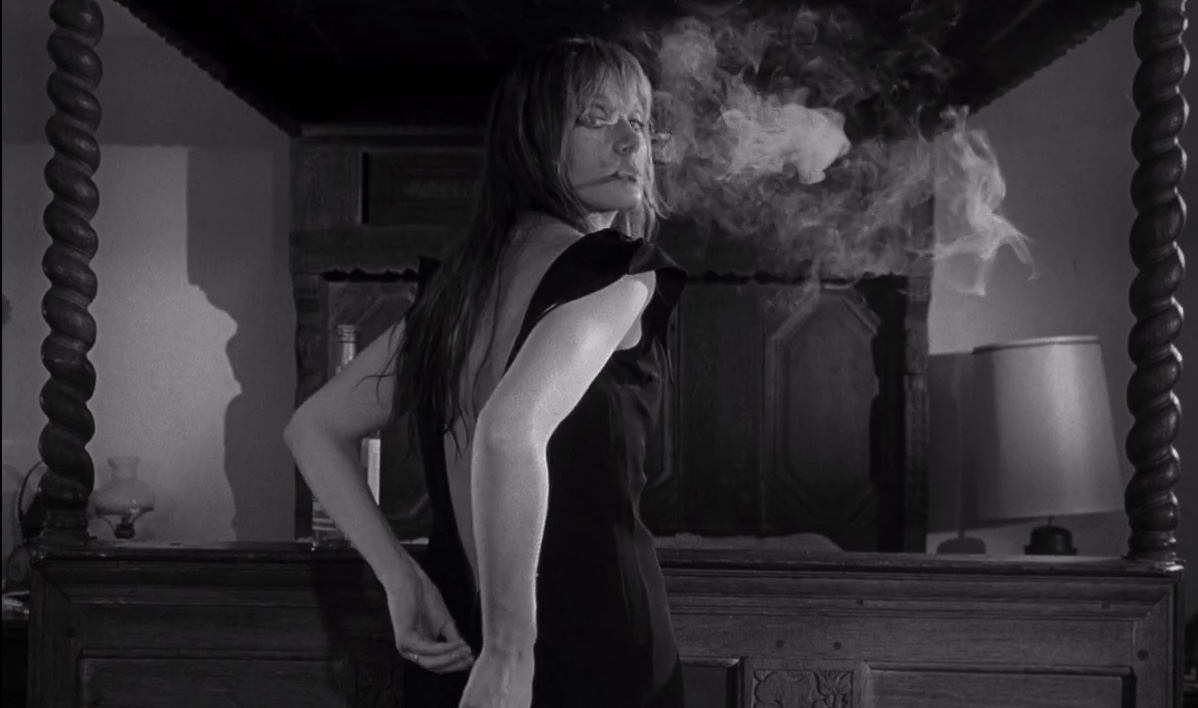
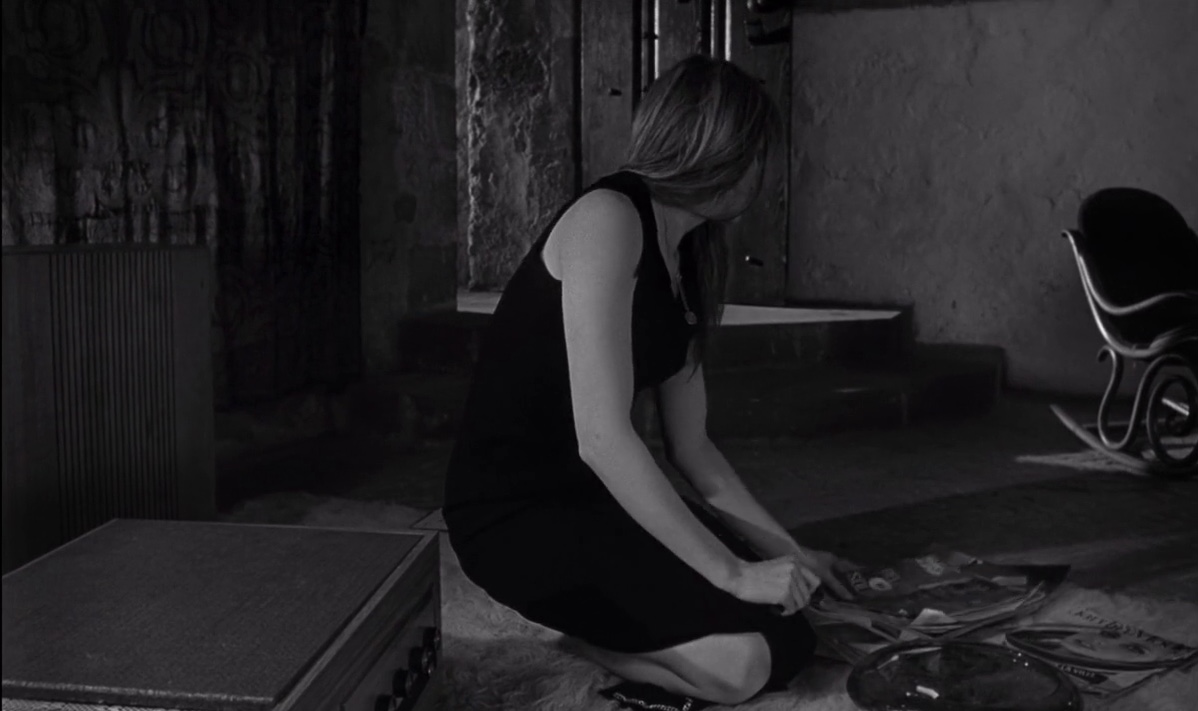
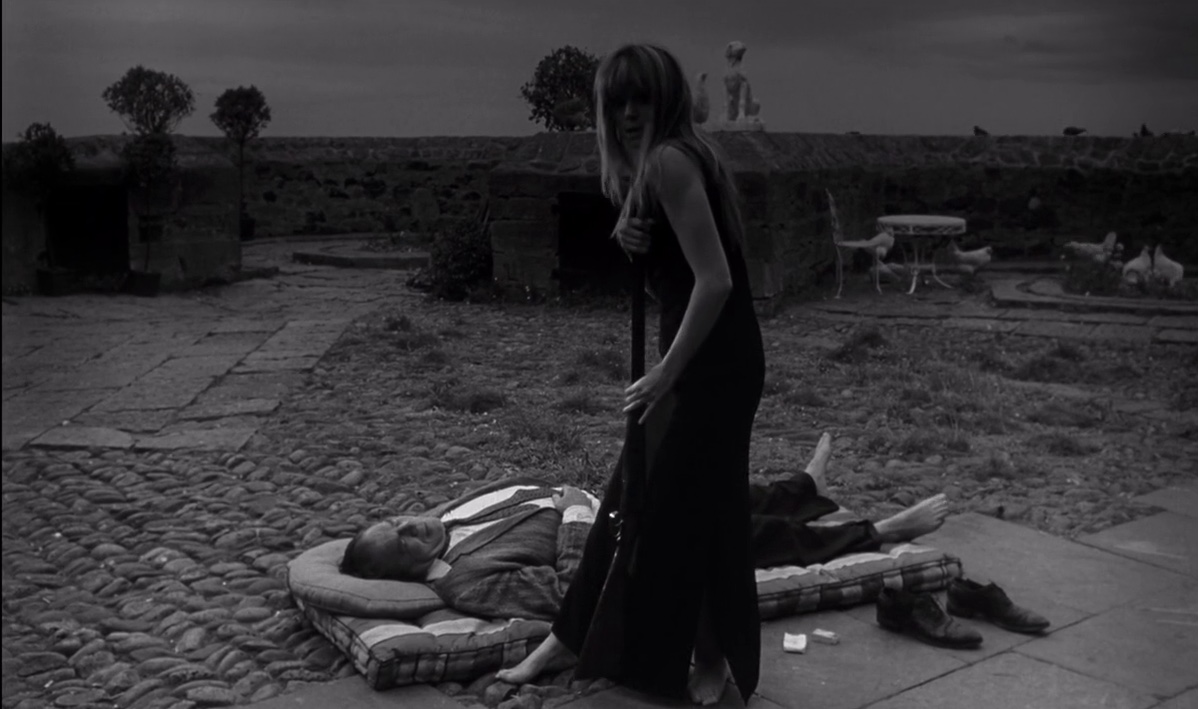
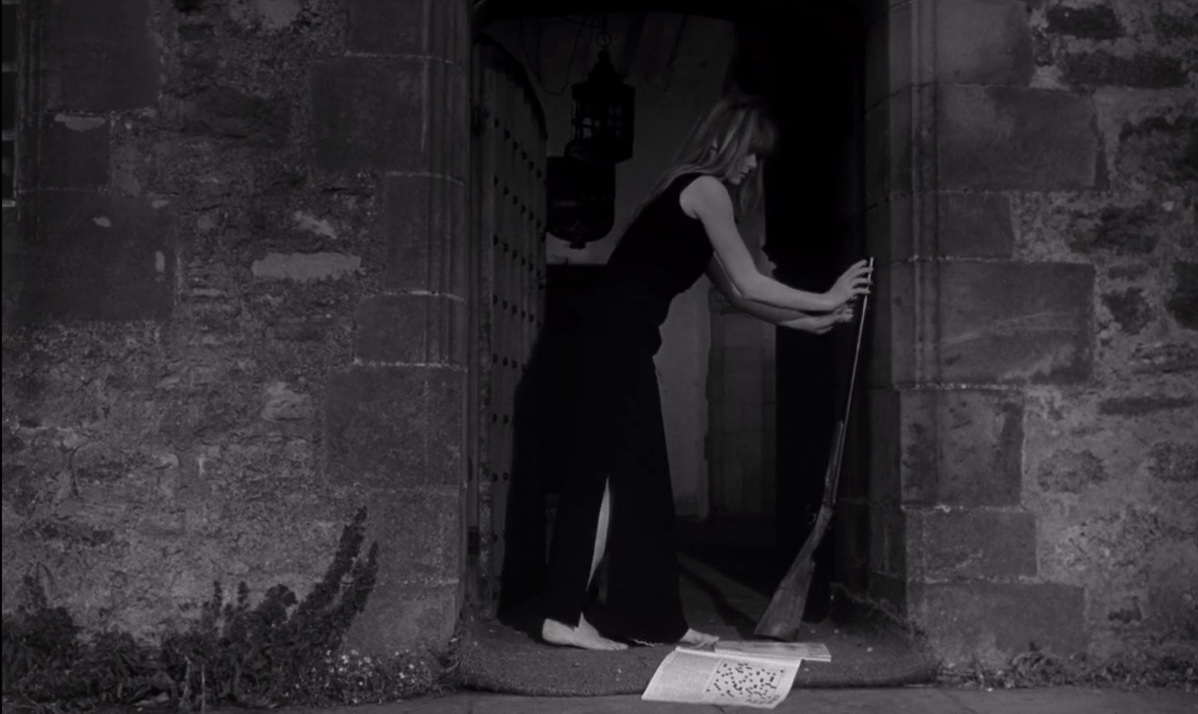
Françoise Dorléac in Cul-de-sac, 1966, directed by Roman Polanski. Compton Films, Tekli British Productions
MORE STORIES
Étude in black: Romy Schneider in Yves Saint Laurent in “Innocents with Dirty Hands”
“After the Hunt”: Interview with production designer Stefano Baisi
Jacques Demy in black & white and his quiet heroines