Left: Photographic print available on shop.classiq.me
Photos: Classiq Journal
“
During the early stages of the Syrian war more than one million Syrians fled to Lebanon, a country with a population of only around five million people. We visited several families living in tents along the border. Lebanon doesn’t recognise them as refugees and so by law doesn’t have to build camps for them, so many worked on farms in return for space to put up a tent.
These families showed us the belongings they had carried with them from their homes. They were the belongings of people who had not planned to leave Syria. They were the items they picked up in a rush, or as the lights went out, the items that were left in the rubble of their homes or that they had in their cars when they abandoned them at the border. These were people who thought they would be going home very soon.
[…]
I drew the doll of the little Palestinian girl who had fled Syria, called Raina. She watched me and asked if the unfinished drawing had no legs because the doll had lost them in the war. I realised the things that children learn to consider ordinary in war are sometimes the most terrifying to witness.
”
George Butler, Drawing Across Borders: True Stories of Migration
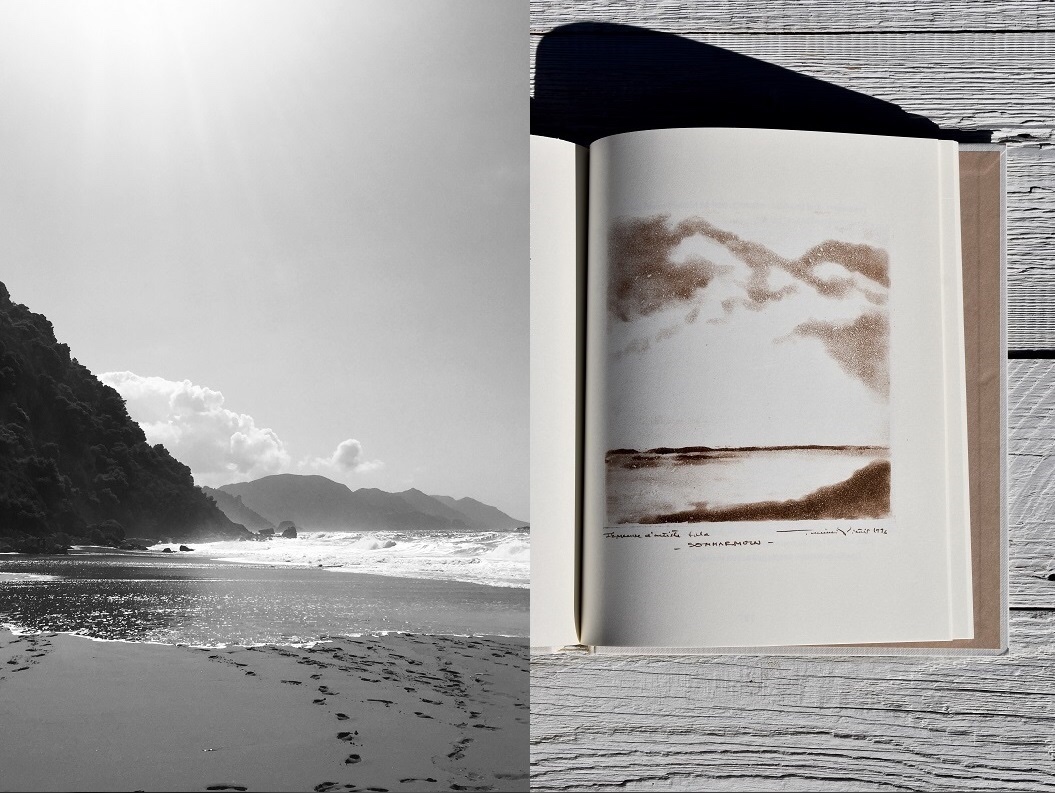
Left: Photographic print available on shop.classiq.me
Right: Drawing by Tuulikki Pietilä, from the book “Notes from an Island”
The Lost Daughter, 2021
Maggie Gyllenhaal
I don’t remember when the music in a film last made such an impression on me. From the moment we are properly introduced to Leda (a college professor on a work holiday in Greece, played by Olivia Colman), while driving her car upon the arrival on the island, the music, composed by Dickon Hinchliffe, is part of the story. I had the feeling the theme was familiar, but then realised it wasn’t, it was just that quality of good film music which is internal to a scene and carries all the memories it acquired during the scene whenever you hear it again, whether later on during the story or just as a song independently from the film. Just like the music, the film has this timeless feel and impresses with the emotional rawness it unearths and the incredible depth it plunges with into womanhood and motherhood. I am thrilled that my latest guest on Classiq Journal and I are going to talk about the film in an interview next week.
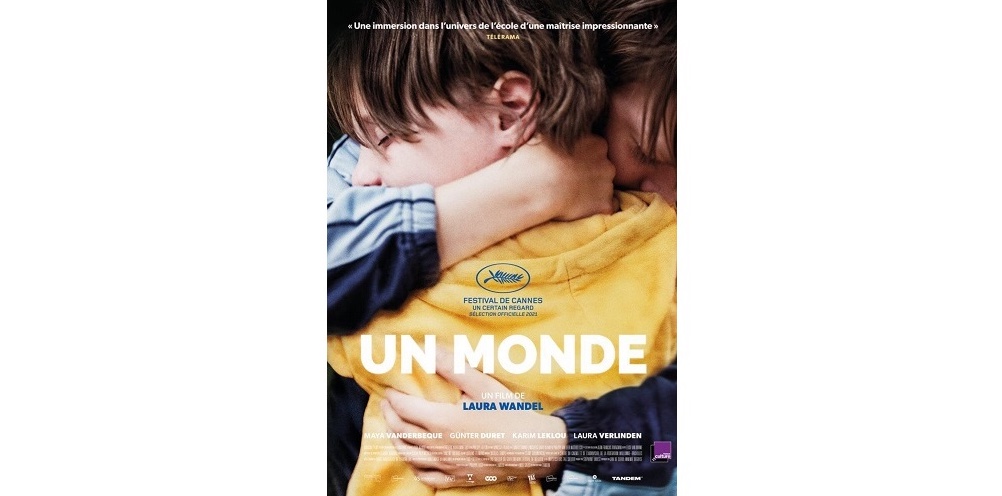
Un Monde (Playground), 2021
Laura Wandel
There is no music in Laura Wandel’s Un monde. Nora (Maya Vanderbeque) is a seven-year-old having a hard time trying to fit in at school. Then she sees her bigger brother being bullied by other kids and is thrown into a rollercoaster of emotional turmoil in her attempt to help him and help herself navigate those critical times that can be the school years. Seen through the eyes of Nora – literally, as the director filmed the entire film with the camera placed at the child’s eyes’ level – Un monde is eye-opening and core-shattering on the realities of a child’s world. It truly speaks to us adults, most of all visually, and makes us pay attention.
L’amour d’une femme (A Woman’s Love), 1953
Jean Grémillon
A young woman doctor (Micheline Presle) arrives on a remote Brittany island and she is met with adversity from men and women alike. The film “puzzled even those who liked it,” Ginette Vincendeau wrote in the Arrow Films booklet on the occasion of the film’s new release. “In question was the modernity of a film that constructs a sympathetic heroine in terms of professional identity and place in society, rather than her looks and romance.” It is a beautiful and sensitive film for the way it addresses the issue of a woman choosing a career over family life – this was 70 years ago.
A Touch of Zen, 1971
King Hu
Frequently imitated, never surpassed, this is an epic film in the true sense of the world. If you choose to watch a martial arts movie, make it this one. Yang is a fugitive noblewoman who seeks refuge in a remote village. When her true identity is revealed, she must escape into the wilderness with two aids and fight against a massive group of attackers. So many films are praised for their visual style. So few deserve it. This is one of them. “When it comes to the wuxia film, all roads lead back to the great King Hu: supreme fantasist, Ming dynasty scholar and incomparable artist. For years, Hu laboured on his own, creating one exquisitely crafted film after another (with astonishing pre-CGI visual effects), elevating the martial-arts genre to unparalleled heights…” – The New York Film Festival
Reading
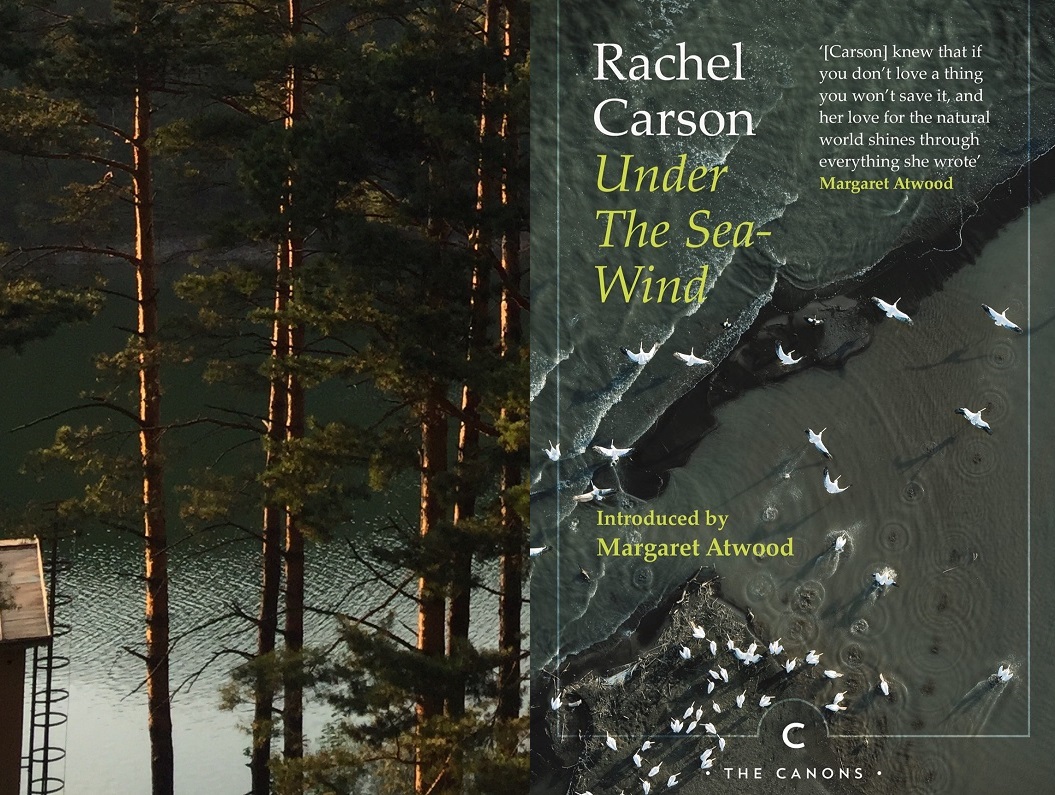
Under the Sea-Wind
Rachel Carson
Rachel Carson was one of the first conservationists and this book, written in 1941, the first in her sea trilogy (all three published before The Silent Spring), was ahead of its time. It’s interesting how the narrative involves no people at all. We only meet them when they impact the natural world in a negative way. It teaches people to look. To really look. To look at the sea, at the world around. To understand. To do something for the benefit of others, too. It’s also made me think of children’s books and why adults should read more children’s books, not just to their children, but for themselves. My six-year-old son has recently told me that he loves the most the stories with no people in them. He is fascinated by the natural world and he understands the role man should and shouldn’t play in it. Is it too late for adults to understand it?
Notes from an Island
Tove Jansson and Tuulikki Pietilä
“Okay, we make mistakes. What of it?”
In her late-forties, Tove Jansson, the writer of the Moomin stories, with the help of a seaman called Brunström, built a cabin on an almost barren outcrop of rock in the Gulf of Finland. The island was Klovharun, and for twenty-six summers Tove and her life partner, the graphic designer Tuulikki Pietilä, retreated there to live, paint and write, energised by the solitude and shifting seascapes, until old age forced them to retreat to the safer mainland. Written by Tove and illustrated by Tuulikki, with log book entries from Brunström, Notes from an Island is beautiful, spare and subtle in the writing yet evocative and grounding and seamlessly touching so many themes, from island life, the power of the sea and the natural world, to personal love and understanding. I read it on a snowy day (one of just the couple (!!) we’ve had all winter) and I loved the solitude and reflection it induced.
Drawing Across Borders: True Stories of Migration
George Butler
I have been reading George Butler’s book again these days. Because one must.
My interview with Fanny Husson-Ollagnier, from Fondation Monique Martin. The books Ernest et Célestine, written by artist Monique Martin under her pseudonym, Gabrielle Vincent, are among the most beautiful children’s stories ever told. The warmth the storyteller has for her characters, the warmth and joy they have for each other, the friendly complicity, humour and tolerance they use to overcomes every situation, the way they draw lessons through mutual listening and understanding from their everyday life adventures and misadventures… these are values that should enter a child’s world early and never leave him as he grows.
Listening
Tom Waits, Rain Dogs. Wonderfully weird, just like the cover.
Hootie & The Blowfish, Cracked Rear View.
The Lost Daughter soundtrack. Listen to it even if you haven’t watched the film, which you definitely should.
Note: Of course today everything is online, but the thrill of discovering something rare only happens in real life, so instead of linking to Spotify, I am leaving you to make the choice of helping your favourite independent record store. If you don’t have a favourite indie record store, here are a few suggestions: Waxwell Records, Amsterdam, Discos Paradiso, Barcelona, and a few more across the US. You can also support them online.
Exploring
Romy, La Vie et le Cinéma. La Galerie de l’Instant celebrates Romy Schneider and her films with a photography exhibition that runs from March 10 until May 16. The purpose of the exhibition is to go beyond her troubled sadness and the tragedy that enveloped her life and instead celebrate Romy’s freedom and overwhelming radiance with a collection of wonderful photographs of an unforgettable artist, of a frayed but fascinating woman who has never ceased to fascinate us.
The regulars: The interviews, newsletters and podcasts I turn to every week and/or every month because they are that good. Craig Mod’s all three newsletters: Roden, Ridgeline, and Huh. Wes Del Val’s book-ish interviews. Soundtracking, with Edith Bowman. Team Deakins, with Roger and James Deakins. Alicia Kennedy’s newsletter. The Adventure Podcast: Terra Incognita. The print magazines Monocle, Sirene and Sight & Sound.
”I was seized by a new feeling of detachment that was utterly
unlike isolation, merely a sense of being an outsider, with no worry
or guilt about anything at all. I don’t know how it happened,
but life became very simple and I just let myself be happy.”
Tove Jansson, Notes from an Island

